Suspect Photography

words and images from david george brommer

9 Essential Accessories For the Fujifilm X System or Window Washing the Xpro

Window Washing

Attention Suspect Photography Fans- Finding Photographic Style and Composition in NYC 4 Day Intensive Workshop April 17th to April 20th 2014. Early Registration Discount By March 1st.

The Fujifilm Xpro 1 is a superb camera and many photographers are singing its praise while making great images from this unique and high quality digital rangefinder. There are a few pieces of gear that can really enhance the Xpro1 and this post is dedicated them. After using the camera for a year and a half and having a load of friends also indulge in the Xpro1 I built this list with authority. Some of it can apply to the XE1 and XE2 and some can’t, I’ll let you know so all Fujifilm X system shooters can benefit from these suggestions. So here we go, the 9 essentials.

#1 The Domke 1” Gripper Strap with QR. The strap that Fujifilm supplies is worthless. While looking nice and being leather it is too thin and slips off your shoulder every 3 steps you take. The Gripper is thus named because it has two rows of rubber woven into the strap and the rubber keeps the strap from falling off your shoulder.  The Gripper Strap has quick releases so it’s easy to remove for tripod shooting. The finish of the strap is also attractive and stealthy; it looks good and doesn’t get in the way. It comes with leather protectors so it doesn’t scratch the side of the camera and also features a nice leather accent. Anything that is this functional and under $20 bux is a winner. Works with Xpro, XE1 & XE2.

#2 The  Hand Grip HG-Xpro1 This is sort of a no-brainer. It gives you a better grip and brings the tripod socket to the middle of the camera, not off to the side. Yes, it’s a bit annoying to take on and off when you want to access the battery or memory card, but its easy to remove and put back on. I keep it on about 80% of the time for standard walk about shooting and when I want to go low profile (shooting discreet at performances) I simply take it off. It has a nice thick rubberness to it, and when using large lenses such as the Zeiss 12mm, Fujifilm 14 or any of the zooms it simply shines. I like the feel of the camera without it, but really like the feel with it. It also has a rubber bottom so it can’t scratch surfaces when you put the camera down and keeps it from slipping off slick surfaces. Coming in at $79 it wont break the bank either. The link I provided will show you both grips.

#3 Blue LocTite for the Eyepiece. A very small drop of blue Loctight is great to keep the stock eyepiece from falling off. I have replaced mine once already and it’s costly! Don’t use the red Loctight, that’s permanent! The blue is made to resist unscrewing but is not permanent for servicing. Make sure you shake the tube well before application and once again, just a small drop or two. You can find this at your local hardware store. Only Xpro1 users need this, the viewfinder in the XE is cheesy.

#4 Gaffers Tape the hood cap that Fujifilm provides. I lost my hood cap in about.. 12 seconds. Take gaffers tape and line the inside of the hood with about 2 layers of the tape, it just makes the lens cap fit more snug. Besides, you should always have a roll of gaff tape handy for just about anything. Use it to gaff tape the Fujifilm logo when shooting in sketchy locations (an old photojournalist trick).

#5 LCD Screen Protector: Your XPro1 is a constant companion, its right place is around your shoulder going where ever you do. It’s bound to get beat up, and that’s ok, because it’s a tough camera. But man, that LCD cover is soft! Look at it the wrong way and it gets scratched. Get on this one right away and put a cover on it! I know, you’re discerning, so try this Aegis Professional Multi-Coat Glass cover, it’s made from Schott glass and is only $30 bucks! It is easy to install and its tougher than the stock glass on the Xpro1 LCD.

#6 Soft Release Button: Since the Xpro1 has a standard cable release, they can accept a broad range of soft release buttons. Essentially a more ergonomic button that screws into your shutter release they feel nice, and make the camera more sensitive to activate auto focus and

#7 Camera Bags: There are only two to consider. Going stealth and relatively inexpensive the Domke F5XB is your huckleberry. It was designed primarily as a rangefinder bag and can hold the camera with a lens mounted on it and two more lenses. It’s canvas and discreet, you can wear it over shoulder or on the hip with it’s integrated belt loop. I like the black, but you can get it in olive or tan. If you never had a Domke bag you’re in for a treat, they age very well and at $70 dollars, wont break the bank so you can buy more lenses as they are released.
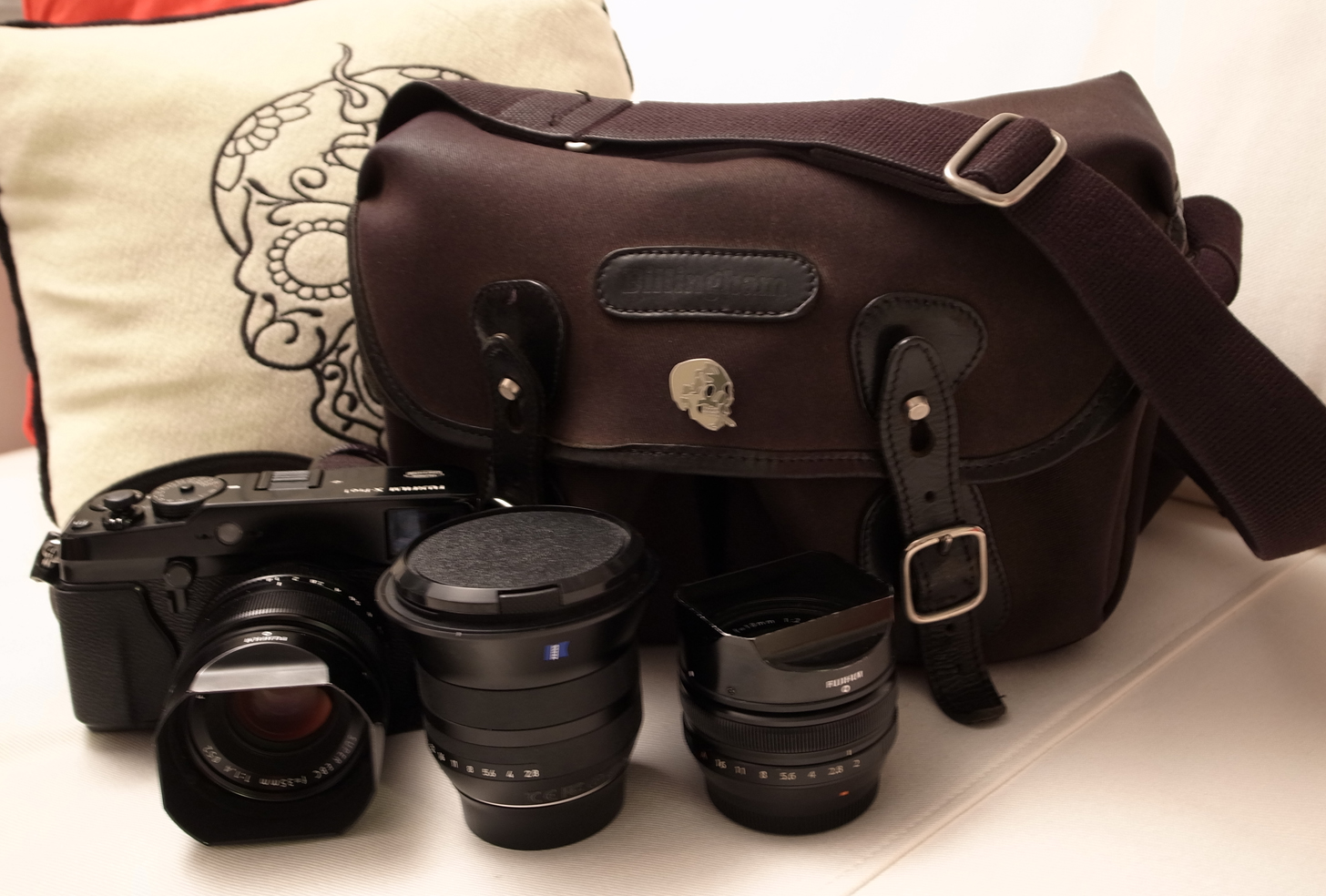
Billingham

Now if you have some $$$ to spare and are looking for something very special, look no further than the Billingham Hadley Small Shoulder bag. It’s like the Louis Vuitton of camera bags, made with a luxury canvas and gorgeous leather trim this is a camera bag that you can take to museum openings, the opera, or to Pakistan. Easily handles a body with lens and two extra lenses like the Domke, but also has two deep large pockets at the front for important extra stuff such as batteries and a hood loupe. Hiding behind the camera insert is an area that you can fit a iPad tightly or a iPad Mini easily. I personally have owned one for over a decade and while the insert’s Velcro has worn out, I replaced it and gave it new life. I don’t want to sound vain, but the Billingham Hadley really is a classy camera bag and you can be proud to tote it around. Coming in at $240 dollars it’s not cheap, but my daddy says, “good things are not cheap and cheap things are not good”. Hey you only live one. Works with Xpro, XE1 & XE2.

#8 Cable release: It’s not a big deal until you go to need one. Shooting fireworks, long shutter speeds in front of waterfalls, or macro work the cable release is part and parcel to the whole reason to mount the camera on a tripod. Sure you could set the timer to 2 seconds, but nothing connects to you to your camera more than a cloth sheathed 12” of wire. The Nikon AR-3 is a high quality shutter release that has been around for ever, it’s locking so you can keep the shutter open for hours if need be. It’s a simple design, that wont break the bank and once again, it’s proven quality. Works with Xpro, XE1 & XE2.

#9 Extra Battery: Get one. You’re going to need it. The Xpro1 is only good for about 225 to 300 shots before it dies. When it goes, it goes fast. It may read two bars, but that really means you have about 20 shots left. I don’t complain, I just keep an extra battery in my bag. So get one, keep it charged and keep it in your bag. This battery works with Xpro, XE1 & XE2.

I hope this helps. Feel free to share you own suggestions.

~David

Fujifilm X Pro 1 Predictions – No more pro Mirrorless Cameras?

Lady Liberty

It’s Fujifilm X series prediction time. I have my photo tarot cards out and here is what they say. One word first, yes I have industry connections and I respect any NDA and or personal confidential info that comes my way. However this info is just my personal prediction and is not based on any confidential intell I’m privy to. I came down to these conclusions with Moose Peterson and Gabe Biderman in conversations this week.

With Photo Plus East just around the corner, we’re going to see lots of announcements in the upcoming days of October. I’m only interested in what Fujifilm has up thier sleeves, since I believe they are the currently the most interesting and principal driver of new and cool photo gear. Yup, I just said that. Sorry Big C (the good kind) and the camera company who used to “take the worlds greatest pictures”. It’s all about the Fujifilm X system. Here we go…

We won’t see a XPro 2. I don’t think ever. But we will see a XE2. I think that the hybrid finder on the Xpro1 is going to be the last Mirrorless camera made that has it. It’s what set the Xpro1 apart from pretty much the whole rest of the Mirrorless world but it’s going to be a feature of photo goodness past.  Here is a question to all the current users, do you still use the OVF as much as the days when you first had the Xpro? Or do you find yourself using the EVF more? Lets face it, the EVF is not accurate, I’d say it has about a 10% minus factor on what you see as to what you get. Also, two words, Focus Peaking. Yea, I’m using the OVF less these days. And it hurt to just say that. Seems like analog is just slipping further and further away from me. Next I’ll just be like Neo in the Matrix.

The future is fuzzy… and this is just what I feel in my bones and read in the cards so take it with a grain of salt and look forward to more weather proofing and enhanced EVF functions (manual exposure wysiwig and clearer view).

The Above photography is Lady Liberty shot on the Moose Cruise II with Fujifilm Xpro1 w/ 35 1.4 @ 1/64 F 2.0 ISO 200 and processed in Camera Raw (pretty heavily I may add).

~David

The Cucoloris Monster lives in Light and Shadow – Not Sesame Street :-)

Monster Garden, Bomarzo Italy. Fujifilm Xpro 1 35mm 1.4 1/320 f 2.8 iso 200 B&W film sim mode

Monster Garden, Bomarzo Italy. Fujifilm Xpro 1 35mm 1.4 1/320 f 2.8 iso 200 B&W film sim mode


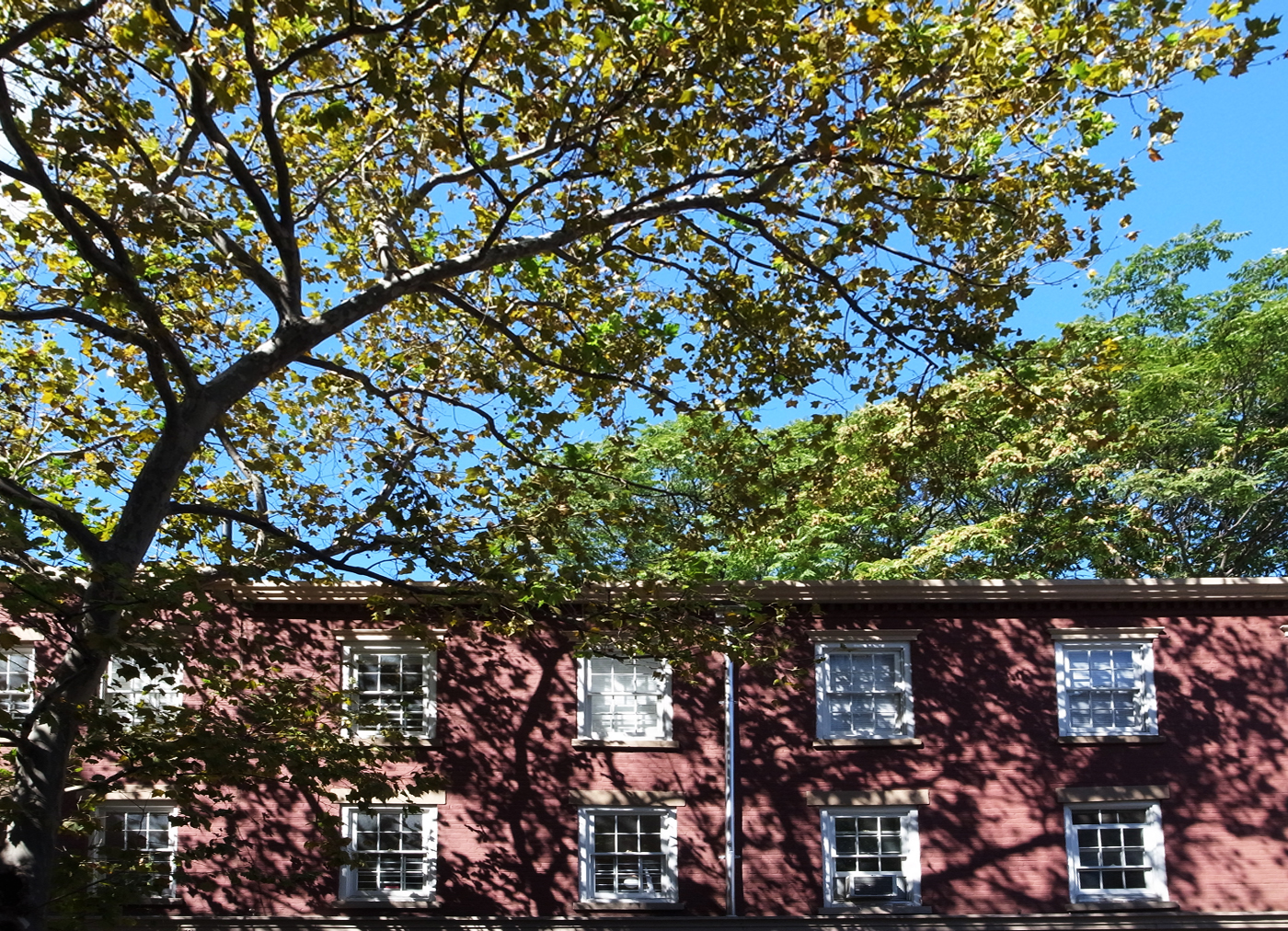
When the light pours through trees it causes a dappling of highlights and shadows on the scene and can create an interesting effect. In the movie business the grip guys use gobos with patterns cut in them and hold them up between the light source and the scene. They also will move them, so in film it appears as if the wind is blowing the foliage. They call them Cucoloris, Kookaloris, or even cookies and are used frequently.

West Village NYC  Ricoh GR IV Digital 1/60th f 5.6 ISO 200

West Village NYC Ricoh GR IV Digital 1/60th f 5.6 ISO 200

In photography we really don’t use them often, even though the same technique the grip guys use could be set up in the studio easily. More often, we run into it when shooting beneath tree cover.  The “cucoloris effect” is best used to create a dance of positive and negative shadow in your image, integrate them into your composition. They can be tricky to expose properly, best to use standard metering and adjust as needed with exposure compensation.

9th avenue NYC Fire Truck Fujifilm Xpro 1 Zeiss Tuoit 12mm 1/250th F 6.3 ISO 200 Film Sim Mode B&W R

9th avenue NYC Fire Truck Fujifilm Xpro 1 Zeiss Tuoit 12mm 1/250th F 6.3 ISO 200 Film Sim Mode B&W R


As I researched this post I realized the phenomenon is not spoken of in photography much at all, but it plays such a large part of the relationship between light and shadow. Embrace the Cucoloris, seek it out and use it to build complexity to your images.

~David


Keep Calm, Carry Cameras. No, Really.

Message Man in Chelsea

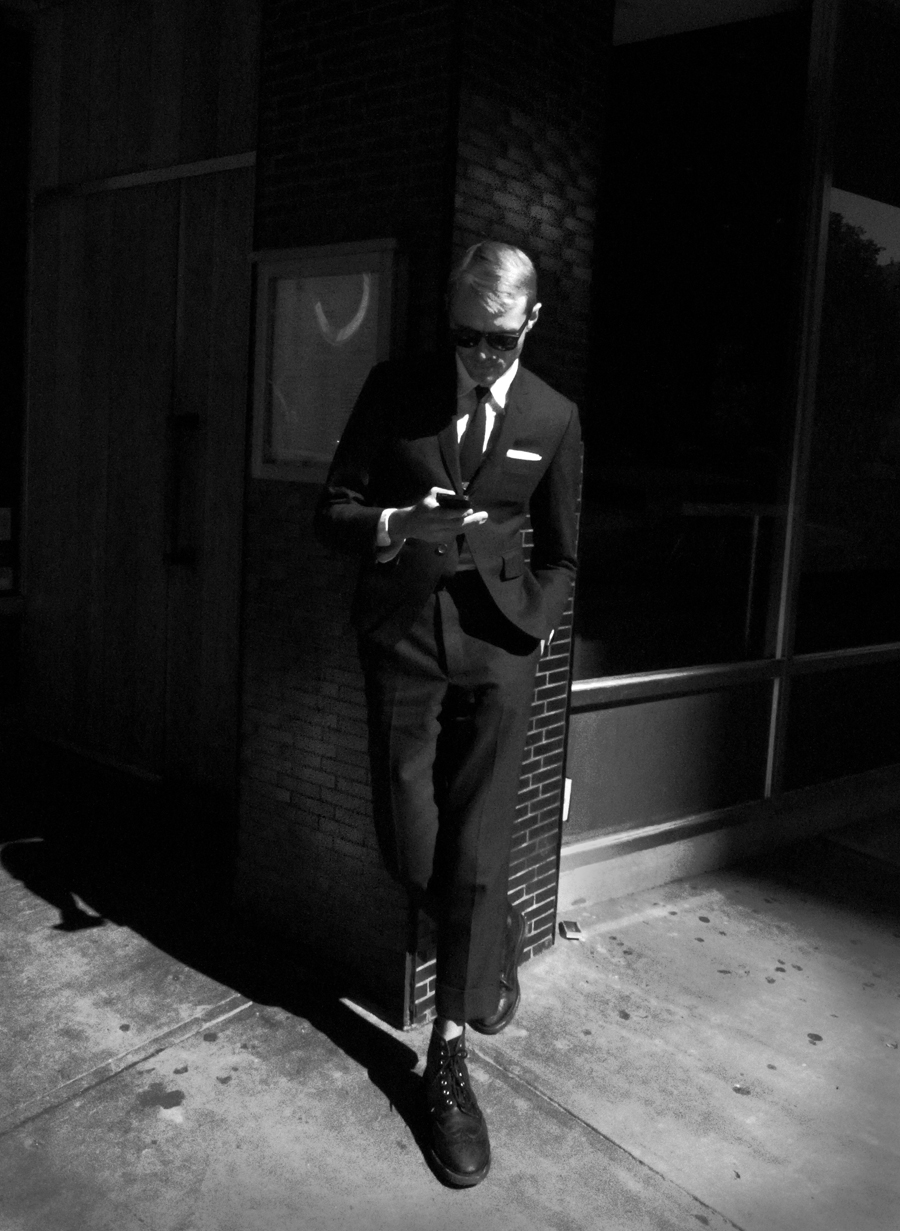
After I posted yesterday’s blog on Street Photography as a Genre, I went out for an afternoon walk from Chelsea to Union Sq and back. I got about 2 blocks when I realized as I chose my camera to pack with me for the walk, I forgot my wallet. With a grunt and curse I turned about to return home and then I spied this perfect intersection of light with this well dressed dude in a pose seemingly meant just for me. Thank you sir. As I crossed the street, I drew my Ricoh GR IV, held it up as I slowly walked by and … nailed it.  Best shot I have taken in about a month. Thrilled. No one but the Shutter god and I knew the discreet candid photo was ever taken.

The last post was about Street Photography as genre, so I had this in mind and was playing with the camera in a whimsical “streety” way. Luckily the camera focuses extremely fast and accurately and I can apply some funky contrast B&W styles to the photo. I walked away with a image I can rely on, more confidence that I can shoot street genre, and mostly the reiteration to ALWAYS CARRY A CAMERA.

So the shot is made with Ricoh GR IV Digital and I wrote a review of it here. It’s a fine street shooter.

Genre: Street Photography

Halloween revelers get cash at Citibank.


Everyday, Opportunistic, and Spontaneous

The most popular and widely practiced genre of photography is arguably Street Photography. Street photographers walk around with stealthy cameras ready to grab candid and un-posed images. It takes dedication to build up a body of work, and days and days of shooting can yield little in interesting images and then all of sudden, something with punctum pops into the frame.

 Puppets, Milan Italy. Fujifilm Xpro 1 18mm lens B&W film simulat

In the pantheon of photography, street photographers reign. Known as the father of street photography, Henri Cartier Bresson championed the concept of what he described as, “The Decisive Moment”. This can be summed up from Bresson’s own words, “There is a creative fraction of a second when you are taking a picture. Your eye must see a composition or an expression that life itself offers you, and you must know with intuition when to click the camera.” Bresson’s concept has aged quite well even considering that HD Video and super fast capture rates has fallen in favor even with the still photographers.

Icons

Perhaps Street Photography is so widely practiced because it is so readily available. Simply walk out of  any door with your camera ready to go and the world becomes your subject. Practicing street photography can be an exuberant way of displaying photographic style but it’s own ease can be its pitfall too. Photographers run the risk of becoming bored waiting for that “Bresson Moment” to occur and let their guards down and miss the potentially great shot. Street Photography captures fractions of seconds of our society in action and can serve in a documentarian role as well as just making a great photograph. The best street photos are when multiple stories are being told and the entire frame becomes a stage for life unfolding. It is spontaneous, and patience with a camera on a street corner will be rewarded with just the right subject, secondary subjects, and actions occurring with the background you chose.

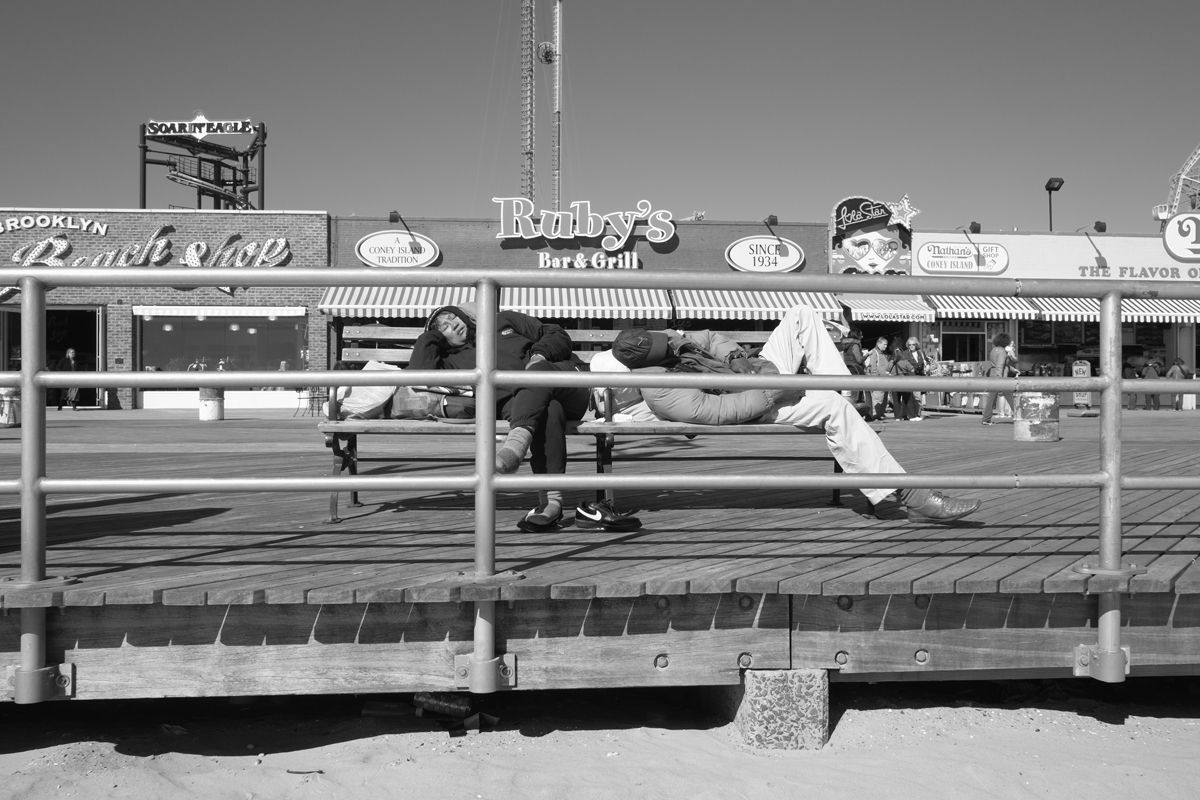
 Coney Island

Another interesting facet of street photography is that it ages well. While a street filled with current cars becomes mundane, the same street filled with 55 Buicks and 57 Chevy’s all of sudden has a nostalgic boost. The same can be said with fashions and evolving cities in the frame, these images get more interesting with time. This is a reward for those who practice the genre of street photography during thier lifetimes.

Kid on the street. Hi Contrast B&W Ricoh GRD IV

Kid on the street. Hi Contrast B&W Ricoh GRD IV

Skills: Quick Reaction Time

Technique: Zone Focus or Pre Focus

Masters: Robert Frank : Vivian Cherry : Peter Turnley : Harvey Stein : Vivian Maier : Bresson (link above). Yes there are many more, this is broad genre however I picked these to start with for historical reference and also in the case of Peter and Harvey, they are still very active and teach workshops.

Gear: Leica M system, Fujifilm Xpro system, (super high quality and small discrete size) DLSR with fast aperture prime wide lens.

I’ll be honest here, I am challenged by street photography and while I practice it, always armed with a camera when out and about, I find my best work is when I can set the shot up and influence the image.  I respect street shooters and for those just looking to get into the genre, I recommend you look at the following photographers

The above is part of a format for presenting the genre’s of photography in my upcoming book, “Finding and Developing Photographic Style”. The idea is the common genre name, followed by three words that sum up the genre, then a moderately in-depth description with photographs to illustrate. As always, I’ll take any feedback.

~David

911 memorial lights and falls 2008

Casa Toscana and the Object Project

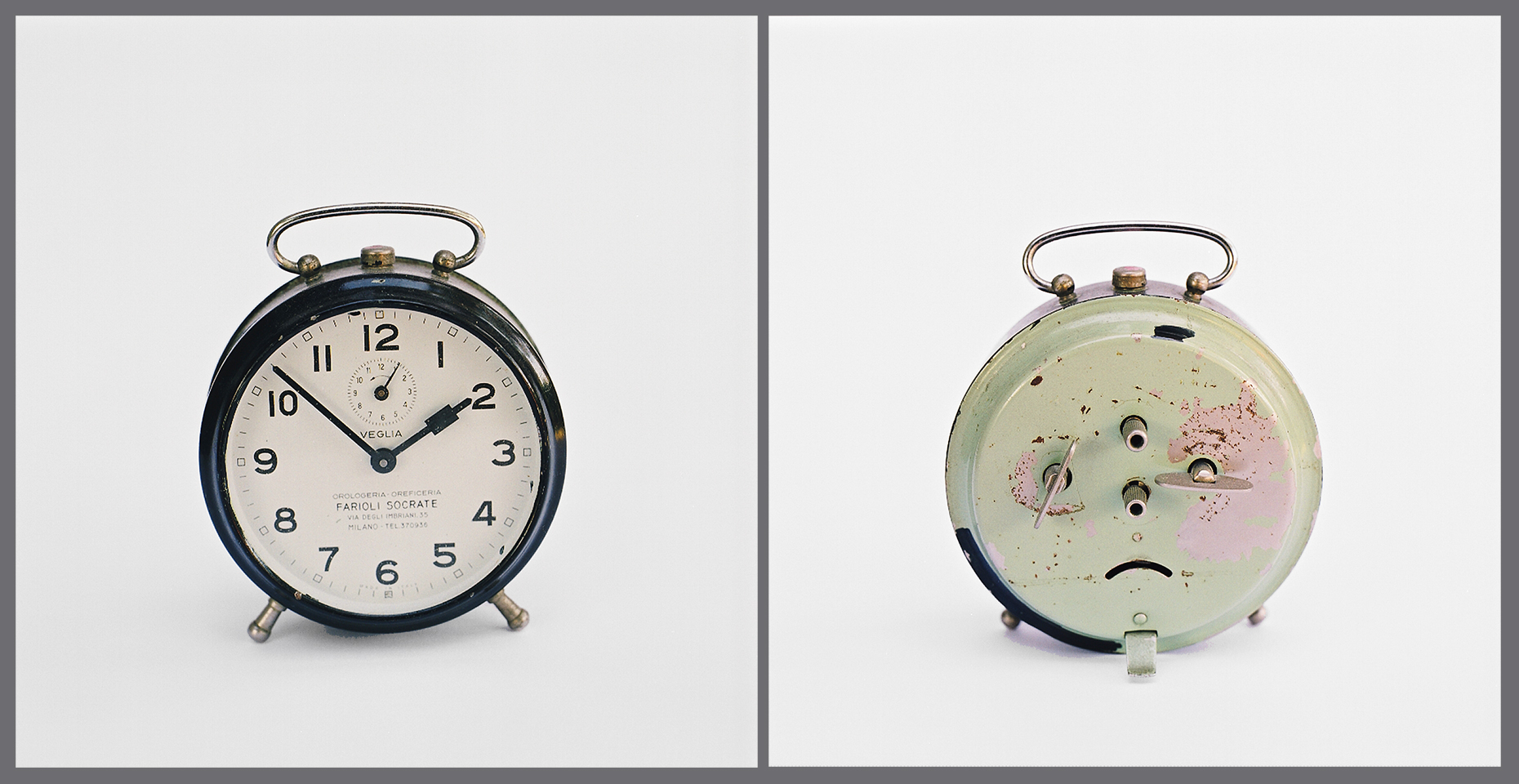
clock

The Object Project:

Things, tokens, neat items, nick knacks, jewelry, ephemera, and other personal treasures or just plain stuff can make a great project with an interesting narrative. Follow your instincts on the selection of items, but make sure a strand of relativity is connecting to each object. Choose a background to photograph the subjects which can be something as simple as a colored seamless background, fabrics, a table or a wall. Use you have access too, even shooting straight down to objects laying on a soft bed of fresh cut grass might be interesting. What ever you choose as your background, make sure you use it for the whole series. Now photograph the items by utilizing a “still life genre” technique.  Feel free to be explorative by adding other elements such as flower petals, rocks, wood, toothpicks, or anything that “works” with the subjects.

Hasselblad 80mm 2.8 Distagon T* 120 Fujifilm 160ns

Hasselblad 80mm 2.8 Distagon T* 120 Fujifilm 160ns

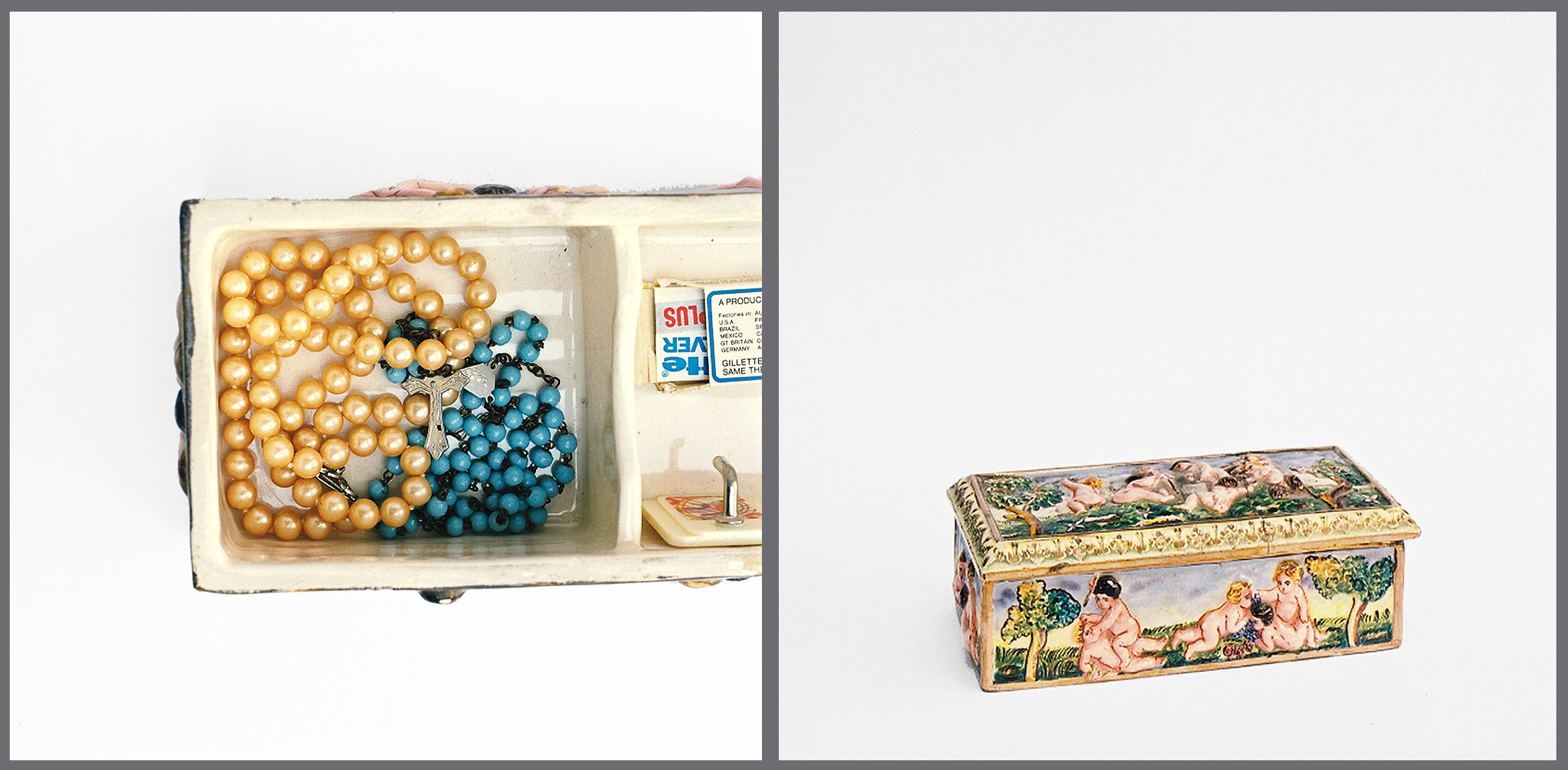
box one from Casa Toscana Project

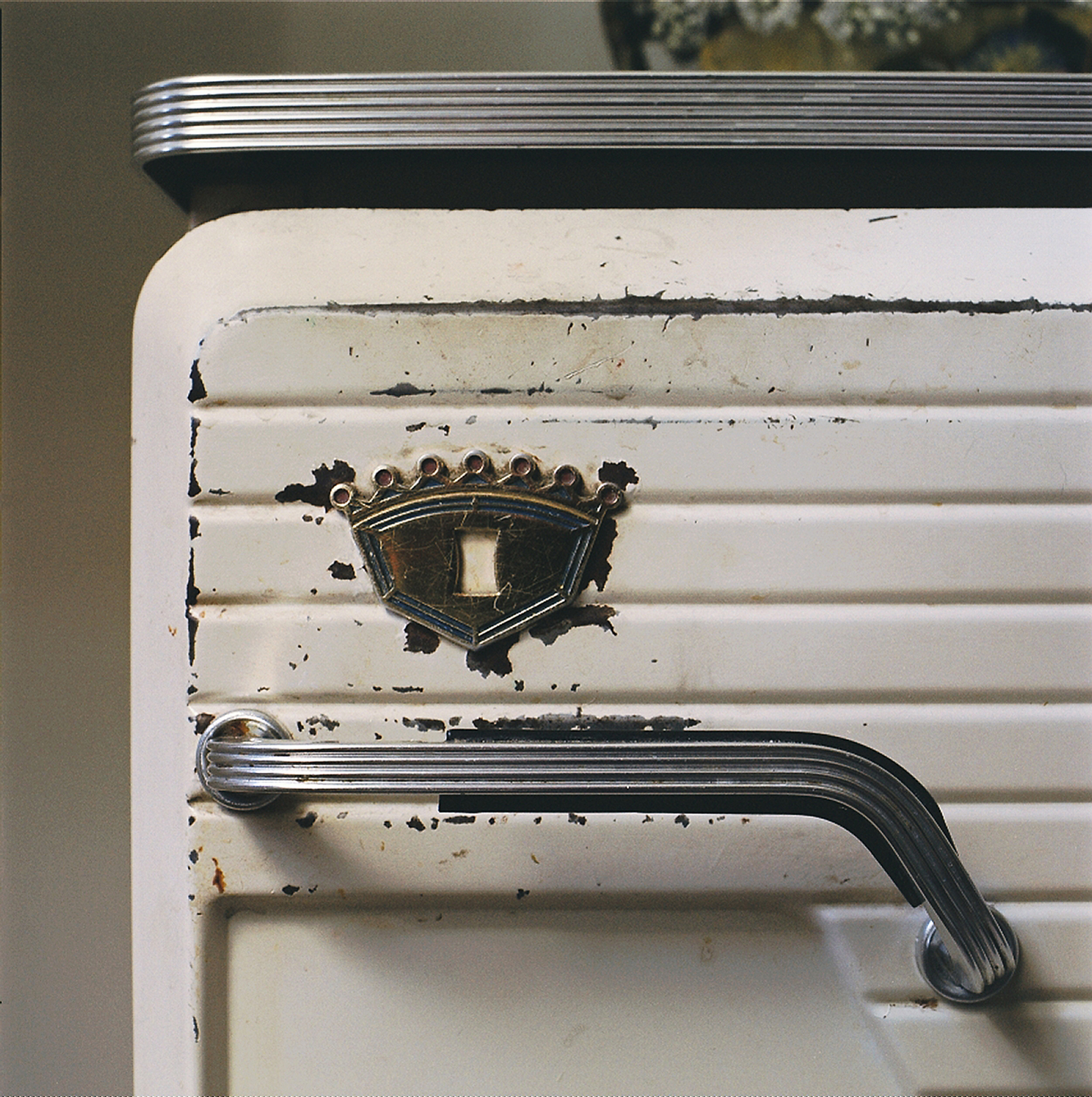
In my series Casa Toscana, I began by documenting the rooms of our home in Italy. I was enthralled by the light pouring into the rooms at different times of day and got very inspired to capture the nuances of the Casa Toscana. I would photograph the larger objects that were integral to the rooms, such as the vintage refrigerator or furniture. Looking closer I began to inspect drawers and boxes and set up a still life station to photograph these “house treasures” on.

espresso

They included a vintage telephone, an old book, a toy. In contrast to the intricate environment of the home, I took these objects and placed them on white poster board and photographed them in indirect available light. I began by taping the poster board to the edge of the table top along a wall, and then taping the top of the board to an outside wall in indirect light. I easily created a “seamless” white background. The objects sit in a neutral white space that was clean and neat. Each object had an unspoken story that it was able to communicate, and also served to break up the projects direction that was a study in rooms, compositions, and light.

the old frigo

sewing_kit

bricks2

When I returned with this work to NYC I had the film developed and scanned. I’m not too thrilled with the scans, but I was able to create a stunning blurb book on the project. The overall idea really turned into something much more than I had planned for. I gave a copy of the book to a few members of Barbara’s family and it brought some to tears to eyes of a special few.  That’s how you know you did a good job, when you make the client cry. Please take a look at my Blurb Book Store to view the book and yes, it is available for purchase. I have a full preview of the book set up, so you can check out the whole story and all the images. The book is 111 pages!

jug

So what are you waiting for? Get out there and start shooting objects… and put it in a project.

~David

All images shot with a Hassy and the 80mm f2.8 or the 50 f4.0. Film was Fujifilm 160NS and scanned at time of development. One note I have to make, I was never happy with the scans and I got lazy and had the lab do them. Normally I would bust out the Epson V750 and do it myself. I learned a lesson, the more you have your hands on it, the better the final result will be.