Don’t Subtract, Add: A Philosophy on Aging, Photography, and Life
I’m 58 years old. If my run goes to 90, which hopefully it should, I consider myself about two-thirds of the way through.Around halfway through, I started noticing a shift. Things started going away. They were being subtracted from my general perception and daily life.
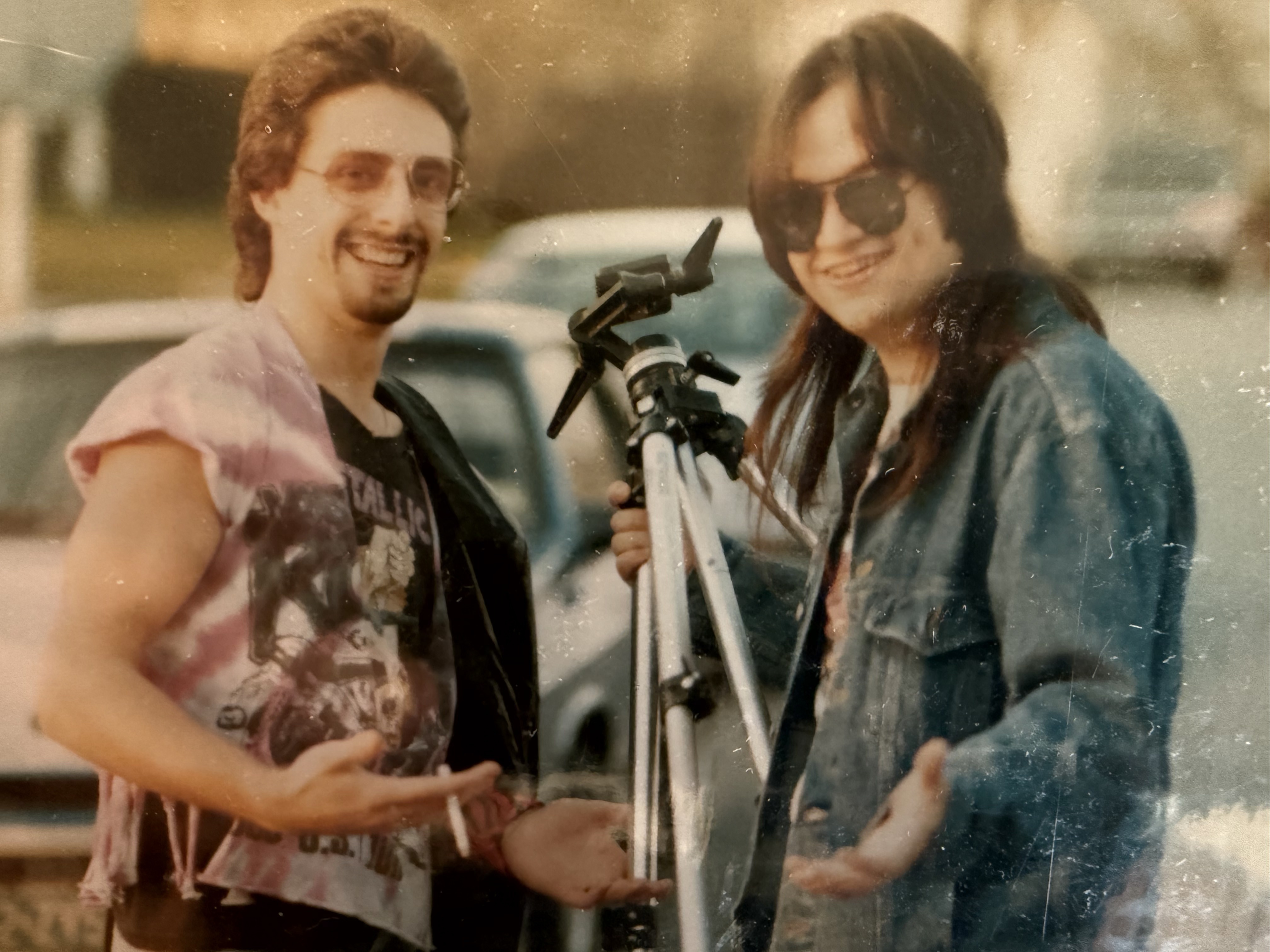
At first, it’s physical markers. The home I grew up in was sold, basically erased from my life. Cars I owned were sold or totaled. my favorite pair of levi 501’s disintegrated, film stocks I loved discontinued. In my mid 20’s my hair began to thin on the top of my head, that was tough! But then came the more profound subtractions: relatives and old friends. Losing my mother was a massive subtraction. I graduated from Colonia High School in 1985, and looking back, we’ve had a sobering number of deaths and suicides. Between growing up with radon in basements and a cancer scare at the school, it feels like we paid a price, and people started dropping off. Losing one of my best friends, someone I had known since the fifth grade, was particularly tough.
Of course, while these subtractions were happening, there were major additions too. My career was budding, I was figuring out photography, becoming more secure in who I was and how I was evolving. I met the love of my life, married her, and built an incredible relationship and life. A life lived, I’m skipping so much that was gained for the sake of brevity. Now, at the two-thirds point, the subtractions really start to add up. On the scale of life, those subtractions begin to weigh heavily against the additions. Muscle mass decreases, mobility shifts, places disappear, and social circles shrink.
!+++++++-++++—+++++++–+++++++++—-+++—–+———–.
I’d rather be:
!+++++++-++++—+++++++–+++++++++—-+++–+++++-++++!
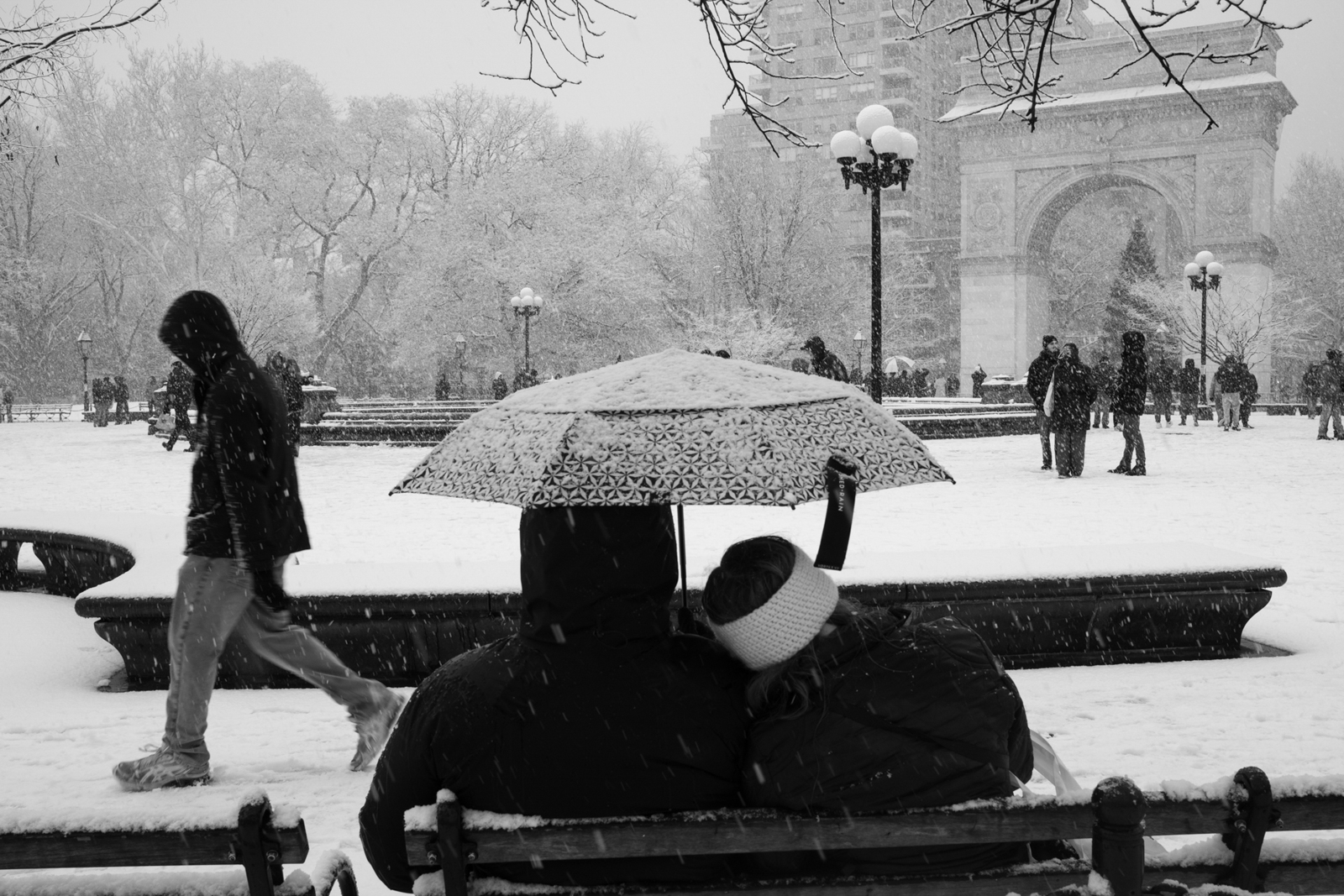
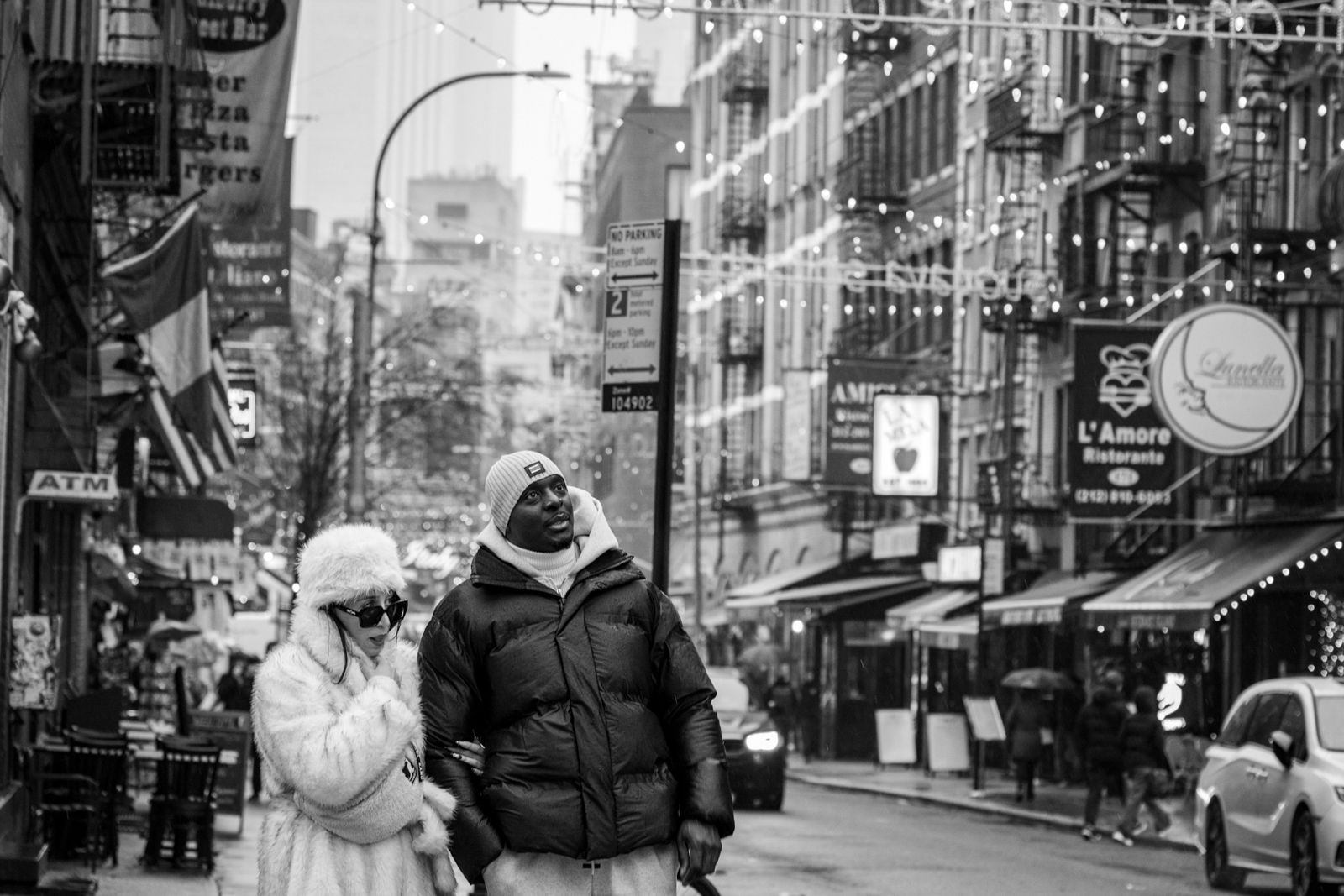
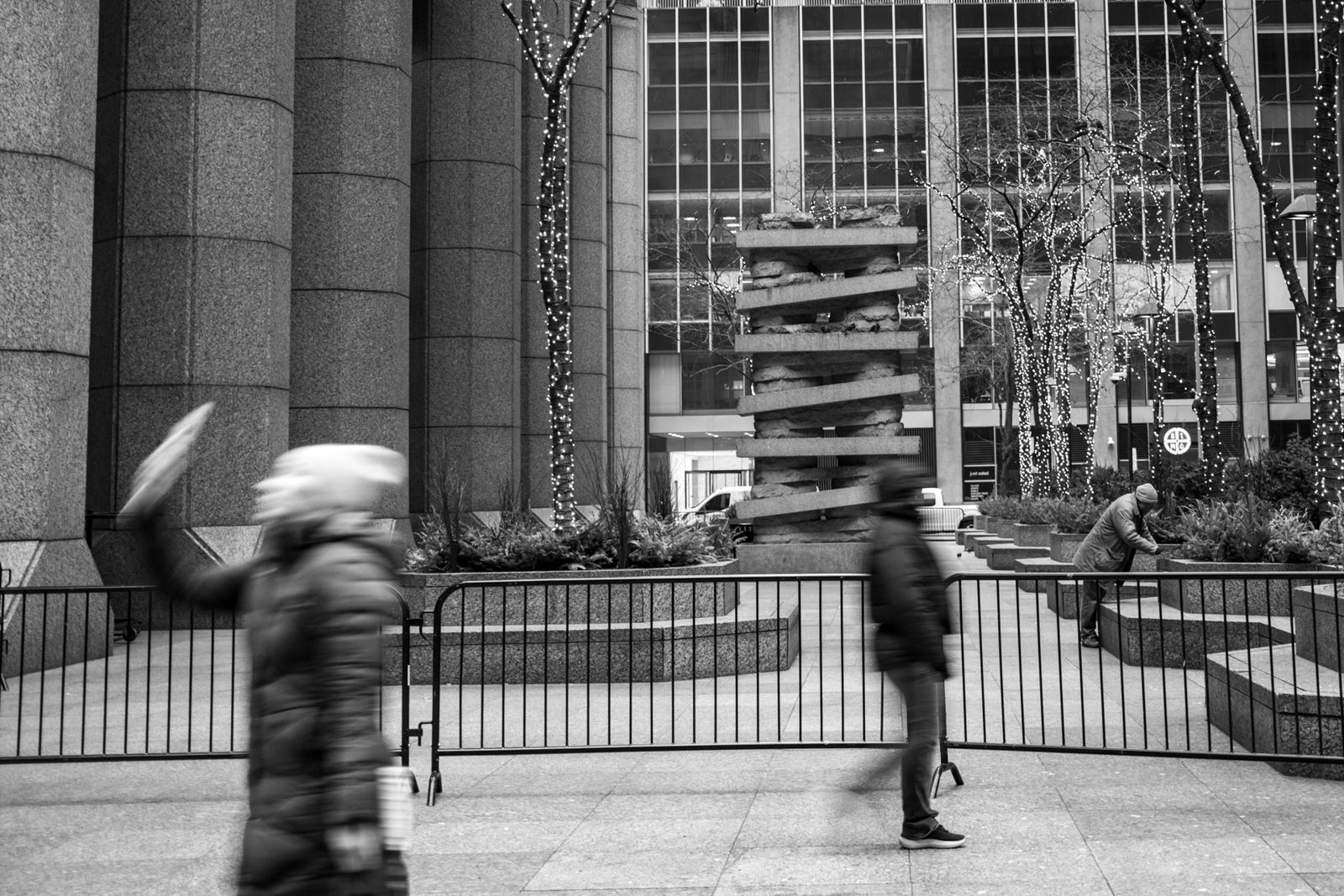
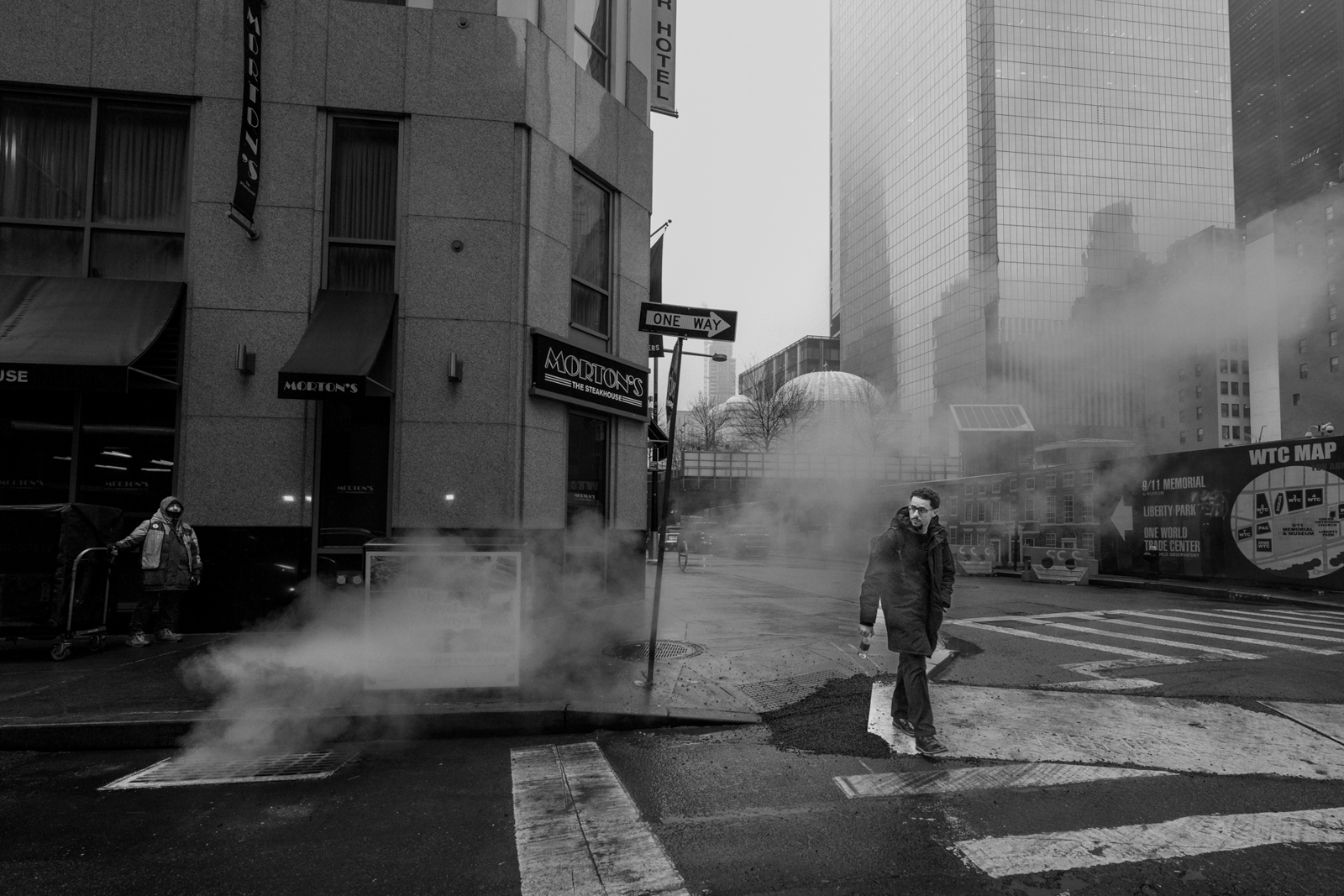
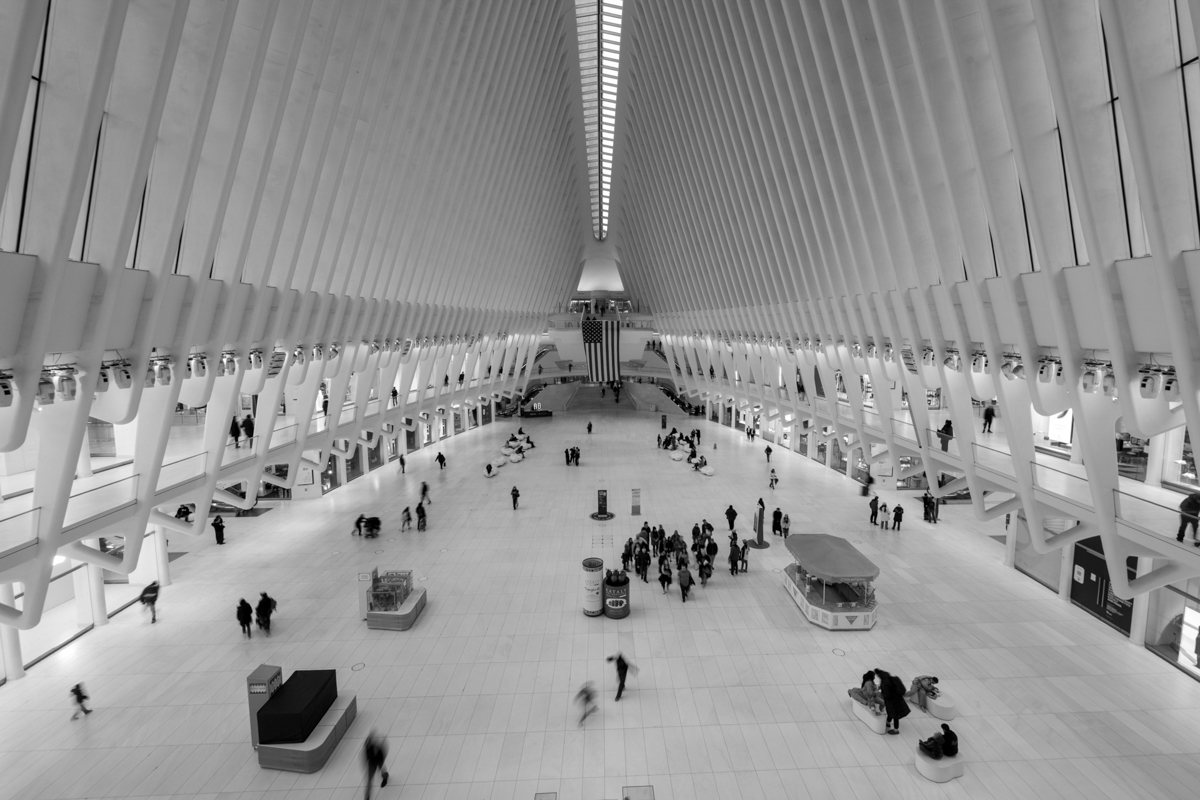
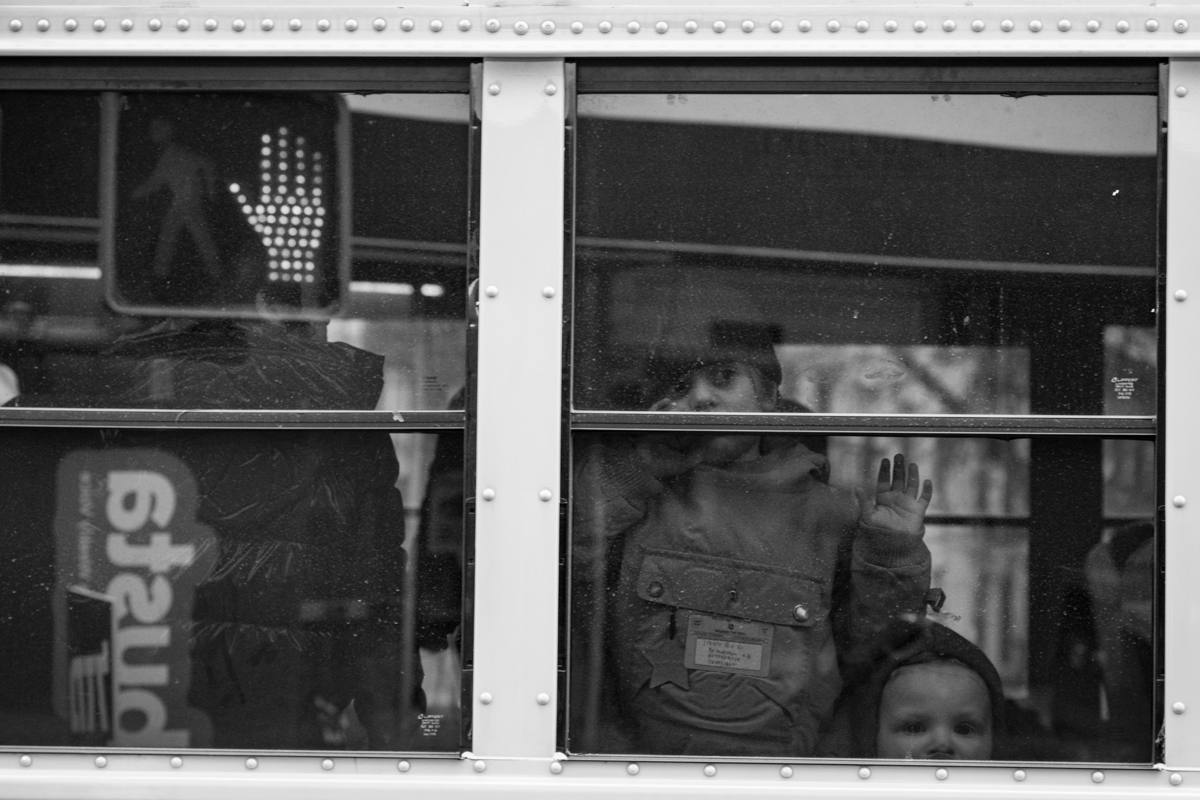
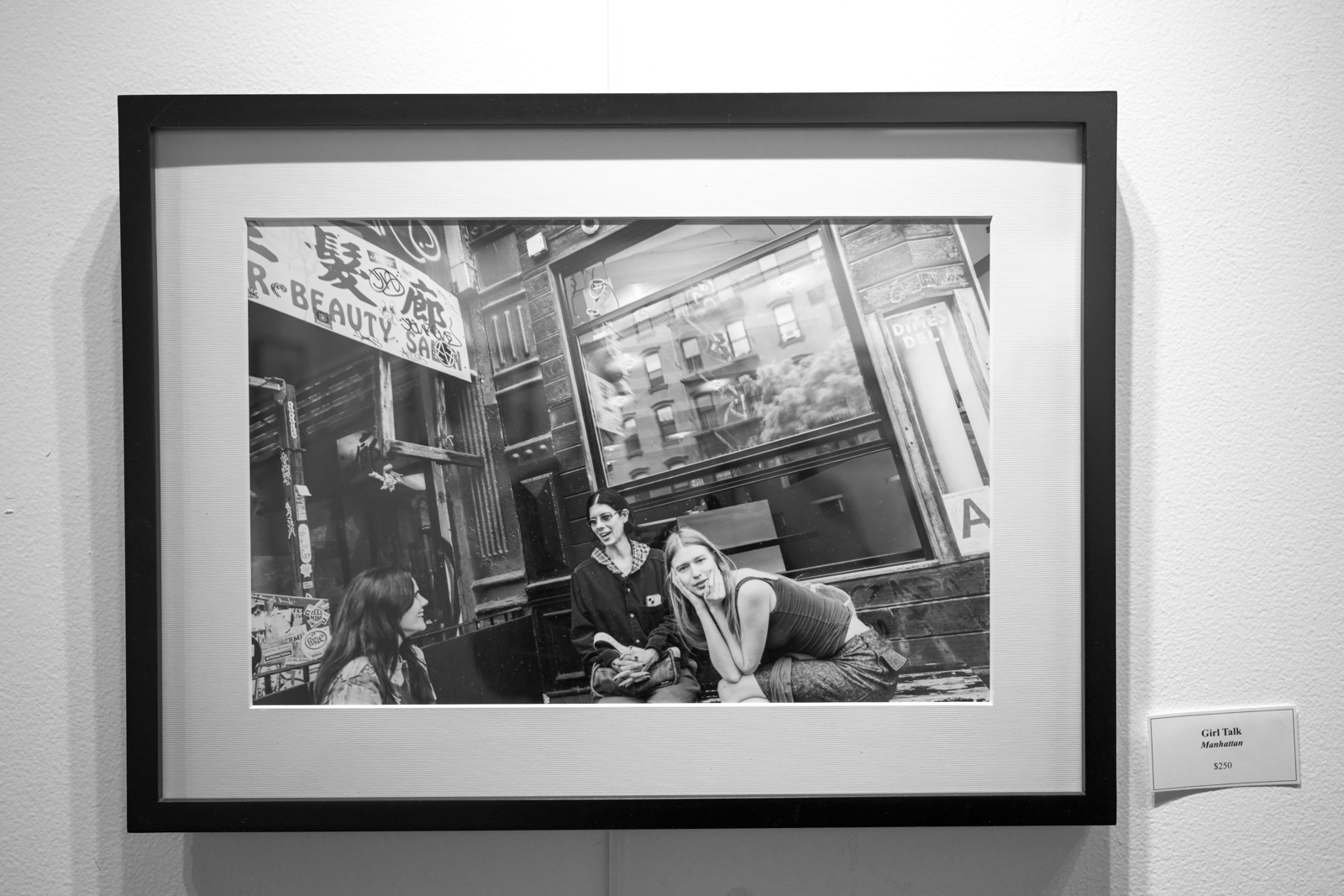
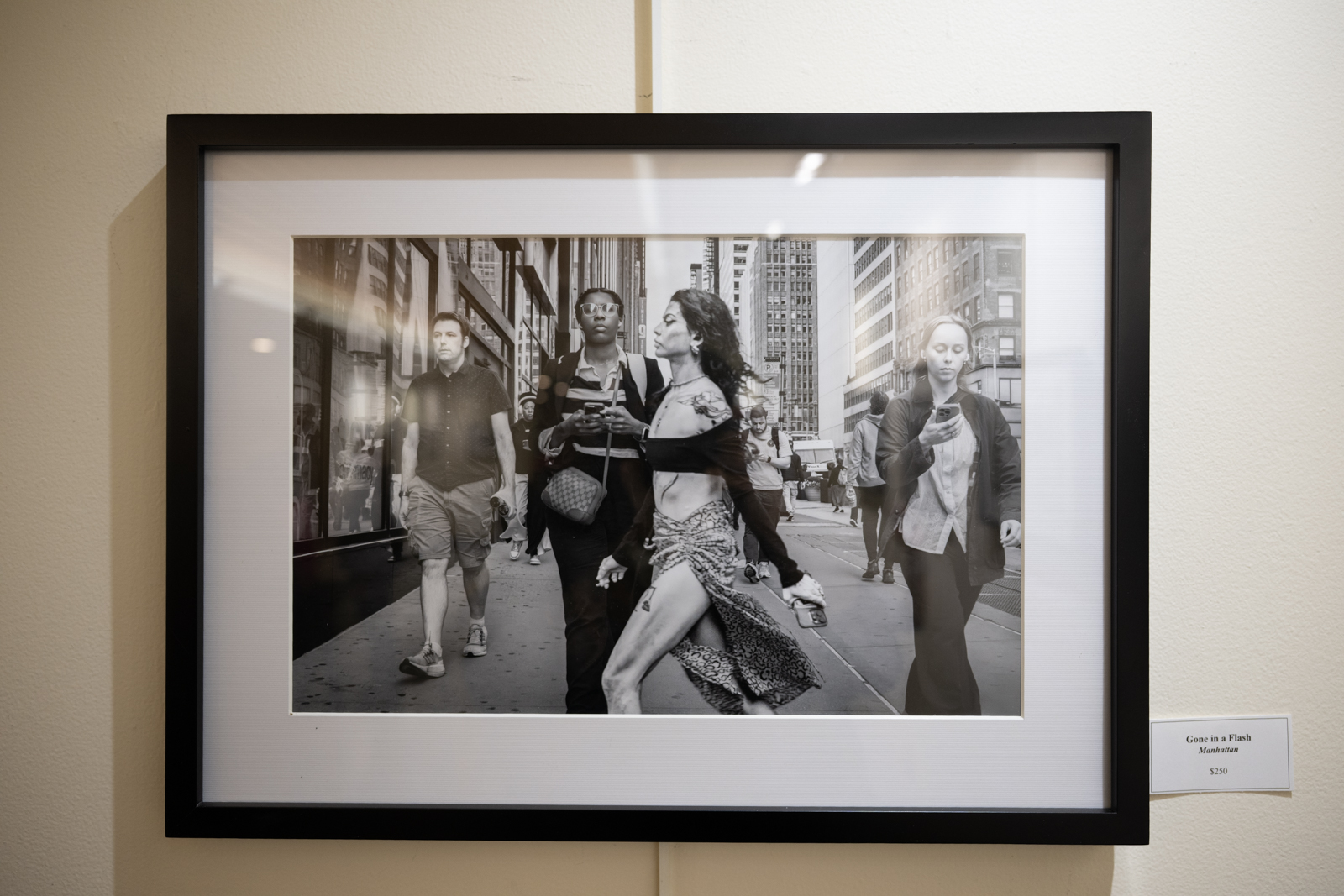
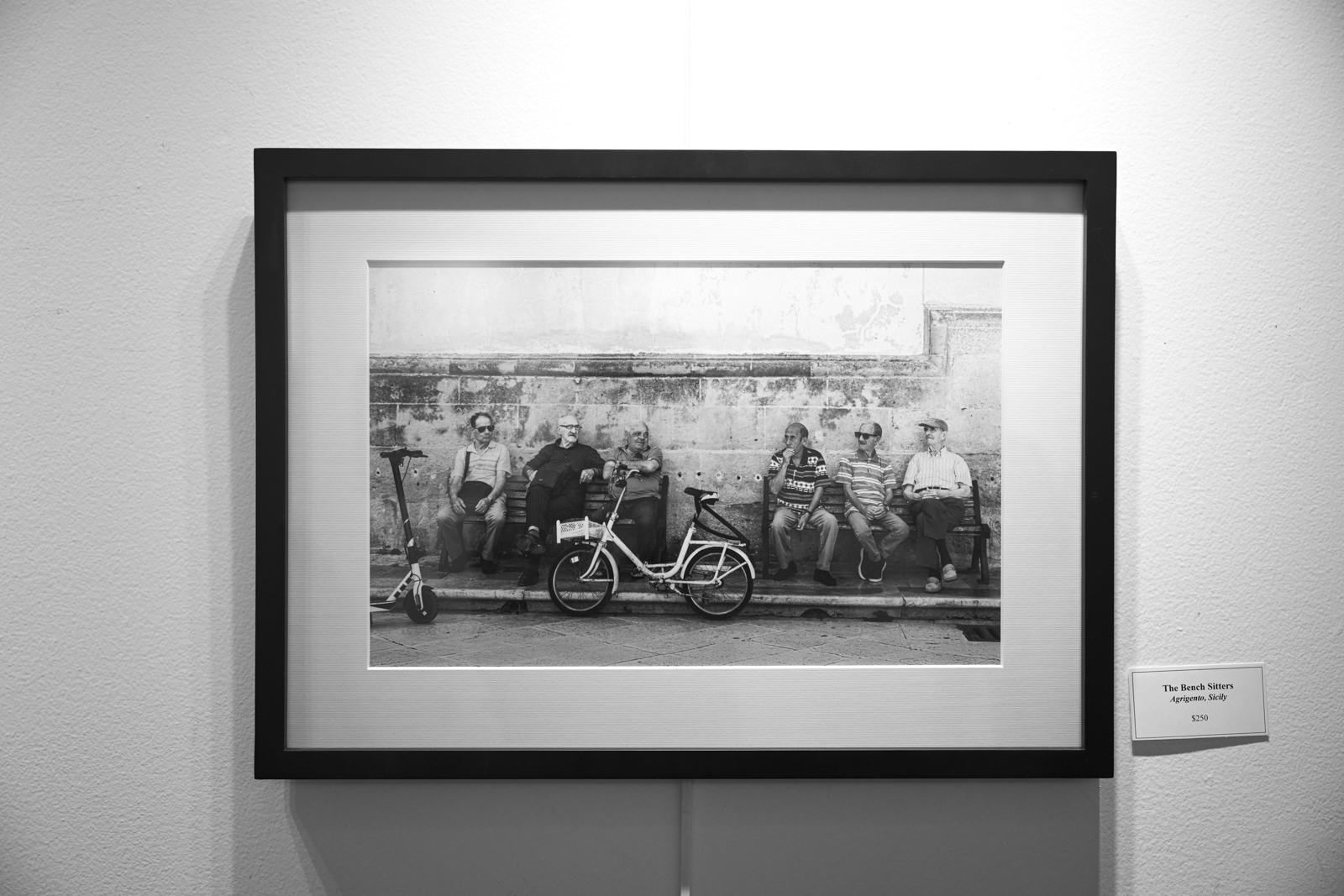
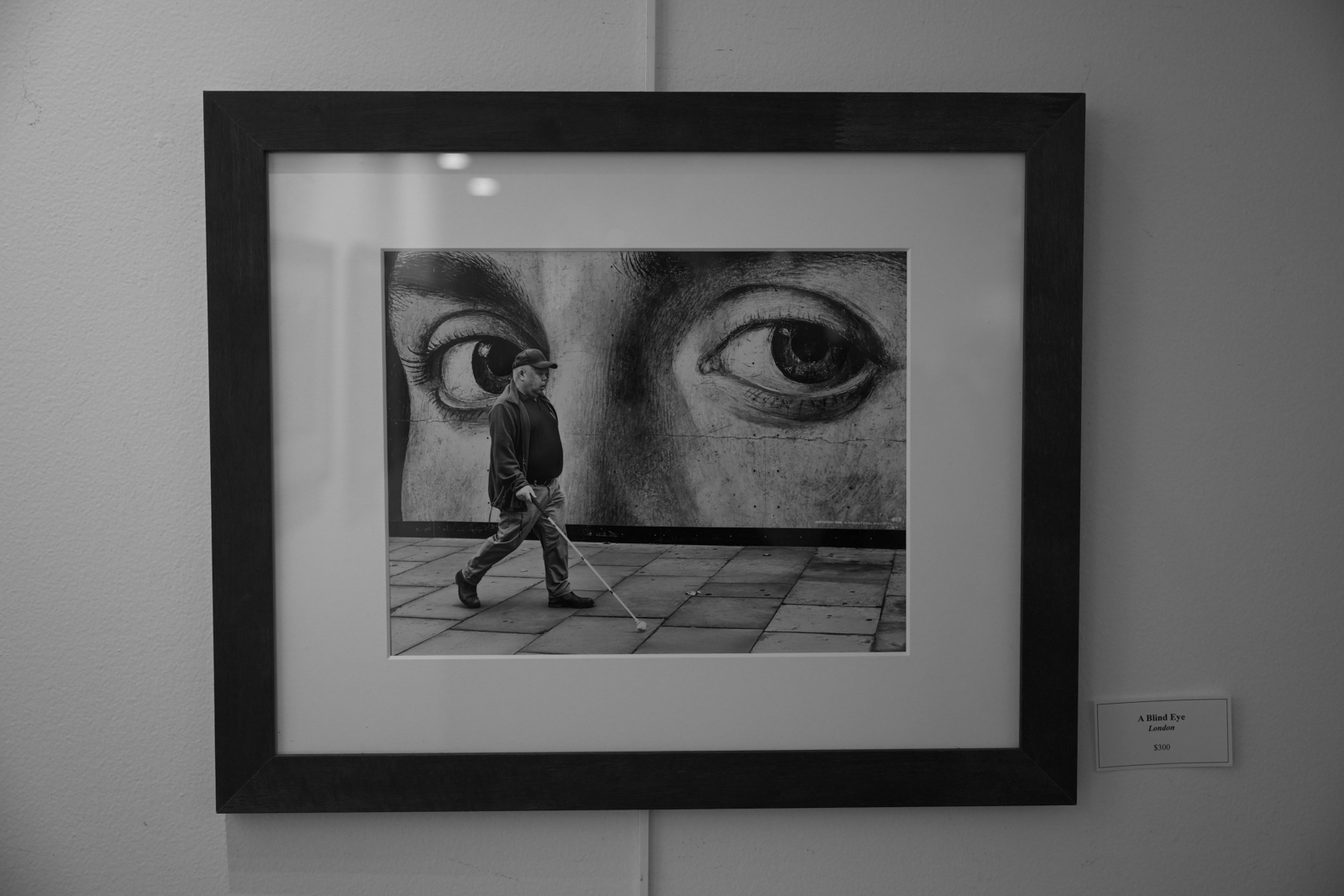
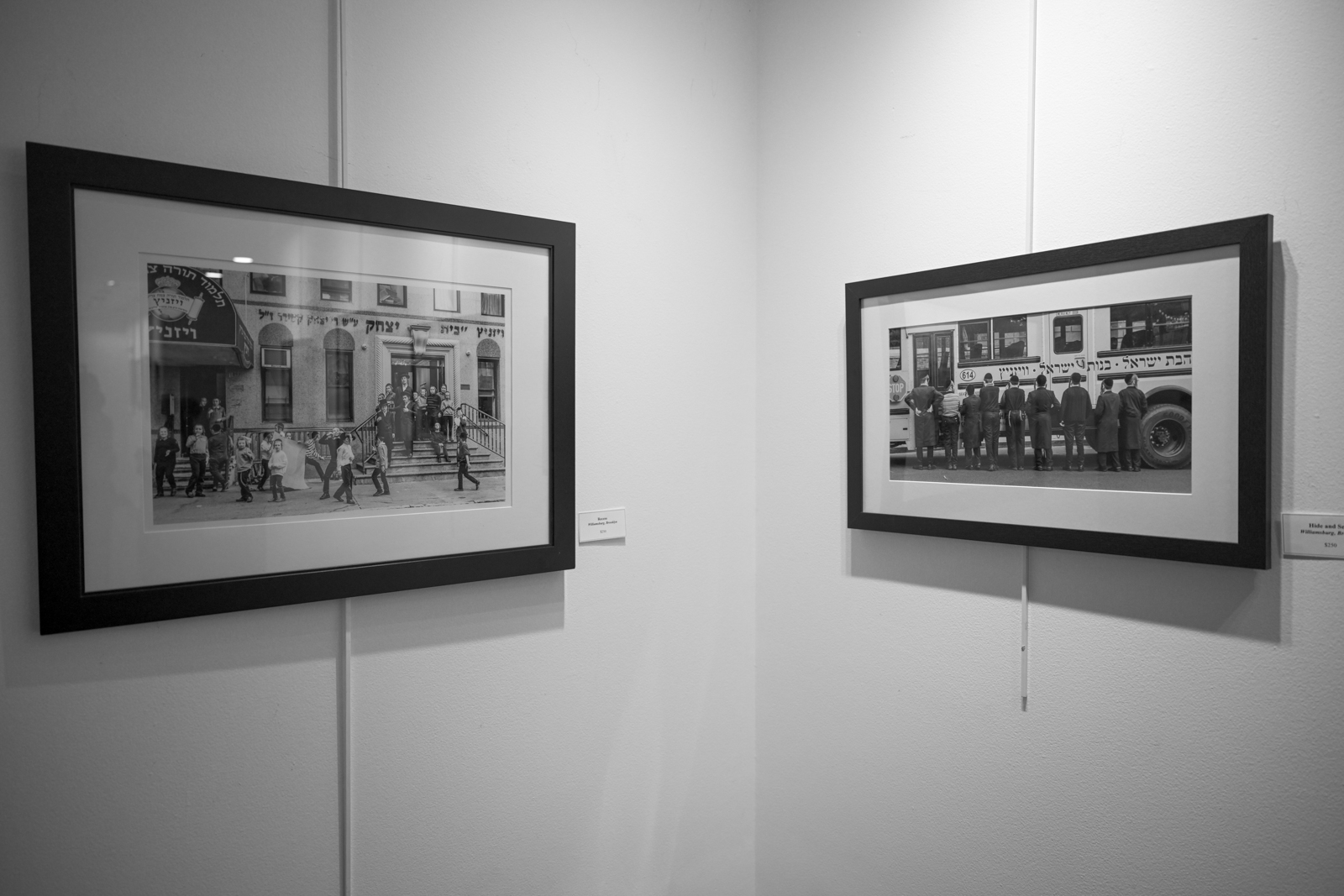
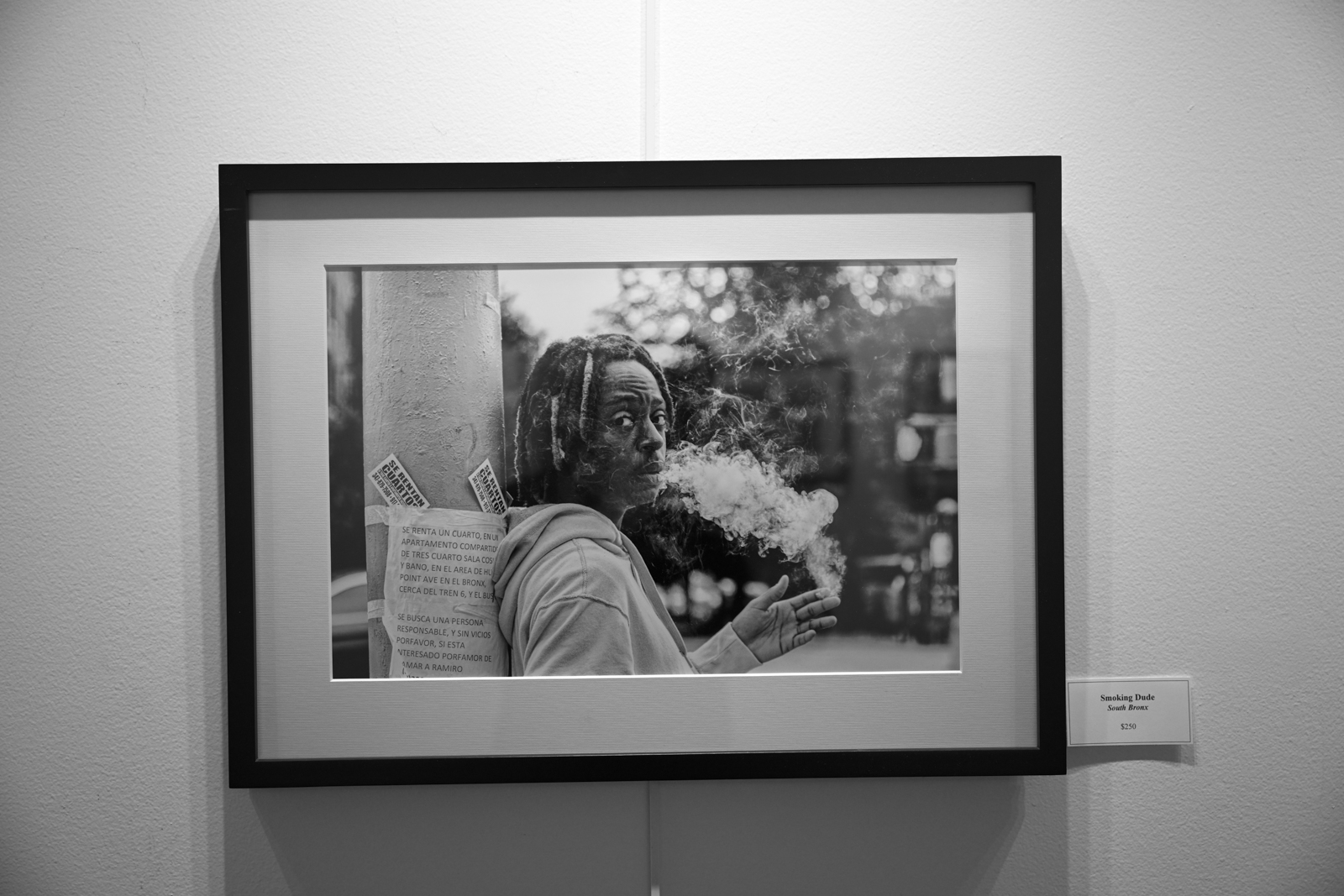
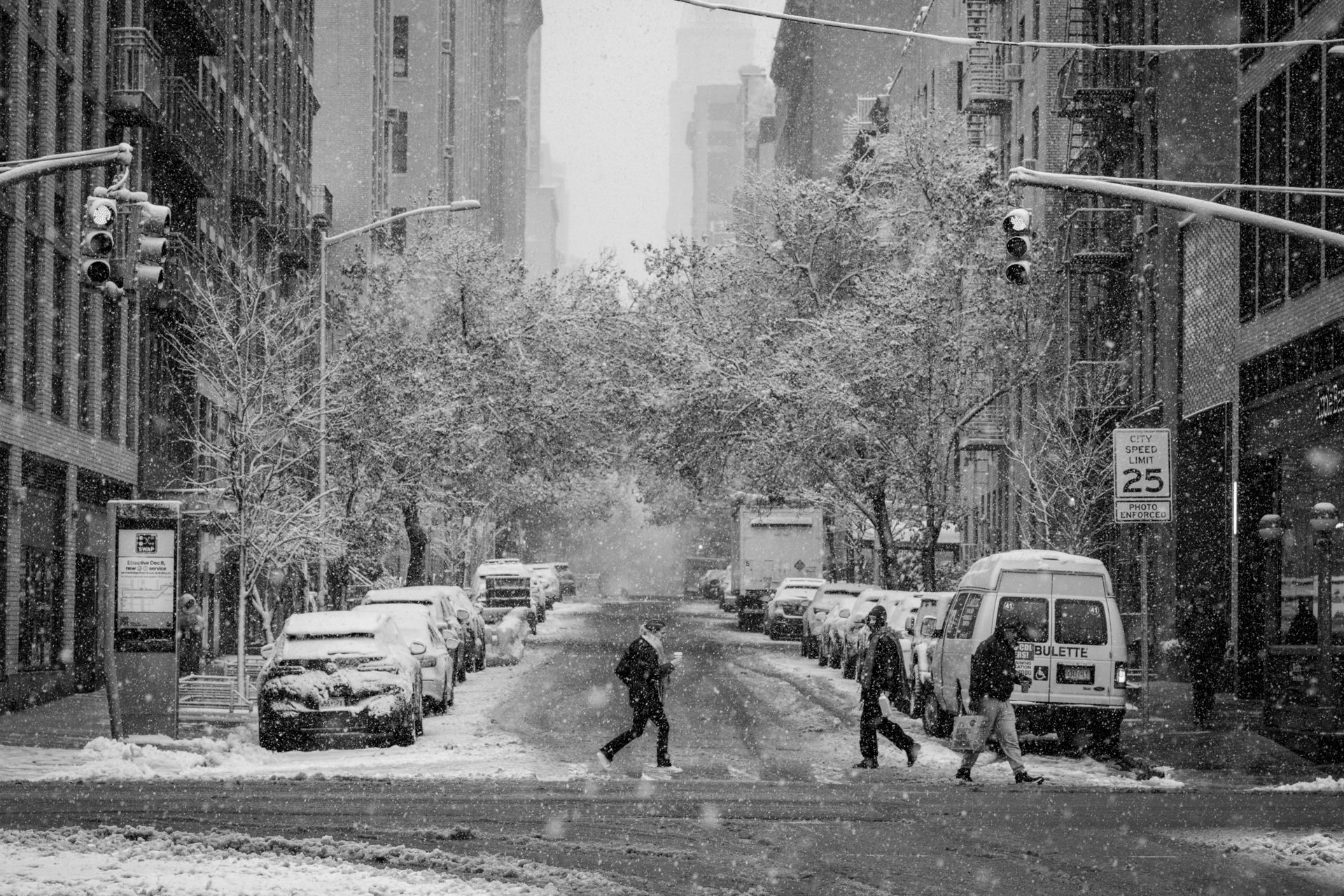
Three years ago, I made one big subtraction from my own life: I moved on from my career at B&H Photo to return to Suspect Photography, pushing our workshops and diving deeper into photographic learning. In particular, I really immersed myself in street photography. I’m very happy with where my street work has gone over the past couple of years.
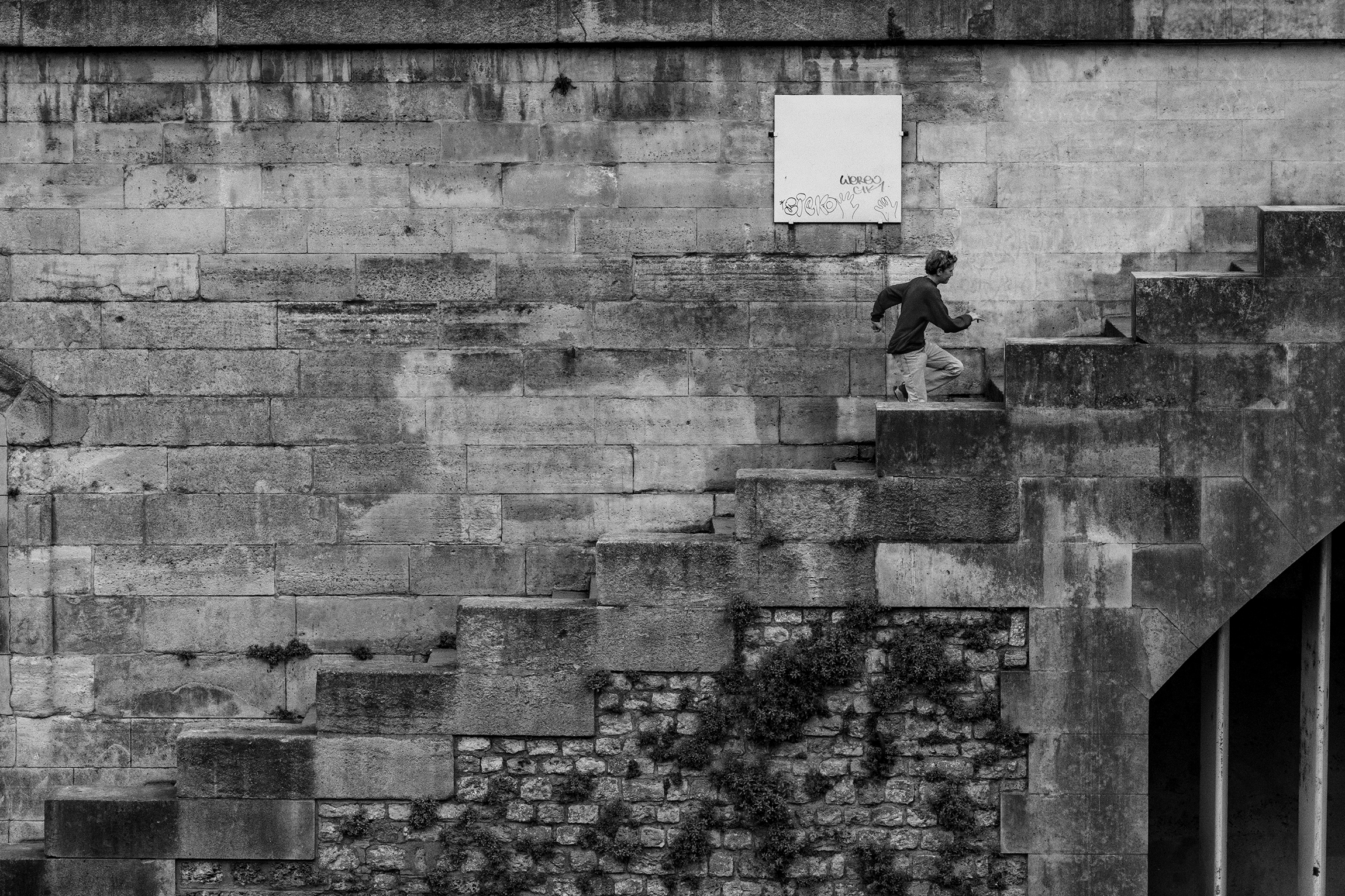
That shift got me thinking about the service Suspect Photography provides and who it serves.
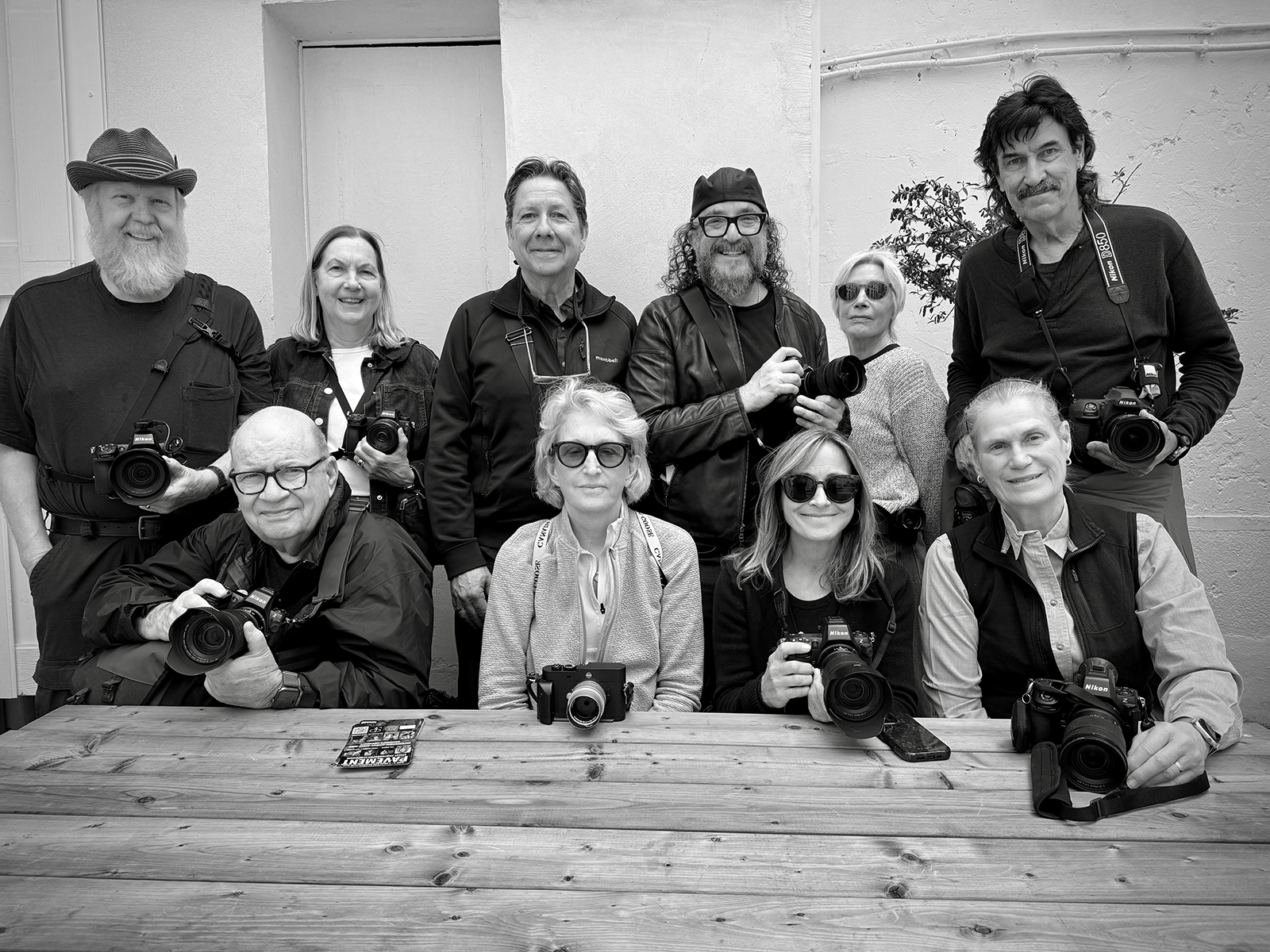
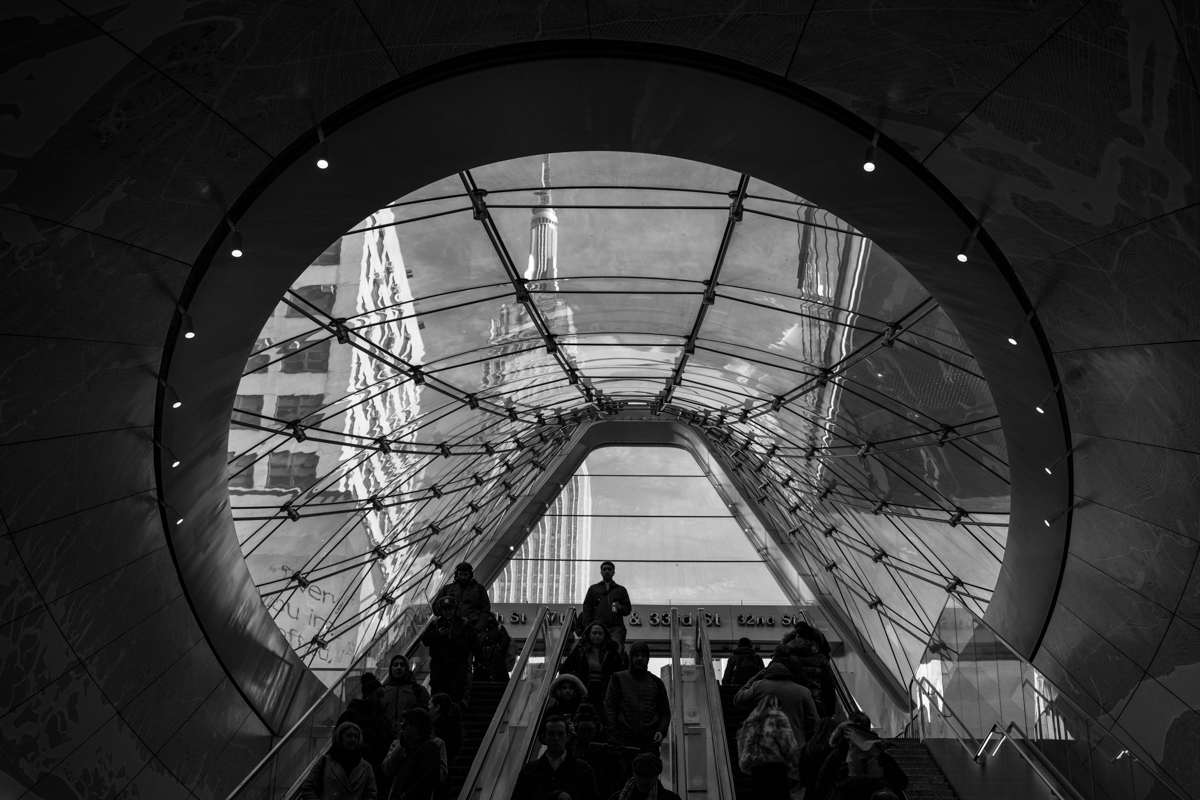
Arguably, my main demographic is retired boomers. They have the two tangible things needed to take a workshop: time and money. But the intangible thing they bring is a deep passion for photography. When you retire, you experience a major subtraction of daily structure, work, and routine. But getting up and getting out with your camera every day offers a powerful counterweight. Taking a workshop or traveling to places like Normandy, certain corners of Paris, or 6th Street in the Village to find hidden portholes outside the IFC Center where you can watch films from the sidewalk, those are real additions.
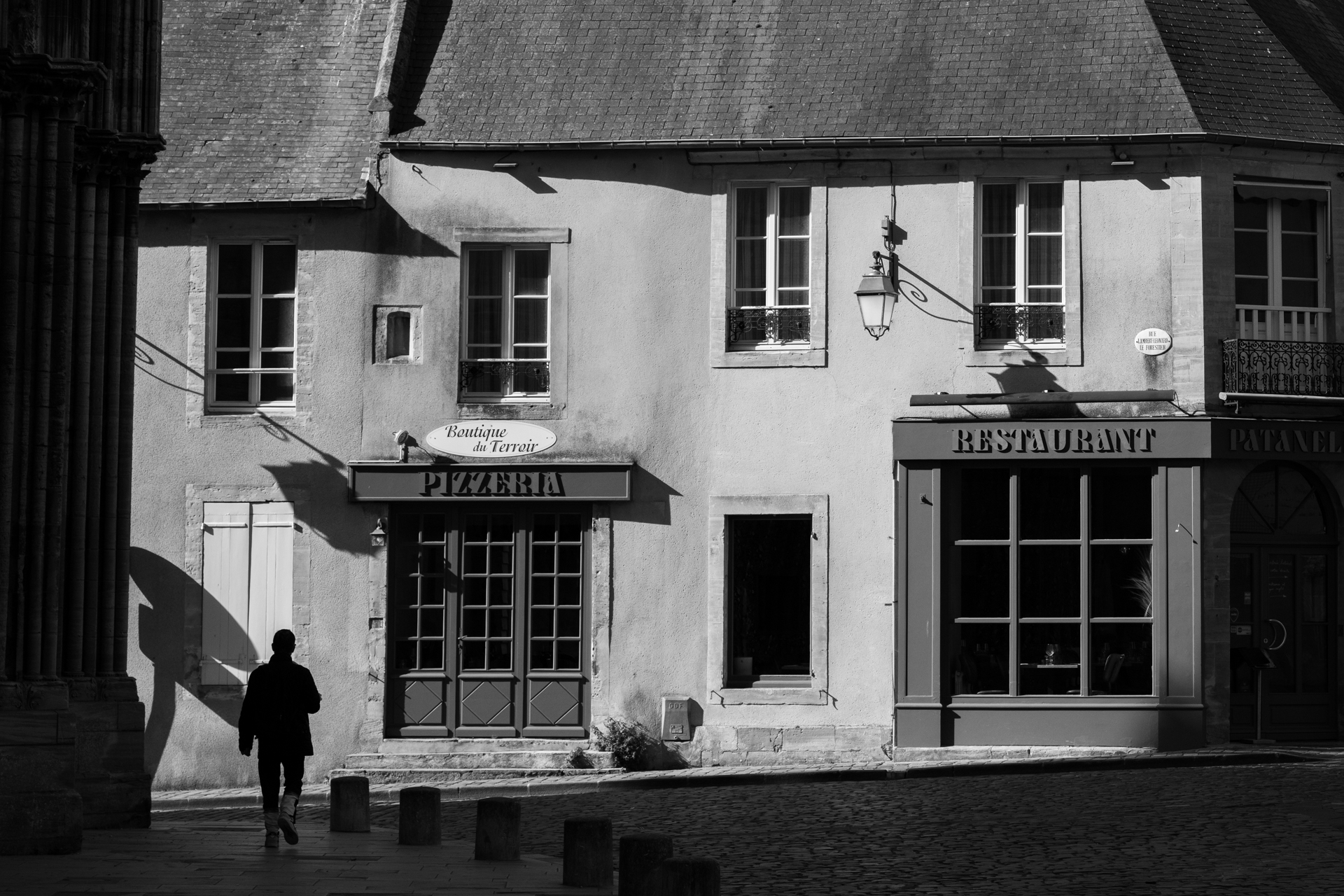
Walking miles on the pavement, carrying your gear, reacting to light and people, it’s an aerobic, physically fit, and mentally stimulating lifestyle. It keeps your mind sharp and your body moving.
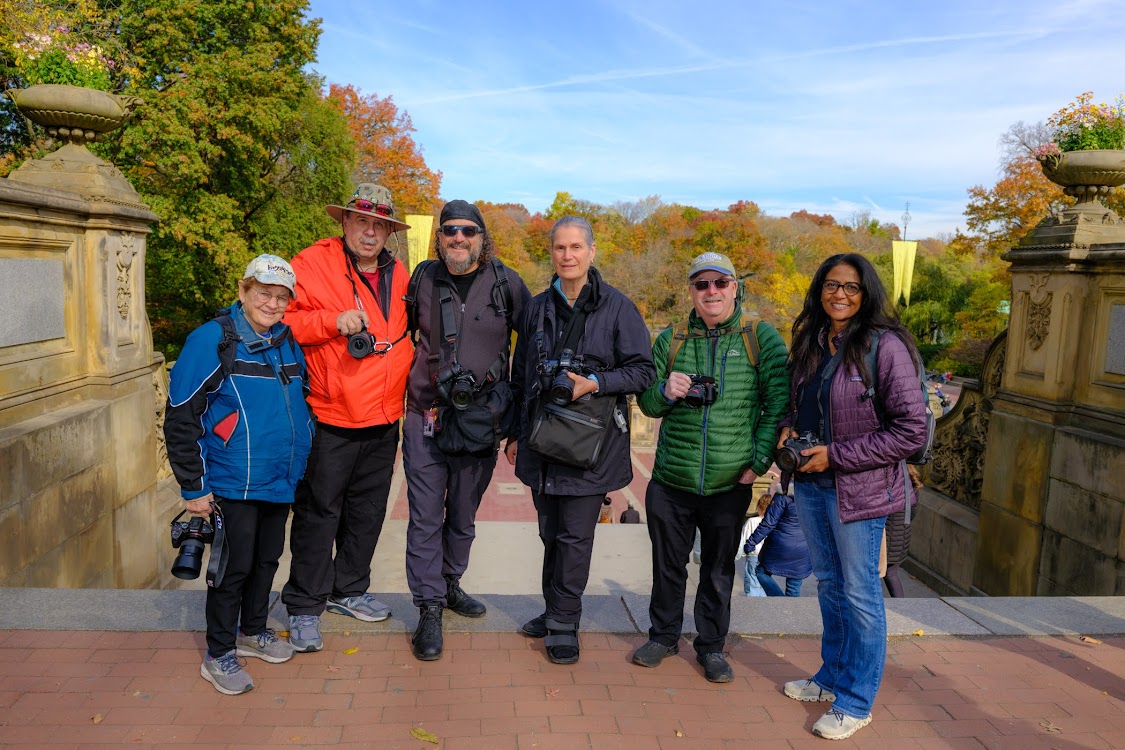
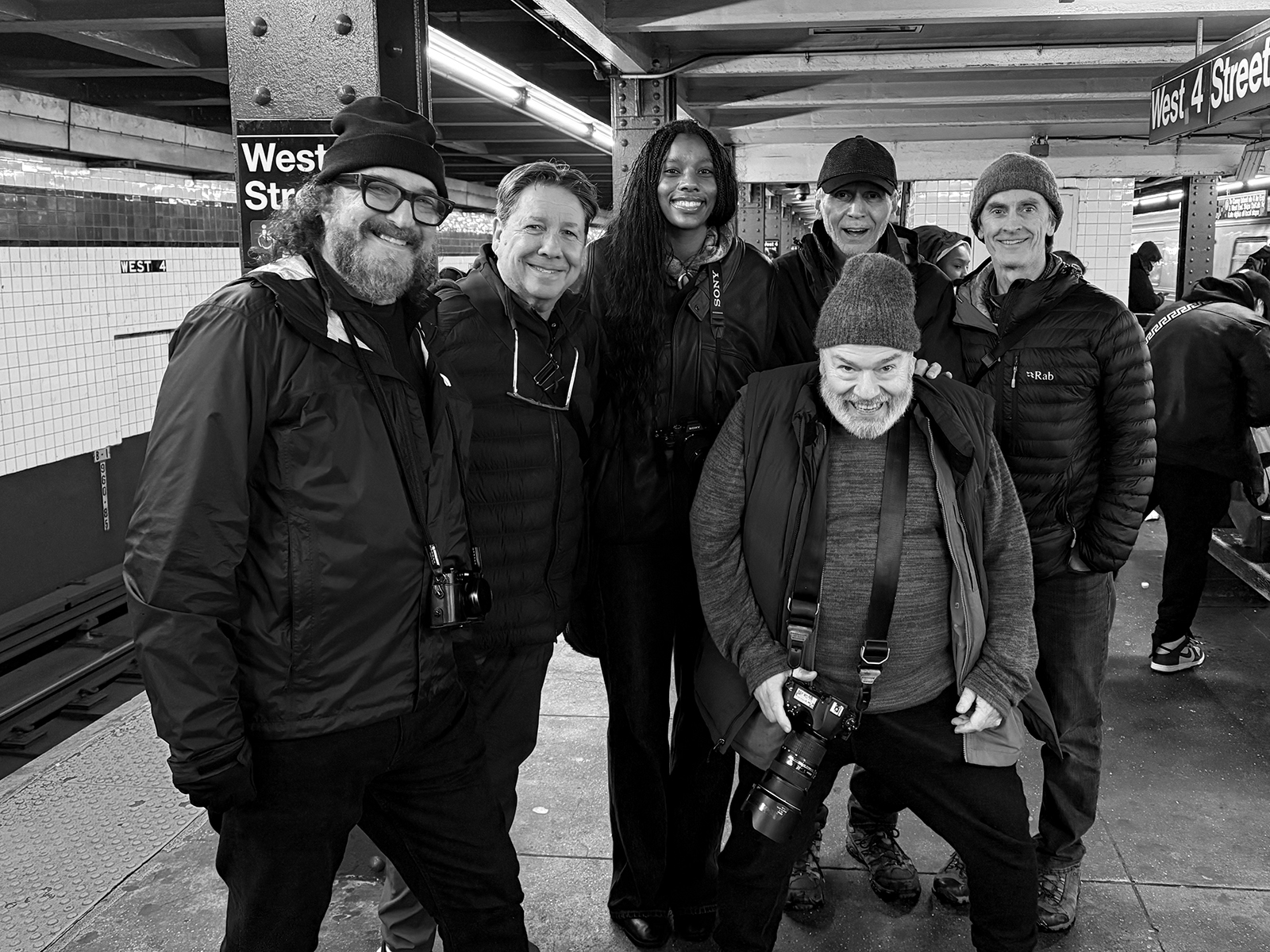
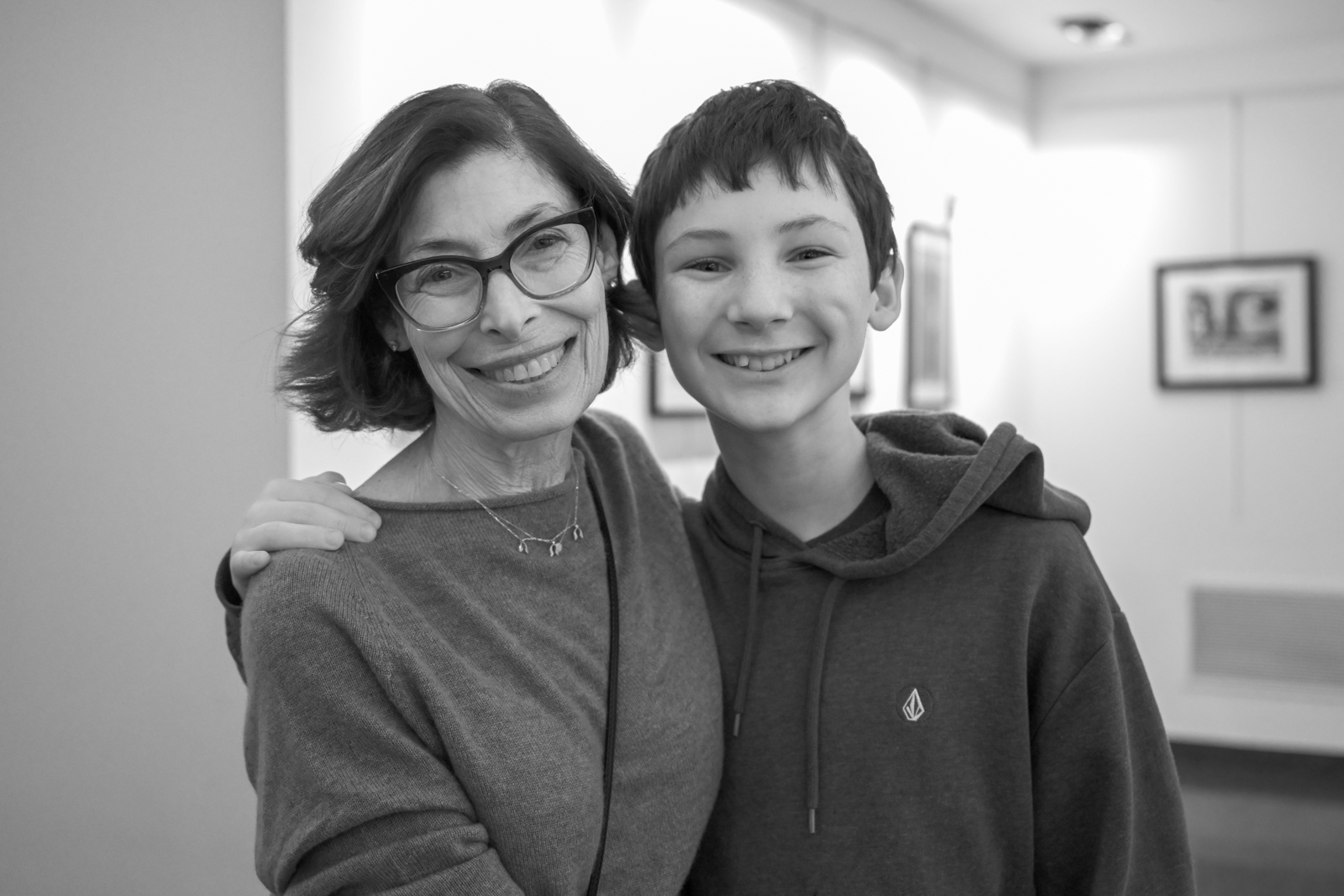
Beyond the health benefits, there’s another lovely addition: community. It’s hard to make new friends as you get older. You usually make your core friends when you’re younger and actively engaged. But on a workshop, people share meals, walk miles together, exchange emails and phone numbers, and become real friends long after the trip ends.
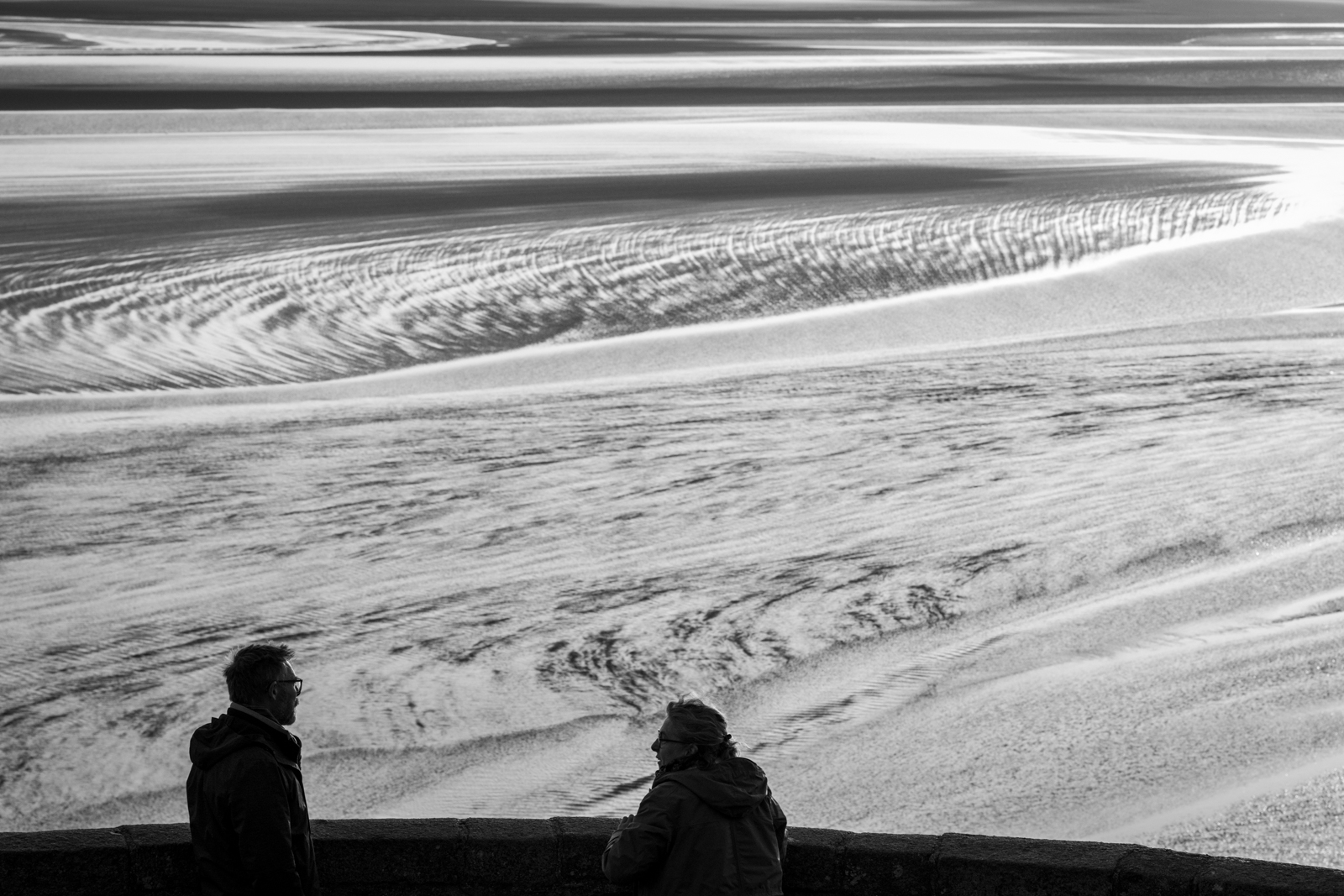
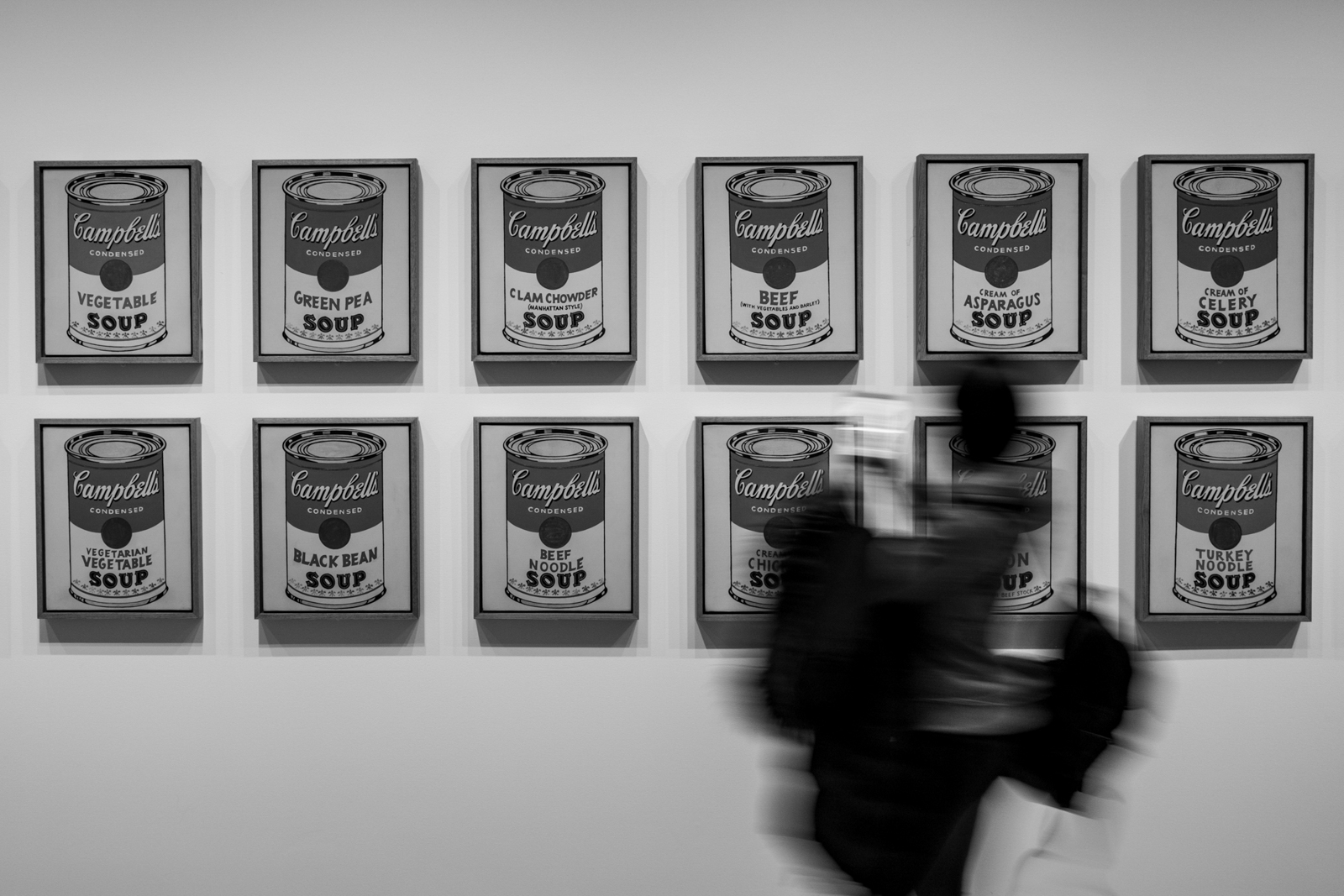
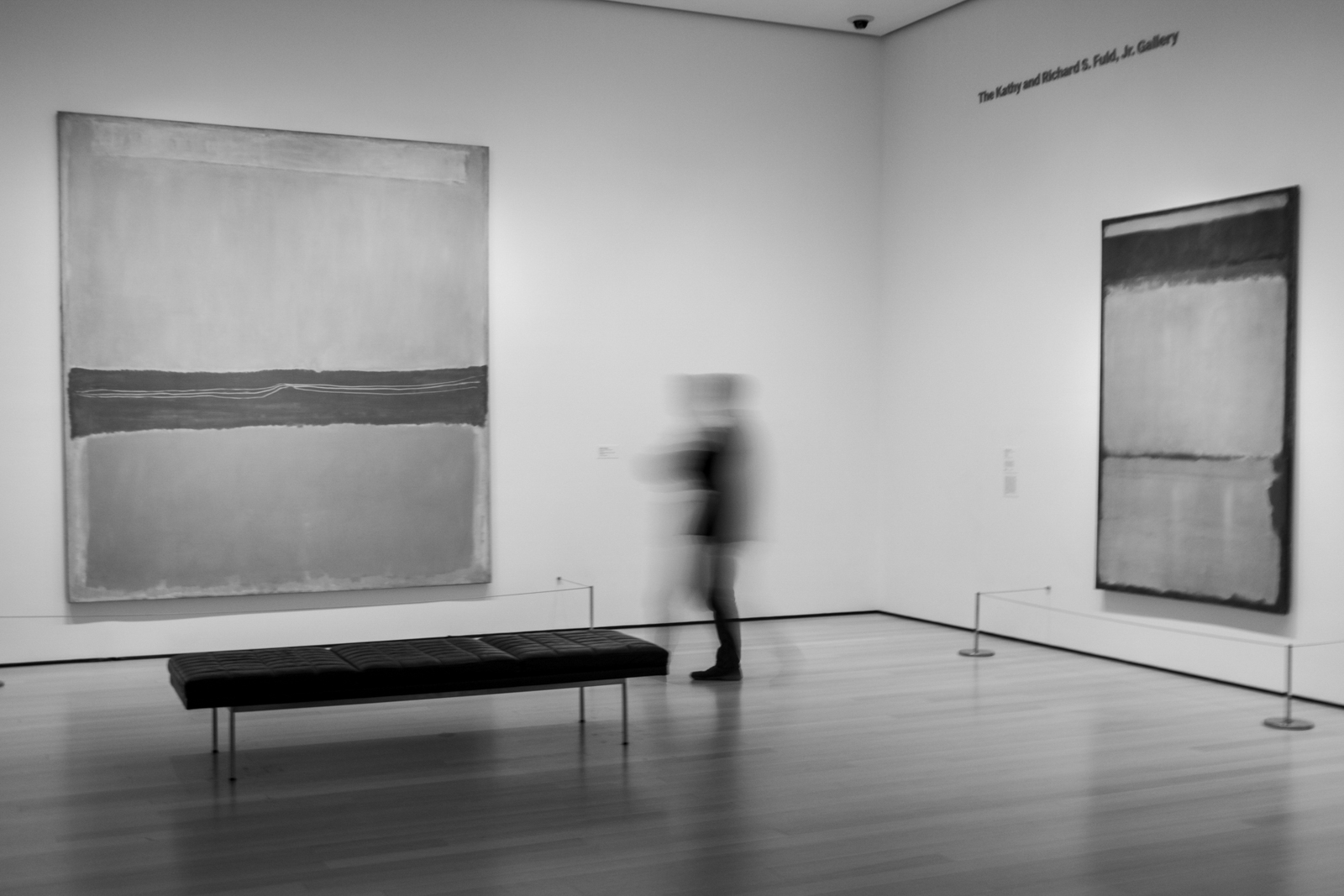
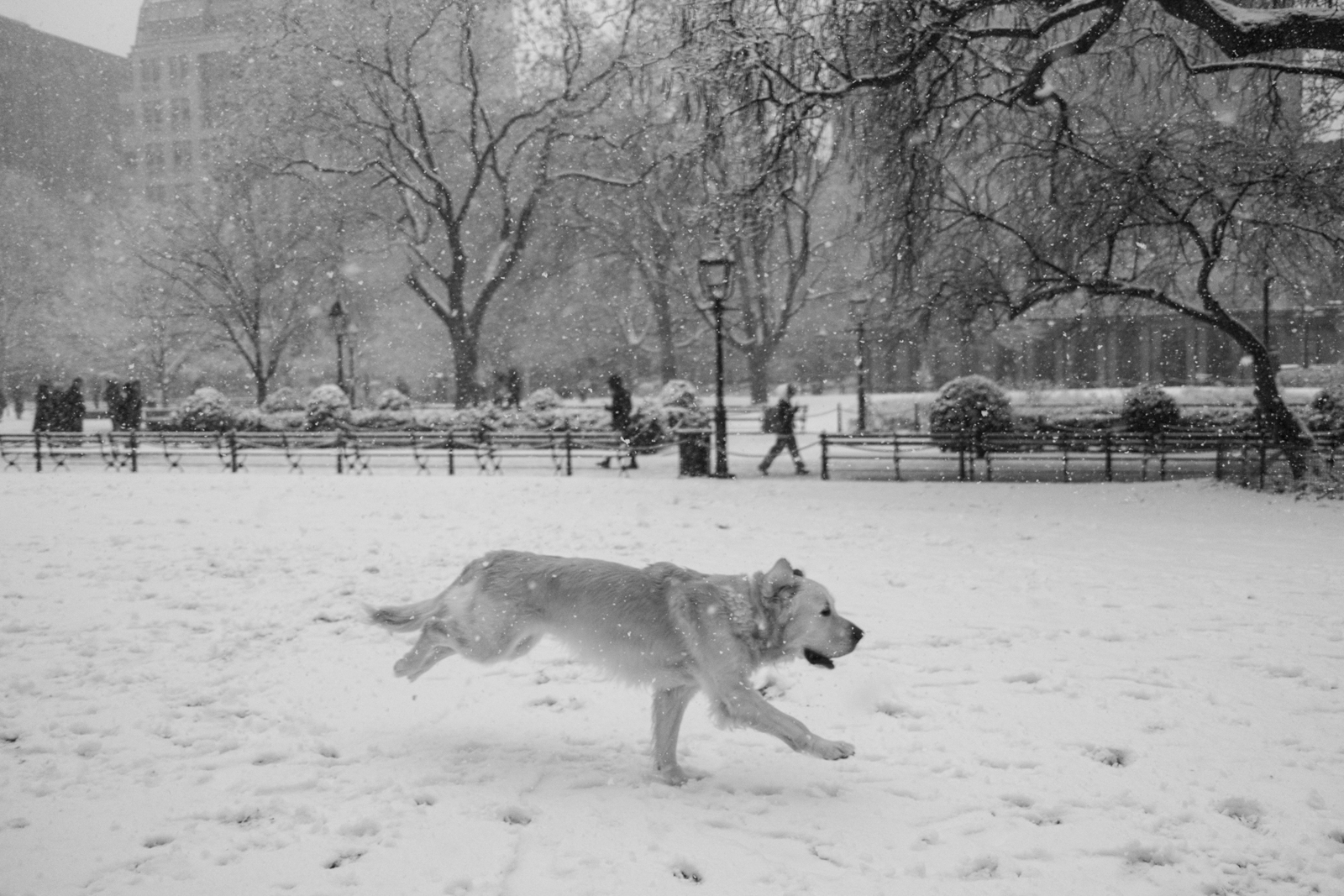
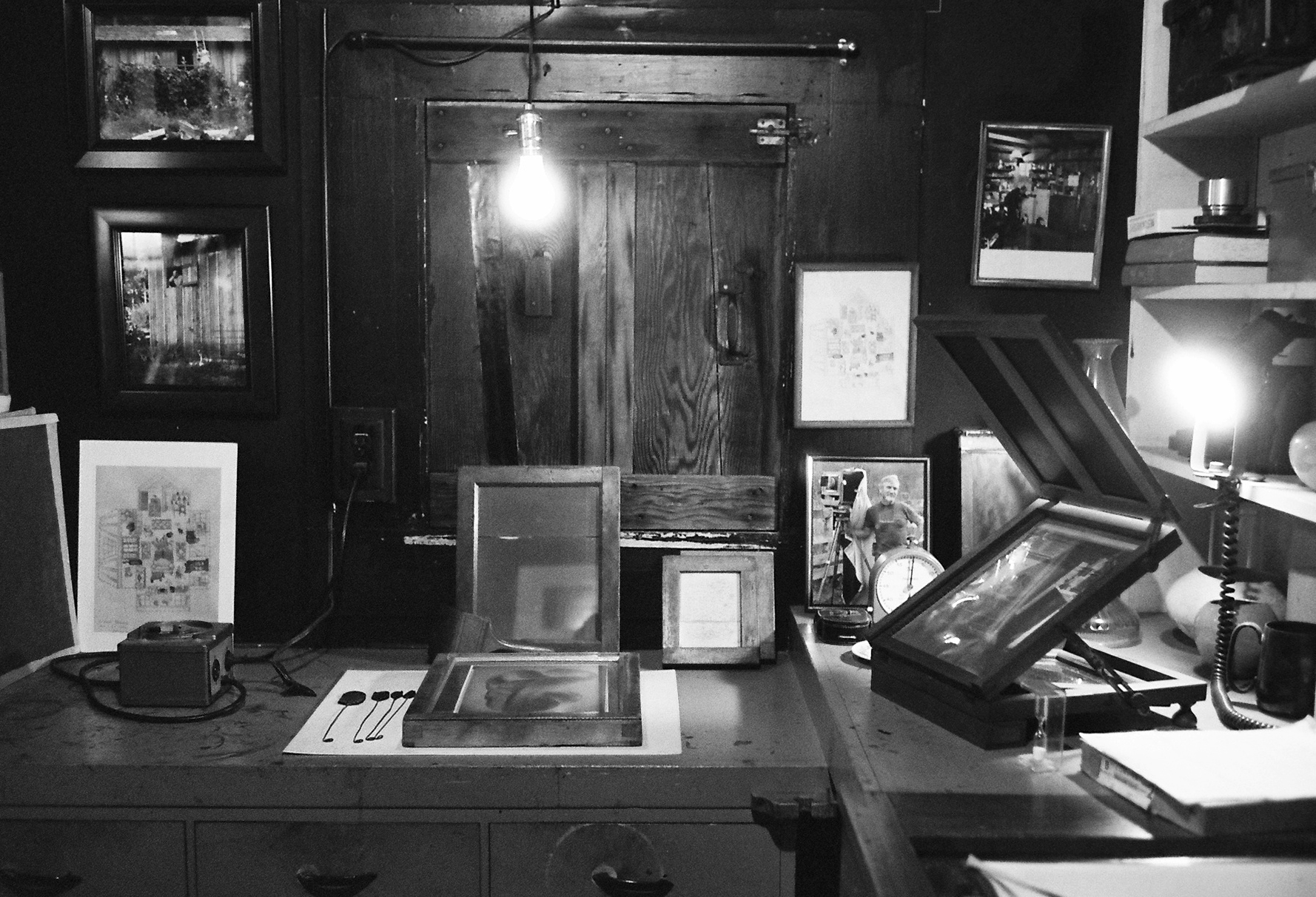
When you multiply all of this with photography, the additions keep giving. First, there’s the immediate physical thrill of being out in the world, having new experiences, and making new memories. Then comes the lasting echo when you return home to edit the work, print the images, create a book, or revisit those places through your photographs years later. Ultimately, it becomes a living legacy where the work lives on long after the moment has passed.
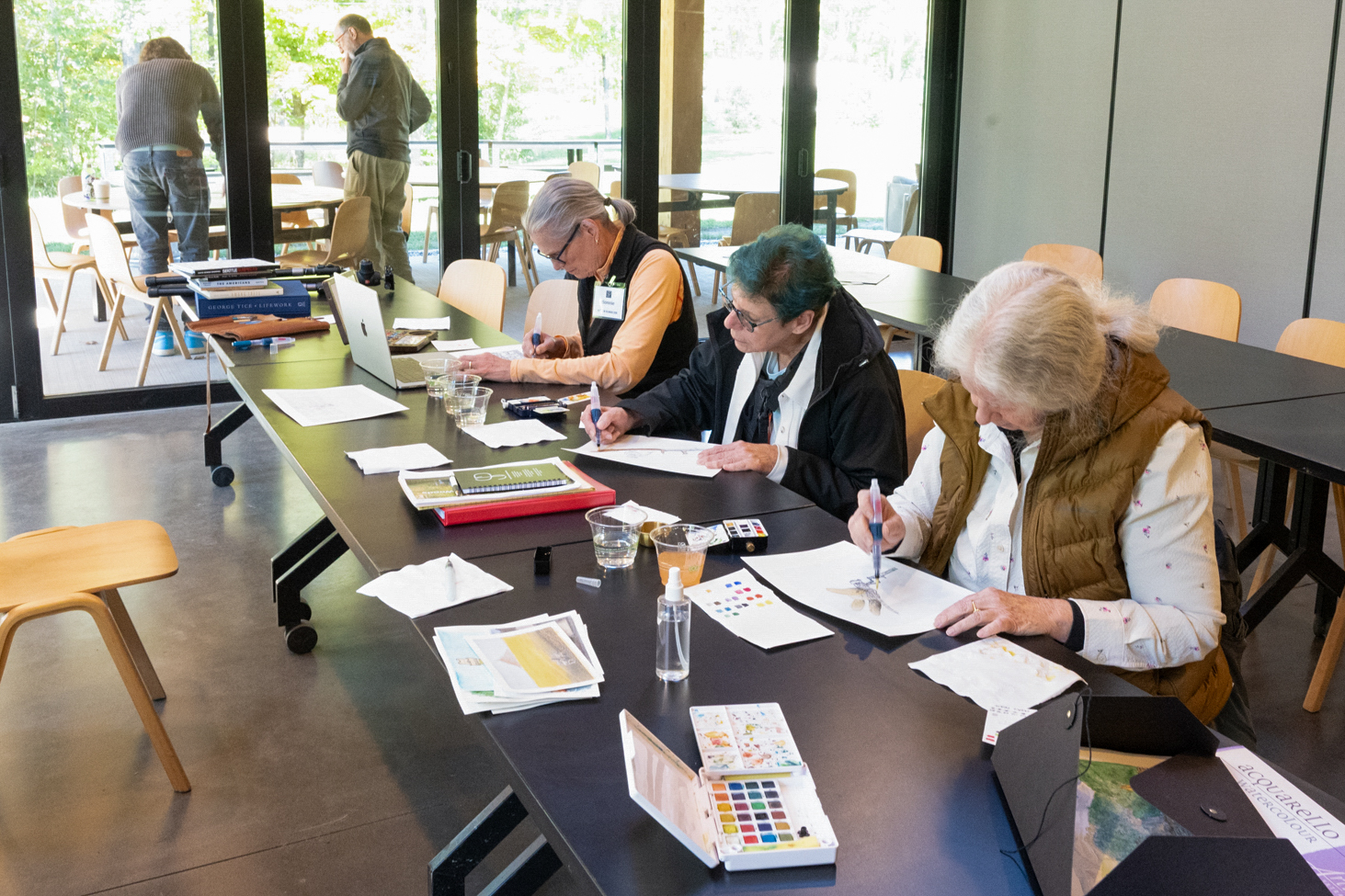
All these additions way outweigh the subtractions we face as we age. We have to balance life’s natural subtractions with deliberate additions so we enter the last trimester of our lives fulfilled, active, and continually making new memories.
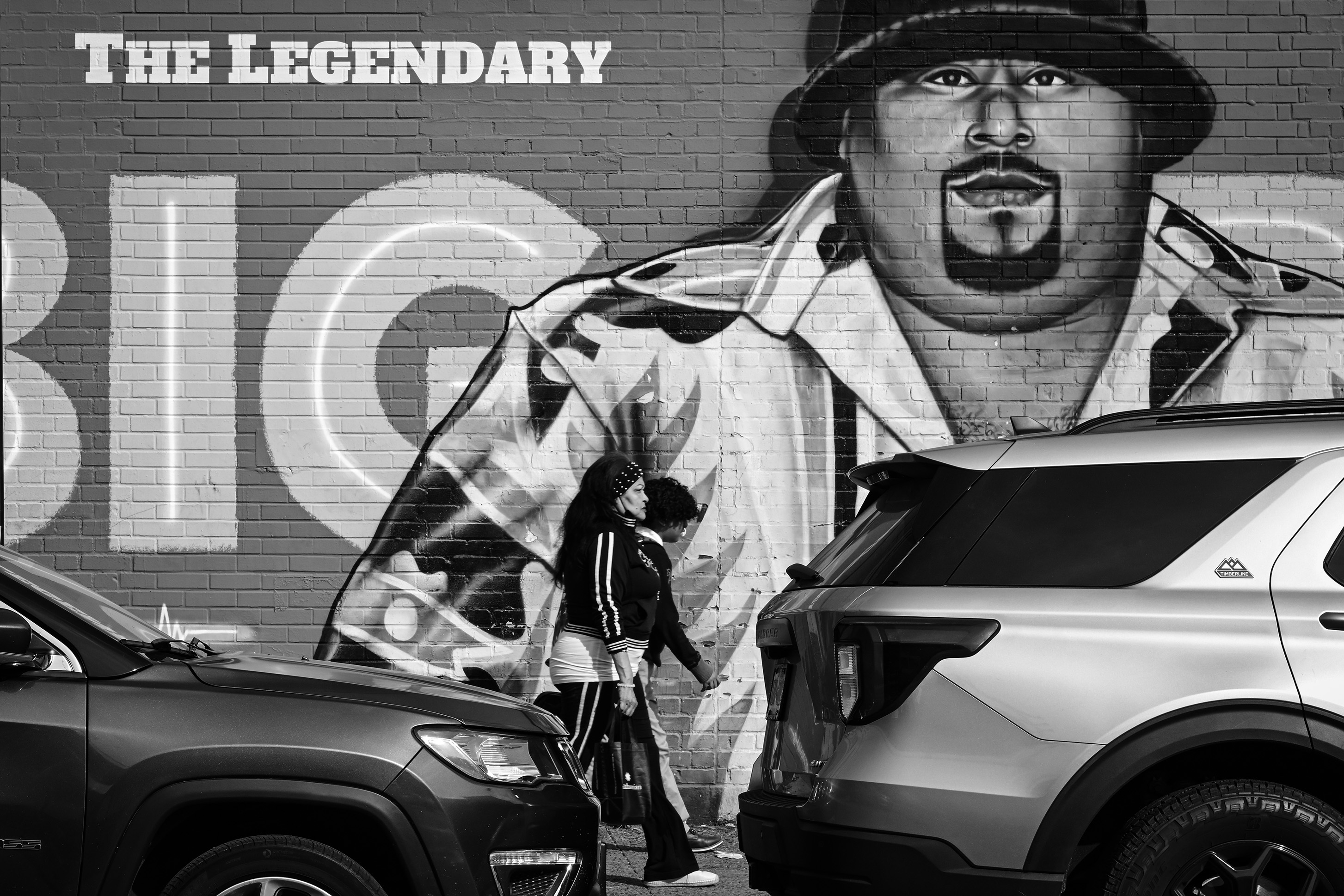
Investing in yourself, getting out with your camera, and engaging with the world isn’t just about making pictures. It’s a wonderful lifestyle to move forward with.
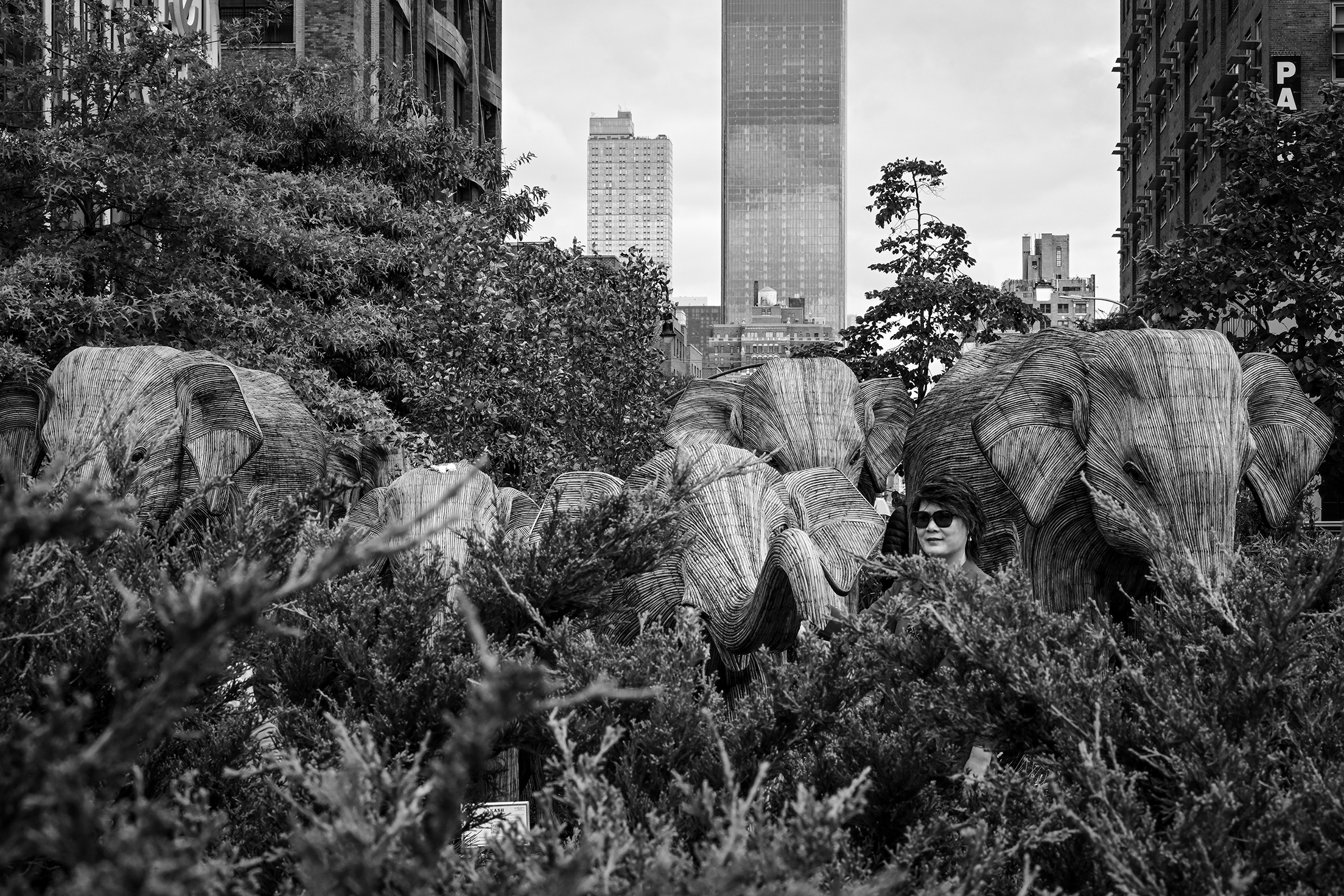
Don’t subtract. Add. In a world of subtractions, be the addition.
~David Brommer
PS If you are excited about these prospects, head on over to Suspect Photography Education and book yourself a workshop in a really cool place with David!