Suspect Photography

words and images from david george brommer

Tag: sony

Exploring NYC’s Fall Colors: A Photography Workshop

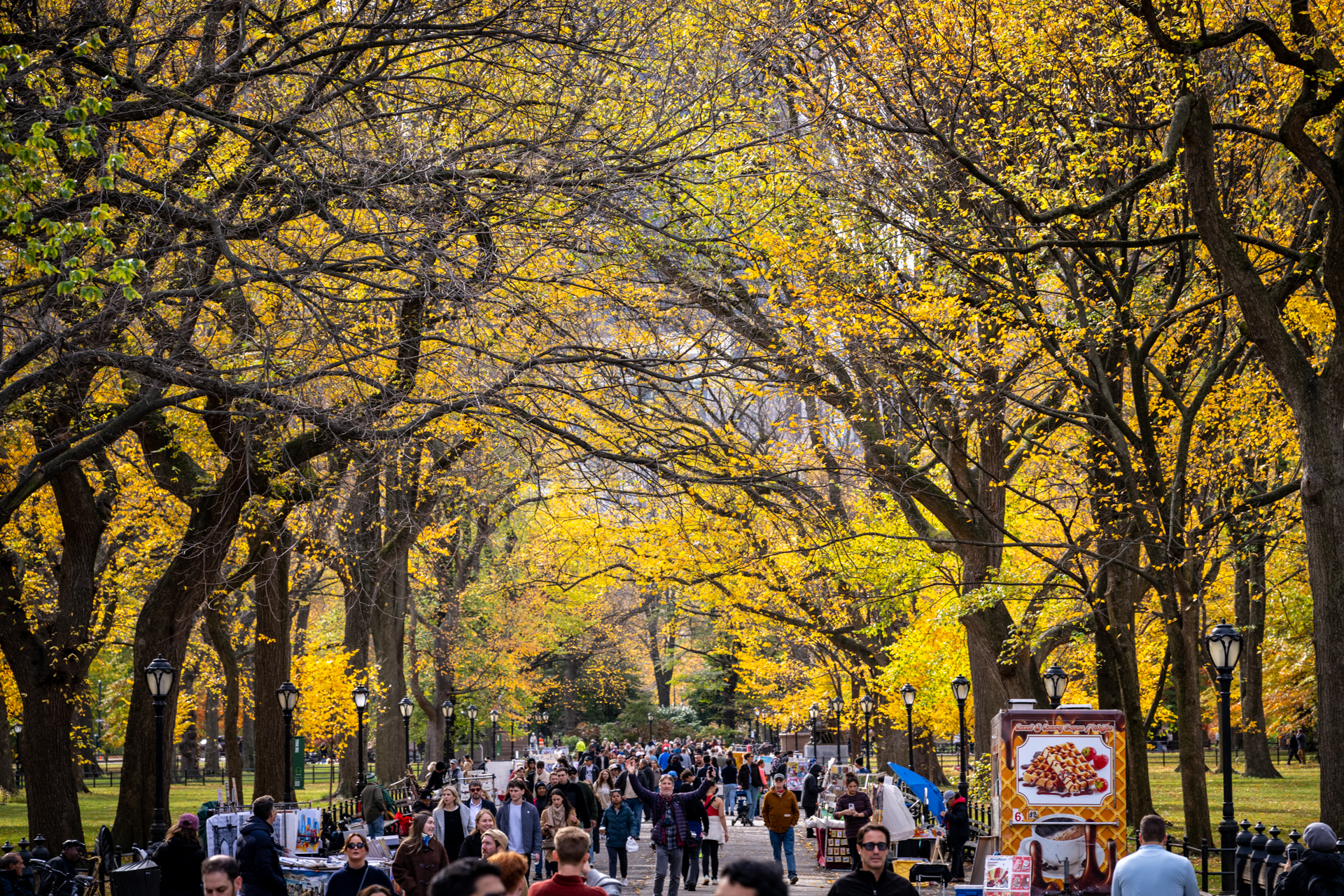
the Mall at Central Park is legendary

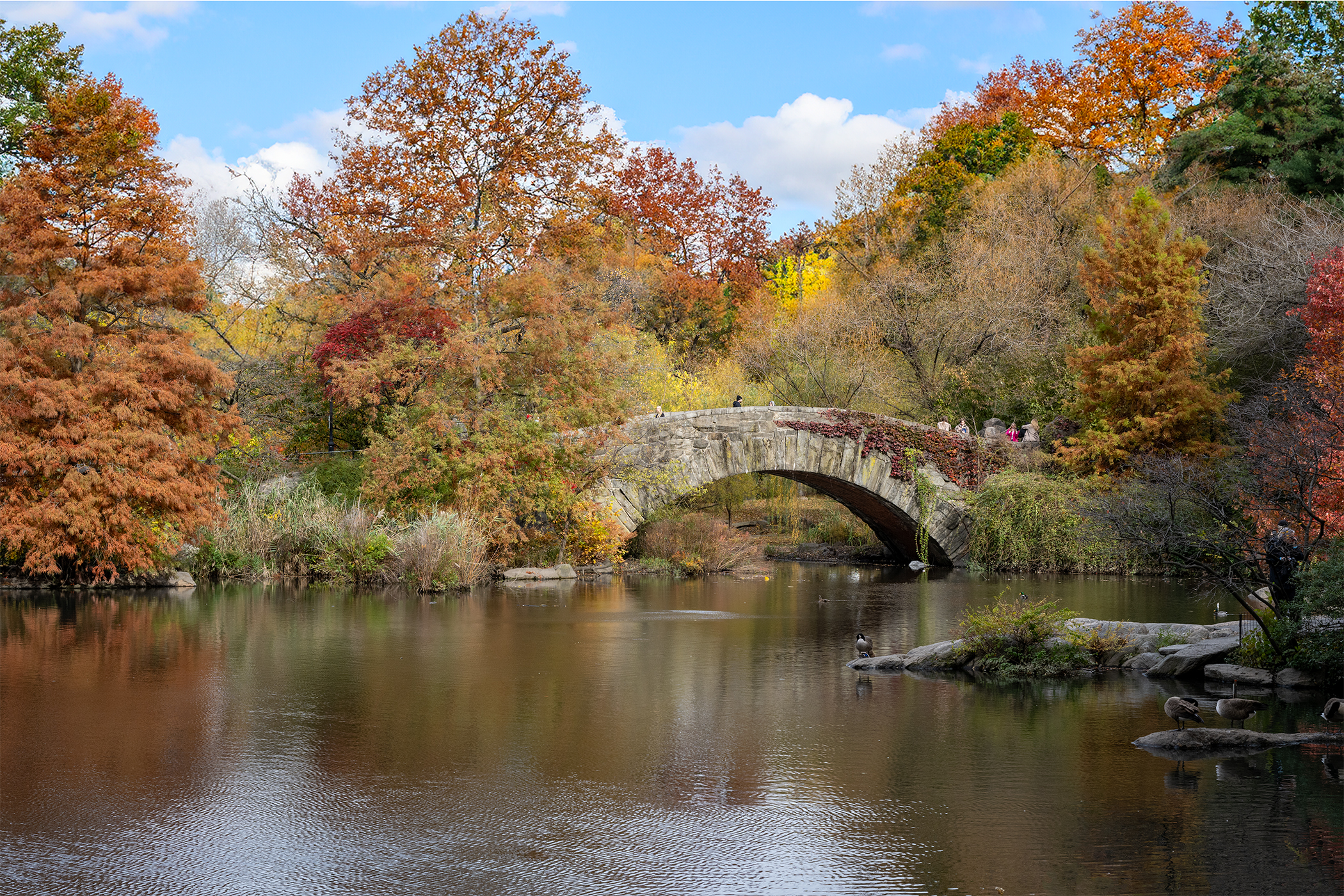
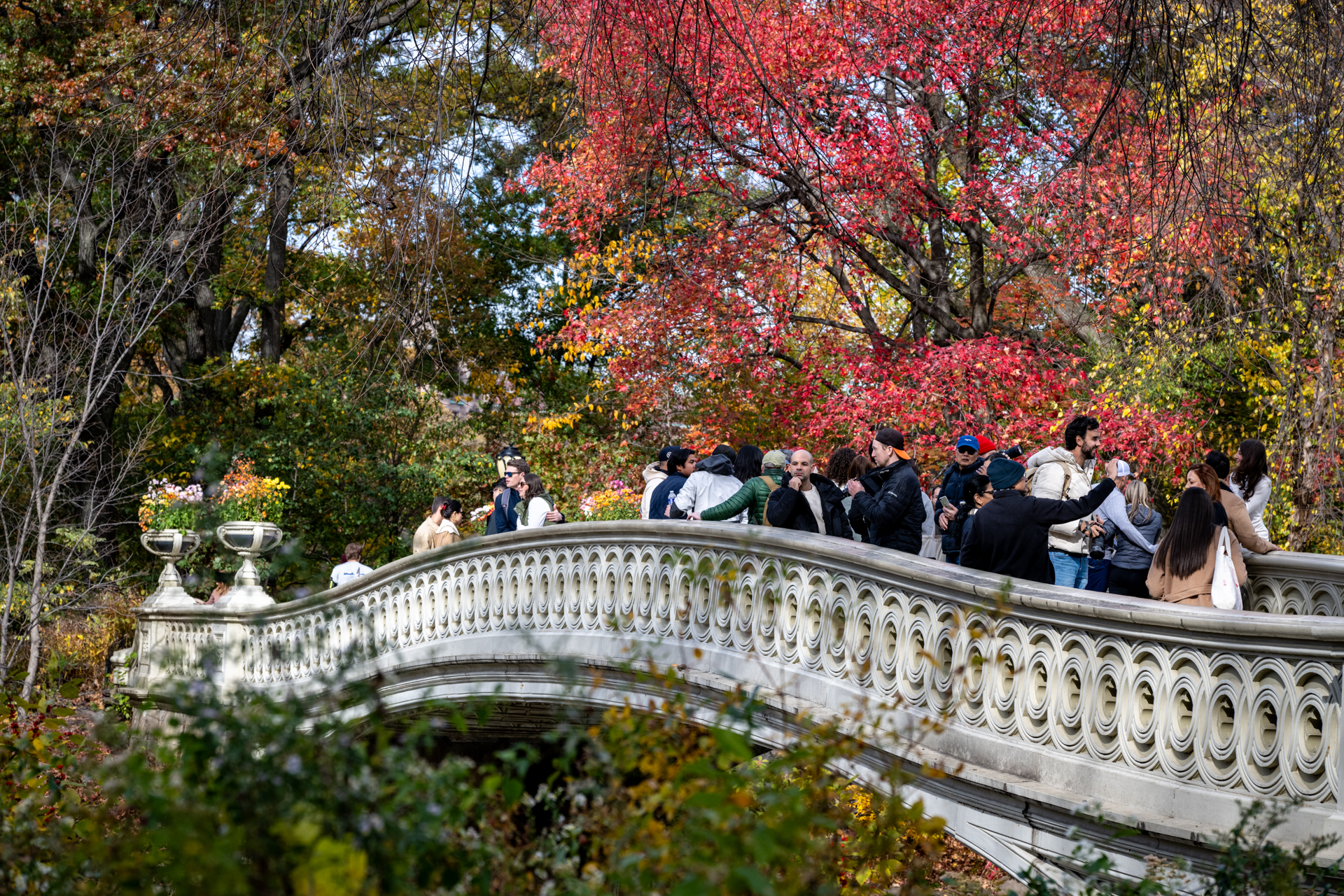
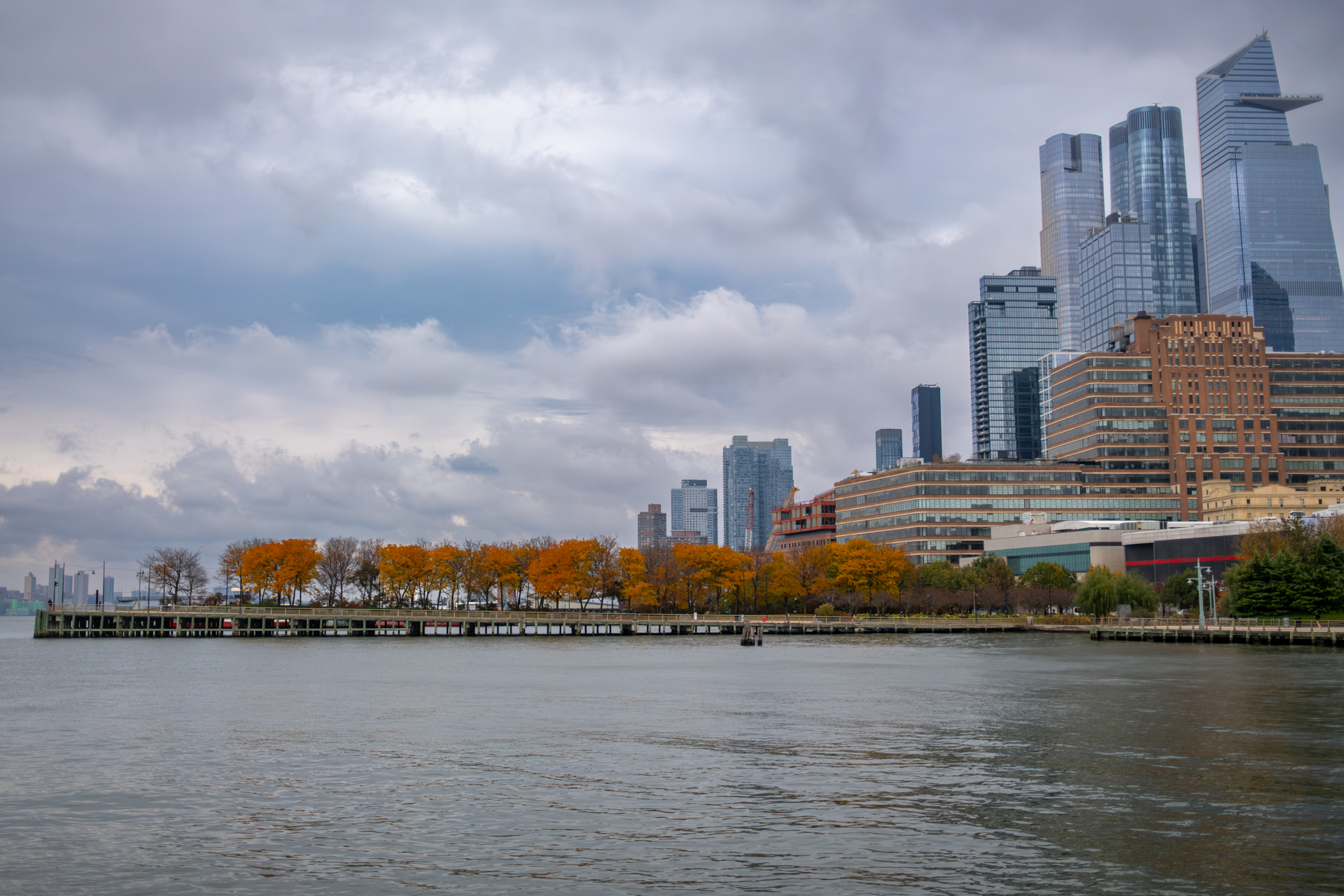
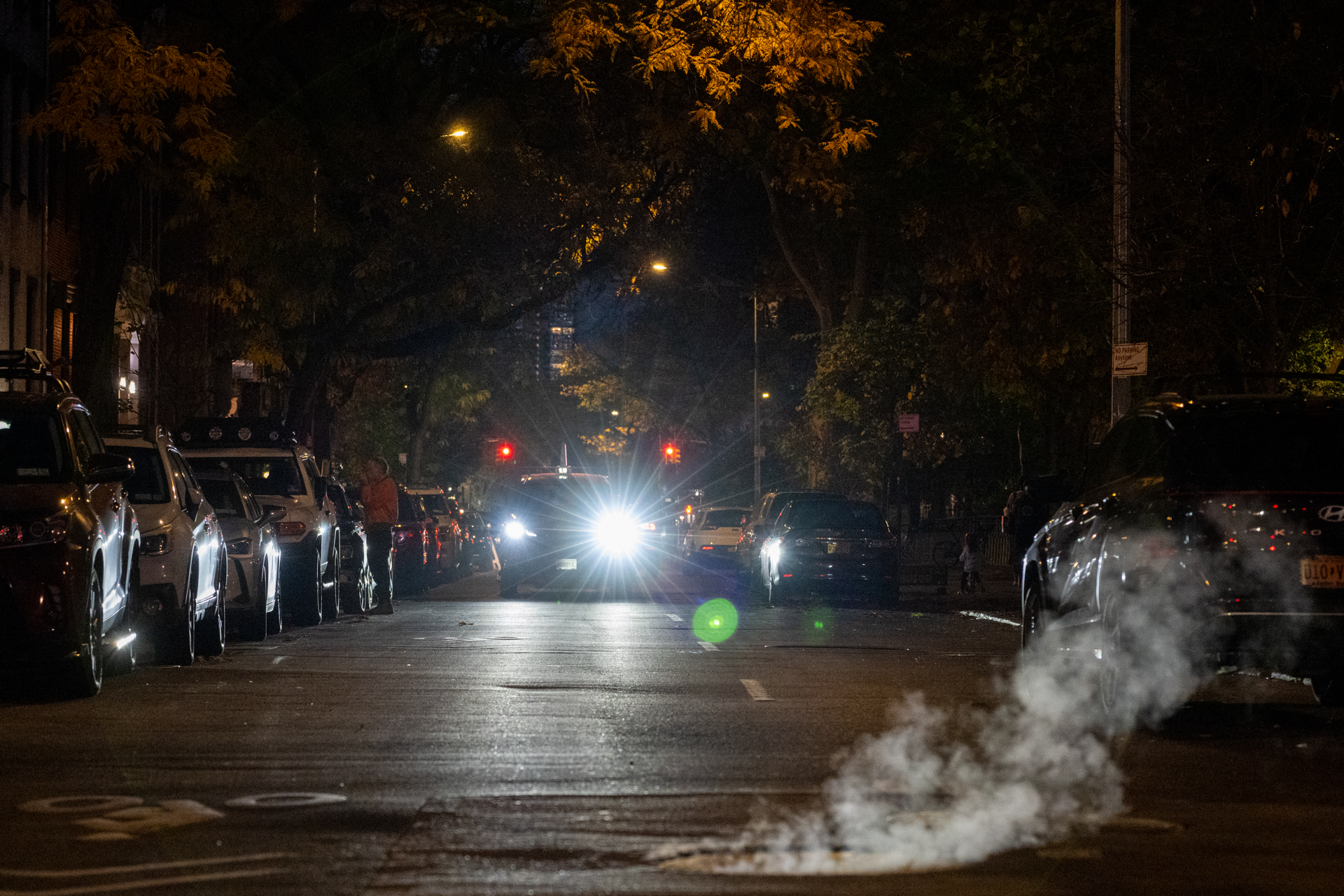
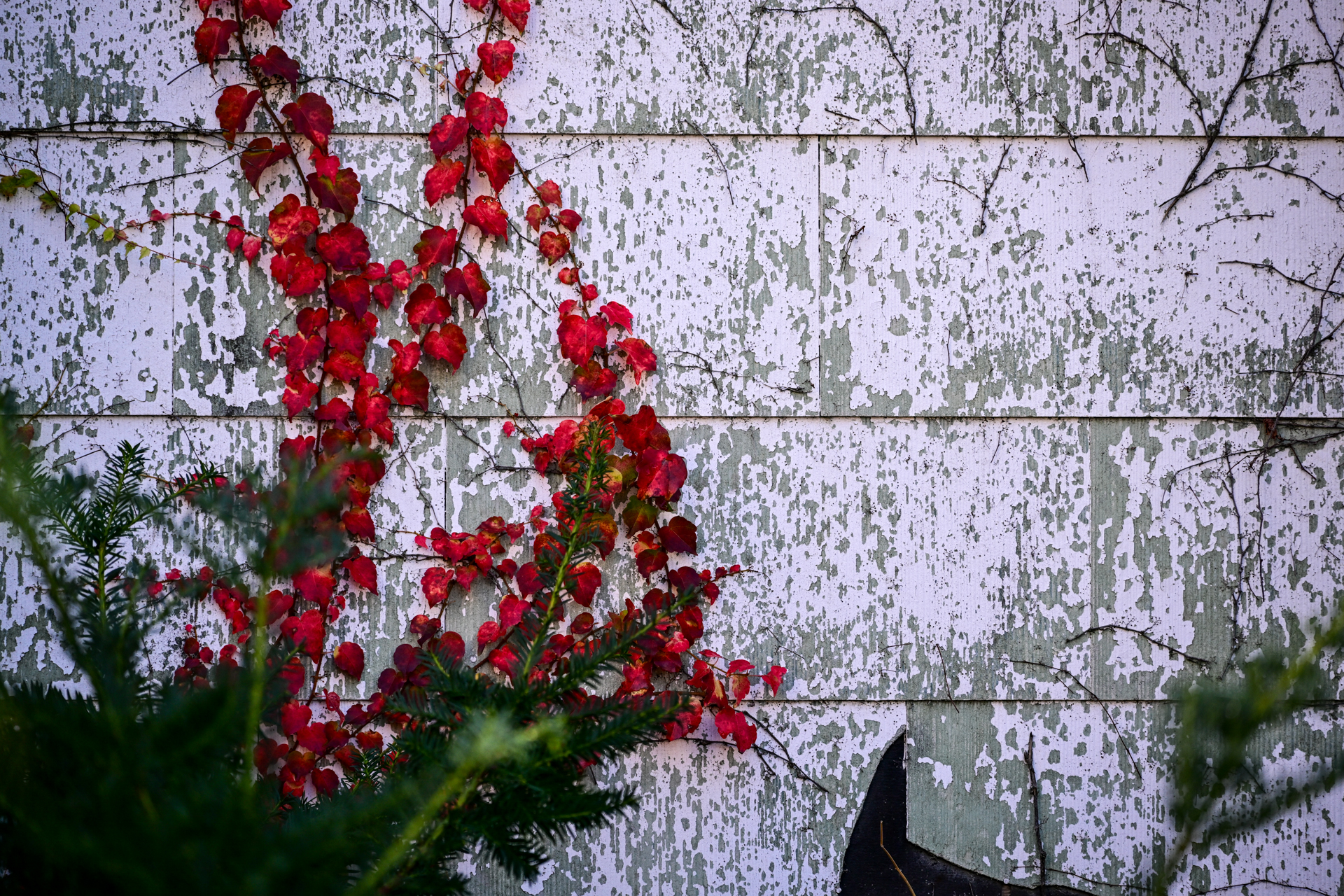
The Inaugural NYC Fall Colors and Shades workshop was an absolute triumph! Our class of five intrepid photographers crossed islands and boroughs, immersed in the brash display of predominantly yellow and deep red foliage that defined the season. This workshop was designed to challenge you to see the city in a new, integrated light, focusing on city parks (both large like Central Park & Governors Island, and micro-sized). We spent our days mastering two distinct and powerful aesthetics: the timeless drama of black & white and the stunning visual feast of fall color, capturing the narrative of the city through graphic lines, stark contrast, and the warm, rich hues of autumn.

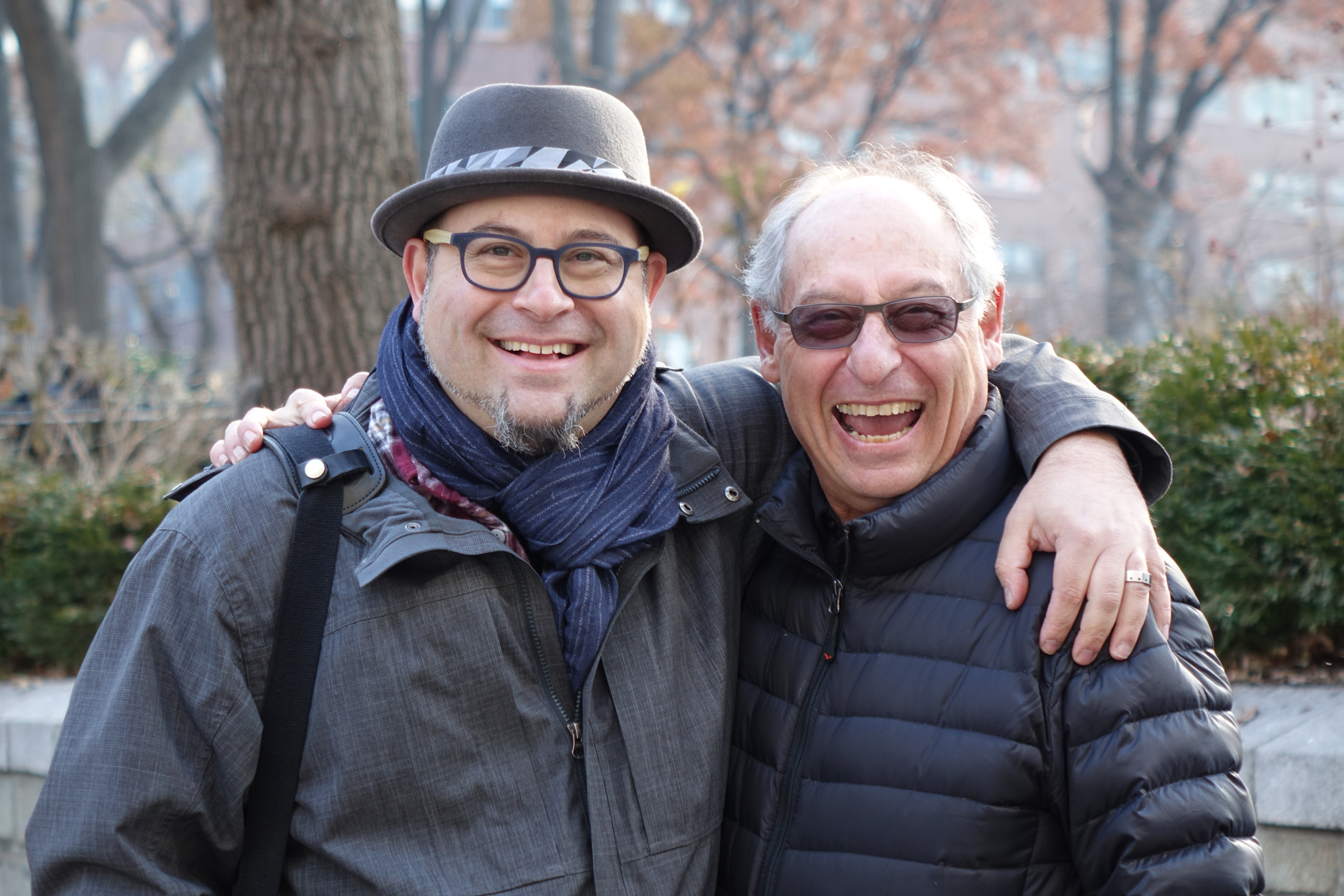
Brandon Remler showed up and did our class picture in infra red

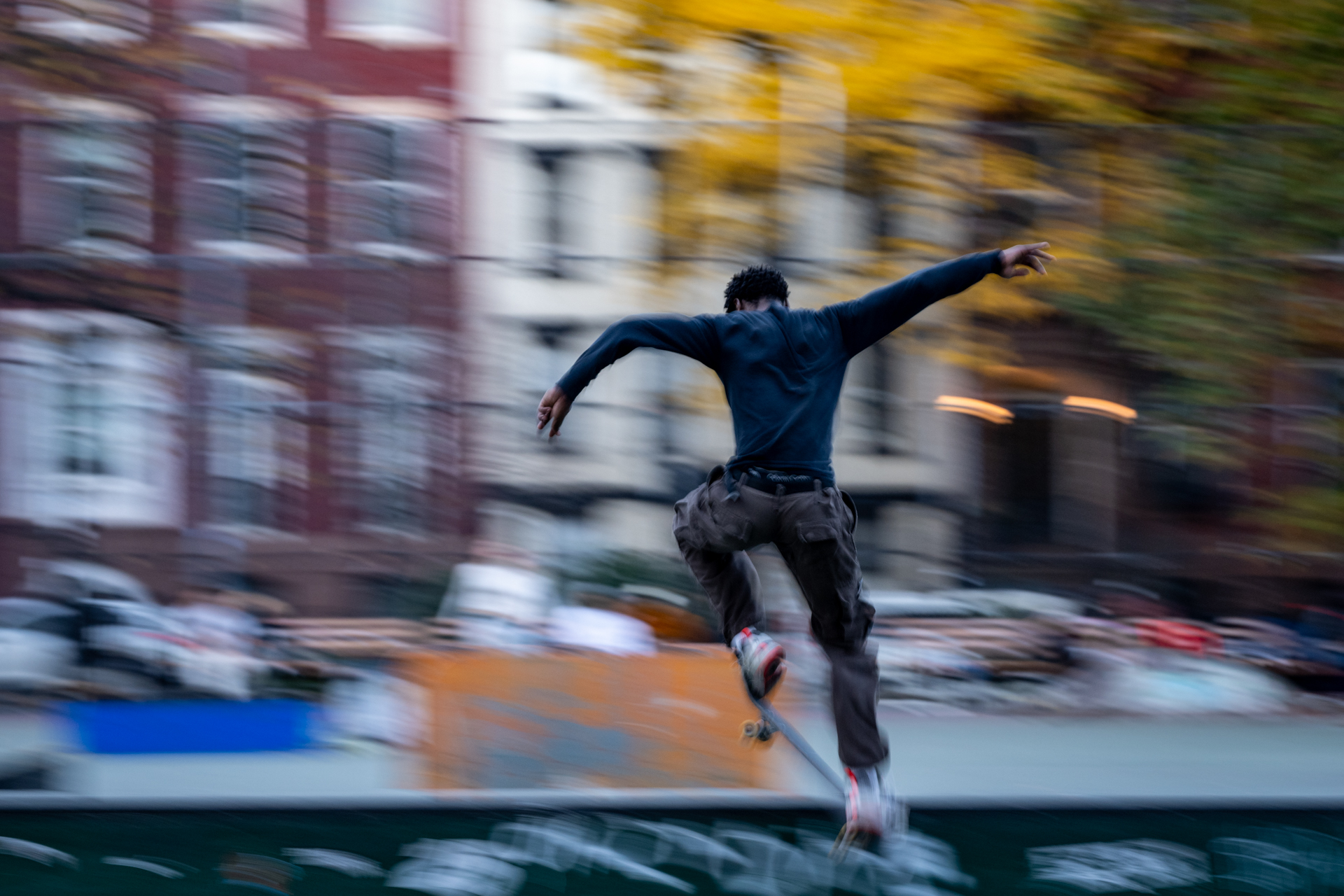
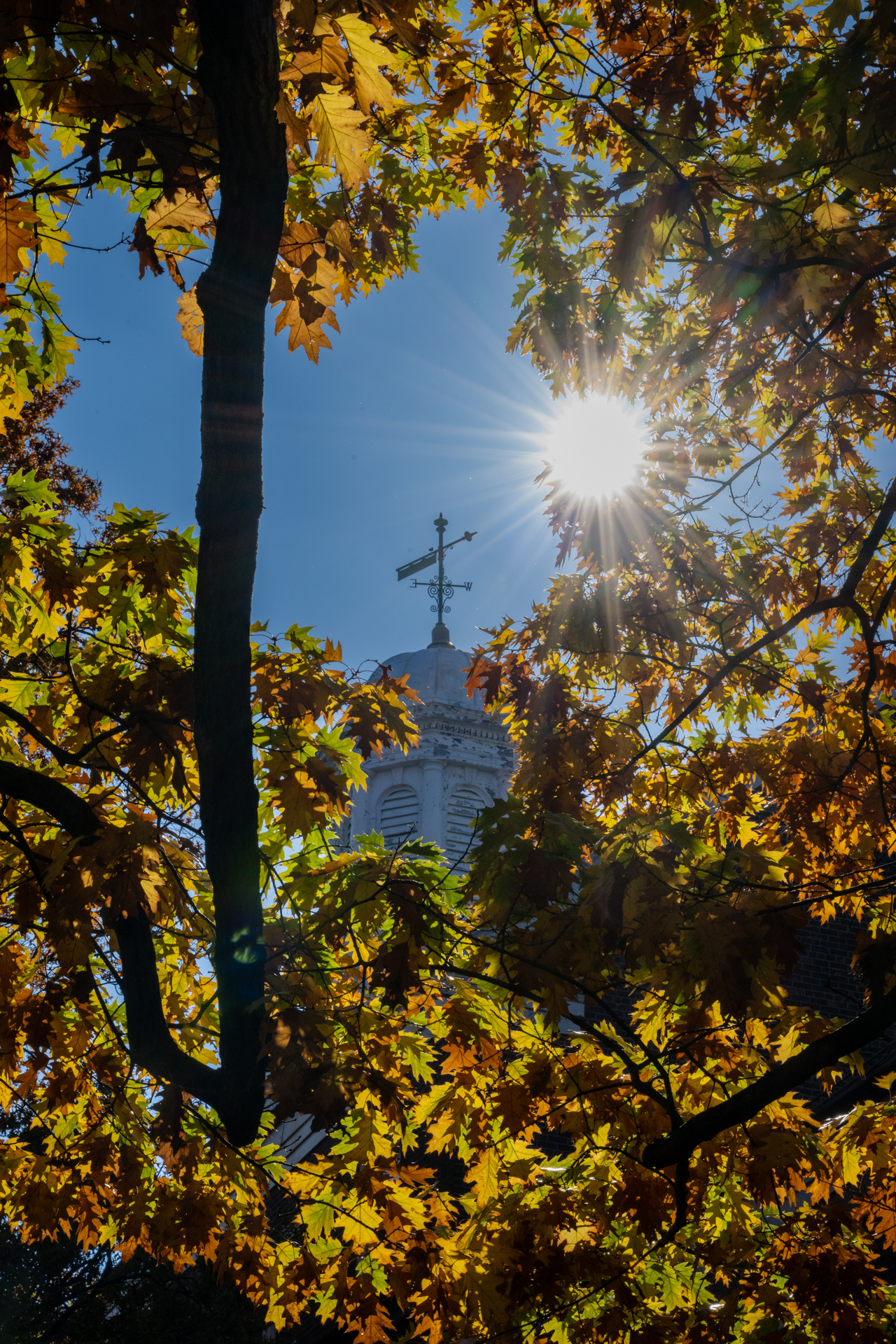
What an amazing three days! We concluded our journey through NYC’s most beautiful and compelling locations with a gallery-ready collection of stunning images. Our core focus on blending landscape and street photography allowed us to capture the quiet, timeless grandeur of Central Park’s massive oak trees, only to pivot and frame the fleeting, human moments of urban life. The assignments were met with incredible dedication, showing students expertly incorporating experimental techniques like ICM (intentional camera movement), Pans and specific concepts like thinking in triptych. 

Day One: Park Elegance and Museum Inspiration 

Using the Nikon Z9 14-24 f2.8 & 24-120 f4 made it easy to nail the “postcard” shot

Our first day was a study in classic New York elegance, beginning in Greenly Square and quickly immersing us in the golden light of Central Park. We circumnavigated the lakes, explored the iconic Bethesda Terrace, and captured the classic New York vistas. After a restful lunch, the Man Ray show at the Met provided profound inspiration, shifting our focus to stark contrast and surreal narrative. The evening culminated in capturing the warm, directional light of sunset at Cleopatra’s Needle, ending the day with dramatic, silhouette-ready images.

Day Two: Water, History, and Greenwich Village Grit 

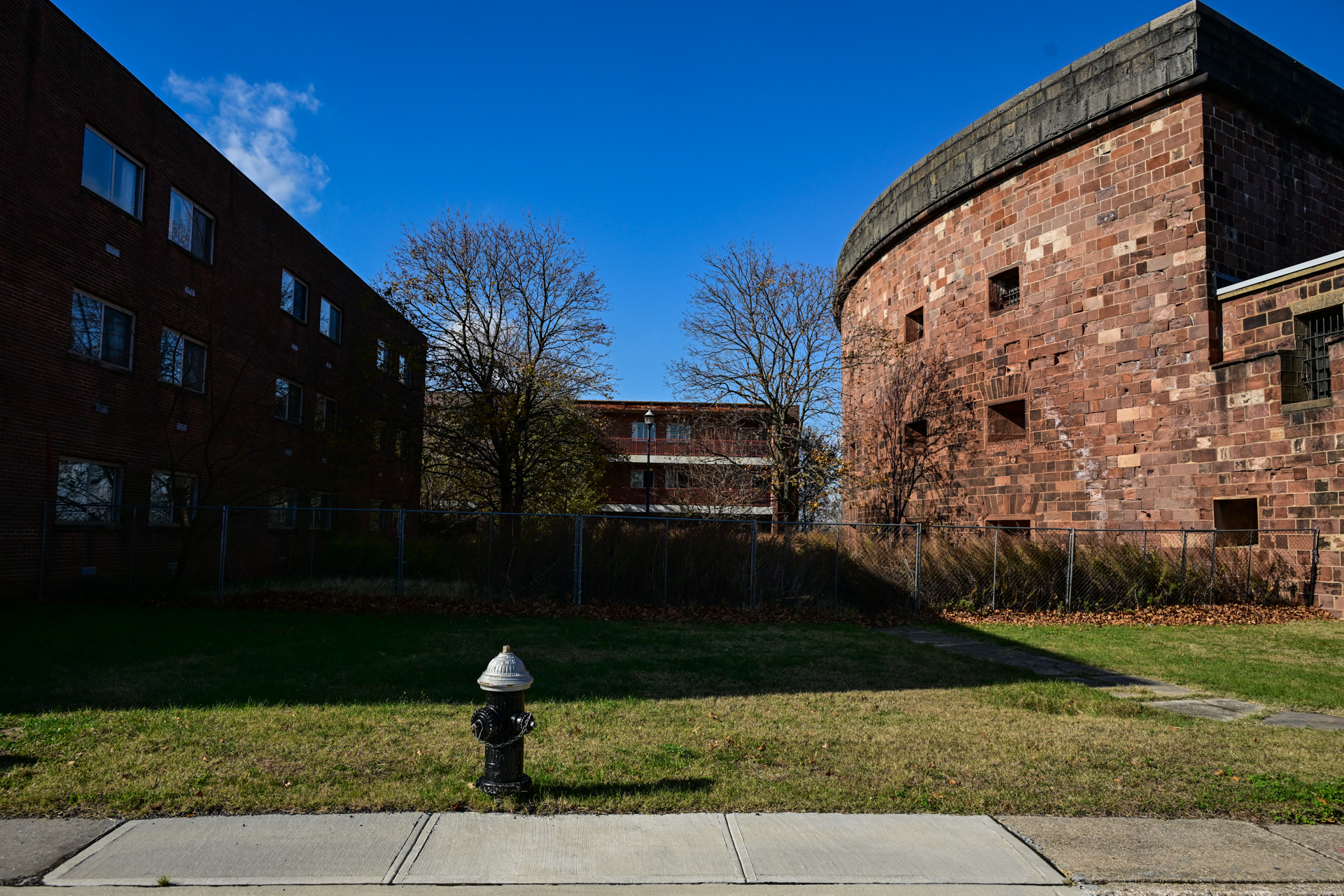
Govenors Island is a photo composition paradise

We kicked off Day Two with a nautical adventure, sailing out from the Battery Maritime Building to Governors Island. This provided essential, clear-air perspective on the Lower Manhattan skyline and Lady Liberty—a powerful exercise in urban landscape photography. Massive oaks with turning leaves in a maritime enclave was explored with an eye for ruinism. After returning, the focus shifted to “urban park” street photography in the Village. From the vibrant life inside Washington Square Park and across the village to Tompkins Square park’s skater haven, we explored the rich character to these parks, pushing our cameras to capture the fleeting moments that define New York’s personality on a perfect fall day. After dinner at Momofuko, we all began the task of editing for the next day’s critique session. 

Fishermen in silhouette with Lady Liberty in the background. How much more NYC can you get?

Day Three: Chelsea and the Hudson River Canvas 

Little Island is a city treasure- in all seasons but Fall is very special

Our final morning began with bagels, coffee and an inspiring critique session, where the group submitted 12 final images, demonstrating huge leaps in editing confidence. Afterwards, energized, we took to the streets of Chelsea, documenting the architecture, townhouses, and creeping foliage. The afternoon was devoted to the waterfront, starting at the modern, organic architecture of Little Island and concluding with a walk on the High Line. This blend of nature and modern design provided the perfect final challenge, allowing everyone to synthesize the week’s lessons and complete the workshop with a fresh, comprehensive portfolio.

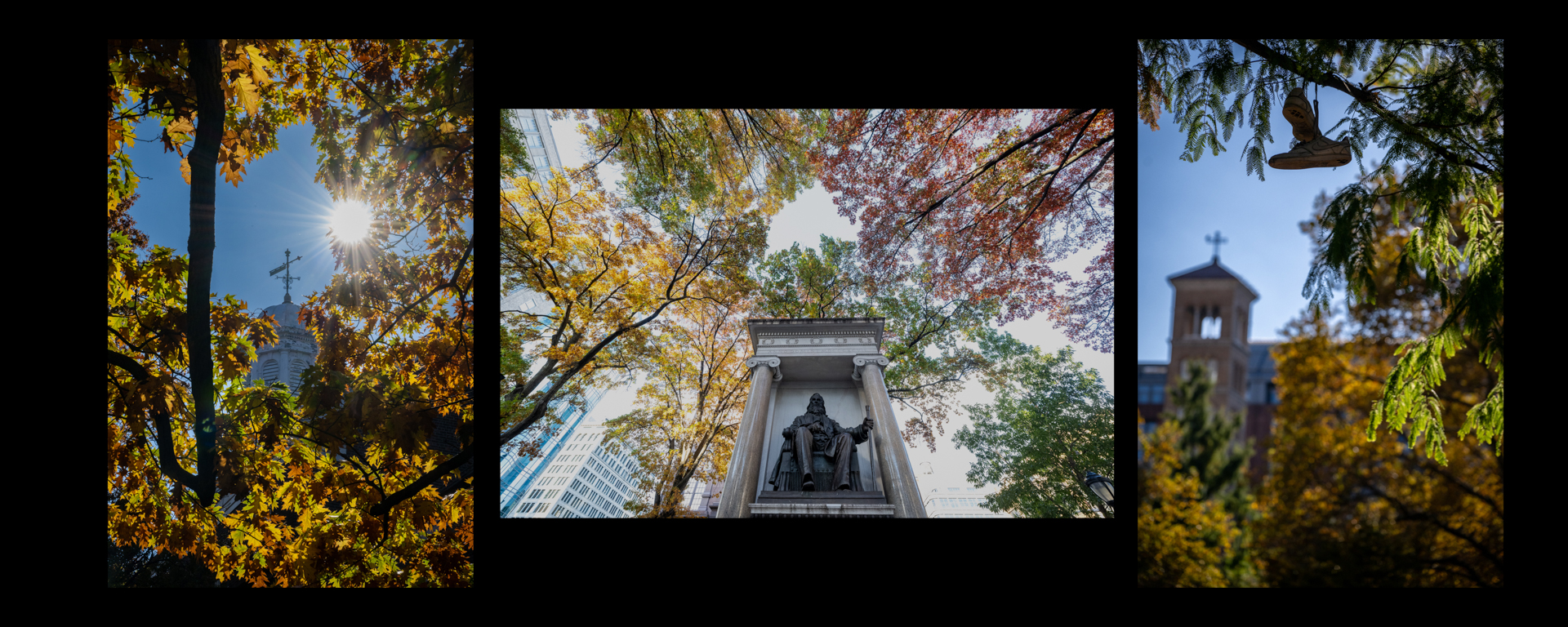
One of the assigments was to present a triptych of the days locations.

WORKSHOP GALLERY

I was pleasantly surprised at the adoption of color to my vision. I’ve been living in a black and white photography universe exclusively for the past decade when I swore off color. I really enjoyed seeking out the color of the landscape, as opposed to the contrast. I think this workshop has opened me up to a softer stance on making color work.

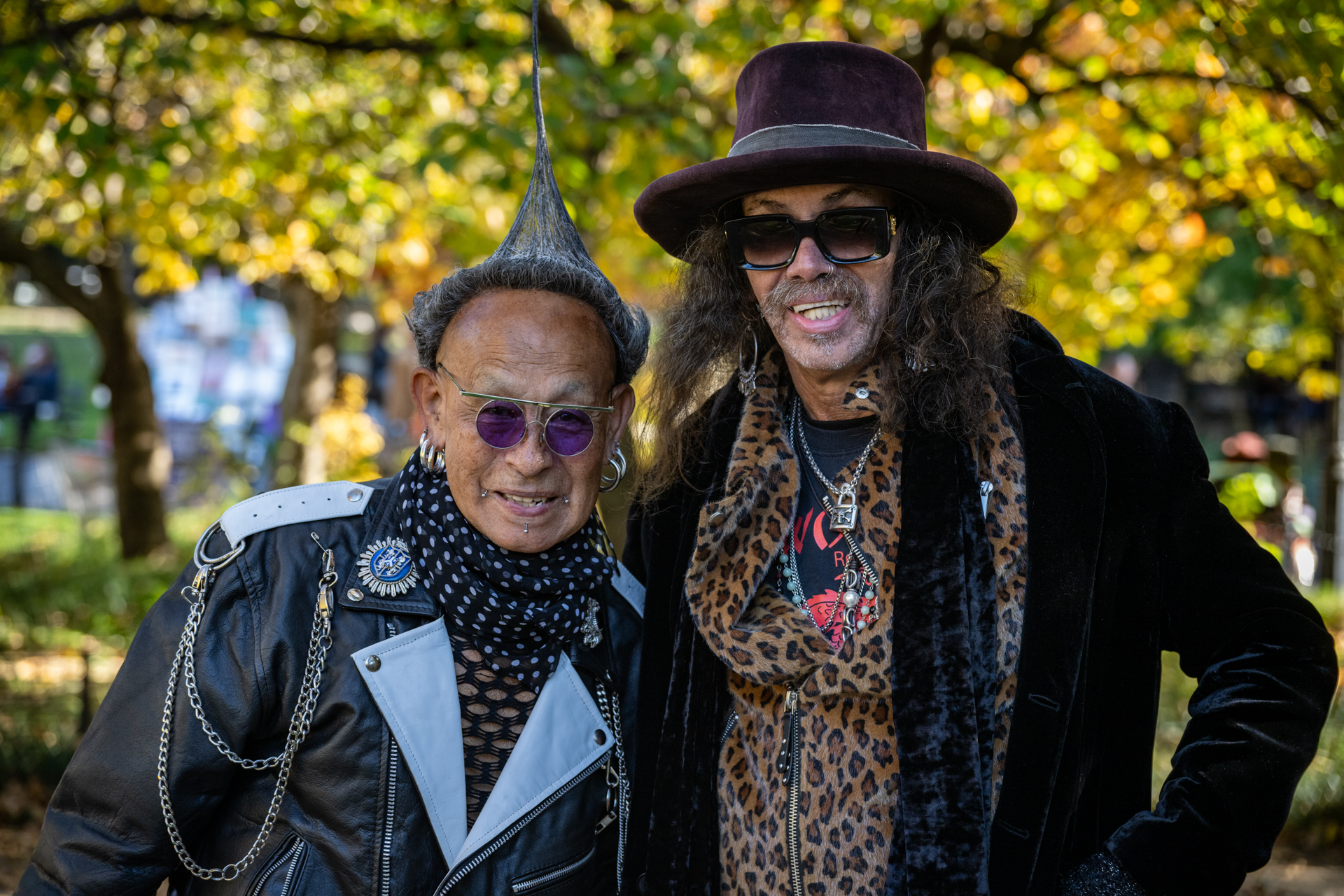
Washington Square Park Legend, Joey Chess

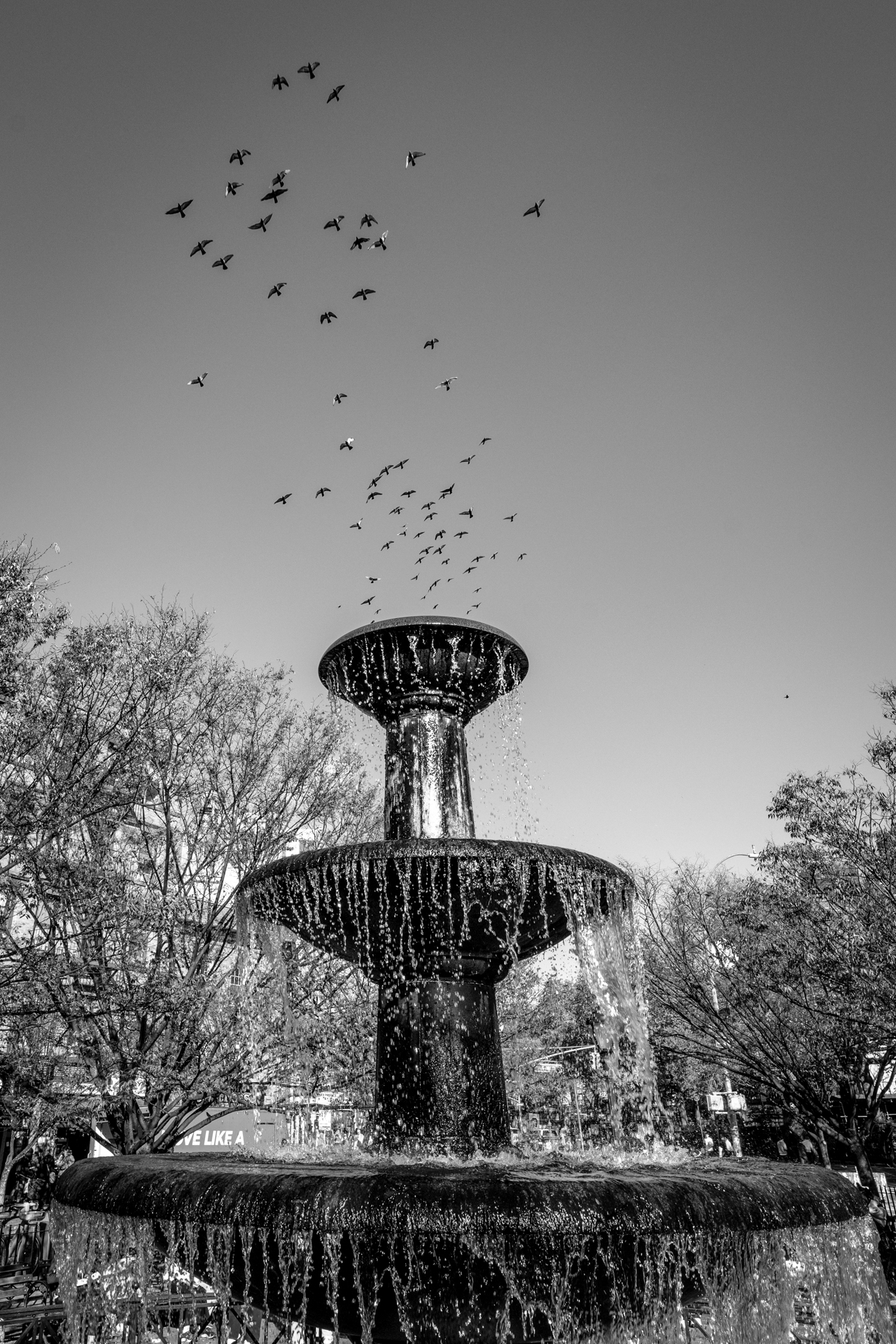
If you were concerned about my satisfaction with working in color, I did make a series of images in black and white during the three-day workshop. Yes, black and white does have its place in the fall colors. Long live the B&W image!

Having the Man Ray exhibit anchor day one was key, because one of the assignments for day two was to make an image in homage to Man Ray. It proved to be very difficult, but the class pulled through and leveled up.

We are repeating this workshop in 2026. I’m sure it will sell out, so if the above tickels your aperture, then hop on over the NYC Fall Colors & Shades 3 Day Workshop Home and seize your spot. Limited to 6 and will sell out as it’s priced with a good value.

November 6 – 8 2026

Exploring the TTArtisan Tilt 50 Lens: A Hands-On Review

As many of us, I’m a gear freak and love optics. I was poking around the Nikon Z lens options on the B&H Website and came across this lens, the TTArtisan Tilt 50. It’s part of this wave of ‘cheap cost’, but ‘not cheaply made’, Chinese lenses. The 70’s were a hey-day of weird, wide, and tele lenses from oddball companies; and then in the 2000’s Lensbaby hit the market. Now with the rise of easy manufacture (barring tariffs) lenses, and manual film/video lens needs, there is a plethora of this type of equipment to try out. Long story short: I bought the lens on speculation, and was pleasantly surprised on all fronts!

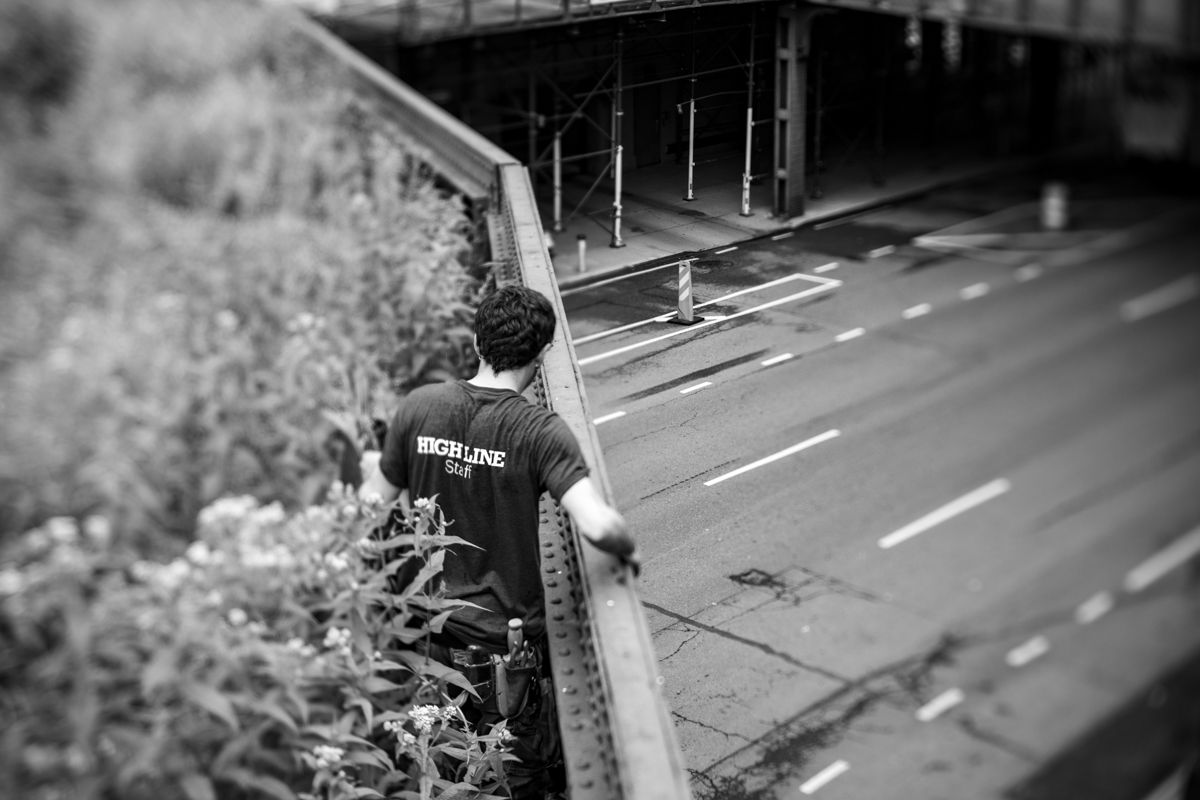
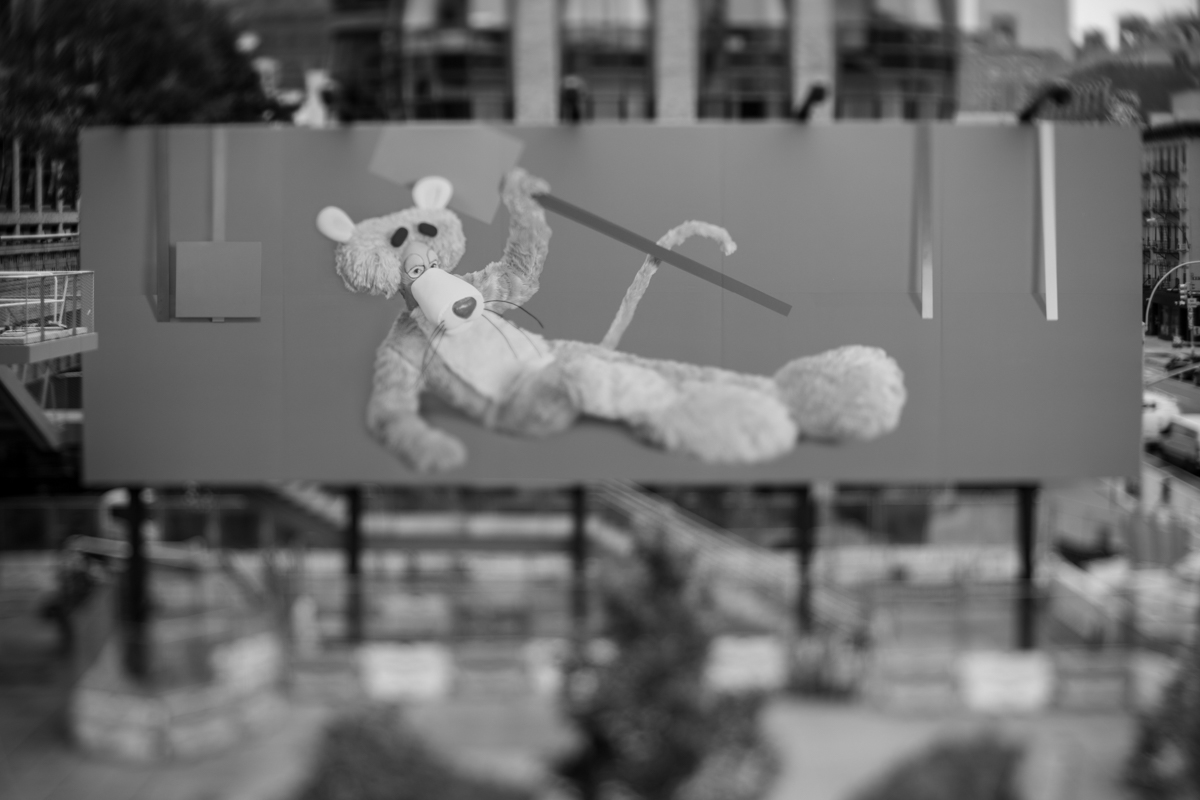
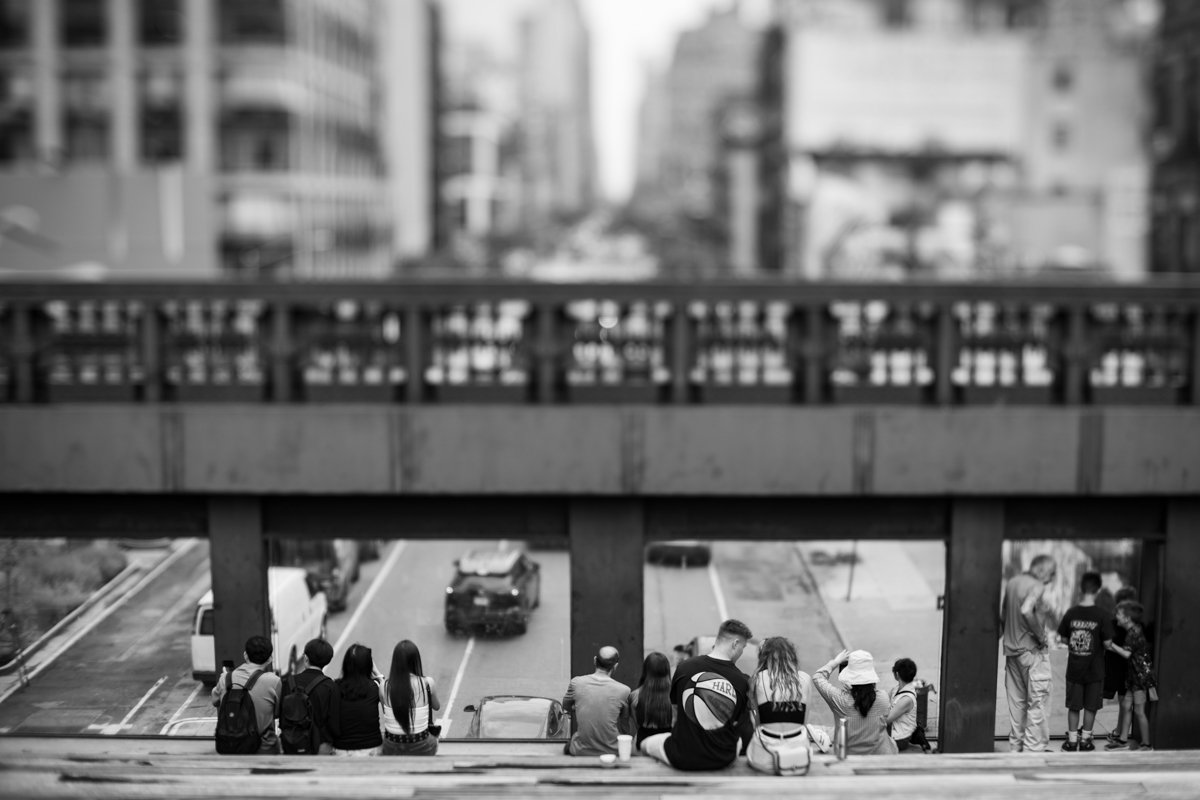
I slapped the lens on a Nikon Zf with focus peaking turned off (I found it hard to “see the image” with the shimmering distraction), auto iso on, aperture mode, B&W switched on, Raw. Making sure “ok to shoot without lens” setting is checked. I took a morning stroll on the Highline excited to try out this fine feeling lens.

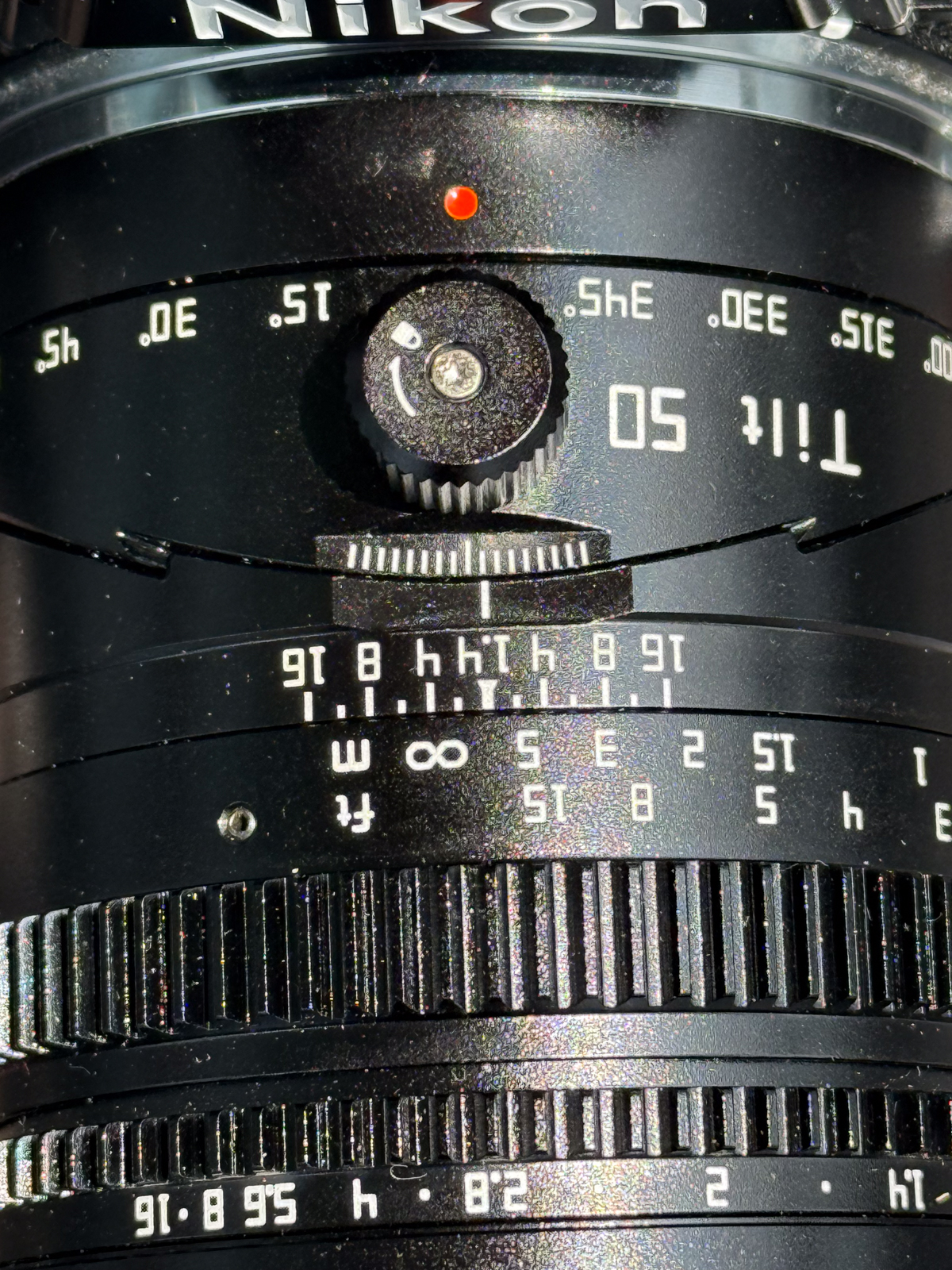
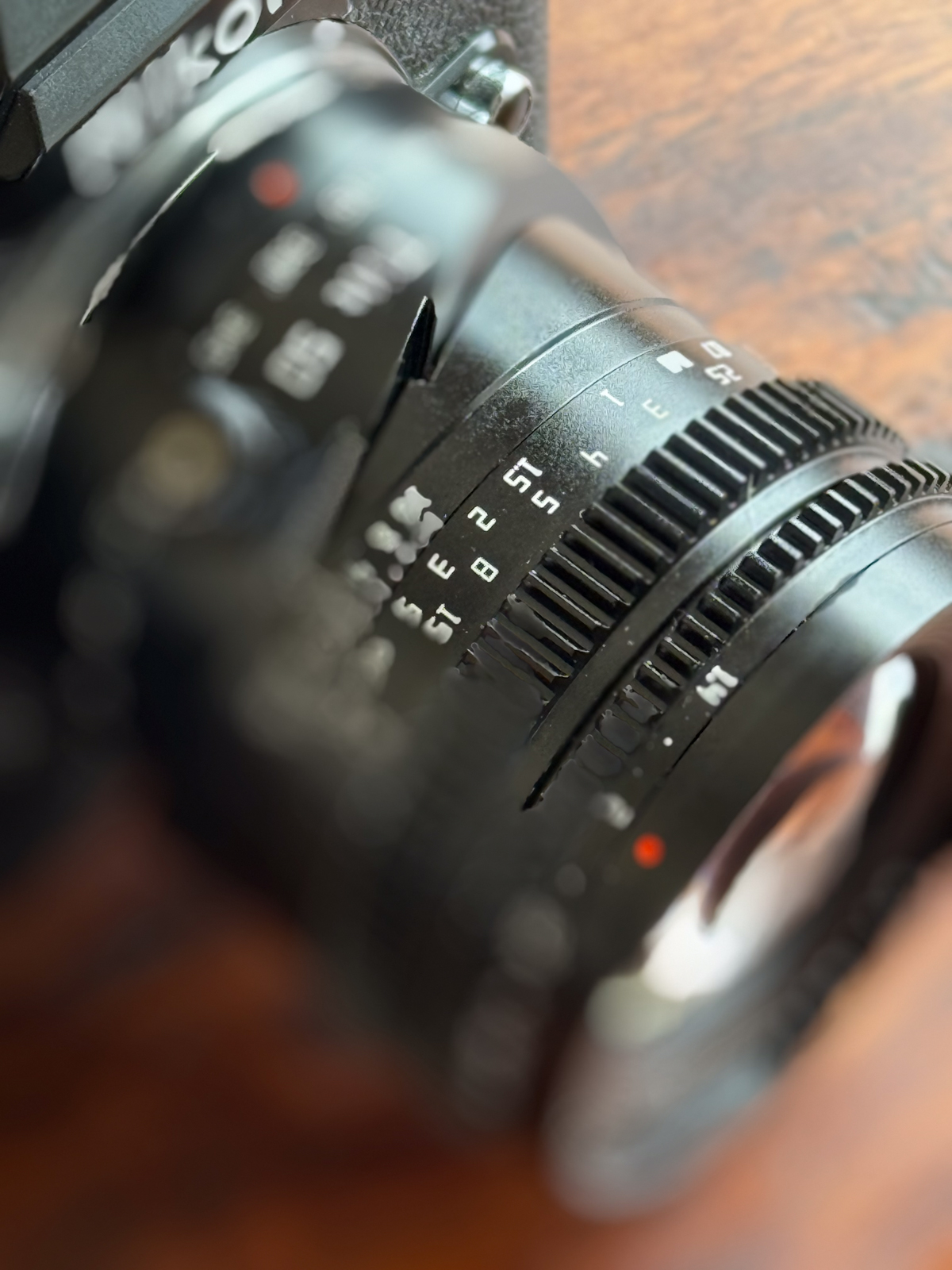
The lens has two unique controls, one for the tilt and the other direction of the tilt axis. By strategically turning these two, in tandem with the manual aperture, you gain access to a “strip” of in focus view. You can “spin” the lens to make that strip go anywhere. The lens also has a wonder full depth of field bokeh and close 19.7″ / 50 cm minimum focus.

The actual sharpness of the lens is questionable, it’s not a view camera, but that’s not the point. Straight on at F8 it’s sharp, but it falls off the more wide we open. However I found it sharp enough to certainly buy and keep in my gear bag. It’s fun to use and produces unique results.

The lens likes height to give it perspective. Walking the Hhighline was actually perfect with its vantage points and strong horizontal lines.

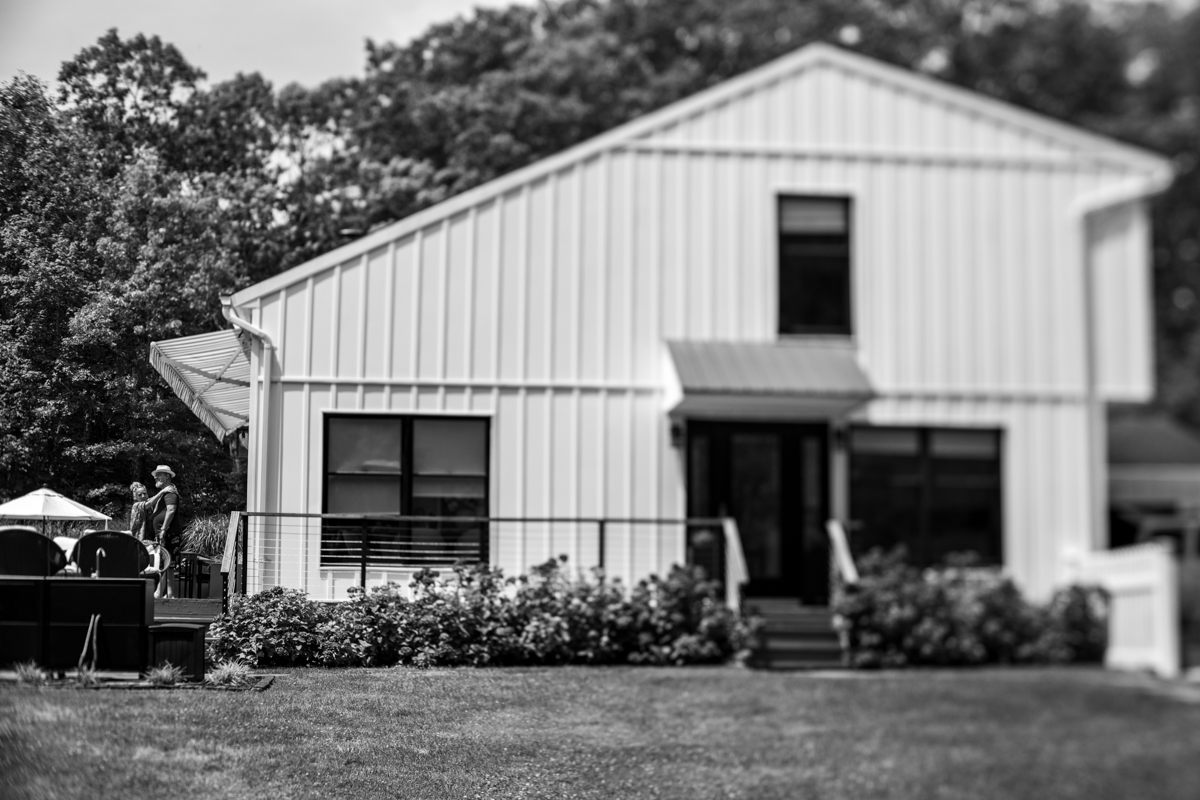
We cruised out to celebrate the fourth of July out in the Hamptons in the Buick and I grabbed the same combo.

Couple of notes, you have to have deft and strong fingers to maneuver the tilt and rotation functions. A tripod couldn’t hurt, but I used it handheld during my exploration of the lens.

My favorite wall north of MoMa. Vintage camera wall by Brandon Remler.

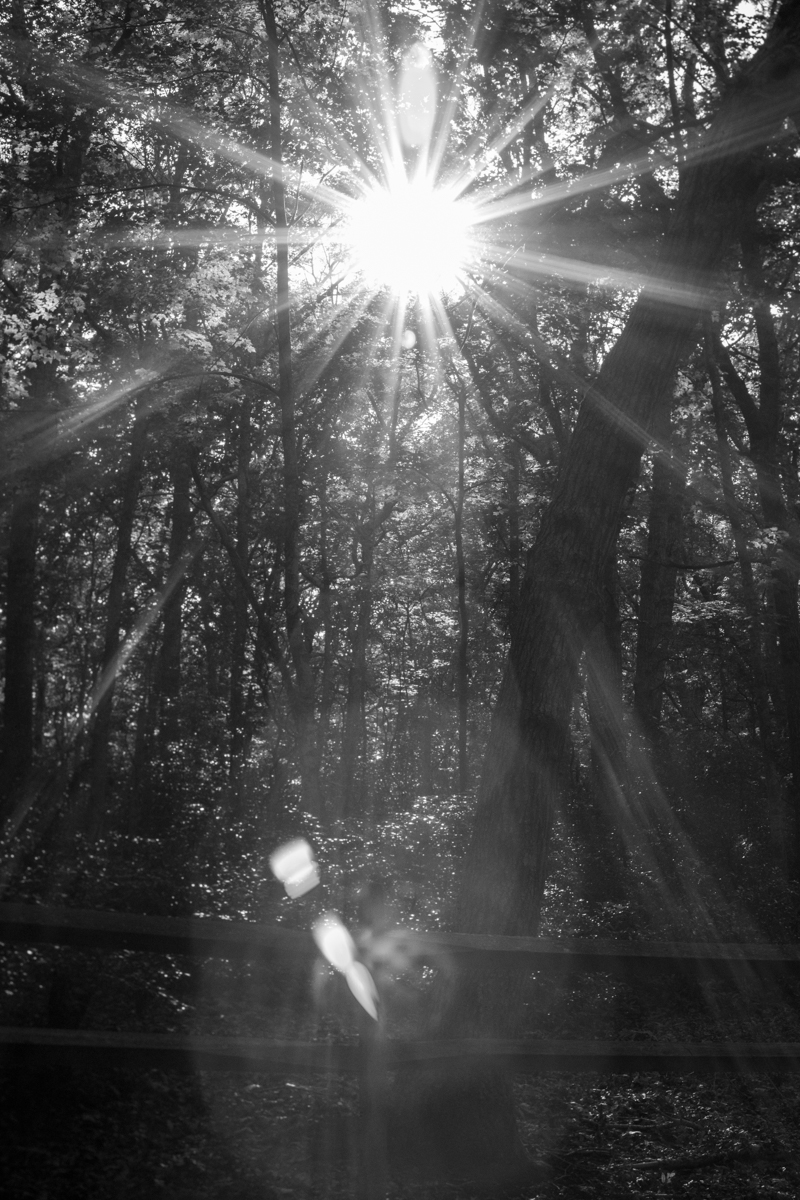
Shot this one at f16 amined up into the sun through the trees. I wanted to see how much wackadoodle the flare would cause. The result, enough!

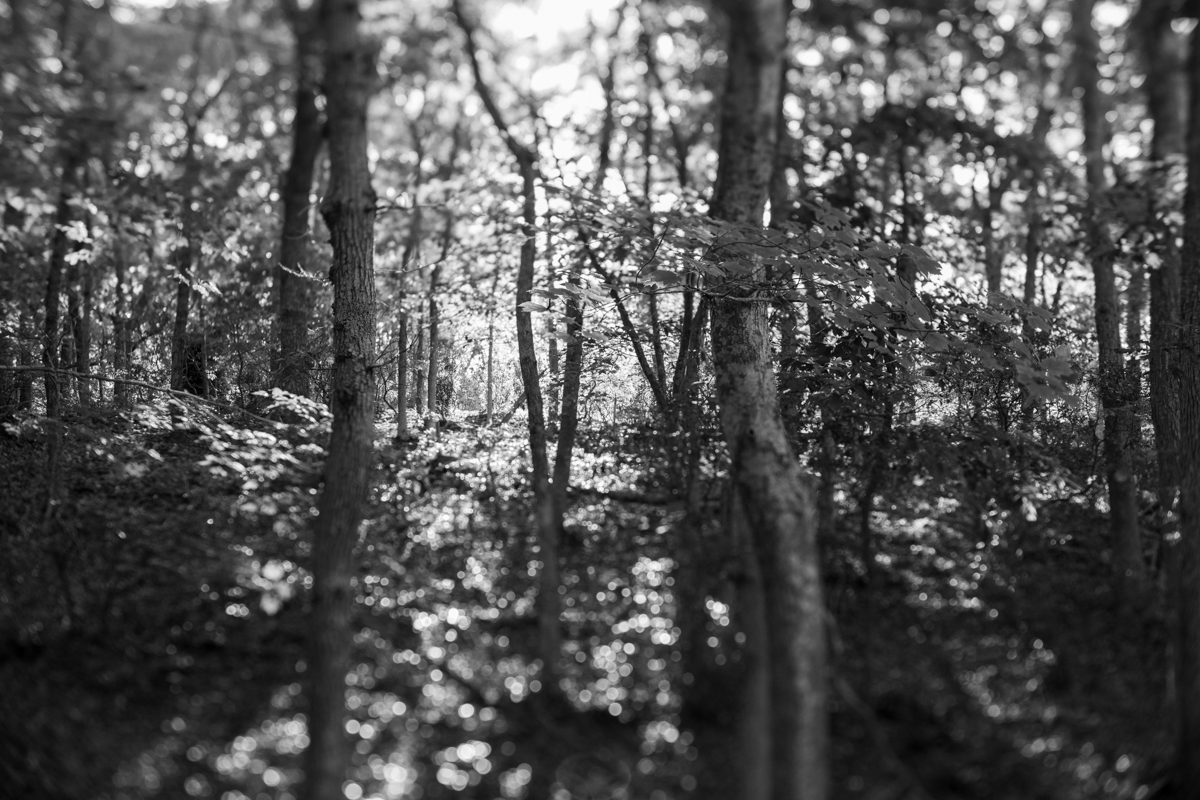
Shooting the Tilt 50 at f. 2 to 4 seems best. Shooting wide open at 1.4 makes the circle very tight. Opening up two stops is the “sweet spot”. It’s the dreamy effect. I dig it. Is it gimicky like full frame fish eye? yes. But the Tilt 50 does have its place. I’m thinking a start and finish workout project, shot only with the Tilt 50. The tilt effect makes things tiny and if used correctly, can help telling the story by highlighting via focus on subjects.

I don’t recommend it for straight shooting. Not having the effect makes it less desirable, but still, the bokeh is outstanding and for the cost… Certainly less than Eisenhower’s collar.

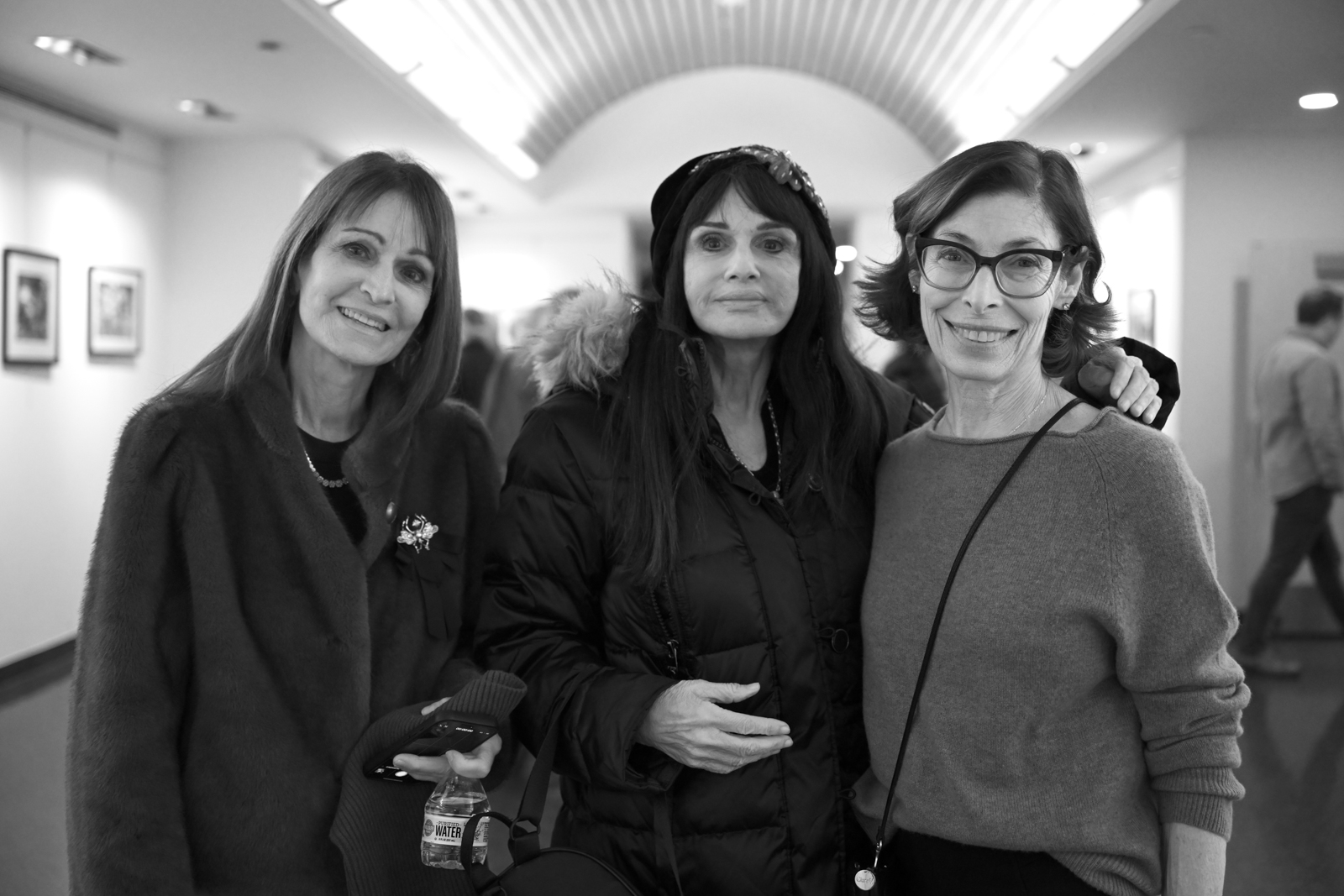
That’s the great night photographer Gabriel Biderman and the president of the Duran Duran fan club, Nancy (only kidding, Nan is one of the finest people I call a friend). But in all seriousness, this image illustrates the way the tilt 50 can assist story telling.

It’s a heavy weight lens at 15.9 oz / 452 g. The focus is smooth as well as the click less aperture ring for those who might consider using it for film making. Which by the way, I suspect would be outstanding. Like a way to shoot a memory or a dream sequence. The lens also has satisfactory knurled rings if you were to use with a follow focus device.

Here’s my plan. I’m keeping the lens. At $229 using a payboo card it has great potential with insignificant investment. In the spring I bought the 14-24 2.8 S lens and love it, but at it’s hefty 2k price it doesn’t do what this little extra nifty fifty can do. It comes in all the mounts including Fuji X, Canon, Sony and micro 4/3. Go buy it at B&H and tell me how you like you it.

~David July 2025

Sony RX10 Review – The Perfect Travel Camera

photo

The great digital camera buyer Ben at B&H gave me a call about a month ago and said come down to my office, Sony has something to show us. I was busy and told him I didn’t have time and he replied, “you should come down, they have a game changer here… a 24-200 mm 2.8 constant aperture camera that is compact”. I ran down. Now how can you get that fast aperture of a zoom lens to go from super wide to tele in a compact ZLR (Zoom lens reflex)? What I beheld was the Sony RX10 which actually can do all that. I got to mess around with the prototype and was impressed. Last week I actually got a production model to play with. The following are my observations and some quick work produced while testing it. Like my other reviews I’m not going to get super technical, but I will show you a load of images so you can judge for yourself.

WashingtonUnionSqNYC

Union Square shot at 180mm f2.8. The camera make cropping distant subjects so easy.

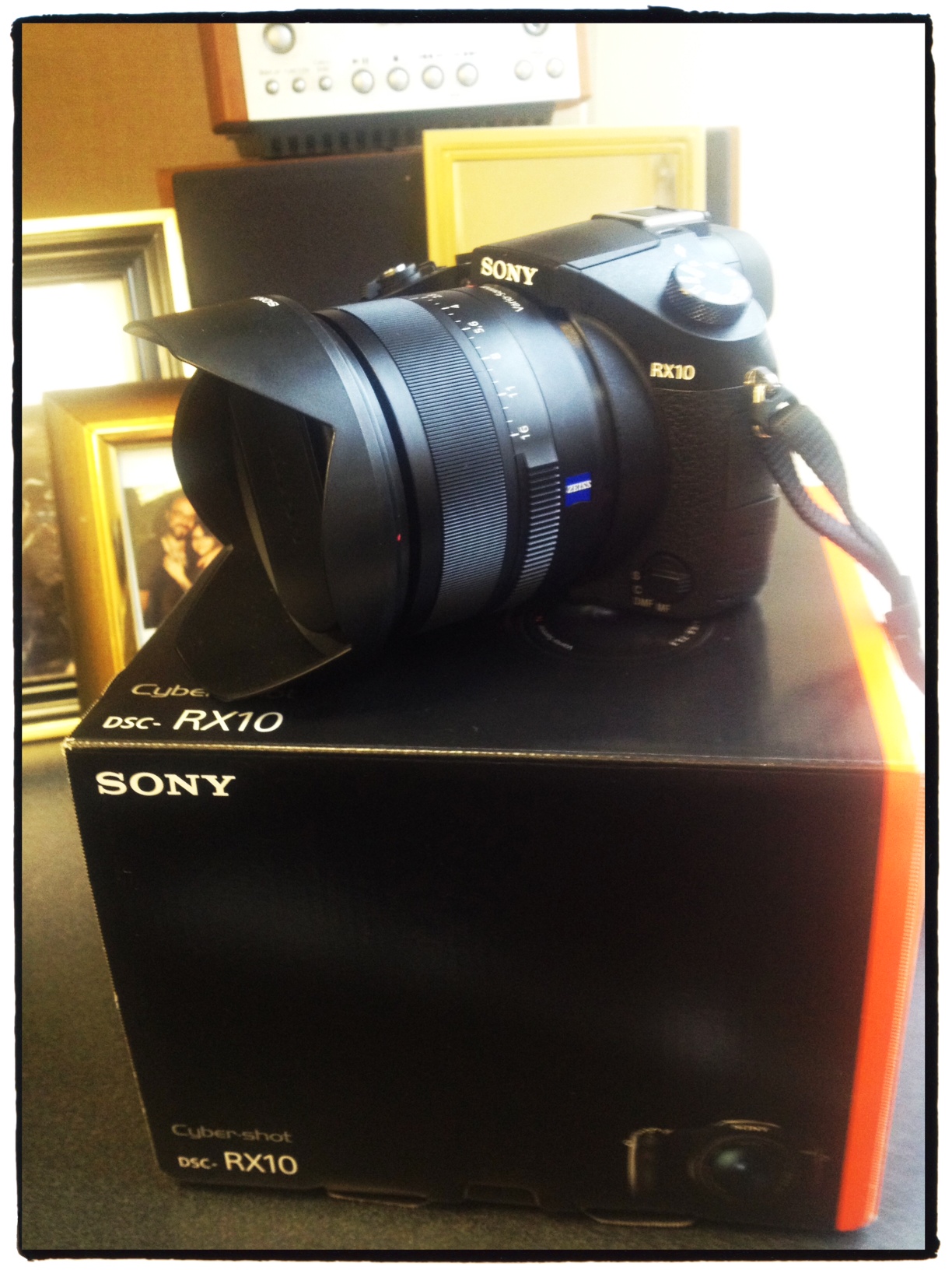
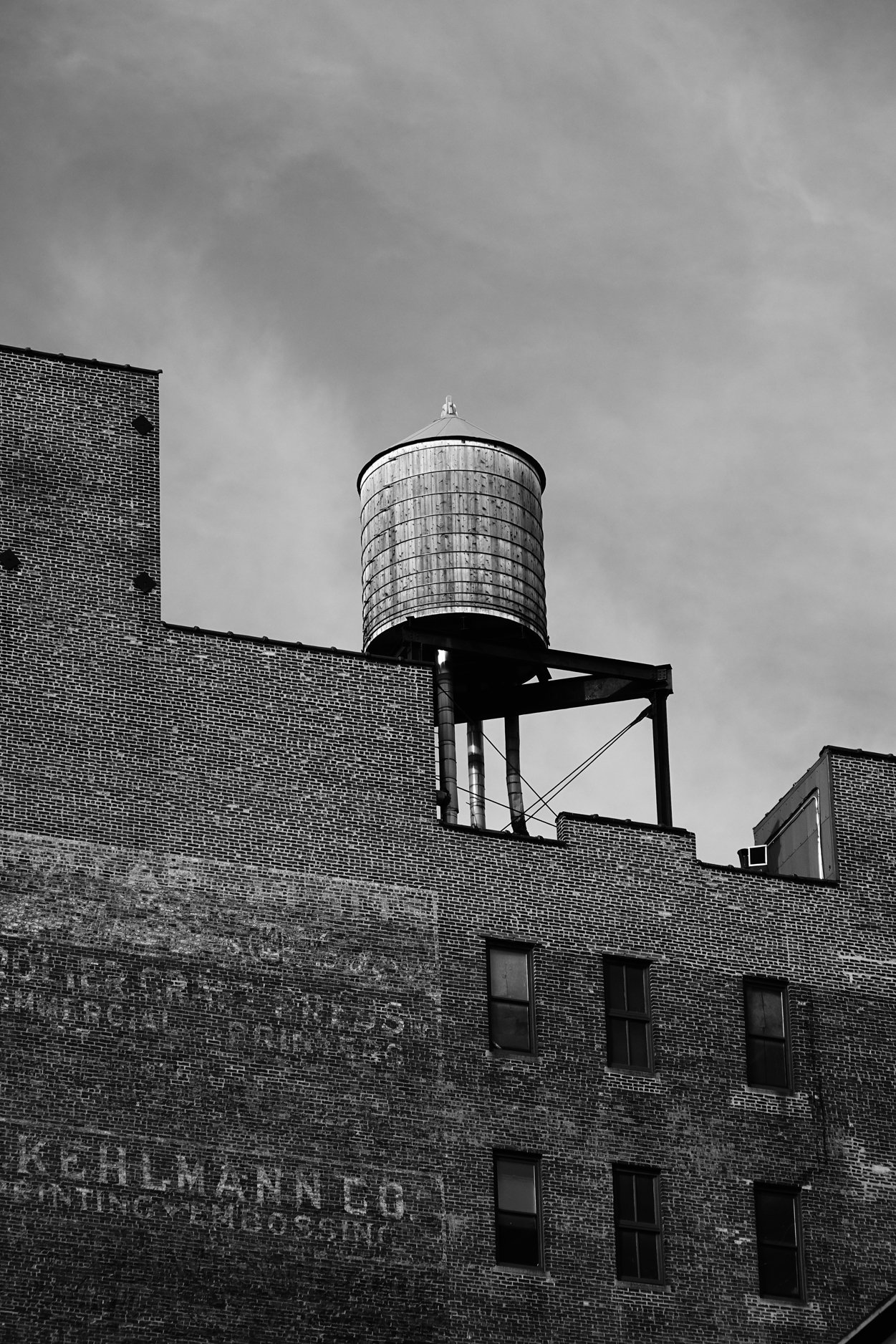
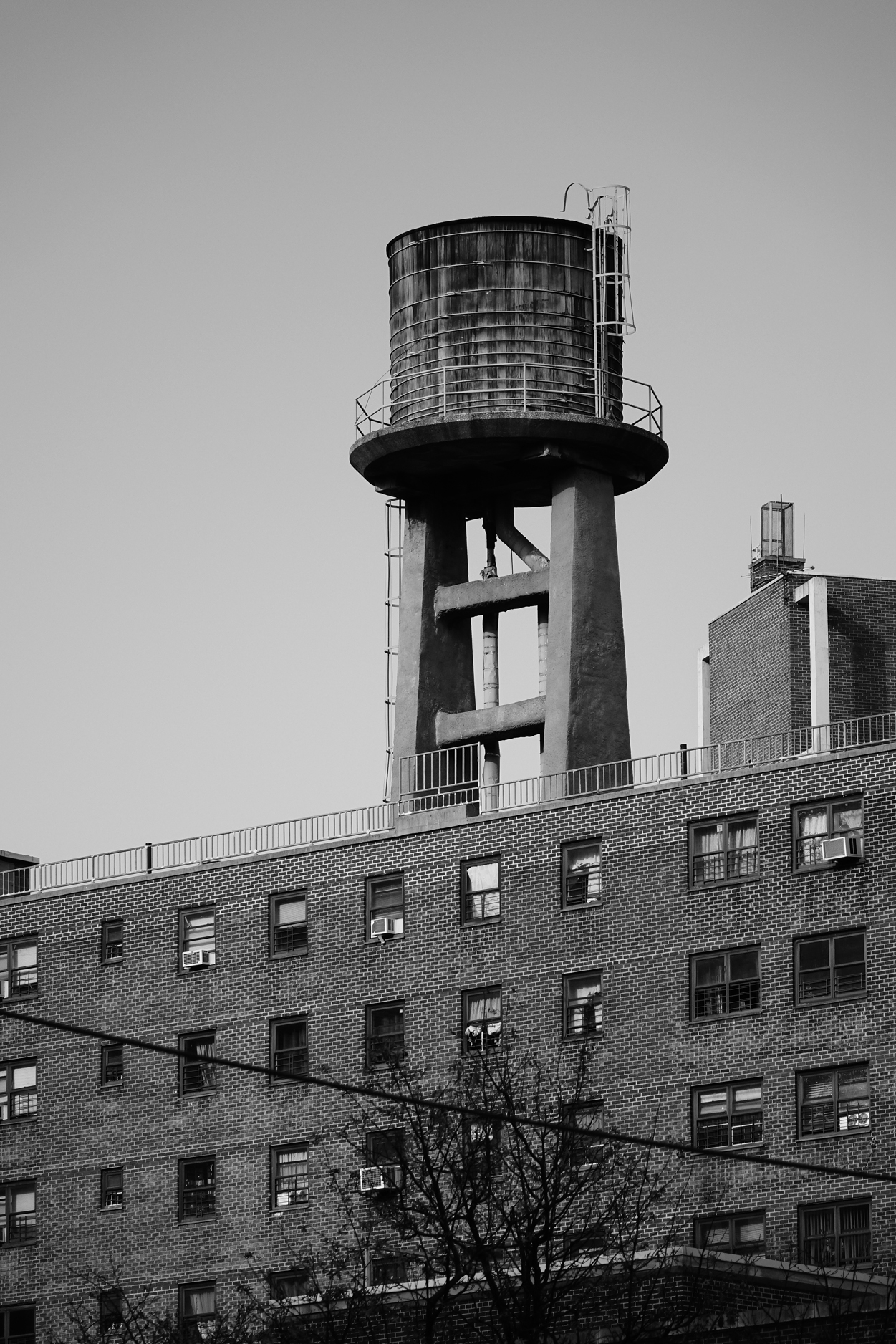
So first off lets get back to that lens, because that’s really the reason to consider this camera. The RX10 sports a Carl Zeiss 24-200 mm f2.8 lens. That focal length is the 35mm equivalent. It is not a 2.8-5.6 variable aperture; it is a fast f2.8 throughout the range. Sweet. Very Sweet. The lens is damn sharp, and in my testing I couldn’t help but put the zoom out and bring in distant subjects. For those of you who know me, I’m a wide guy, and prefer getting more in my picture from using a wider perspective. My testing would have to get me out of my comfort zone, so I decided to shoot something that’s out of range of my wide lenses, NYC water towers. They make great subjects!

This short study was all shot with the creative B&W mode. The RX10 allows you to fine tune the creative mode and I chose a +1 contrast and +1 sharpening for good measure.

watertower1

WaterTower2

WaterTower3

WaterTower4

WaterTower6

Lets discus this lens. You zoom by twisting the lens (or a use the toggle on the top of the camera) and it activates an electronic servo zoom. The zoom was fairly slow, and that leads to a precise adjustment of focal lengths, but again, it is a slow process. From 24mm to 200 mm it took me 4 seconds to zoom across that range. The aperture control is very nice, instead of changing aperture from a dial on the back or front of the grip like most cameras, the aperture ring is located like a traditional slr optic, on the back of the lens near the body. Those who appreciate a manual feel will dig this aperture ring, it has a very solid tactile feel with positive 1/3 stop clicks. I want to reiterate, it feels very substantial and of quality. You can also hit a slider button and the aperture ring then looses its clicks for adjusting aperture silently in movie mode. I suggest a 62mm UV filter as an add on. You want to protect that Zeiss goodness right? Go for B&W’s standard 62 mm UV.

gabenbarry

Gabe and Barry Biderman. Two generations of great photographers. Love these guys.

The camera measures 5.1 x 3.5 x 4” and while certainly not a pocket camera it is not overly large. It is about the size of an entry level DSLR like the Canon Rebel t4i or Nikon D5200 with a fat kit lens. There is ample rubber around the body and it feels good in the hand. The viewfinder is superb and has a diopter. I don’t wear glasses, but for me, it was very easy to view through the finder and the EVF is a High-resolution XGA OLED Tru-Finder whatever that hell that is, it works very well. You can with custom functions make sure you see exactly what you to see meaning things like iso, exp comp, levels, metering mode, and more is visible or invisible. The viewfinder has a nice rubber coat, and there is a built in diopter as well, so I assume that if you did wear glasses, it’s not bad at all. The LCD is a 3.0″ / 7.5cm 1,228k-dot tilting Xtra Fine TFT design and works very well. I have to say, it was very nice to use the tilt at ground level to get a cool perspective. Auto focus rocked, super fast and very modern. For those that want manual focus you have a very nice large focus grip on the lens which you can then rely on Sony’s excellent focus peaking feature. Whether you go AF or MF you will be content, both modes work wonderful.

zoomrange

Running through the zoom to get an idea just what 24mm to 200mm can give you. And the answer is, “a lot”.

RX10 sports a 20 megapixel 1” sensor that is up to the task. The camera rocks in low light and also has a new generation processor that builds raw and nice jpegs. I’d say pretty much you have a top of the line sensor in this camera, Sony has been making leaps and strides in their sensors for the past few years. The sensor leaves nothing to be wanting.

The following images are fine in their own right, but when you need to crop in post, how does the jpeg file hold up? Judge for yourself.

nocrop

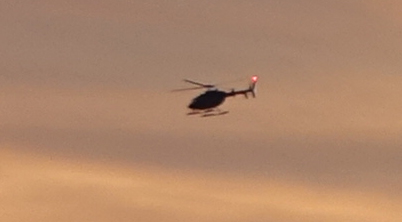
Sunset Creative Mode- notice the helicopter in the distance?

helicrop

800 % crop into the image to pick out the ‘copter. Notice the detail in the blades? wow.

elviriawavingnocrop

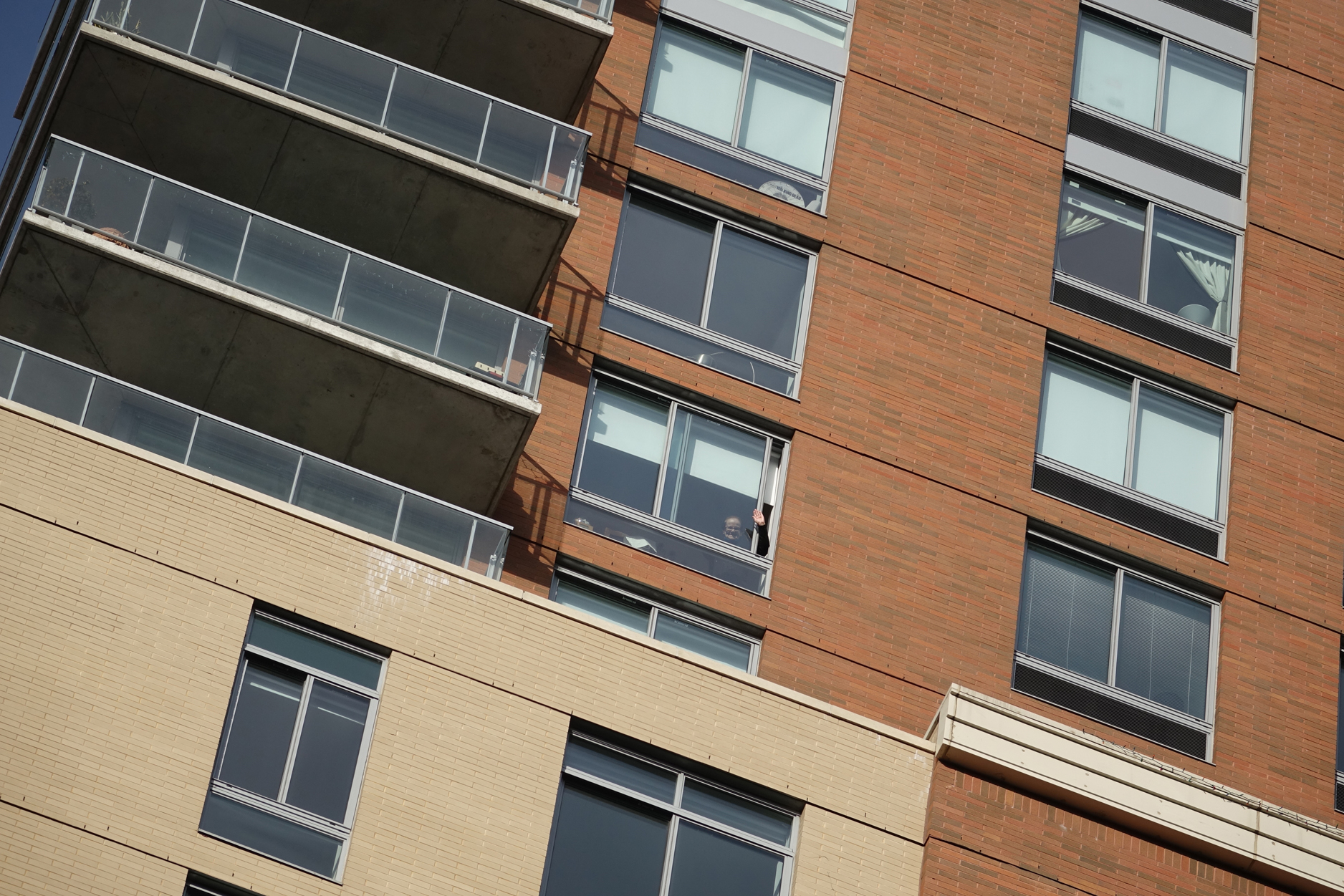
Can you find the mother in law waving?

Elvirawaving

There she is! That’s Elvira and she is at about 600% magnification. Great detail is still in the shot. That 1″ sensor really shines.

The camera has a clean design, it’s not cluttered. The top left of the camera has command dial with the usual modes, but also adds two custom settings, so if you like to profile the camera with specific style, it’s a breeze to recall the settings. The top deck LCD panel is lighted so you can see what your doing in the dark or dimly lit room (a feature from mid-line & high end DLSR cams)  There is also a exposure compensation dial that has a firm feel and is not easy to misadjust when the camera bumps against you (I really like that, my go to camera the XPro1 is so dang easy to accidentally move that dial).

JayDickmanUnionSqNYC

This was taken at Photo Walk with National Geographic photographer Jay Dickman in Union Square NY. Image is shot at 24mm.

The buttons and dials on the back of the camera make sense, there is one Fn button you can assign to a multiple of tasks or get into a high level menu adjustment mode. The deep menu system is easy to navigate, you can access almost anything you would want to change and I found it easy to get in a make an adjustment on the fly quickly.

gabetimndavid

Gabe grabbed the camera and turned to a mirror to make this image of our party table with photographer Tim Cooper. I’m on the phone in the background struggling with AT&T’s crappy service.

So I didn’t play with the movie mode, I’m not into that but my research confirms the camera has an excellent video system that borrows a flicker free scan system that is only found on the FS700. It has a headphone mini jack and audio in with manual level control miniphone jack too, and for those who want XLR connections you can add the pricey Sony XLR-K1M Adapter and Microphone Kit to get perfect audio. Pretty impressive if you’re into that sort of thing.

librarynyc

The range of the zoom lets you really work your perspective.  Shot of the James A Farley Post Office steps in NYC.

And since the camera is a modern high end jammer, you get some other cool bells and whistles, like built in WiFi that can download to your mobile phone and tablets. The RX10 is also weather proof, so feel free to take it out in the rain.

rainyday

The only negative I can see on the camera is that it is a slow start up and shut down. The camera has to move around that big lens it takes its time. I counted a solid 2 second delay on the start up and shut down. That could be annoying. My other concern is that its not a small camera, that is the trend and cameras these days are high performance in small packages. This camera is super performance in a relatively large package.

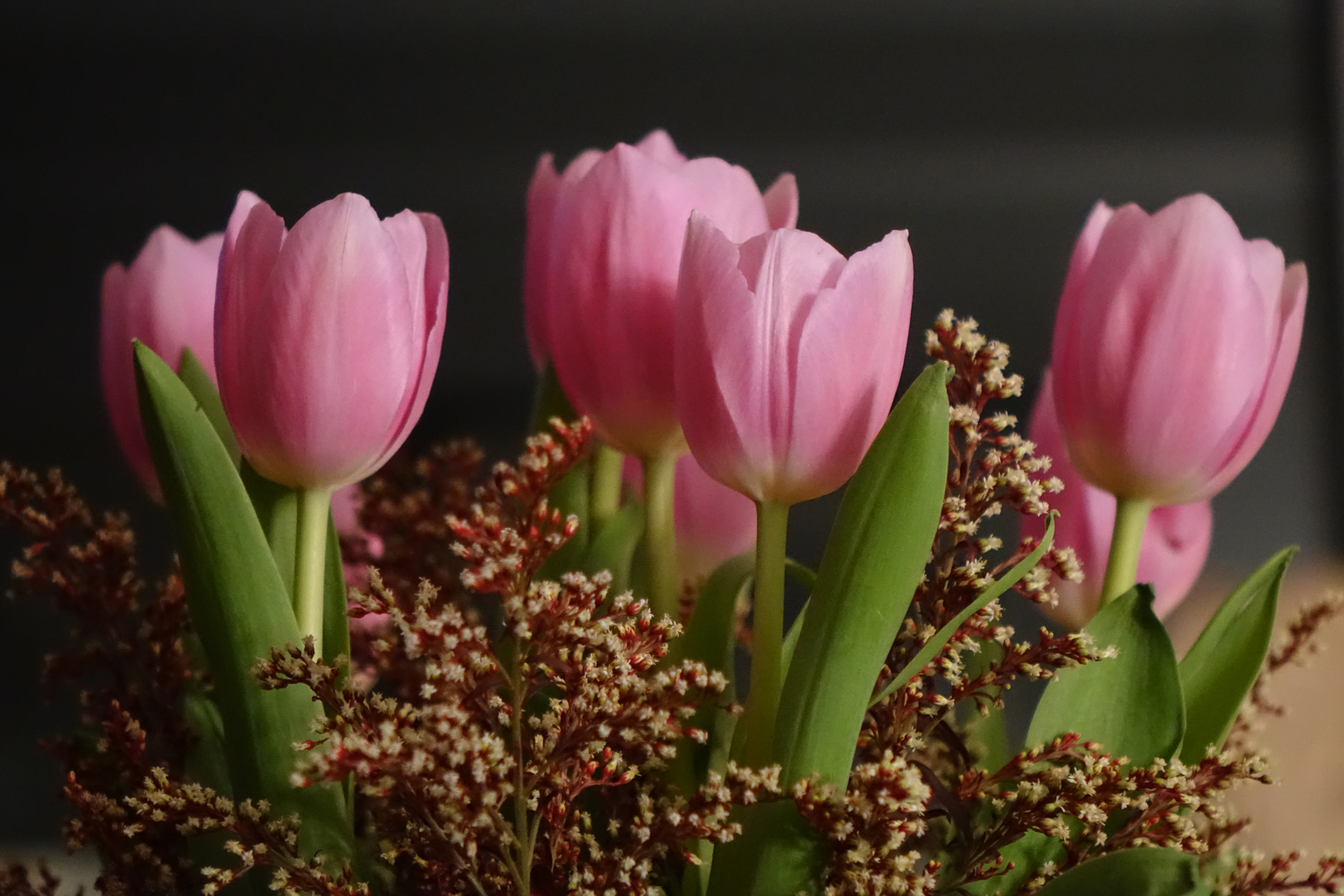
tulips

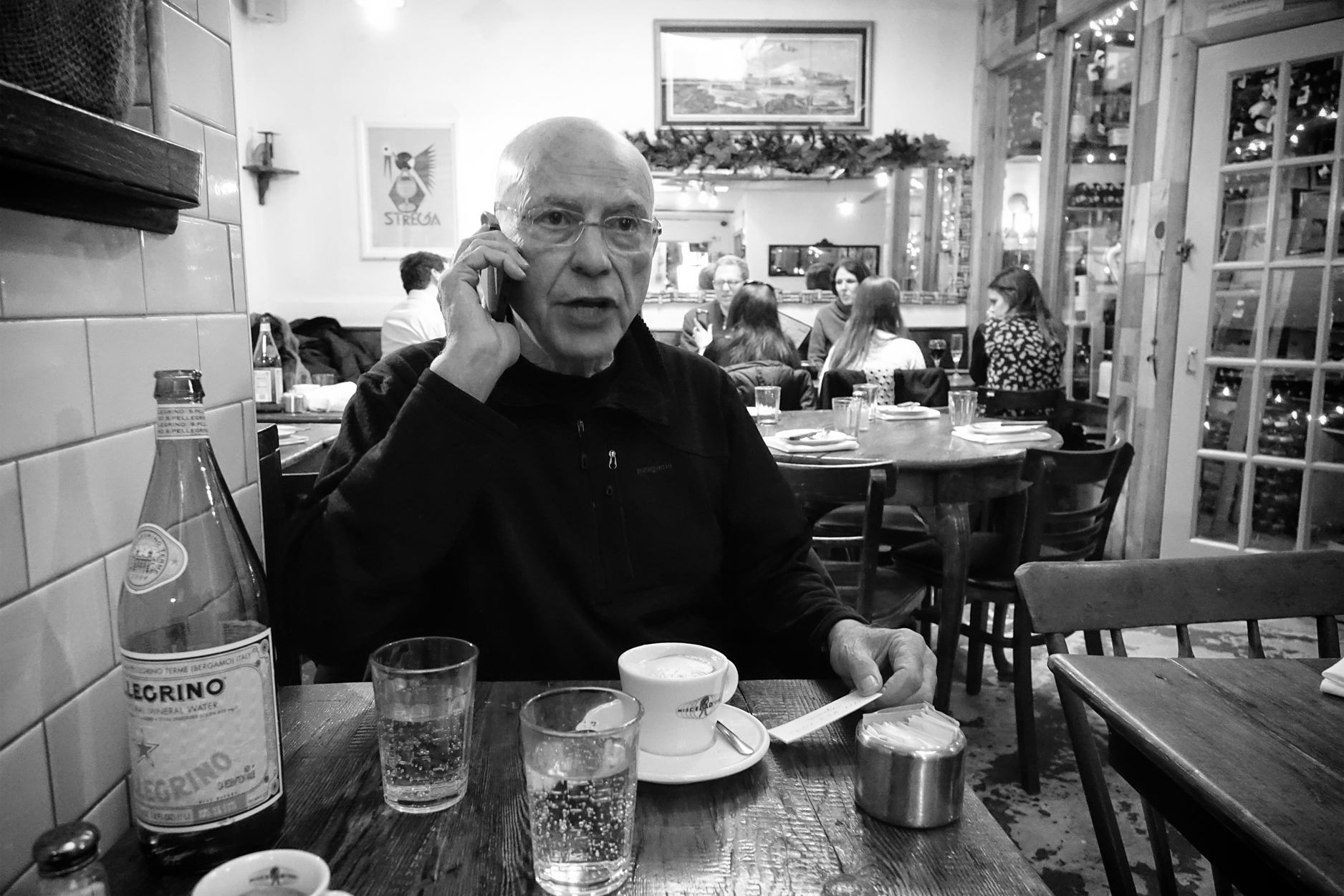
So the camera sells at $1299. Yikes! But you do get a serious lens and really you don’t need to buy anything else to make some great images. The question I asked myself is who is this camera for? Well it’s not for the soccer mom and those that are looking for a bargain. This camera is for someone who appreciates high quality and has some disposable income. I am known as a camera whisperer and today I had lunch with the actor Alan Arkin. Alan is on the quest for the perfect camera, not to large, not too small and super high quality. I had been suggesting to him the Fujifilm X system for over a year and just when I thought I had him set, I busted out my RX10 and he fell in love right away. When I mentioned who I thought this camera was for, he proclaimed, “me!”. Needless to say, Alan bought an RX10 on the spot. I look forward to hearing how he feels after shooting with it. I hope he enjoys it, but he really couldn’t keep his hands of it at lunch.

Alan Arkin at MercadoNYC

Alan enjoying some lunch at Mercado in Hell’s Kitchen NYC. Between being a wonderful actor and teaching acting, he enjoys a good camera.

I would say it shines for travel photography; this is the ONE camera you need to pack when on the road. You will travel light, and be assured you will take great images in any light of near or distant subjects. At 10 frames per second and that great AF you wont miss anything. I give it 9 of 10 ten stars. Speed up the start up and shut down time and I’d give it a perfect 10. Now if you ready to buy the Sony RX10 be a mench and buy it at B&H.

girlinalaska

This was taken at B&H’s Event Space during a Sony A7 demo. The lights are Ikan LED and the theme was Alaska. I like that soft bokeh of the background.

Specifications

Imaging
Pixels Actual: 20.9 Megapixel
Effective: 20.2 Megapixel
Sensor 1.0″ (13.2 x 8.8 mm) CMOS
File Formats Still Images: JPEG, RAW
Movies: MP4, MPEG-4 AVC/H.264, MPEG-4 AVCHD
Audio: AAC LC, AC3
Max Resolution 20MP: 5472 x 3648 @ 3:2
Other Resolutions 10MP: 3888 x 2592 @ 3:2
5MP: 2736 x 1824 @ 3:2
18MP: 4864 x 3648 @ 4:3
10MP: 3648 x 2736 @ 4:3
5MP: 2592 x 1944 @ 4:3
0.31MP: 640 x 480 @ 4:3
17MP: 5472 x 3080 @ 16:9
7.5MP: 3648 x 2056 @ 16:9
4.2MP: 2720 x 1528 @ 16:9
13MP: 3648 x 3648 @ 1:1
6.5MP: 2544 x 2544 @ 1:1
3.7MP: 1920 x 1920 @ 1:1
12416 x 1856
5536 x 2160
8192 x 1856
3872 x 2160
Aspect Ratio 1:1, 3:2, 4:3, 16:9
Image Stabilization Optical
Color Spaces sRGB, Adobe RGB
Optics
Lens Carl Zeiss Vario-Sonnar, 14 elements in 11 groups
7 Aspheric
(35 mm equivalent: 24-200 mm)
Aperture: f/2.8
Filter Thread 62 mm
Zoom Optical: 8.3x
Clear Image Zoom: 16.6x
Digital: 66x
Digital: 93x
Digital: 133x
Digital: 249x
Exposure Control
ISO Sensitivity Auto, 125-12800 (Extended Mode: 80-12800)
Shutter 4 – 1/3200 sec in Auto Mode
1 – 1/3200 sec in Program Mode
30 – 1/3200 sec in Manual Mode
8 – 1/3200 sec in Aperture Priority Mode
30 – 1/3200 sec in Shutter Priority Mode
Exposure Metering Center-weighted, Multi, Spot
Exposure Modes Modes: Aperture Priority, Bulb, Intelligent Auto, Manual, Movie, Program Shift, Programmed Auto, Scene Selection, Shutter Priority, Superior Auto, Sweep Panorama
Compensation: -3 EV to +3 EV (in 1/3 EV steps)
Shooting Modes Anti-motion Blur
Black and White Copy
HDR Painting
Handheld Twilight
High Contrast B&W
Illustration
Landscape
Macro
Miniature Effect
Night Portrait
Night Scene
Partial Color
Pop Color
Portrait
Posterization
Retro
Rich-Tone Monochrome
Sepia
Soft Focus
Soft High-Key
Sports
Sunset
Toy Camera Effect
Vivid Color
Watercolor
White Balance Modes Auto, Cloudy, Color Temperature Filter, Custom, Daylight, Flash, Fluorescent (Cool White), Fluorescent (Day White), Fluorescent (Daylight), Fluorescent (Warm White), Incandescent, Shade
Burst Rate Up to 10 fps at 20.2 MP
Self Timer 10 Sec, 2 Sec
Remote Control RM-VPR1 (Optional)
Flash
Flash Modes Modes: Auto
Fill-in
Off
Rear Sync
Slow Sync
Compensation: -2 EV to +2 EV (in 1/3 EV steps)
Built-in Flash Yes
Effective Flash Range 3.28 – 33.46′ (1 – 10.2 m)
Up To 66.93′ (20.4 m)
External Flash Connection Hot Shoe
Memory
Memory Card Type Memory Stick Duo
Memory Stick Pro Duo
Memory Stick PRO HG-Duo
Memory Stick PRO Duo (High Speed)
Memory Stick XC-HG Duo
Memory Stick Micro
Memory Stick Micro (M2)
SD
SDHC
SDXC
microSD
microSDHC
microSDXC
Recording
Video Recording Yes, NTSC
Resolution 1920 x 1080: 60 fps, 24 fps
1440 x 1080: 30 fps
640 x 480: 30 fps
Video
Video Clip Length Up to 29 Minutes
Audio Recording Built-in Mic: With Video, Stereo
Optional External Mic: With Video, Stereo
Viewfinder/Display
Viewfinder Type Electronic
Screen 3.0″ LCD Rear Screen Tilt (1,229,000 pixels)
Screen Coverage 100%
Connectivity/System Requirements
Connectivity DC Input
HDMI D (Micro), USB 2.0
USB 2.0
Wi-Fi Yes
Software Requirements Windows: XP (SP3), Vista (SP2), 7, 8
Mac: OS X 10.6 or later
Power
Battery 1x NP-FW50 Rechargeable Lithium-Ion Battery Pack, 7.7VDC, 1080mAh
AC Power Adapter AC-UB10 (Included)
Physical
Dimensions (WxHxD) 5.1 x 3.5 x 4.0″ / 129.0 x 88.1 x 102.2 mm excluding protrusions
Weight 1.79 lb / 813 g with battery and memory card


DSLR is Dead, Long live DSLR

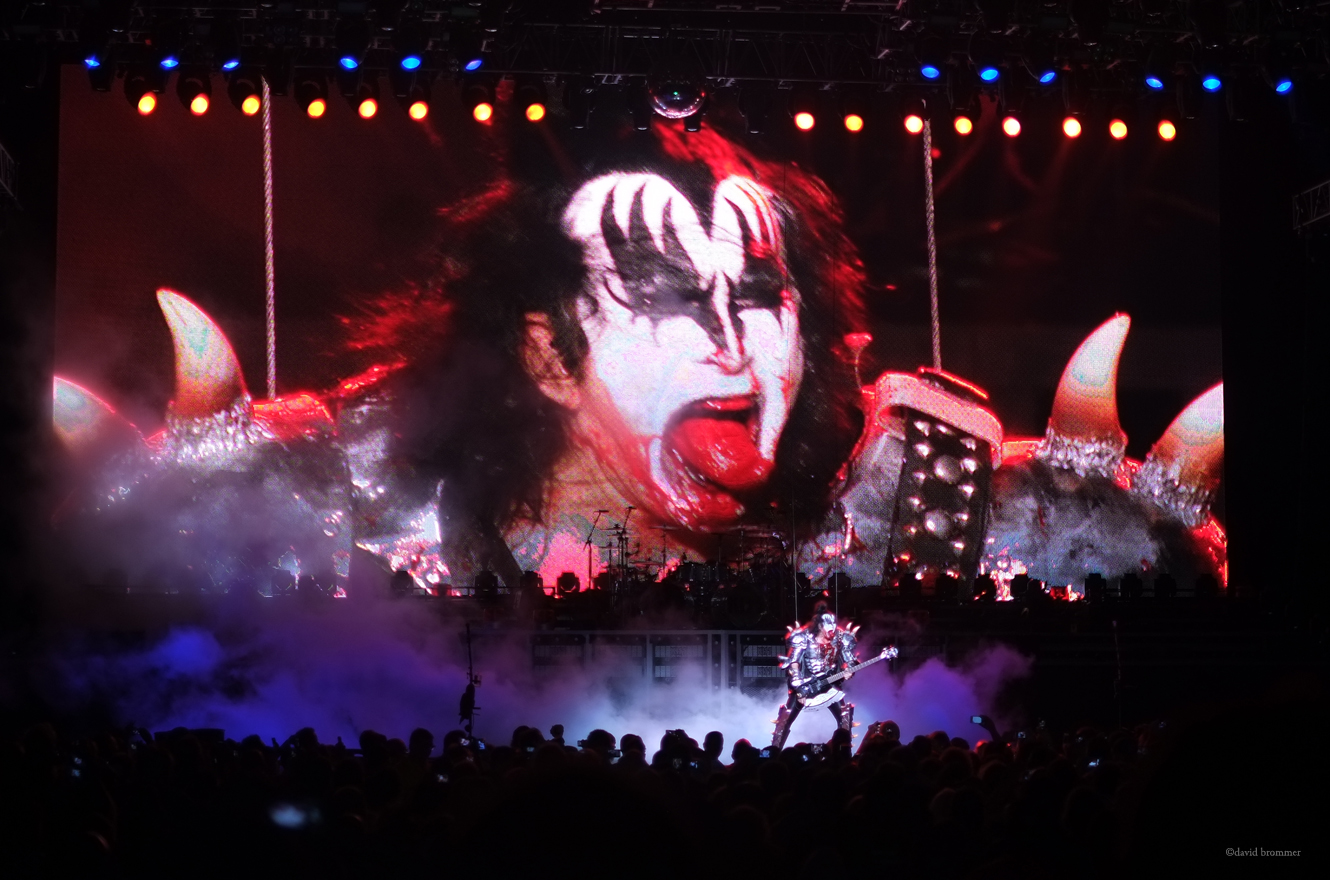
Gene Simmons of Kiss, still spewing blood after 40 years.

The grumblings of this rumor started with my friend Brandon a few weeks ago. We’re both “photo industry” guys and we are privy to charts, numbers and insider information (of course this is photo industry insider info so we wont be chillin’ with Bernie Maddox) about cameras and the technology that drives them. In the past few days after the big Photokina show (photo industry trade show in Europe where half the new camera’s of the year are announced) a flurry of “Mirrorless” cams were announced. Also back in January 2012, photo blogger and all around good guy, Trey Ratcliffe posted “DSLRS are a dying Breed”. Seems a lot of attention is being mentioned online about the future of camera gear and it seems the poor old DSLR is getting it’s mirrored rump slapped.  However, I disagree whole-heartedly with these predictions.  The DSLR is a vital tool in photography, it has its place and shant be replaced with a Mirrorless camera they way the DSLR made the film based SLR obsolete. On the contrary, DSLR lenses and functionality will continue to increase and become much more popular as the coveted full size sensor becomes more affordable. For a long time I believe, at least a few more generations of photographers. Many of my students ask which is better? I don’t believe one is better than the other inherently, but which is better matched to the user. I do get rankled when I hear that DSLR is dead. I think far from it. Very far, like galaxy far.

First I’m going to characterize the users, the photographers who will be making images so we can establish what they need. The first letter will act as code applying to the following lists, the strong points and weak points of DSLR vs. Mirrorless and which photographer can benefit. This is a very fair way of evaluating the merits of each class of camera.

Types of Photographer

<PP> Pro Photographer: Someone who pays for their food and shelter with money generated by photographs they make. In most cases, they will specialize in genre such as journalism, fashion, portrait, event (weddings and such), sports, commercial (companies need photos of all the time), fine art, and the a common one, the “freelancer” who will shoot just about anything to make buck. Often they may have studied photography in school and fallen in love with the medium. Pro Photographers often blur the lines teaching, lecturing, testing and taking on new projects as they present themselves. But for all, this is their primary source of income.

<AH> Advanced Hobbyist: Someone who loves photography including the images, the gear, and the simple act of clicking a shutter and capturing a slice of time and place. They can be fanatical in their pursuit of photography. They purchase the latest gear, they take photo trips and join clubs and enter photo competitions. If their 2.0 minded, they might also have a heavy online presences with social media such as Flickr, Pinterist and such. I’m also going to put the fine art photographer in this category. The emphasis is on vision with a solid versatile camera for the needs of these shooters.

<CS> The Casual Shooter: They would never call themselves a photographer, they just seek to document important people and occasions in their life. They are the vacationers, family, and friends. They are not usually artistic nor the have the inclination to really care about the finer aspects of a good photograph. They often know a good photo when they see one, but their quest is to record a slice of time and place sharply, well exposed and with a minimal of effort and size.
What cameras will this generation be shooting with? BadAss I’d say!

Merits and Shortcomings of DSLR and Mirrorless

Long lenses: Long and fast telephoto optics is plentiful for the DSLR. Since these lenses tend be long and heavy, having a larger camera on the back of them really helps your maneuver the whole package to get what you want. PP, AH

Easy Ergonomics Due to Larger Size Camera: DSLR are indeed larger, and that can help by providing more space to put buttons and larger buttons at that. The Olympus Pen cameras in particular have very small and annoying buttons to navigate menu and camera features. Having a good grip on the camera can help make it more easy to use and less fumbling. This rings so true when working with heavy fast optics. PP, AH, CS

WYSIWYG or “What you see is what you get”: No matter how good a EVF (electronic view finder) is, your still looking at pixels. Movement, gain, grain is all presented in the viewfinder if your lucky and even have one on Mirrorless cameras. That archaic mirror reflex system found on DSLRs lets you see in analog, like the world was meant to be seen. I don’t want to compose looking at a TV screen, because that’s exactly what an EVF is, a miniature TV. I’d rather look at the real world when I’m making a photograph. I want to “feel” the place and find the image. I have never been a huge fan of video games and seeing the scene gives it more tangibility.  PP, AH

Pros shoot with Pro “looking” Cameras: Show up to shoot a wedding with the same camera that Uncle Bob has will make the Bride wonder why they are paying you the big bucks. It may be superficial to make this claim, but it’s true. There are different levels that a pro photographer can attain. Lets say the highest is shooting for Vogue, you will need to project an image to have access to this type of photography, and yes, a Hassalblad H4 will impress the art directors, models, and most important, the client. Show up with a Panasonic GH3 and your going to get laughed at. PP

Value: $500 bucks gets you a really nice DSLR. $3000 gets you’re an extremely capable camera. I think that there are great values in the range of DSLR’s out there. CS

Compact and Light Weight: For the photographer who travels, this is fantastic. Hauling around lots of heavy and cumbersome gear is annoying and for some folk prohibitive. Many of my female students have small hands, and the smaller cameras fit into them better. Some of my students have been older and between arthritis and other physical reasons a smaller camera is easier on their wrists and back. The photographer Bob Krist who is known as a travel photographer likes to use these smaller cams because he is restricted often by weight limits on bush planes. CS, AH (and sometimes the PP if travel is their specialty)

Performance vs. Cost: Bigger sensors provide more information and can yield a better image. Especially if your printing large or will be cropping. Larger sensors to tend to also have a greater dynamic range to capture highlight and shadows. As of 2012, it is less expensive to purchase a DSLR with a APS-C size sensor than a comparable mirror-less camera. The Canon Rebel T3  costs $479 which is the least expensive DSLR on the market. The least expensive Mirrorless that has a APS-C size sensor, the Sony NEX 5n is $499. All the other models of Mirrorless that have APS-C size or micro 4/3 are much more expensive. CS 

Lens Selection: You can mount more lenses without adaptors onto the DSLR system. While this may be true you may never venture out to using a 1970’s vintage Canon FD, Nikon AI or maybe that hip Russian Zenit lens. Mirrorless cameras can use various mount adaptors that can be costly but usually the focus will be hampered by the EVF. The only one that does it well is Sony with their focus peaking feature, but I don’t care to evaluate focus with shimmering white dot matrixes personally. PP, AH

Cool Factor: DSLR cams hearken back to the golden era of film based 35mm photography. There is nothing like making pictures with a SLR, the clicking sound, the heft of the camera and the strapping on of a camera that says Nikon. Mirrorless cameras are radical and hi-tech. they often don’t even look like a camera. AH, CS

Talk to the skull, er I mean hand.

I hope this post sheds light on the recent debate. As for me, I chose the Fujifilm X-Pro 1 mainly because it gave me parallax corrected viewfinder, performance, and size plus a whole lotta cool factor. I stand by saying that any camera in the hand of a person who has vision and some technical skill can make a great image from that camera. Can they make many? Then it takes the right camera to photographer combo.

The place is really jumping to the Hiwatt amps,
‘Til a 20-inch cymbal fell and cut the lamps,
In the blackout they dance right into the aisle,
And as the doors fly open even the promoter smiles,
Someone takes his pants off and the rafters knock,
Rock is dead, they say,
Long live rock, long live rock, long live rock

The Who

~David Brommer