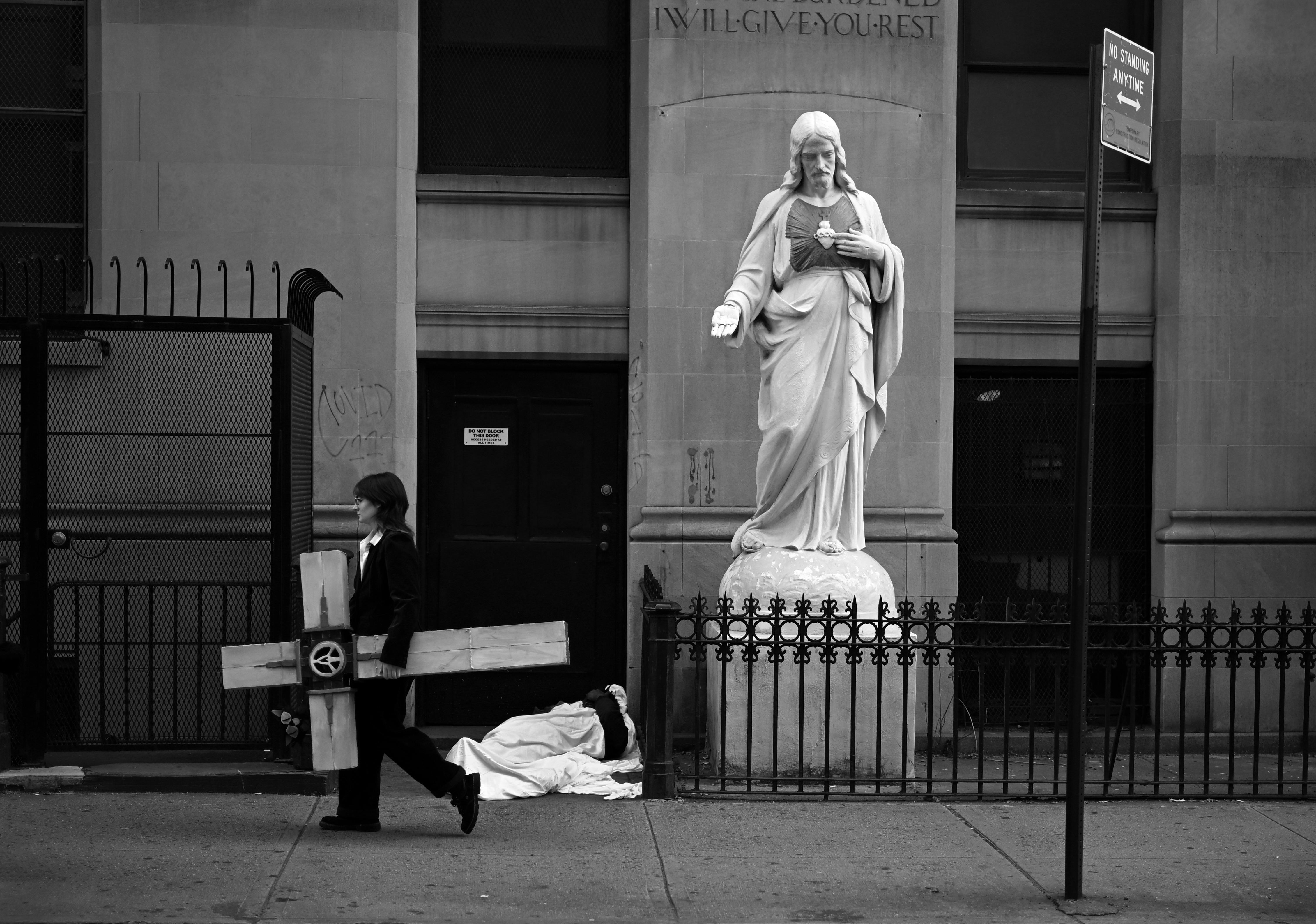
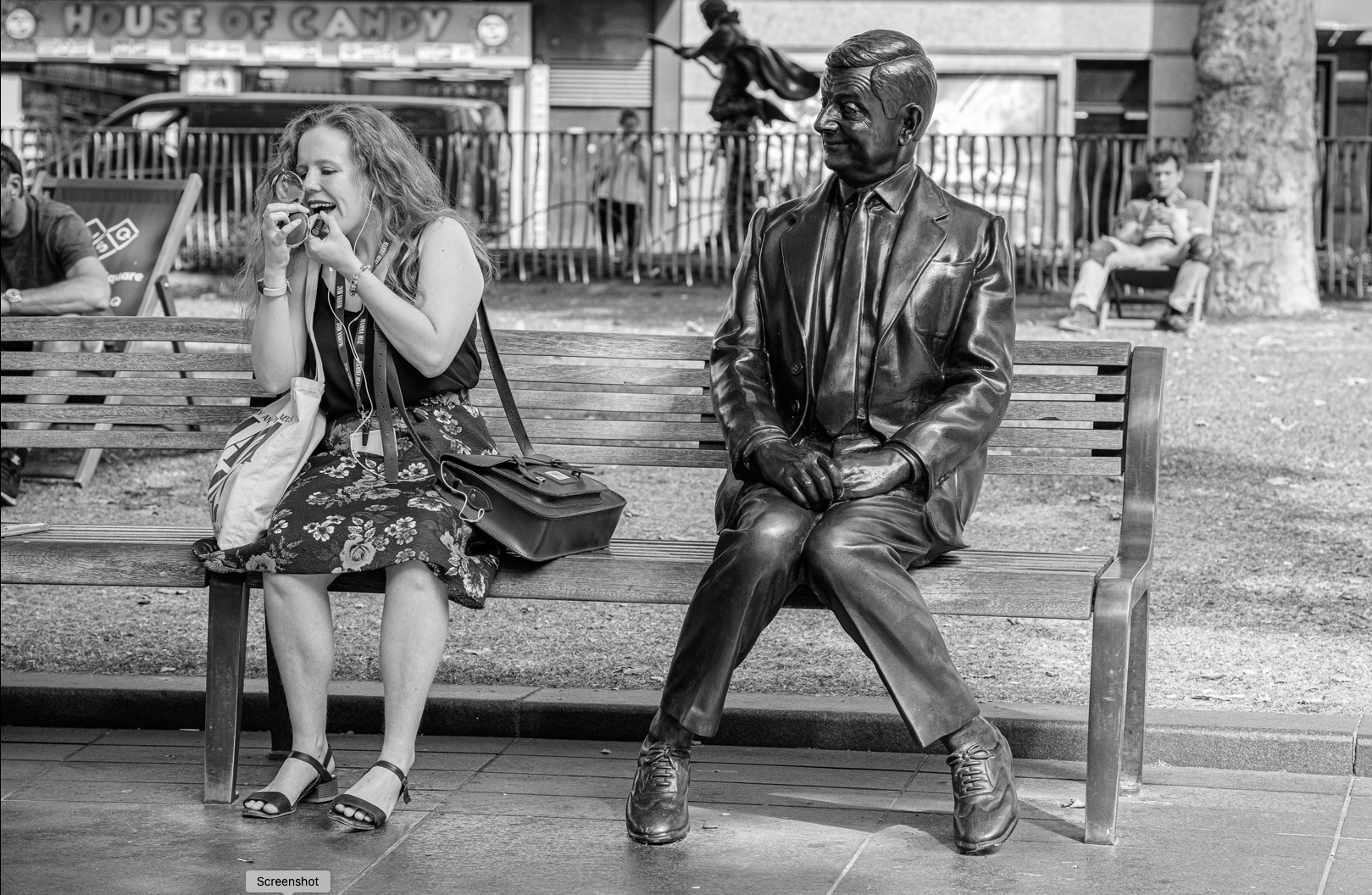
On this next assignment (or shall we say ‘visual challenge’) we are going to explore how very different subjects can dynamically interact with each other, whether they are thrown in a situation or they just happen to exist in two diametrically opposite circumstances.
The goal of the exercise is to push our vision to the brim of conflict, break free from pre conceived notions and find the harmony in opposition.
SUBMISSION DEADLINE: MAY 5 TH AT MIDNIGHT. LIVE REVIEW MONDAY MAY 6TH AT 6:00 PM
Now point your cameras at it. Here are the rules:
You can submit one image in the theme “OPPOSITES ATTRACT”. This image is an assignment, you are highly encouraged to prioritize creating this photograph in the coming weeks. Since there is so much lead time, only newly created work will be reviewed. You may NOT draw from your archive, by embracing this home work you will gain the full benefit of this assignment,seek out or make the image.
Upload ONE 2-5 mb jpeg. Images must follow this naming convention: firstname_lastname.jpg ie: david_brommer.jpg and not have a water mark. Images will only be used for a one time recorded critique. By following the naming convention you will receive credit for your work in the form of a shout out during the review.
Take this assignment seriously. Street Photographers can hit the pavement and find the opposites attracting or you can set up the photograph with family, friends and other willing accomplices. Start taking notes, write down ideas that come to your mind while thinking about what Opposites Attract means to you. Plan where you will make these photographs or how you will construct the photograph.
One image will be chosen as the best in class and a $50 donation to IPC will be made in the photographers name. Your hard work will do good by supporting an excellent organization.
The International Photographic Council (IPC) is dedicated to increasing worldwide recognition of photography as a universal means of communication. Through a variety of efforts such as the awarding of scholarships to students and the recognition of professional photographers annually at the UN, IPC continues to promote photography in the spirit of its motto: “Peace Through Photography, the Universal Language.”
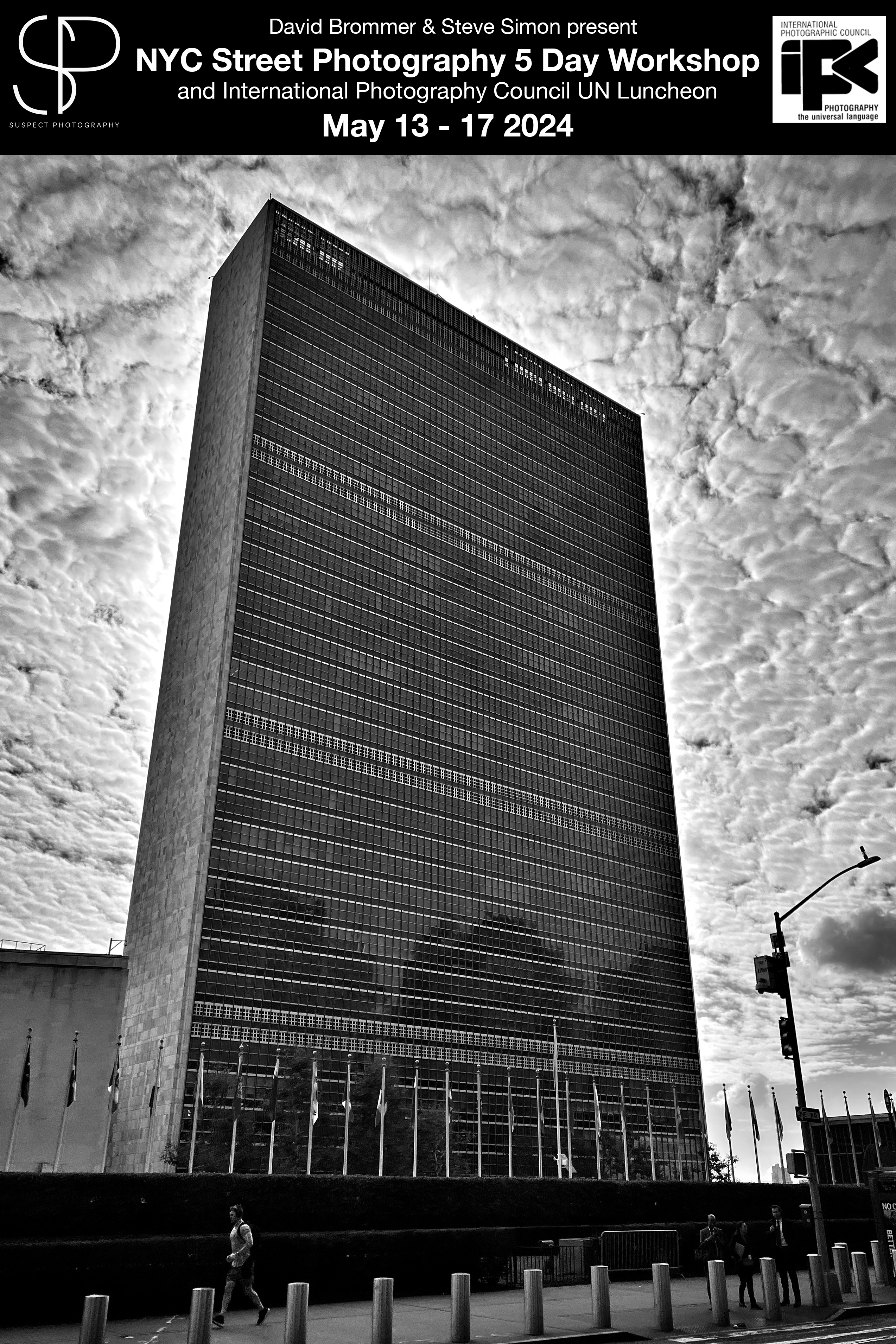
Take your photography to the next level with this Intensive & Transformational Shooting Experience in The Street Photography Capital of The World, NYC. Plus secure your seat at the International Photography Conference’s 50th Anniversary Celebration at the Delegates Dining Room at The United Nations where Francoise Kirkland will receiver a Lifetime Achievement Dedication in honor of the great Douglas Kirkland and IPC’s Environmental Photography Award to Benjamin Von Wong will be presented. Our class will have it’s own table-a great opportunity to rub elbows with great photographers and industry insiders (and a one hour guided tour of the UN too!)
Dates: May 13-17, 2024
Genre: Street & Urban Photography
Group Size: Max 8 participants
Skill Levels: All
Includes: Critiques & Lectures, 2 Group Dinners, United Nations Luncheon, MTA Pass for transport to the five boroughs, Museum Entrances, teaching materials, snacks and plenty of camera whispering along with a pre and post workshop zoom.
$2,500 Workshop Fee ($100 Deposit and final balance due May 5th)
Locations may include: Little Island, the West Village, East Village, SoHo, Chelsea Galleries, MOMA, Central Park, Governors Island, Coney Island, Times Square, High Line Park, Harlem, Fifth Avenue & 57 Street, Brooklyn Bridge, Chinatown, Little Italy, Ground Zero and the Lower East Side, Union Square, Washington Square Park, Queens and Brooklyn.
This is a mentorship workshop where Steve or David meets with each participant prior to the start for a one-on-one Zoom meeting assessment of your portfolio and a tech check to discuss gear and best ways to use it regardless of your system brand. We make tweaks to enhance your speed of response which might include back button autofocus, Auto ISO, Easy Exposure Compensation, frame rate and playback options along with other best practices all designed to simplify your process and build your muscle memory so the technical fades to the background and you increase you success rate.
photo by David Brommer
AN INTENSIVE & TRANSFORMATIONAL SHOOTING EXPERIENCE
This intensive workshop will help you find your own unique vision and street style through assignments created to get you past photographic fears and cliches to capturing lyrical, poetic and decisive moments that communicate the energy of the streets. But mostly you will be shooting the theatre that is the street; sometimes together, often on our own.
You’ll learn about the “rhythm of place” and you will discuss the laws and ethics of street photography as well as dealing with difficult situations that might pop up. You will define a strategy for capturing the rich daily life of people on the street; overcoming fears and shyness, approaching strangers, framing, juxtaposition, layering your compositions, letting the image come to you and whether color or black and white best suits your vision. And you will have fun!
Though the schedule may seem packed, woven into the program is down time to relax, edit your work and percolate on the experience and what is being taught.
We encourage flexibility and independence among participants and will attempt to personalize your experience whenever possible. If you fall in love with an area and want to continue working there–you are encouraged to do so.
Limiting the participants to 10 allows us to tailor this workshop to meet the needs of each participant. Lectures and assignments will be personalized to get you out of your comfort zone and push you forward in your work.
We have curated this tour to alter between the spectacular indoor and outdoor iconic New York photo opportunities like The Whitney (currently the Biennial is on exhibit), Grand Central Station and The Oculus with the usual vibrant, visually rich places and neighborhoods New York is famous for. New Yorkers David Brommer & Steve Simon will take you to these and other hidden gems.
The Dinners: Gemma @ The Bowery Hotel and David’s Rooftop in Chelsea
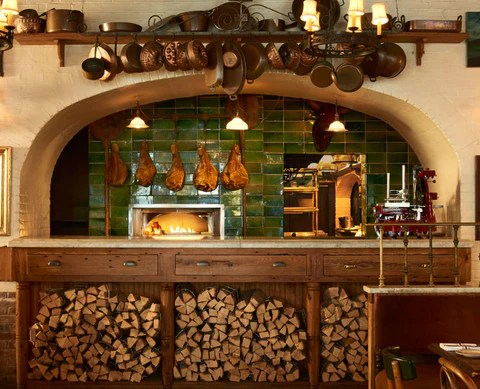
Gemma is the iconic Italian restaurant on the ground floor of The Bowery Hotel. It’s a very special dinner location, a true New York City culinary experience. The stunning atmosphere; the delicious food and the quiet ambiance makes for a great epicurean evening of conversation.
“Gemma has an unlabored panache that makes an evening go down very easy”.
-THE NEW YORK TIMES
David’s wife Barbara Brommer is an accomplished chef and will delight you with special morsels to be appreciated while photographing a magnificent sunset 23 floors above the Chelsea neighborhood with stunning views of lower Manhattan, Empire State Building and the new skyscrapers of Hudson Yards.
Street Philosophies
Steve & David will help and encourage you to find your own unique vision through assignments created to get you past photographic fears and cliches to capturing lyrical, poetic and decisive moments that communicate the energy of the city. David will bring his years of experience and share his lessons to help you find and develop your photographic style. In classroom David will lead talks that dissect the anatomy of photographic style that will help students achieve a definable style they can call their own.
All levels of photographic experience can benefit from this workshop. You’ll learn about the “rhythm of place” and you will discuss the laws and ethics of street photography as well as dealing with difficult situations that might pop up.
You will define a strategy for capturing the rich daily life of people, overcoming fears and shyness, approaching strangers, framing, juxtaposition, layering your compositions, letting the image come to you and whether color or black and white best suits your vision. And you will have fun!
photo by Steve Simon
Post Workshop Mentorship
After our workshop we have a post-workshop Zoom Class where we have our final lecture and critique of images not yet seen and Steve & David put together a narrative of your best work from the workshop. You also can schedule a final hour-long one-on-one Zoom session to talk about the final outcome of the workshop and areas to work on moving forward.
photo by David Brommer
Street Tech
We will talk urban-tech with Steve giving you his minimalist view on gear along with simplified shooting processes to maximizing your response time to capture decisive moments. This will be in our one on one session where we tailor the technical for the gear you use.
Steve’s street tools include Nikon mirrorless and DLSR cameras along with a carefully curated selection of lenses. He is also familiar with a wide range of equipment to help you maximize your mirrorless, compact, rangefinder, DSLR or even your camera phone for compelling urban images. David shoots Nikon and Fujifilm, but is also known for shooting analog and will have a few film cameras on hand for the curious. David is a famous “Camera Whisperer” and calls himself “PolyCamerous” from his years working for B&H Photo and the camera industry.
Though our focus is on vision more than gear, we will talk lenses, auto focus, zone focusing, shooting form the hip, using live view, flash, camera support and tripods and a host of other tips, tricks, distractions and ideas that will improve your work dramatically. Steve will go over his post-process workflow in Lightroom.
It’s a street and urban photography masterclass but the lessons learned will benefit you in all genres of image-making and help you to create a compelling New York City portfolio.
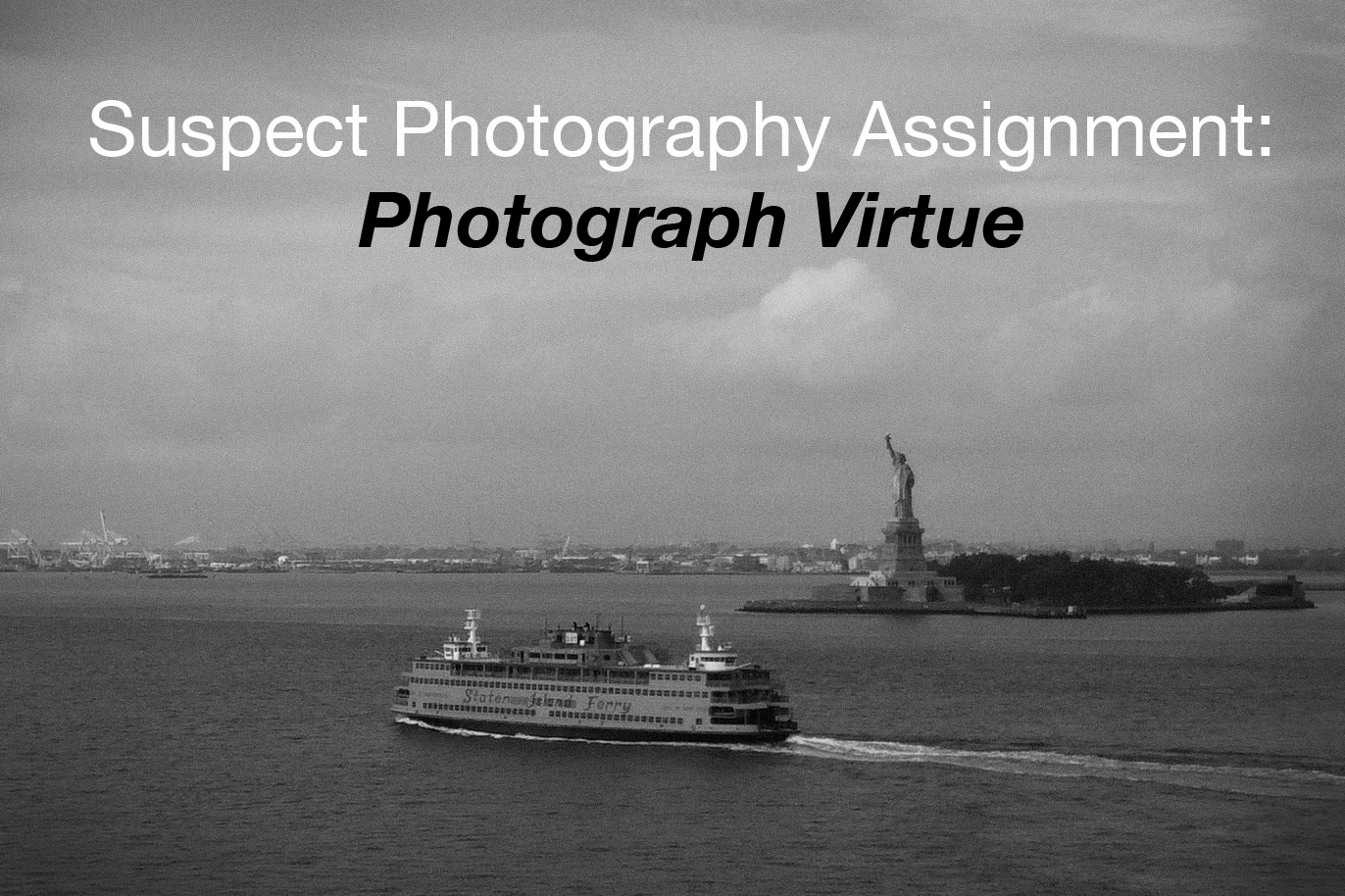
In keeping with a theme of Positivity through Photography we present our First Assignment: Photograph Virtue.
The idea of this assignment is to foster an appreciation for what is positive in our photo life. The Cambridge Dictionary states, Virtue (Noun) “A good moral quality in a person, or the general quality of being morally good”. Another suggestion by Douglas Holleley in his book, “Your Assignment: Photography” is to consider the “Seven Deadly Sins” polar opposites being; chastity, restraint, generosity, diligence, patience (of course we have all heard, “Patience is a virtue), kindness, and humility. Please only use the above examples of Virtue as a starting point (Holleley stated the opposites are debatable). You are as always free to interpret virtue as you see virtue.
Submission Deadline: March 13th at midnight. Live Review Thursday March 14th at 6:00 pm
Now point your cameras at it. Here are the rules:
You can submit one image in the theme “virtue”. This image is an assignment, you are highly encouraged to prioritize creating this photograph over this week. You may draw from your archive, because even that is an exercise, however to gain the full benefit of this assignment, you should seek out the image. Upload ONE 2-5 mb jpeg. Images must follow this naming convention: firstname_lastname.jpg ie: david_brommer.jpg and not have a water mark. Images will only be used for a one time recorded critique. By following the naming convention you will receive credit for your work in the form of a shout out during the review.
We will review as many images as we can in one hour from David’s selection on submitted work. Class Zoom is limited to 100 participants at one time. The review will be recorded and presented on Youtube at a later date. Any questions, feel free to email david.
A natural inclination of photographers, when seeing an interesting subject or scene, is to take one shot and move on. In most cases there was a good photograph in there, but by casually investing in only one shot, the full potential is missed. When you find something interesting you stand a better chance of “scoring a banger”, (meaning making a great image), simply by taking a few more shots and zeroing in on what you saw in the first place. Even if the first shot ends up being the best, at least you got a few to choose from.
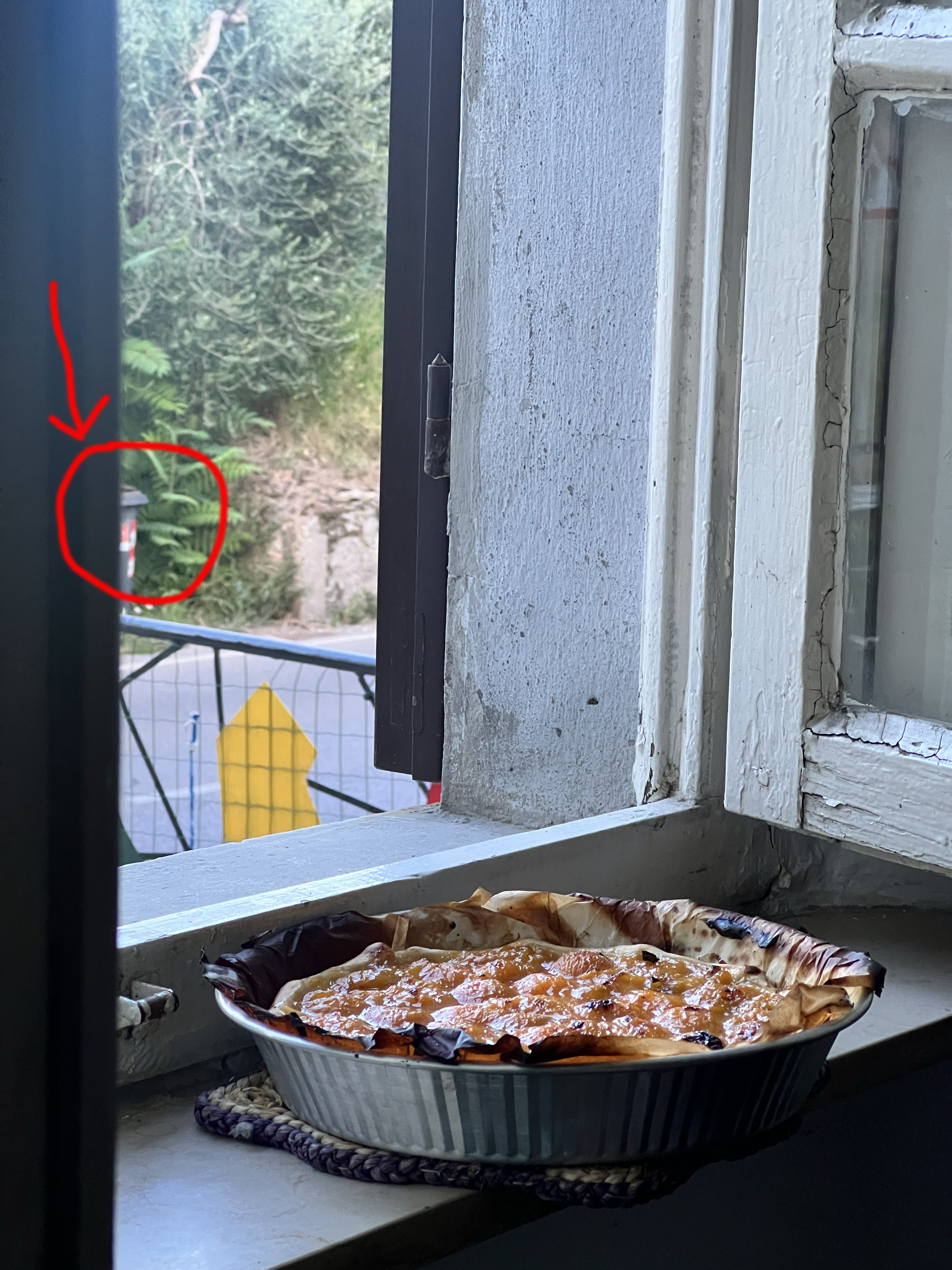
A country classic: a pie straight out of the oven cooling off on a pastoral window sill.
What at first sight would seem an easy-peasy composition, needs constant compositional adjustment. Below are the shots in sequence, shown raw out of an iPhone 13 Summer 2023.
I love the shot, but the red car just kills it for me. Way too intrusive, we need to crop it out.
I try to compose the car out, but then a garbage can enters the scene. No one ever said photography was easy. Keep working.
Car is out, but that garbage can is just annoyingly a tad bit in the view middle left.
How about we just fix it in post? Quickly cloned out now but… I feel dirty solving the problem in post rather than in view finder in the moment. Do you feel dirty using cloning tools and generative fill? Tell the truth now.
This the final image. I was bouncing around the kitchen to make sure the background was not distracting and retained a sense of place. I miss the fields, but at least have a slice of them. Now how about a slice of that pie?
“You are responsible for every centimeter of your view finder”
There are a few lessons here, but two stand out. First: watch out for the background. Second, and really equally important as the previous: keep working the scene & subject. Put more effort into making the image and you will be rewarded with better photographs.
This is my final edit on the image. I decided to stay in my style of dominant black and white and ran the file through the raw convertor in photoshop.
This shot was taken while I was at a stop light sitting on my Vespa. I looked up and the drama of the clouds struck me. I slipped the phone out of my pocket pointed it straight up and make this shot. It looked good in color, but the B&W was more dramatic.
When you leave home and hit the road, be it for work, play, or pretty much anything you set out t do, you should always carry a camera. There is a photographic axiom that says, “What is the best camera? The camera you have with you!” and that is undeniably true. The camera you will sling over your shoulder is going to change over the years and a new camera can stimulate you and put you into a photo-taking mood by simply being new. The technology changes, and even the great masters used a range of cameras across thier careers.
Taken at dusk on a bridge over the Arno River in Florence. I pushed the saturation to give it extra punch. I also shot this with my trusty Fuji XPro1, but made the same shot with the IPhone so I could tag and share it by the time I steppe off the bridge.
But sometimes you leave your camera at home because it’s just too heavy and cumbersome. Compositions and photo movements abound, just because you don’t have your camera with you doesn’t mean you aren’t seeing and the photo opportunities are not present. Three things you don’t leave at home that are non-negotiable are; keys, wallet and mobile phone. The camera & phone combo may be the greatest technological achievement of the 21st century because it allows us to always have a camera with us, and the ability to share our images.
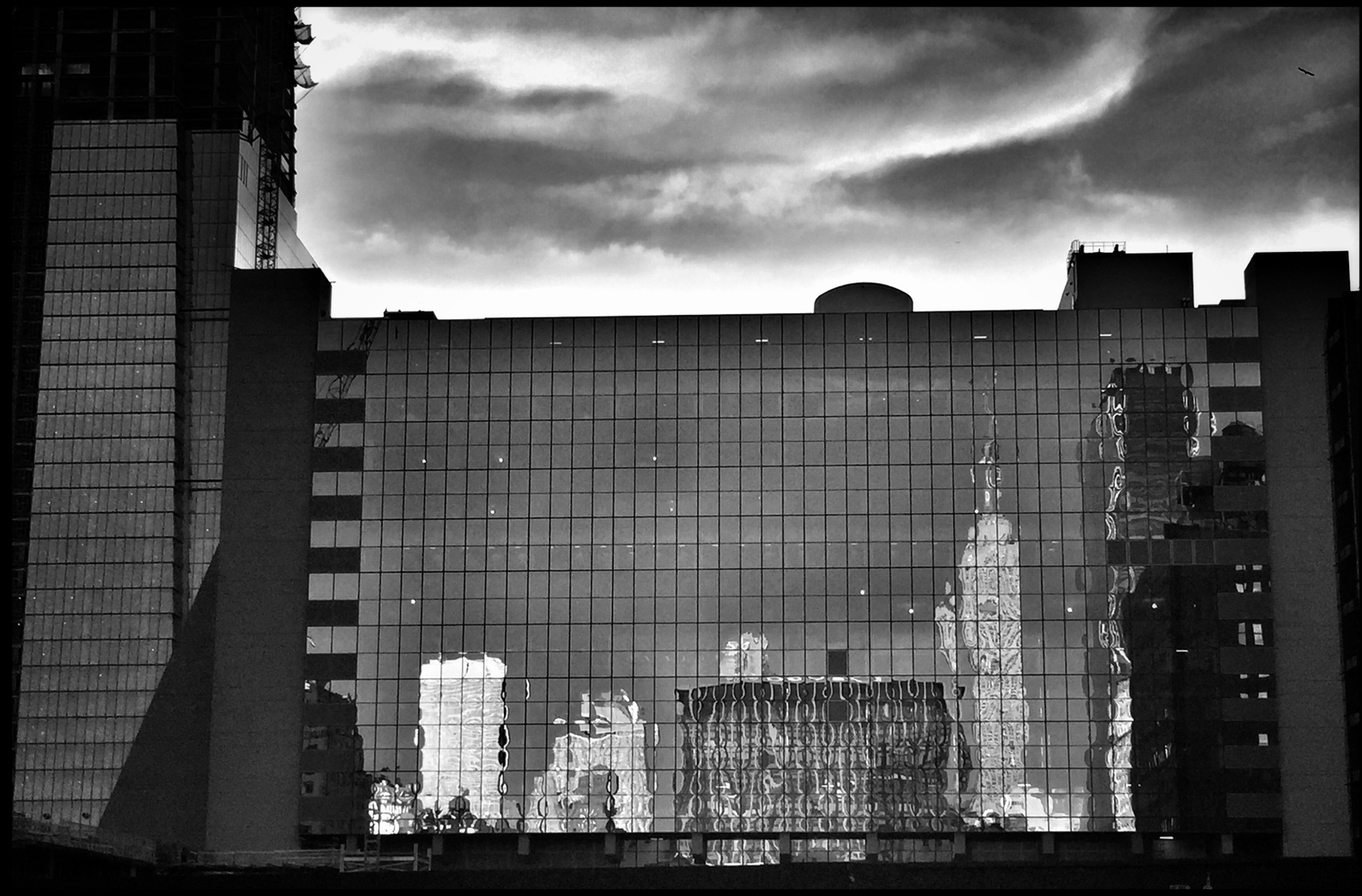
Keep your eyes open when walking and when you see something interesting, bam! You can capture faster than you can call your mom. Construction site for Hudson Yards project in NYC.
My only ‘photo-phone’ experience so far has been using the Apple iPhone, so if you are going to call me an Apple fan boy, go ahead, I accept that moniker because I believe in the iPhone and started off with an iPhone 3 in 2007. The first photo I took was a homeless person in a atm bank lobby. Later I would shoot what might have been the first IPhone wedding of NY fashion designer Michele Korn using only the IPhone 3. I fell in love with the device, simply because it was always in my pocket! Dutifully I went from iPhone 3, to 4, to 4s, skipped a 5 and got the 6 early in 2015. The progression has been upward, but the 6 was a big leap in quality from its predecessors. All images shown in this blog post were taken this year with the IPhone 6.
Still Life with the IPhone, you bet! This was a homage to Edward Weston’s pepper. I added the cherry tomatoes to give the image a set of balls 😉
So here are my 6 recommendations:
One- Wipe you lens off each time you go to make a photograph. That lens is tiny, and you need it as clean as can be to maintain sharpness. A finger print will substantially soften the image and lower contrast. An actual smudge or what we call “schmutz” in New York will diffuse your image to the point of total failure. Use your t-shirt, a tissue, or whatever you have handy. Of course a micro fiber is the best choice. My wife Barbara keeps her iPhone in a micro fiber pouch to protect it in her pocket book from scratches and that makes a great way to keep the lens smudge and scratch free.
Nikki Sixx on tour with Six AM. I was about 15 feet back and cropped in post. The colors were awful as most concert photography is, so I just converted to black and white.
Two- Be touchy. Your phone does have auto-focus and auto-exposure, but it can get fooled. Compose your image first, and then tap on the subject of your photo. Once you have a focus and exposure lock, you can then drag your finger up or down to adjust exposure. Very useful for backlit subjects and in that case, touch up for + exposure. This will come handy when you are shooting at the beach or in a snow scene.
View from Little Round Top over the Valley of Death at Gettysburg, PA. This is a great example of working the exposure. I tapped the cannon and then had to further adjust the exposure due to the setting sun in the photo.
Three- Capture with the standard camera setting. Don’t bother with the HDR mode, it’s better to adjust your image later in a post-processing app which we will talk about later. The standard photo is a 4:3 ratio which will give you a standard image. You might want to consider shooting in square mode if you plan on using instagram, since instagram forces you to use square compositions. This will save you having to crop later and perhaps missing a part of the image that you wanted in or is needed for the composition. Getting it as close to perfect in the capture, then fine tuning later in post is a great rule of thumb.
I saw this composition across the street and waited about 3 minutes for the traffic to clear. Look close, All but one (who is eating) are on their phones! I corrected the perspective in Snapseed to make the lines all straight.
Four- Turn the flash off. Yup, unless it is really dark, like the inside of club or outside at night and you are shooting a subject less than 7 feet away, the flash (which is really a led light and not a flash at all) will make a crappy photo. There are three settings, off, on, and auto. By default it’s on auto out of the box, you will want to set that to off. I never ever use the flash function, I hate the way it looks. A trick to use if you must shoot in the dark, is have a friend hold up their iPhone and use it as a flash light. This way, the angle of light gives shape as opposed to your flash right next to the lens making a flat over exposed image.
Go ahead, be that person who posts their food, but make sure it looks good! If you can’t shoot your dish in good light then just don’t. Use the table cloth to add to the ambiance, feel free to arrange the salt shaker and utensils so it looks good. Never use the flash!
Five- Use minimal if any zoom. Any zooming you do by pinching the image will digitally zoom it, and it’s better to just do that in a post app. I advocate if you are good with composition to use a little bit of zoom if you can’t physically get closer, like a shooting a building across a busy street, but really cropping should be done in post to maintain quality. When you have to 8 to 12 megapixels like the iPhone has, you have plenty of pixels to crop in post. Also, your focus can be tricked if you zoom heavily.
Street shooting with the IPhone you never miss a shot. Just keep an eye on the street signs so you don’t get a ticket 😉
Six- Use the best app ever invented, and that is Snapseed. Invented by Nik and then acquired by Google, Snapseed does it all. I love Snapseed because it’s free, and it’s spectacular. I used to advocate Adobe PS Express and Camera bag but Google has super charged Snapseed into a beast of an app. And did I mention it’s free? Every image you see on this page was captured with the iPhone, then opened up with Snapseed and edited. I suggest you subscribe to this blog, I’ll be posting a Snapseed tutorial soon.
NY Harbor from a tall building in Battery Park. the Drama filter in Snapseed just really brings out the rays of light and clouds.
Well there you have it. Six tips to make you iPhone experience rock. Keep shooting!
~David
The house I summered in when I was a kid in the 70’s. Bradley Beach.
And lastly, my two favorite things to shoot, Barbara my wife and the Raven Wing my Harley Davidson.
Looking up to Montmarte, Paris. Canon Power Shot A70
The most difficult aspect of Photography to master is Picture Image Editing. You can learn to shoot better, to expose properly, to capture composition, achieve perfect timing, master the light, focus on details and blur what you don’t want. You will have to ensure you are in the right place at the golden hour, always coaxing gesture from subjects and understanding the camera you hold in your hands, these are all hallmarks of a great photographer. You can learn these things by shooting a whole lot, or you can fast track an be taught in schools and workshops. However there is one skill that can’t be taught, its importance is paramount, yet is seldom discussed in the arsenal of photographic skills, that of picture editing.
Paris in April. Canon Power Shot A70
I’m not referring to post editing, as in using Light Room, DxO, or even Photoshop to crop and adjust, I’m suggesting editing in the sense of “I have these 748 pictures and which ones are the best”? Self-editing is very difficult, I see poor editing while reviewing photographers work frequently and especially among the new photographers. When you have to choose 3 images from your archive, it’s an art all itself to make the right picks.
Notre Dame. This was shot with the Canon Power Shot A70 and heavily worked in photoshop to correct perspective and monochrome convert.
The following seven elements are what I have learned to use over the years. They have served me well and this post is populated with images I found in my archive, never before published pulled up just for use here. Some go back 12 years.
One: Take a page from Ansel Adams and pre-visualize the best shot that can be made from the scene before you. Ansel worked with large format cameras and they force you to get it right with an economy of shutter snaps. Contemplate the image in front of you and take time realizing the elements that will make a solid photograph. Resist a haphazard approach like overshooting in the hopes that one image will have a correct horizon and cloud will be in the just the right place. All this creates is a clutter of files and essentially- a bigger haystack to find the best shot.
Two: Archive or develop as soon as possible. Get the images off the card or the film processed before image anarchy occurs. Cluttered memory cards, unprocessed rolls of film in drawers, make bad for editing.
Three: Soak up a good look at what you have shot. This can start a healthy review of work via the playback button the camera. Don’t be afraid to pixel peep (zooming into the image) to check for proper focus. You have a succession of very similar shots, and one or two missed the mark for focus, but the other shots are tack sharp, feel free to delete the softies right out of the camera. I have found that I can edit very well right off the camera in most circumstances. I like to use a Hoodman Hood Loupe if I decide to pack it, it’s fairly cumbersome but it’s great at isolating your point of view when using the camera LCD.
Four: However you archive, be it Adobe Lightroom or manually like me, do it the same way, set up a consistent file structure and keep two hard drives or a raid as a back up. Name the shoot, and I also will date it too. Once the images are off the card, or processed and scanned, run through them again. Pick out a few favorites. Open them up and do a little post editing.
Five: Show them off and get some opinions. Throw them up on Face Book, tweet ‘em, Instagram them (even though I hate Instagram). My rule when I put up a shot on my Facebook if it gets over 100 likes then I know I nailed it.
Six: Move on. Forget about them. Work on your next shot. When you are ready to do something with them, and need them, make sure you have them properly cataloged on your drives so they are easy to locate for when you need them.
Seven: Dive back in fresh and do what really is your third edit. Based on your internal instinct and some reactions from your network look at your edit again, and also, the un-edited archive. You might very well have missed something. Become friends with this edit, improve on them with post processing. If you need to narrow them down further, set them up in folder for your screen saver and then your monitors become a “familiarization device” to better understand which are the strongest images. I learned this trick from Jock Sturges.
Union Square Pogo dance action. I recall shooting this, then dumping into a folder and forgetting about it. When I found it again I was thrilled to post edit and have a solid NYC street shot. A gem, hidden in a seldom used hardrive.
In summary, don’t shoot so much, go for quality not quantity and ask your network what they think of the images, then sit on them for awhile and keep shooting, return to them and look at your edit and the un-edited again. My last tip is that frequently, a crop is in order. Many a good image can be overlooked but stands out with a good crop. They say it’s all in the eyes.
I honestly don’t know who’s eye this is. I found a folder nested deeply among other folders with about 10 different eyes. I barely recall shooting this.
All things being equal, The Sky, The Moon and the Mountain.
I found myself roaring through desert canyon land over a hundred miles an hour astride a 1810 CC Indian Chief Vintage. I had companions; a lithe young photographer who specializes in portraits blazing alongside in a huge Harley Davidson, and the other just as opposite but more magnetic, a night photographer completely ecstatic as he was rolling on an Indian Scout. Oh, and there was a King with his Queen on another big Harley Davidson Road King, of course.
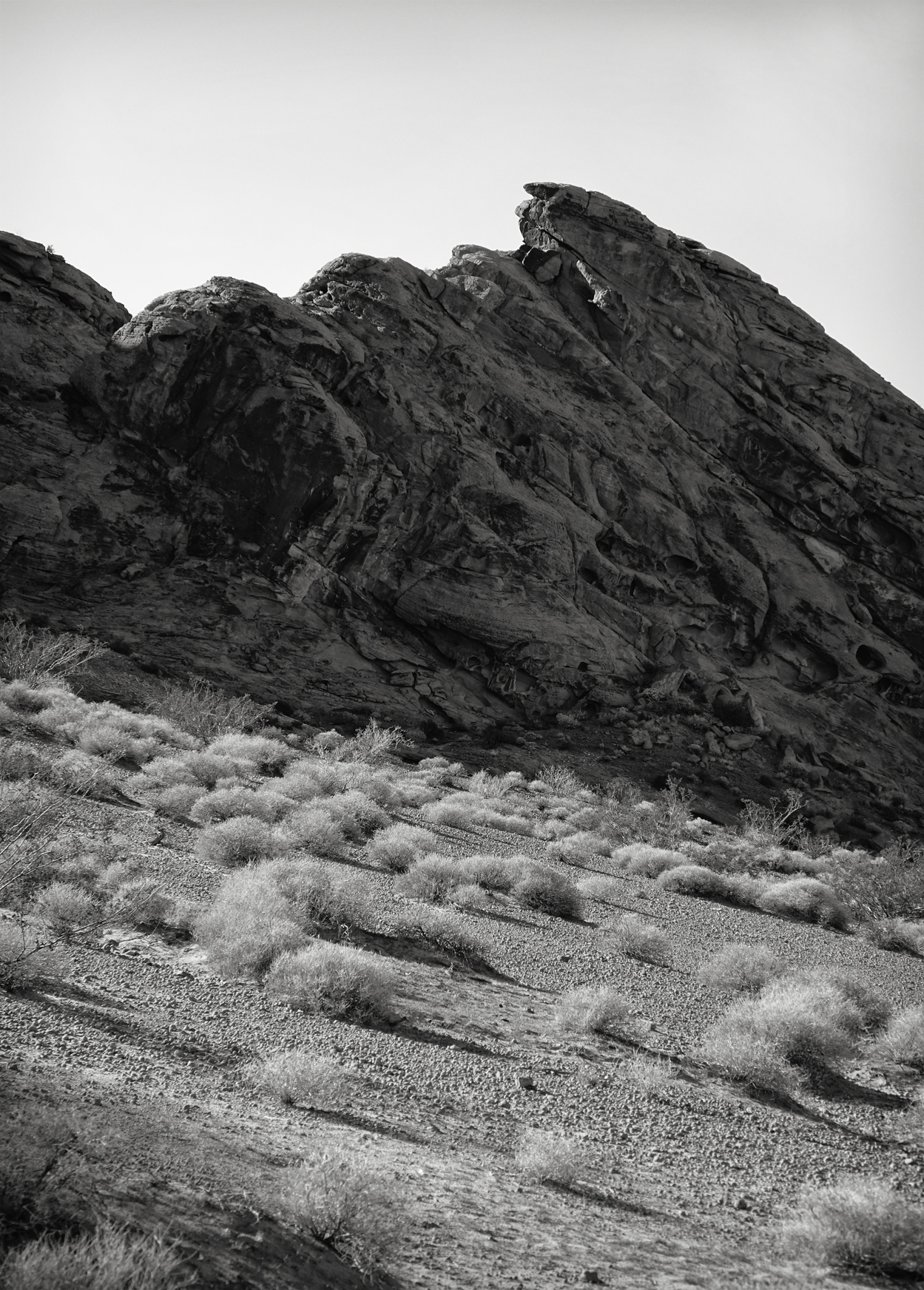
The strategic tilt is executed in the Valley of Fire. I loved the shadows from the bushes.
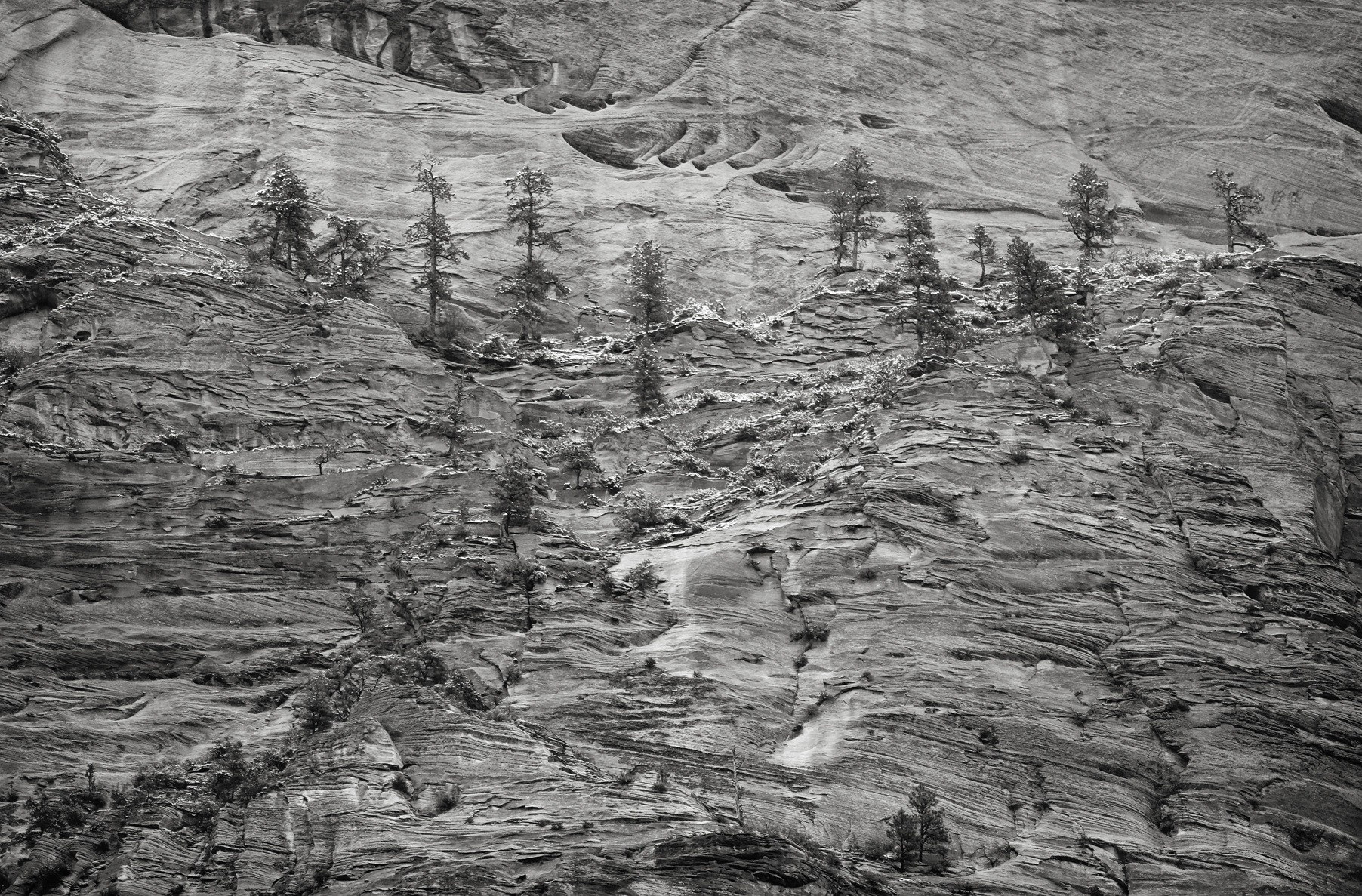
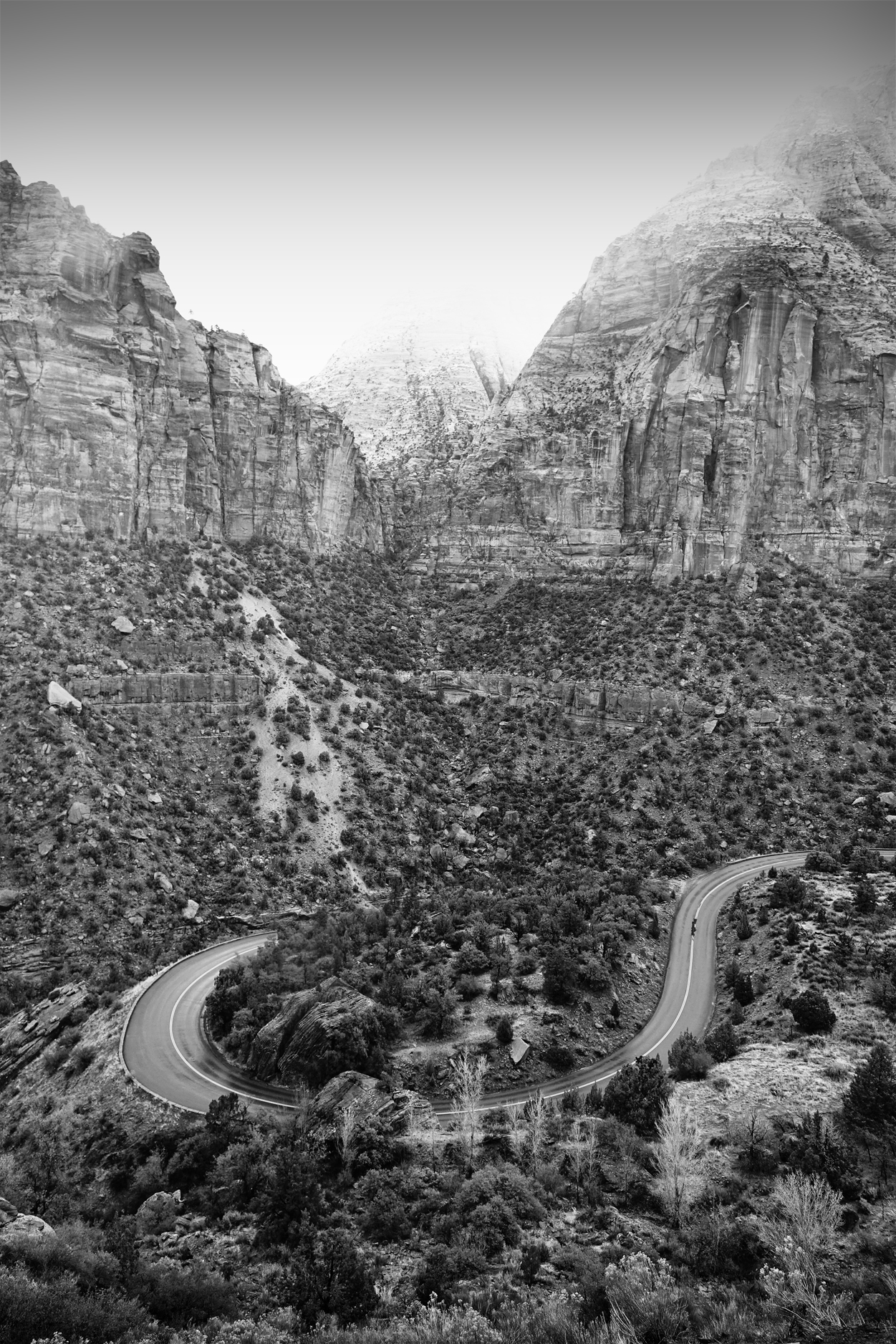
We cut a road that allowed sprits to pass over as we became ghosts leading each other into the Valley of Fire. In this baptism I would attempt to solve a puzzle of the landscape photograph. Not to capture a good one, but to make a great one. One that will undeniably NOT have a strong centralized subject found as a singular element, but rather as a whole would sustain the image.
Like Malcom said in Jurassic Park, “Life finds a way”.
The Indian was taking us there clad in chrome and distressed leather. I had one camera, one intention, and lots of questions. The camera was a versatile Sony RX10 that held a long range Zeiss lens that would deliver my vision, and the questions would be in my self critique. Would these images stand up to my own Occam’s razor?
Cliffhangers of Zion
Teaching alongside Bob Krist, Michael Melford, and Ralph Lee Hopkins, this National Geographic trio spoke about the “Pooping Dog” in the image. Of course not literally (but hey it could work if not reeking of ‘lowbrowness’) but metaphorically as an element that is identifiable as the subject and plays an interesting role in the image. The pooping dog tells the story and narrates the message of the image. The pooping dog has a bark and a bite for the image to be successful. Without a pooping dog, the image is flat, lifeless and not fully accomplished.
The Valley of Fire.
In my critique classes, I frequently admonish beginners for not having the pooping dog in their images. But what happens when you are in a gorgeous landscape, the light is right, you have the time and tools but no pooping dog? Can you still make a compelling image? The challenge of landscape photography is that.
Valley of FIre
I found the answer to be what I suspected: if the aesthetic of the image is extremely strong, and the execution dynamic enough, then you can avoid an obvious and demonstrative main subject. The photograph becomes its own gestalt that moves a viewer.
The Three Horses of the Valley of Fire.
Did the Indian take me there? Was I able to channel my inner Ansel Adams and execute a formidable American Landscape? I guess i shall have to continue on the road to see if I did.



















 Suspect Photography