Suspect Photography

words and images from david george brommer

Tag: writing

Don’t Subtract, Add: A Philosophy on Aging, Photography, and Life

I’m 58 years old. If my run goes to 90, which hopefully it should, I consider myself about two-thirds of the way through.Around halfway through, I started noticing a shift. Things started going away. They were being subtracted from my general perception and daily life.

At first, it’s physical markers. The home I grew up in was sold, basically erased from my life. Cars I owned were sold or totaled. my favorite pair of levi 501’s disintegrated, film stocks I loved discontinued. In my mid 20’s my hair began to thin on the top of my head, that was tough! But then came the more profound subtractions: relatives and old friends. Losing my mother was a massive subtraction. I graduated from Colonia High School in 1985, and looking back, we’ve had a sobering number of deaths and suicides. Between growing up with radon in basements and a cancer scare at the school, it feels like we paid a price, and people started dropping off. Losing one of my best friends, someone I had known since the fifth grade, was particularly tough.
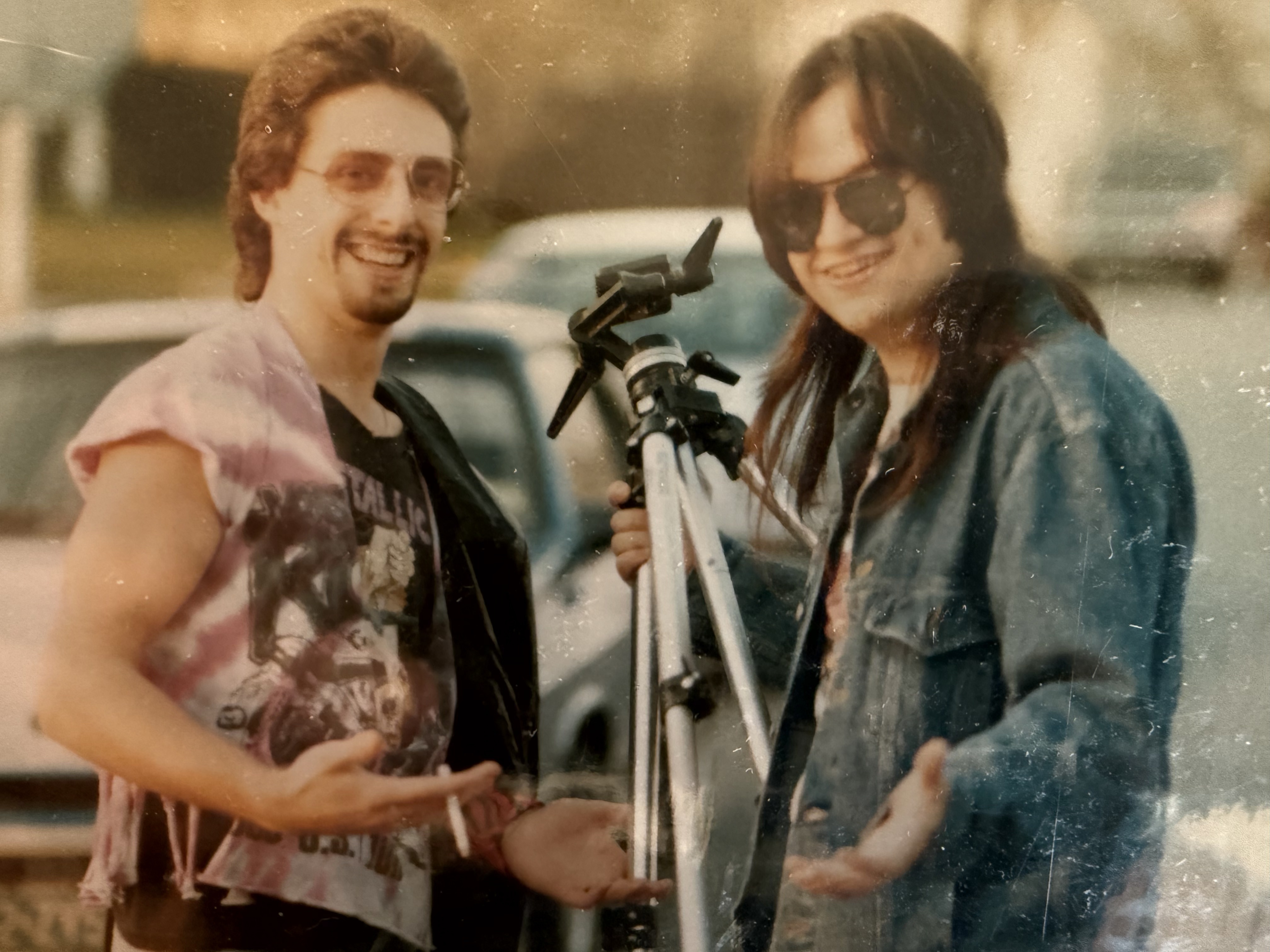
Of course, while these subtractions were happening, there were major additions too. My career was budding, I was figuring out photography, becoming more secure in who I was and how I was evolving. I met the love of my life, married her, and built an incredible relationship and life. A life lived, I’m skipping so much that was gained for the sake of brevity. Now, at the two-thirds point, the subtractions really start to add up. On the scale of life, those subtractions begin to weigh heavily against the additions. Muscle mass decreases, mobility shifts, places disappear, and social circles shrink.

!+++++++-++++—+++++++–+++++++++—-+++—–+———–.

I’d rather be:

!+++++++-++++—+++++++–+++++++++—-+++–+++++-++++!

Three years ago, I made one big subtraction from my own life: I moved on from my career at B&H Photo to return to Suspect Photography, pushing our workshops and diving deeper into photographic learning. In particular, I really immersed myself in street photography. I’m very happy with where my street work has gone over the past couple of years.
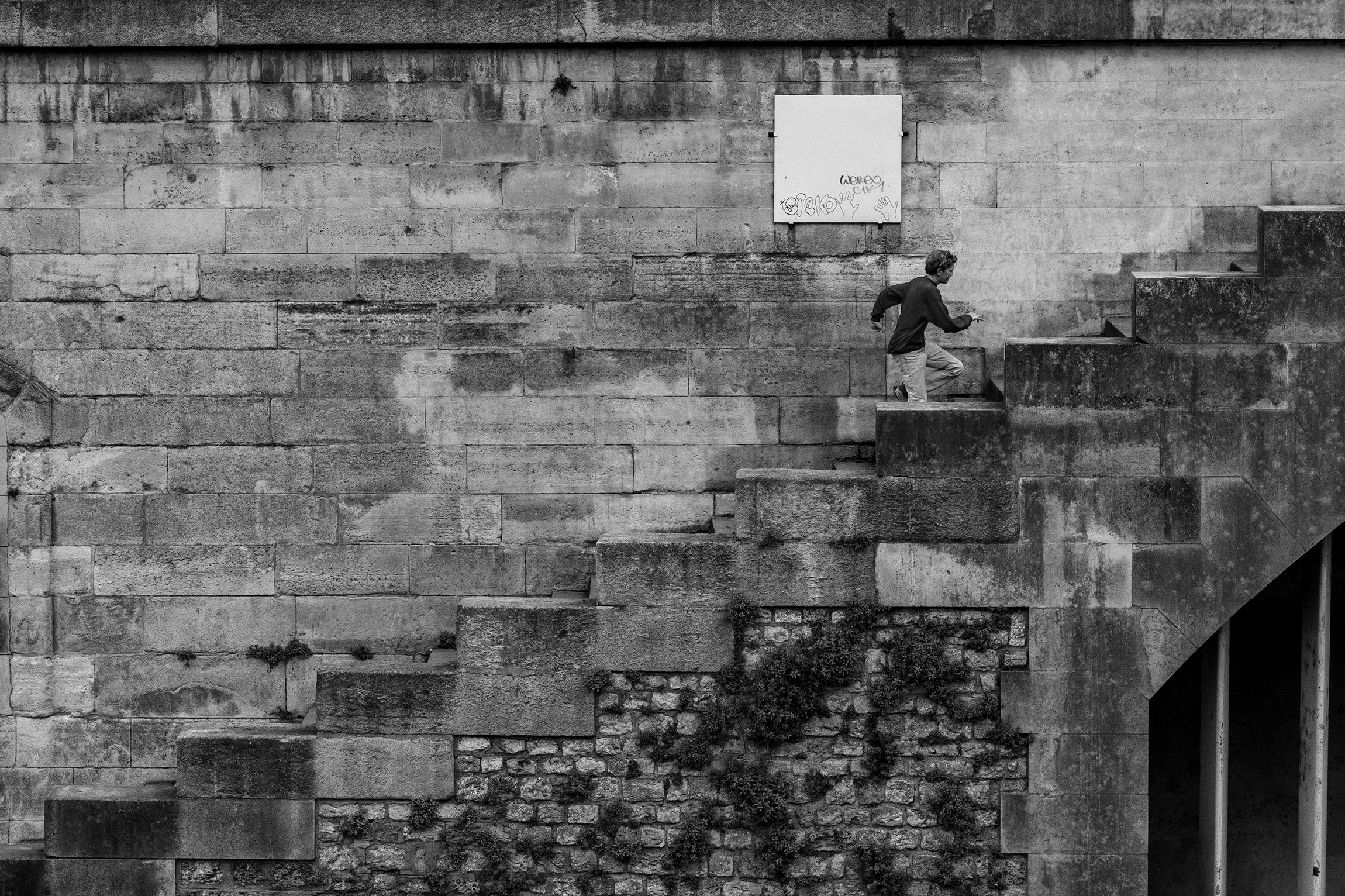
That shift got me thinking about the service Suspect Photography provides and who it serves.
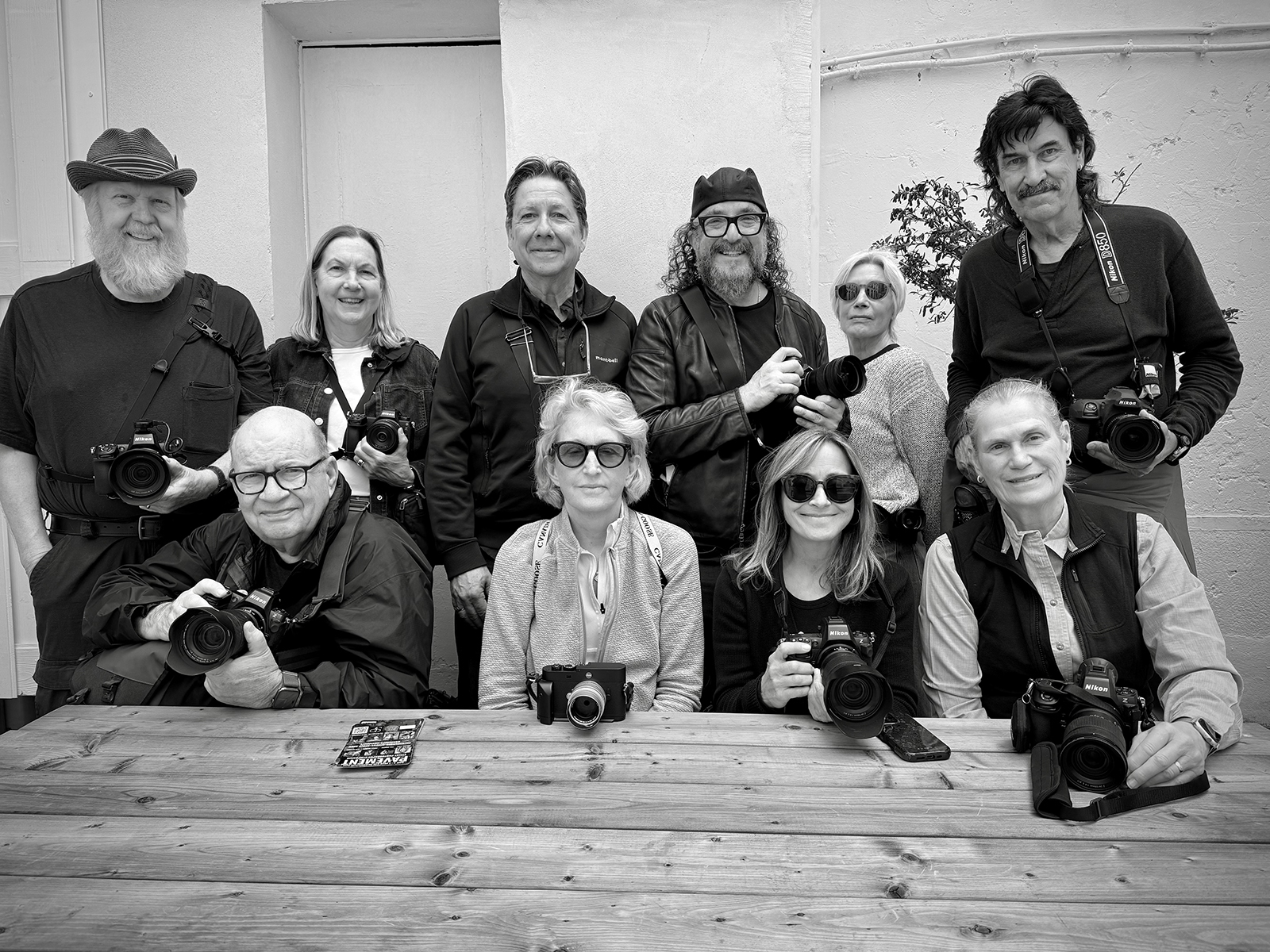
Arguably, my main demographic is retired boomers. They have the two tangible things needed to take a workshop: time and money. But the intangible thing they bring is a deep passion for photography. When you retire, you experience a major subtraction of daily structure, work, and routine. But getting up and getting out with your camera every day offers a powerful counterweight. Taking a workshop or traveling to places like Normandy, certain corners of Paris, or 6th Street in the Village to find hidden portholes outside the IFC Center where you can watch films from the sidewalk, those are real additions.
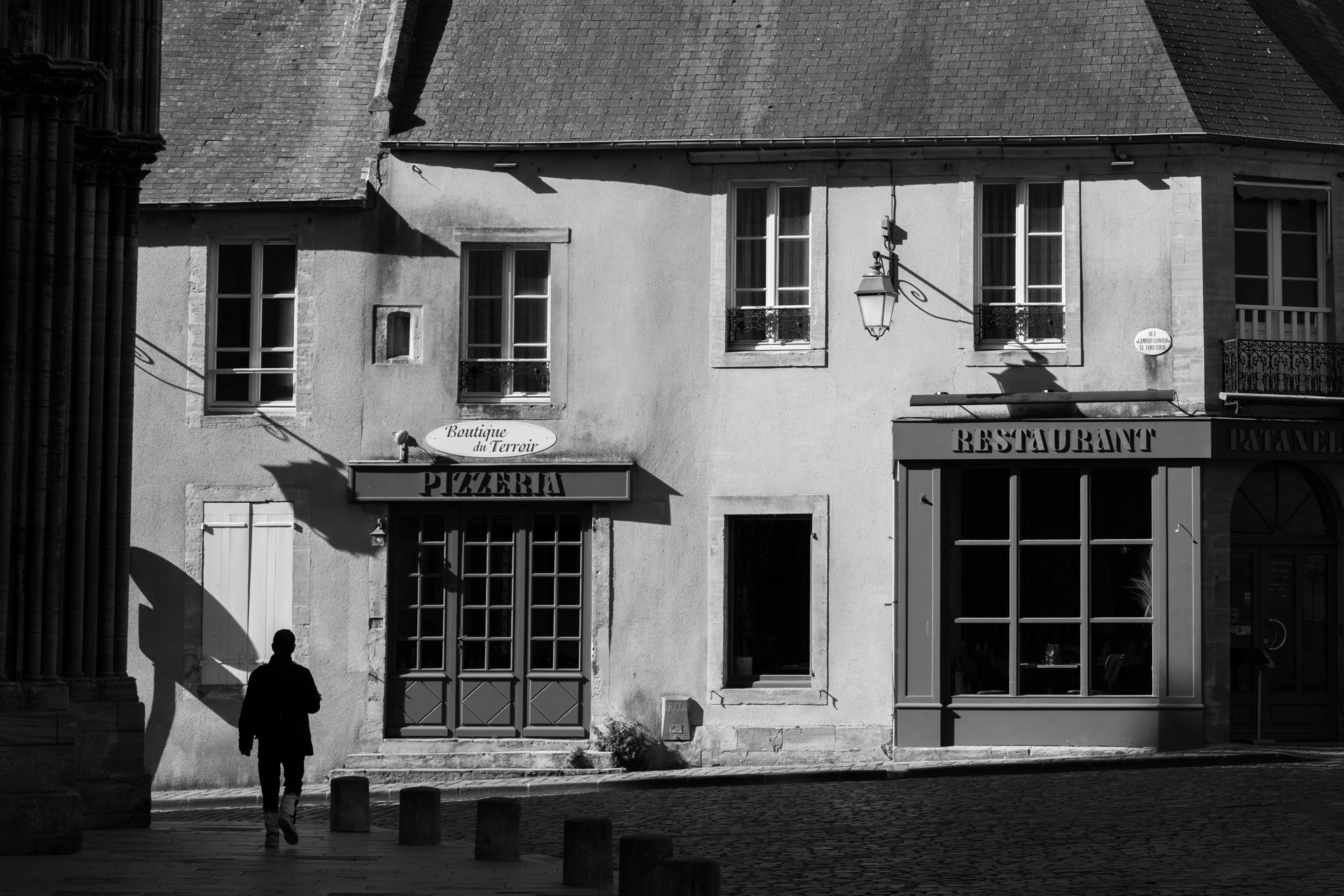
Walking miles on the pavement, carrying your gear, reacting to light and people, it’s an aerobic, physically fit, and mentally stimulating lifestyle. It keeps your mind sharp and your body moving.
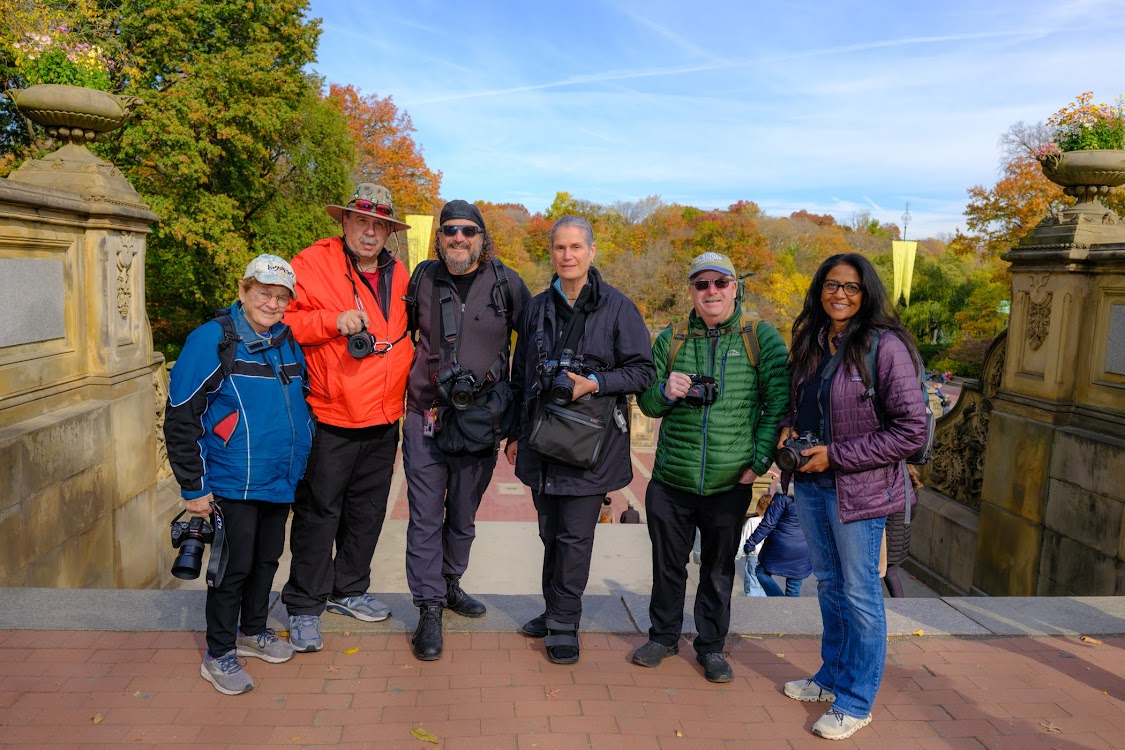
Beyond the health benefits, there’s another lovely addition: community. It’s hard to make new friends as you get older. You usually make your core friends when you’re younger and actively engaged. But on a workshop, people share meals, walk miles together, exchange emails and phone numbers, and become real friends long after the trip ends.
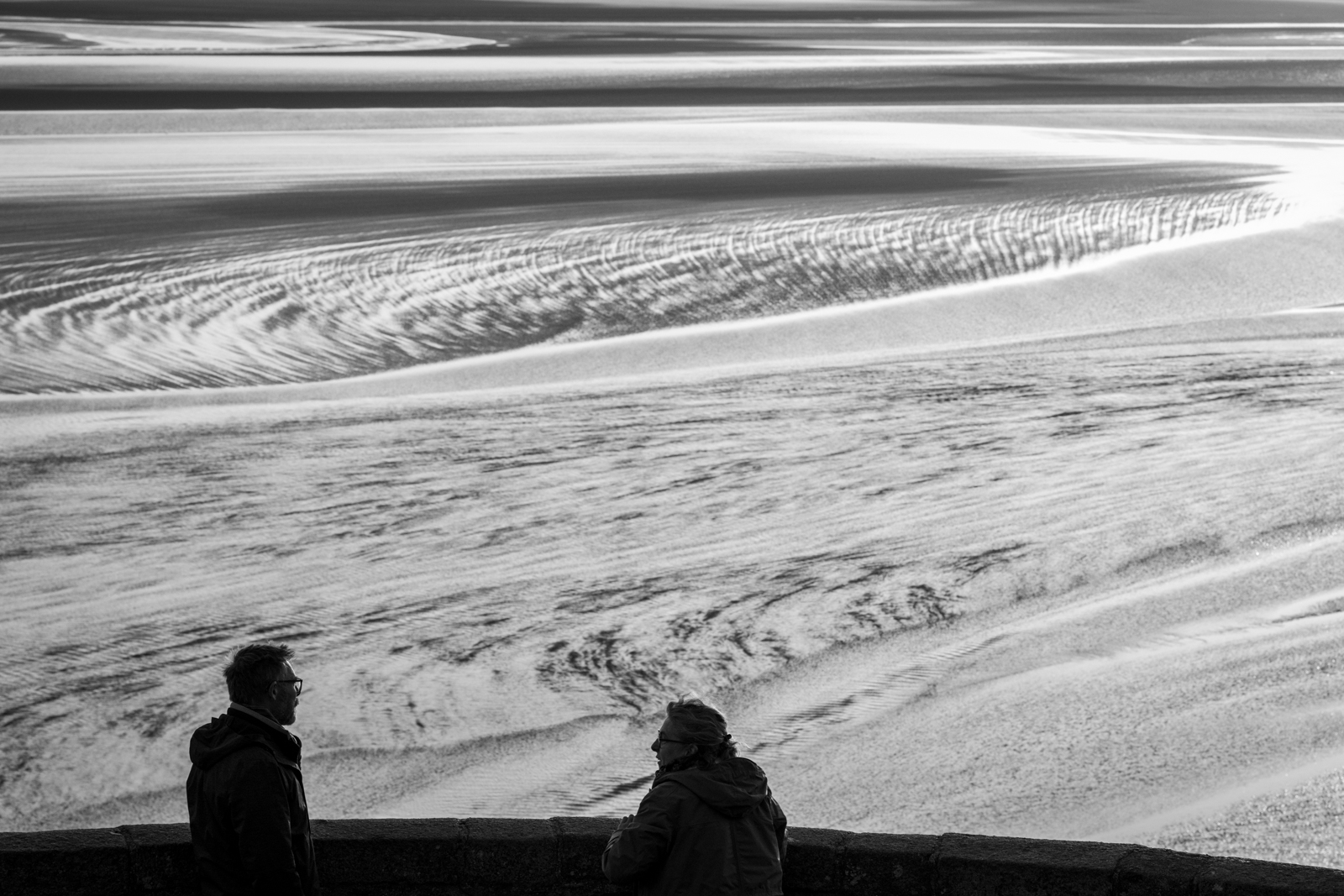
When you multiply all of this with photography, the additions keep giving. First, there’s the immediate physical thrill of being out in the world, having new experiences, and making new memories. Then comes the lasting echo when you return home to edit the work, print the images, create a book, or revisit those places through your photographs years later. Ultimately, it becomes a living legacy where the work lives on long after the moment has passed.
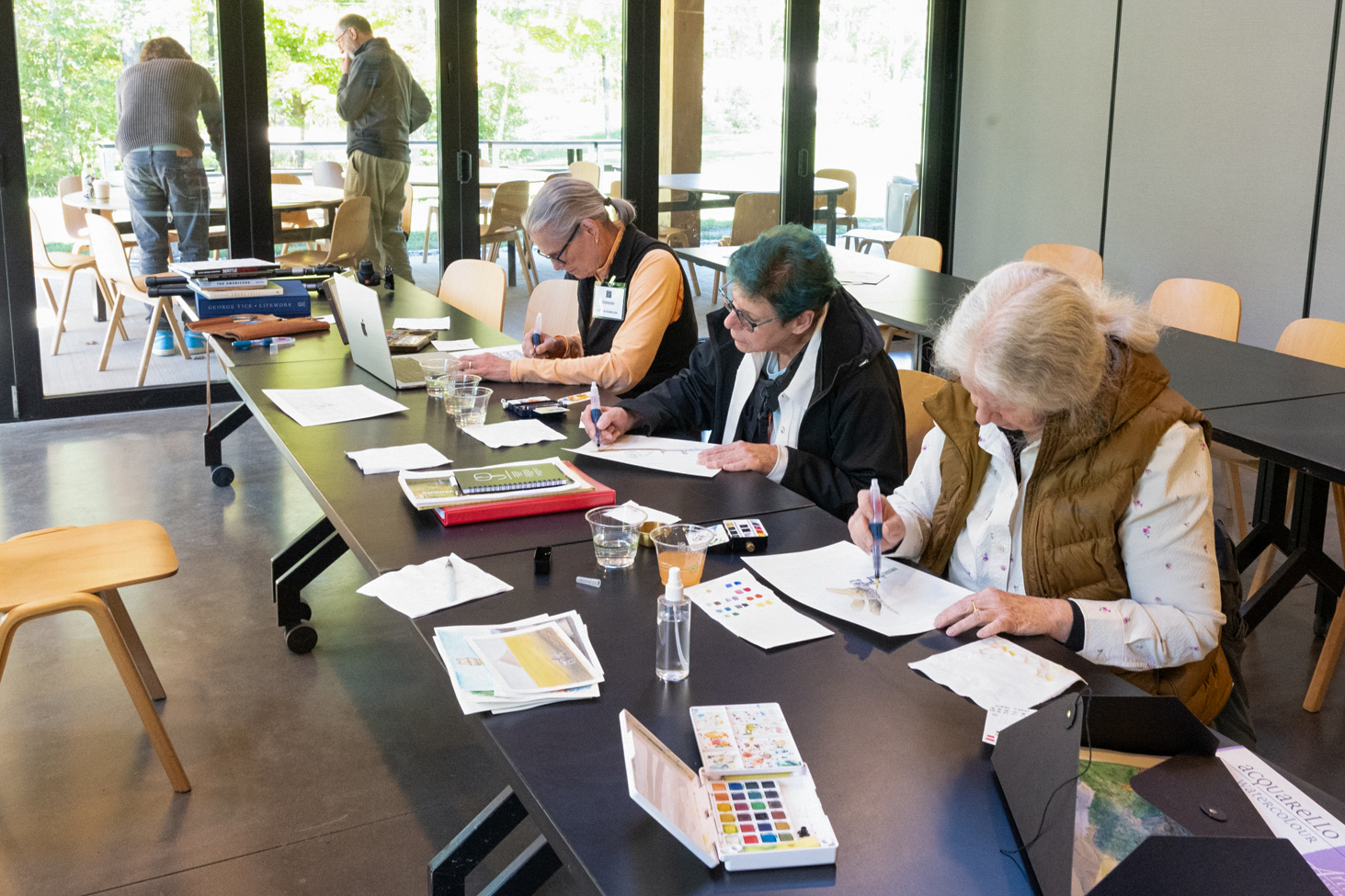
All these additions way outweigh the subtractions we face as we age. We have to balance life’s natural subtractions with deliberate additions so we enter the last trimester of our lives fulfilled, active, and continually making new memories.
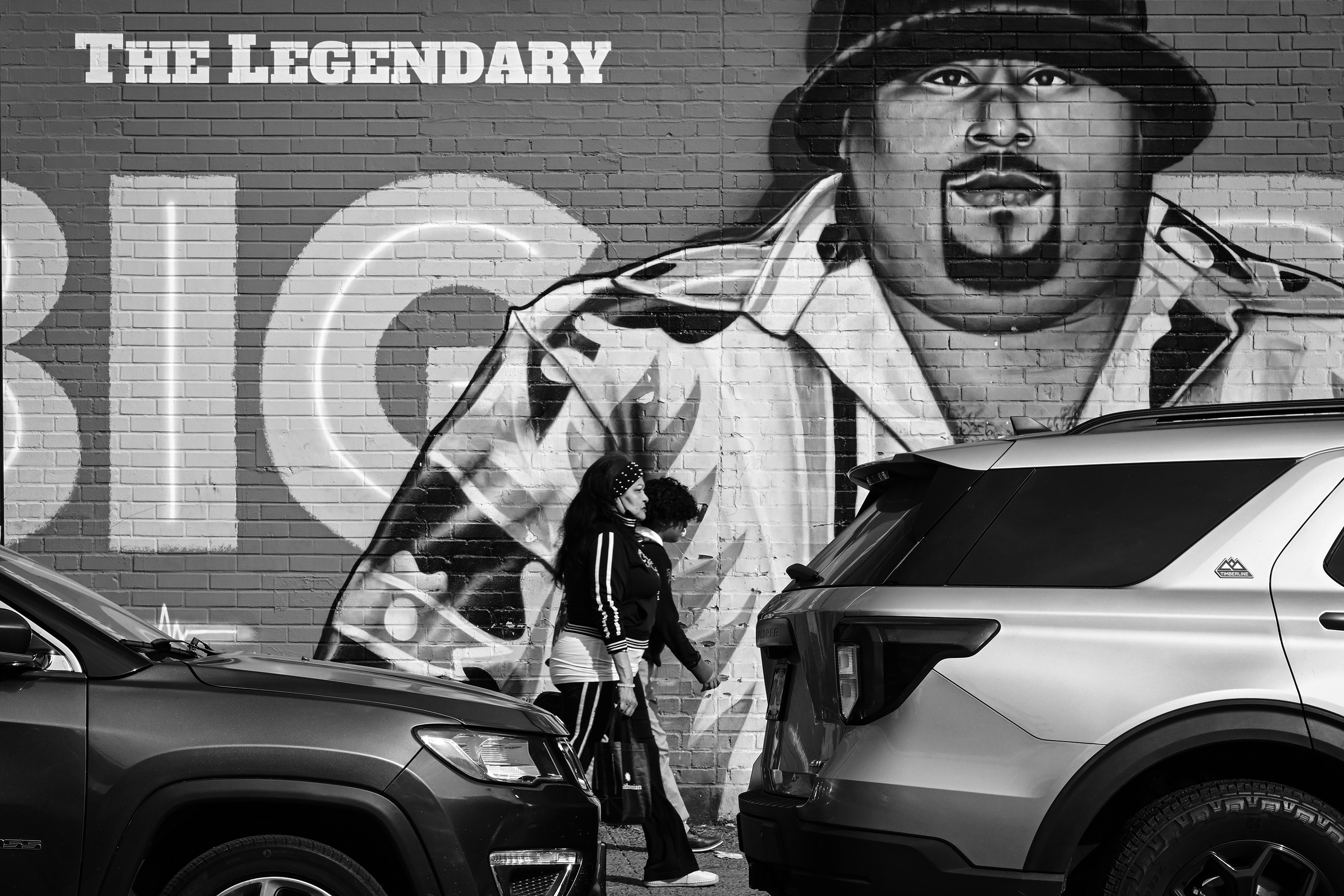
Investing in yourself, getting out with your camera, and engaging with the world isn’t just about making pictures. It’s a wonderful lifestyle to move forward with.
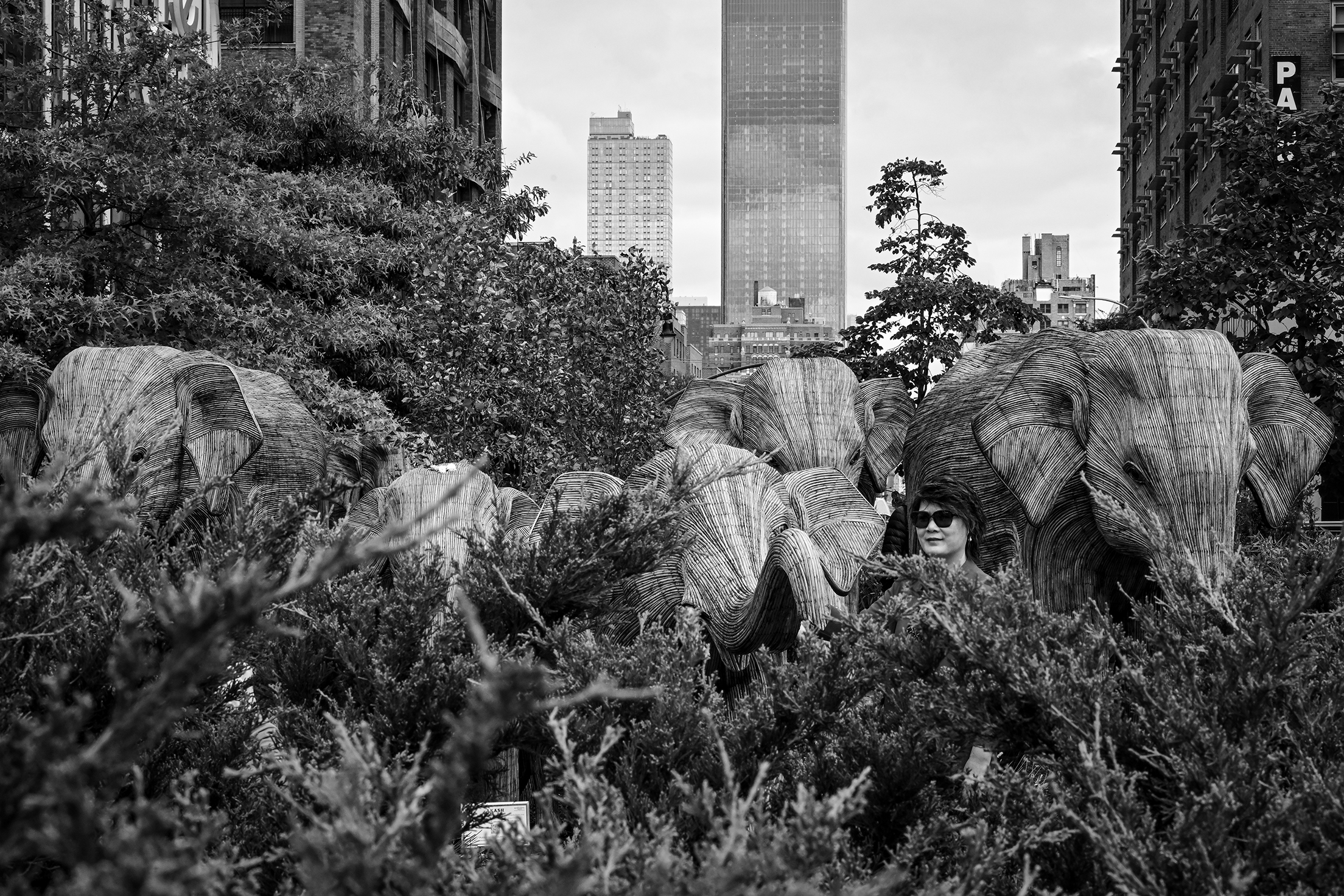
Don’t subtract. Add. In a world of subtractions, be the addition.

~David Brommer

PS If you are excited about these prospects, head on over to Suspect Photography Education and book yourself a workshop in a really cool place with David!

Jay Maisel: A Legacy of Visual Clarity in Photography

Jay Maisel (1931-2026) was an absolute force, a photographer whose impact was measured not by a single iconic image, but by an undeniable commitment to seeing the world with relentless clarity. You don’t pin his legacy on one famous frame the way people do with Cartier Bresson or Avedon; instead, his monument is the sheer weight and consistency of his entire body of work, a lifelong testament to light, gesture, and color.

For decades, Jay shaped the landscape of editorial and advertising photography, proving that commercial work did not have to compromise artistic integrity. He brought fine art sensibility, bold color theory, and geometric precision to major magazine covers, high stakes commercial campaigns, and cultural milestones like his iconic cover photograph for Miles Davis’s Kind of Blue in 1959. That moody, blue drenched portrait of Miles blowing into his trumpet became an indelible symbol of jazz history, proving how a single frame can capture the exact mood of a sound.

The most profound lesson Jay imparted to me was uncompromising in its discipline: “You are responsible for every millimeter of your view.”

That single phrase changes how you stand behind a camera, demanding total ownership of the frame. There are no excuses for a distracting element in the background, a soft corner, or a sloppy edge. If it exists inside the four borders of your viewfinder, you put it there, or you allowed it to stay there. Jay forced photographers to stop taking snapshots and start constructing compositions with radical intentionality.

One of my students who was a good amateur photographer once had a portfolio review conducted by Jay and was famously told by Jay, “Stick with the camera clubs kid”. That was the brutal honesty that Jay imparted. He did not suffer the fool, and told it like it was. He was painfully honest, like it or not.

Beyond frame ownership, Jay left us with several other foundational principles that every working photographer carries into the field:

  • Gesture Trumps Subject: Jay consistently taught that a mundane object illuminated with energy and gesture makes a far better photograph than a famous landmark captured flatly.
  • Color as Content: He treated color not as a decorative accent, but as a core narrative element capable of carrying emotional weight on its own.
  • Protect the Work: Decades after shooting Kind of Blue, Jay fiercely defended his copyright against unauthorized adaptations, showing that a creator must protect the integrity of their work just as intentionally as they craft the frame.
  • Always Be Looking: Up until his final days, documented so movingly in the film Jay Myself, Jay walked out the door with a camera around his neck. He lived the philosophy that inspiration is not something you wait for, it is something you actively hunt by staying present.

His presence in the medium showed the world what it truly means to live a life devoted entirely to visual awareness. His legacy lives on in every photographer who pauses before pressing the shutter, steps back, checks the edges of the frame, and takes full responsibility for the picture they are about to make.

Thank you, Jay, for your contribution to photography and for being that voice in my head every time I compose an image in my viewfinder.

Hail the traveler.

~David Brommer August 23rd, Milan

Lives in Motion: Vera Hershenberg’s Photography Exhibition

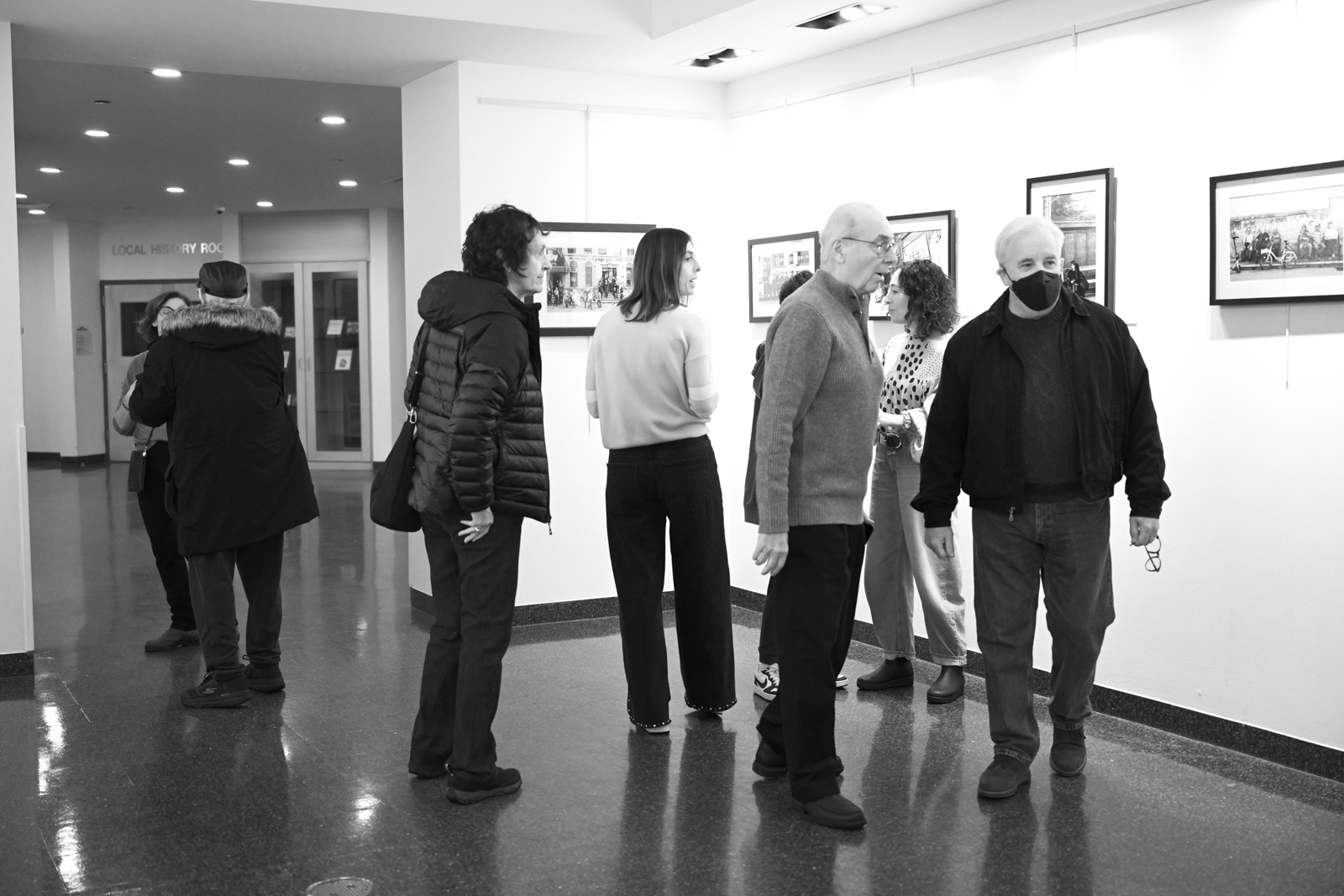
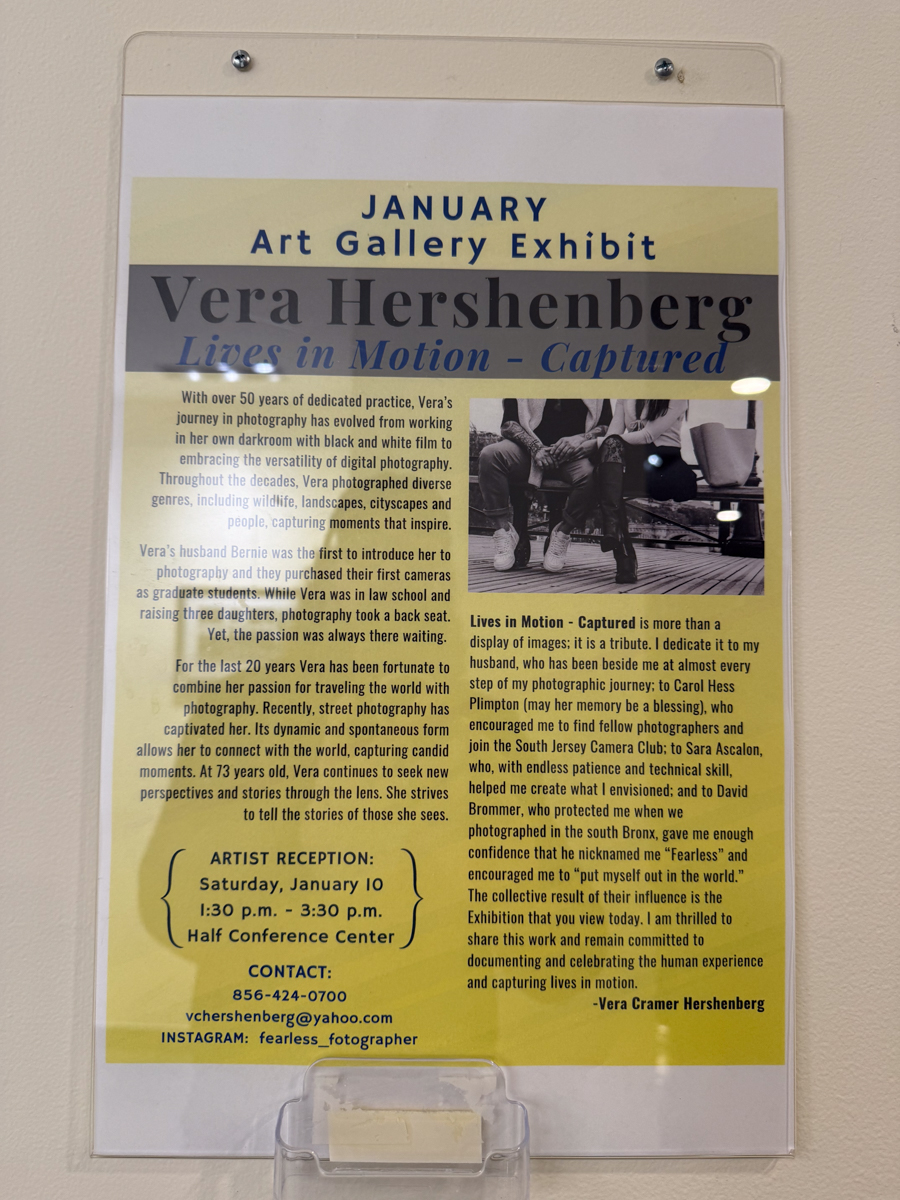
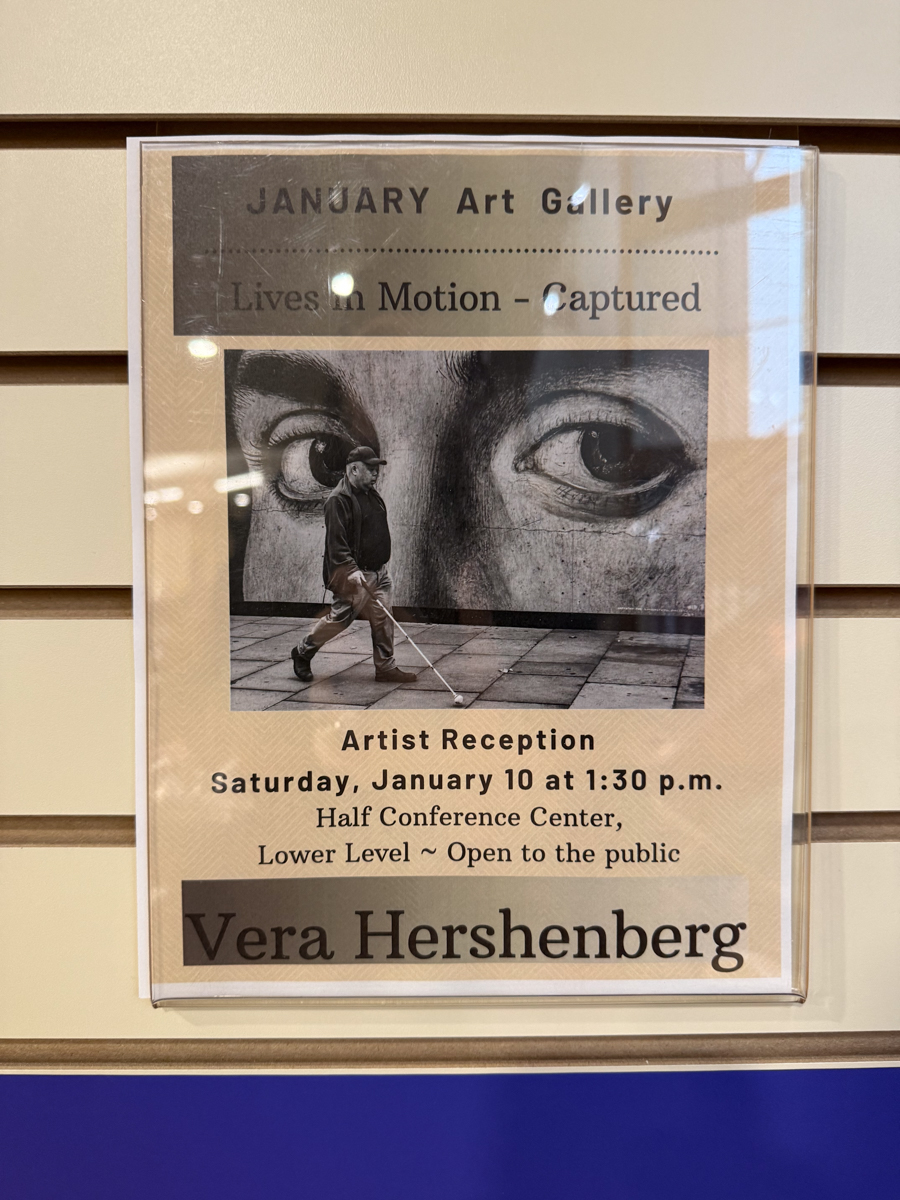
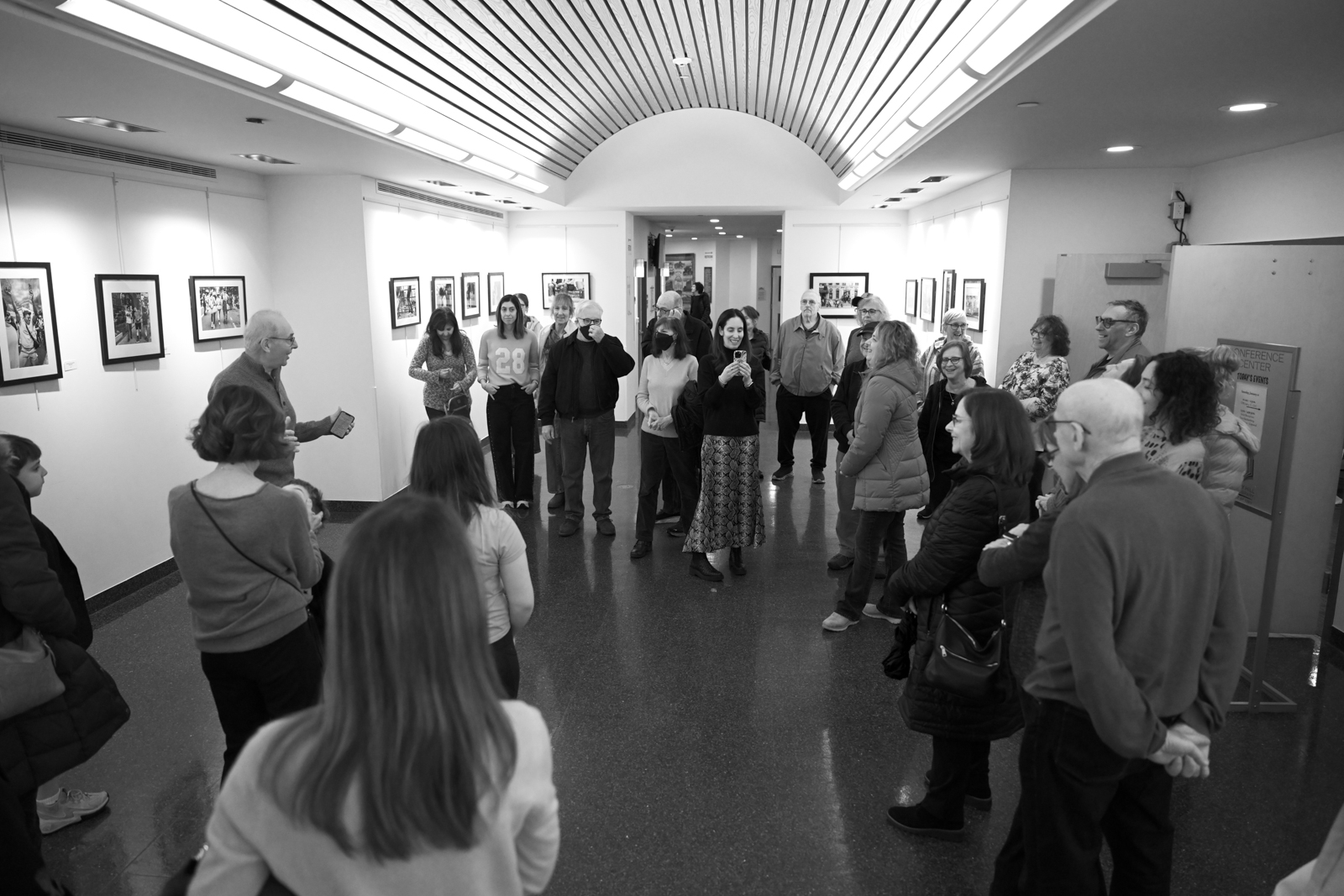
Two years ago I received an email from one Vera Hershenberg asking questions about our NYC Spring Street & UN workshop. It took a little pushing and logistical maneuvers, but she joined us on our inaugural workshop. I spent some time working with Vera, making sure she was in control of the camera and getting what she saw in the files. That was Vera’s strength. She “sees” and she goes for it. Over the workshop she earned the nick name “Fearless” because when she raises her camera chasing what she sees, Vera knows no fear. So it was that we worked in the Bronx, Harlem, East Village and the rougher edged neighborhoods for over a year where Vera shined. Her fearlessness rubbed off on the other work-shopers and made them go a little further too. Vera has chosen street photography late in her life and I am honored to be her camera whisperer. She attended the first Suspect Photography Retreat In the Woods and took advantage of the wise instructors to show them her work and help her organize it for an upcoming exhibition. This past weekend was the opening of her show, Lives In Motion – Captured. The show was so excellent, that I’m going to compare Vivian Maier to Vera Hershenberg, albeit with a conditions. For now, let’s let the work speak for itself.

The gallery was located in the Cherry Hill Public Library. Excellent wall space to fill with work. Vera invested in quality framing and had a friend from the local photo group help with the printing (Canon Printers were used).

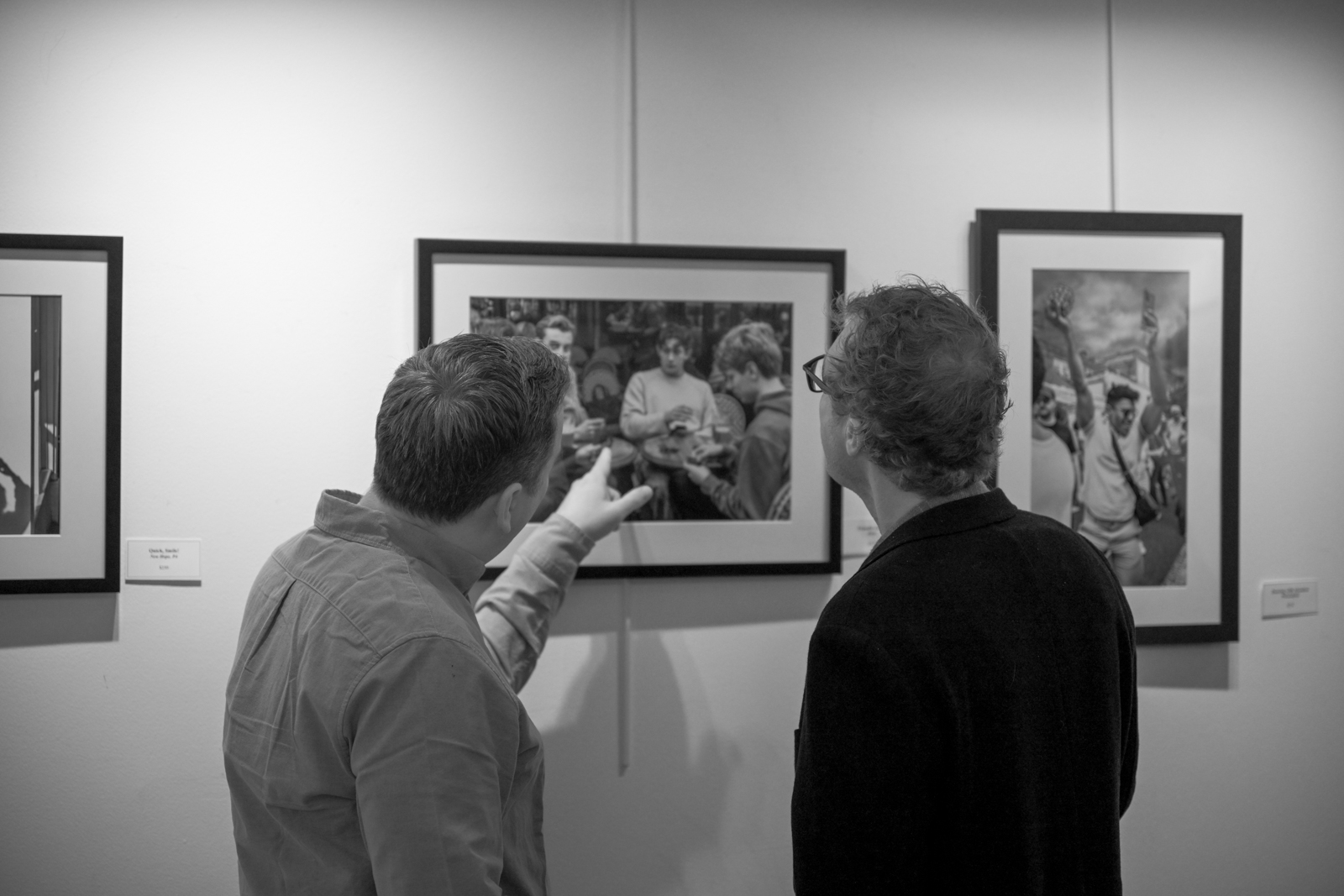
Vera’s work engaged the viewers.

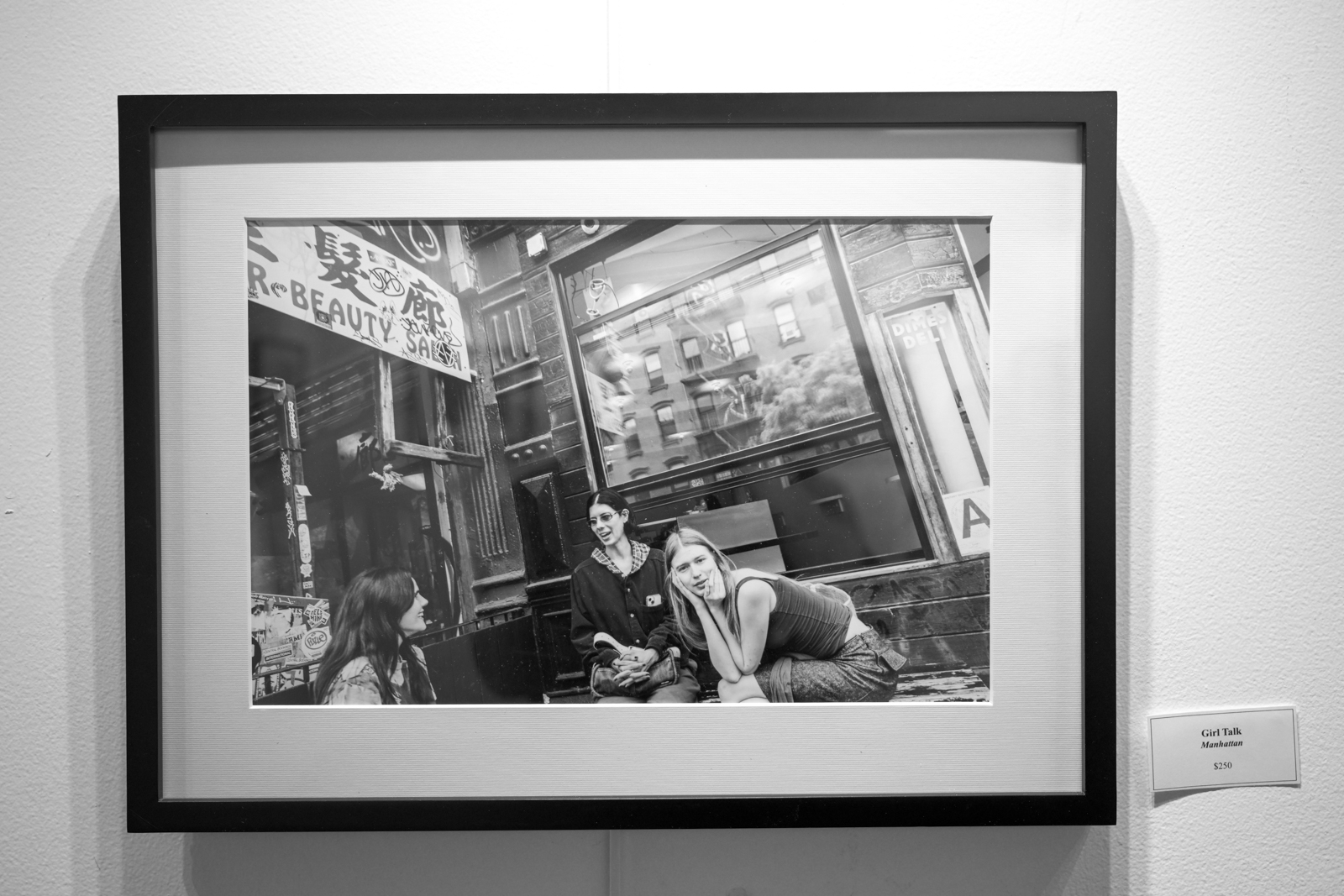
Girl Talk was made on our spring NYC workshop. I recall discussing it with the class during our review sessions. While I liked the image then, to see it printed properly made the image sing. The geometry is stunning, the gesture beacons, and it’s a true Street Photo of the candid nature.

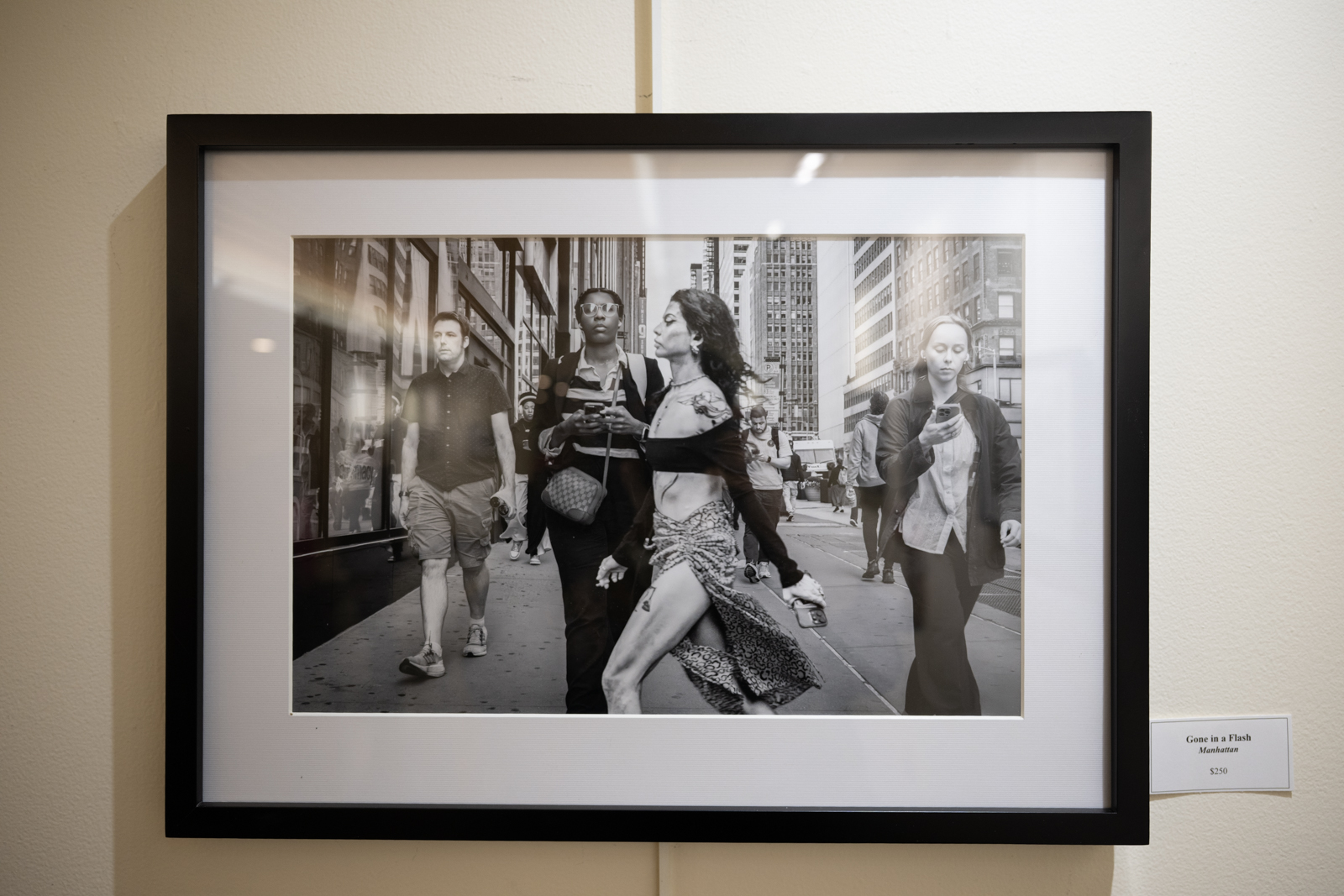
Gone in a Flash is perhaps my favorite image. It begs a long look and tells so much of a street story taking place across an elaborate composition.

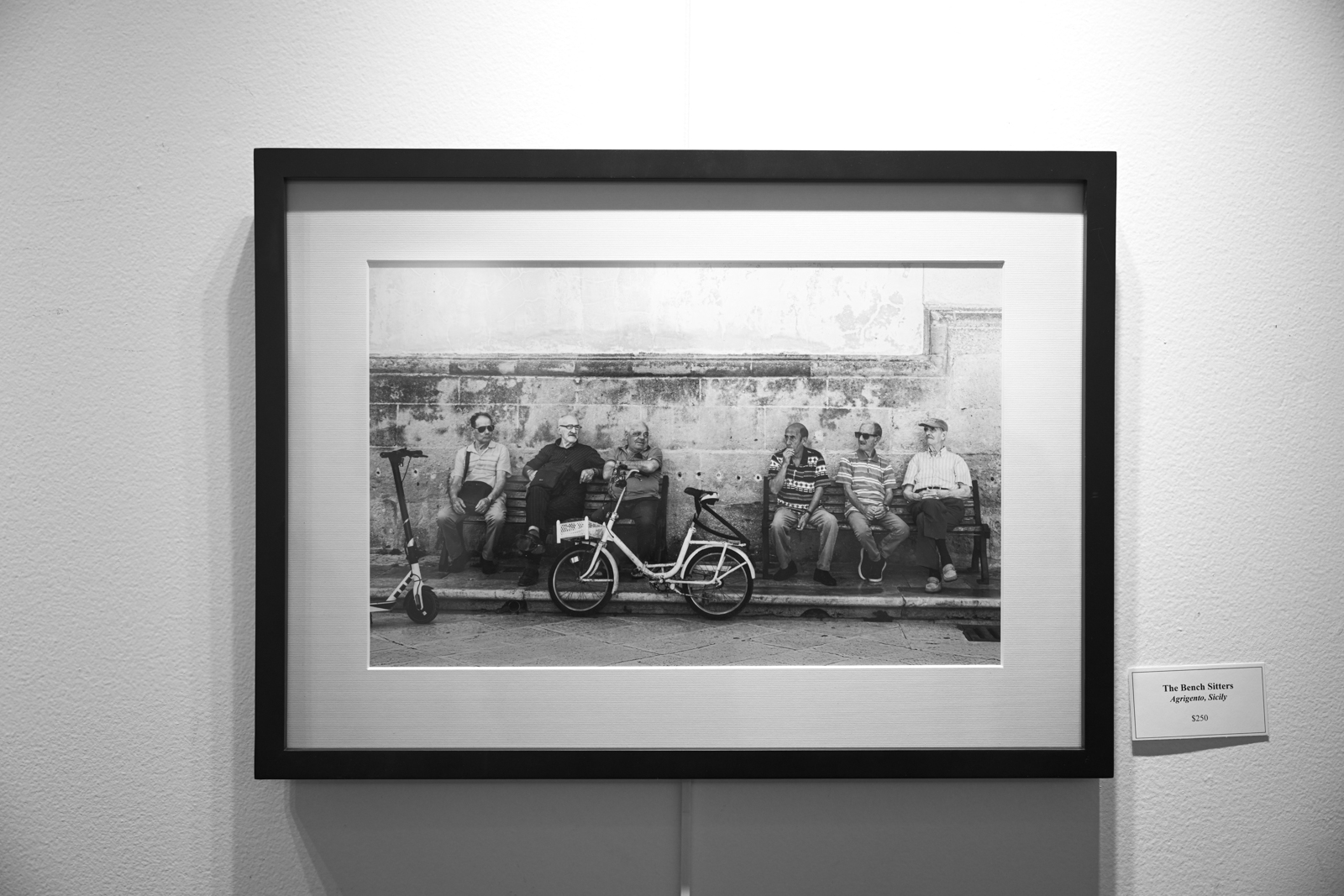
The obligatory old guys sitting behind a bike photo. I think this show hit a number of high notes and many mid-highs, it’s images like these that are the brick and mortar of a show.

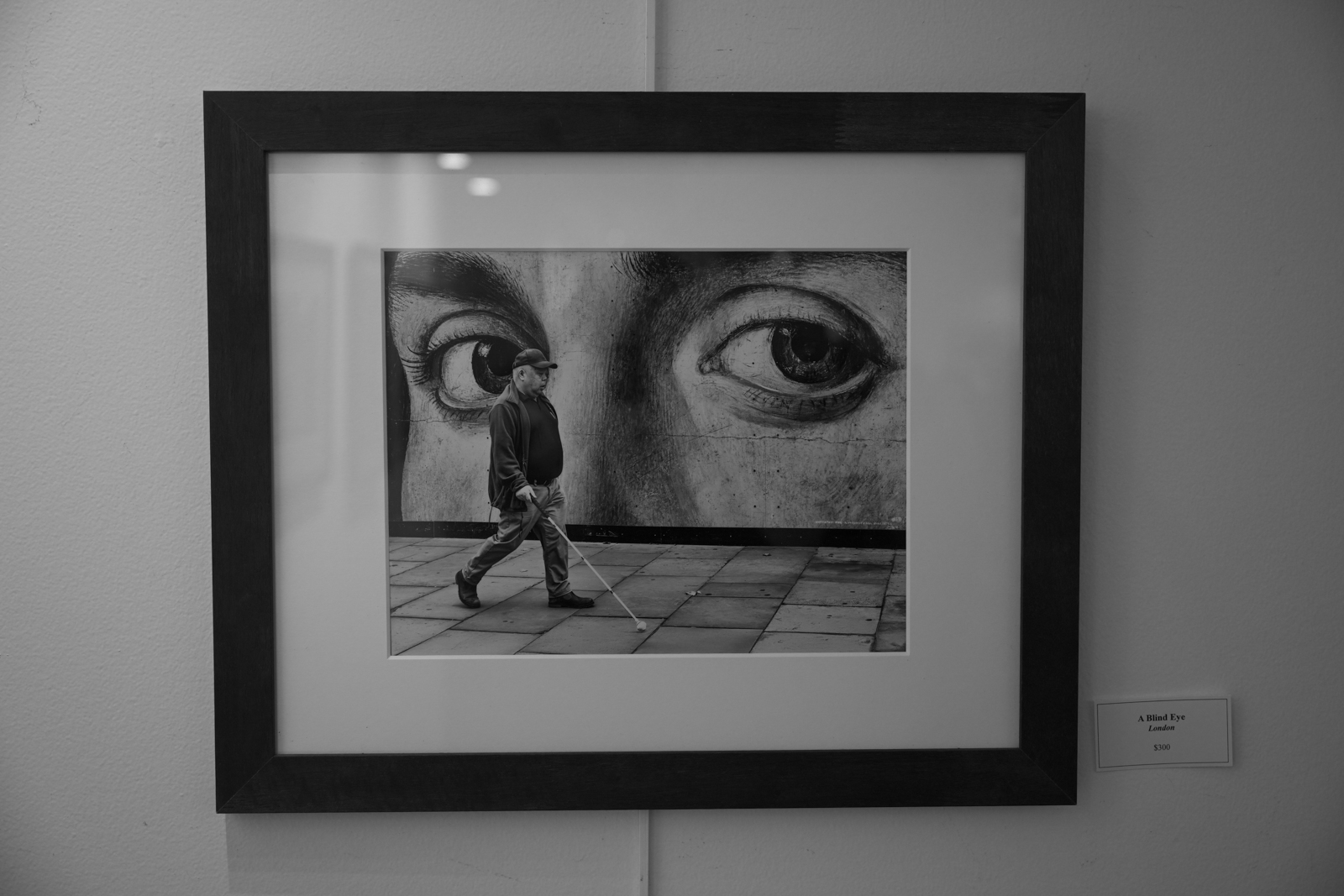
And then a Blind Eye is presented. A perfect street photo worthy of a Magnum photographer.

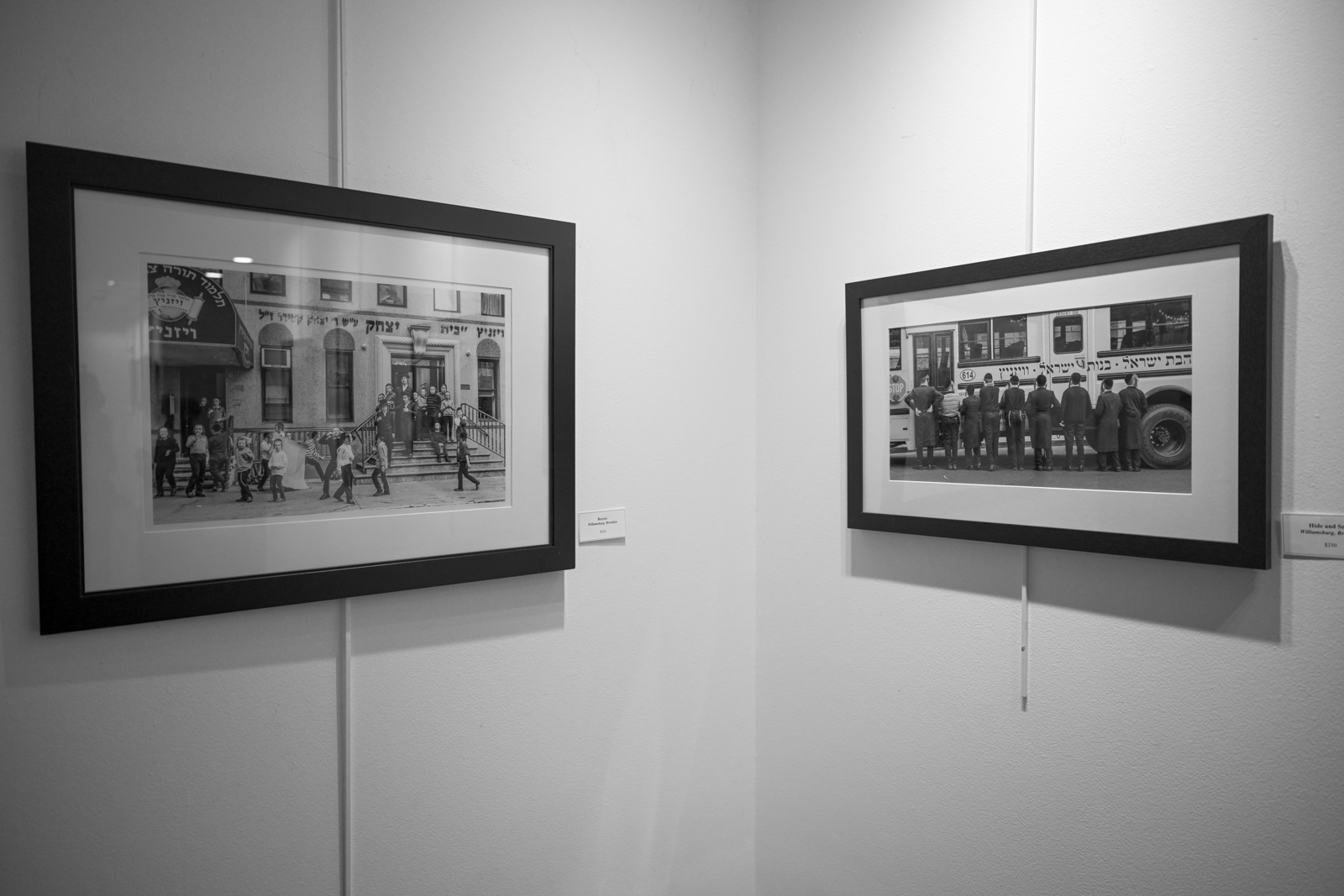
I lead workshops through Williamsburg Brooklyn into the Orthodox enclave. Vera inserted herself into this world with zero hesitation and made compelling work. It’s interesting how the subject reacts to the gender of the photographer. Vera being jewish meant she understood the basic layers of the orthodox, but was also surprised at the depth of religion that plays out in this neighborhood of tennements and storefronts.

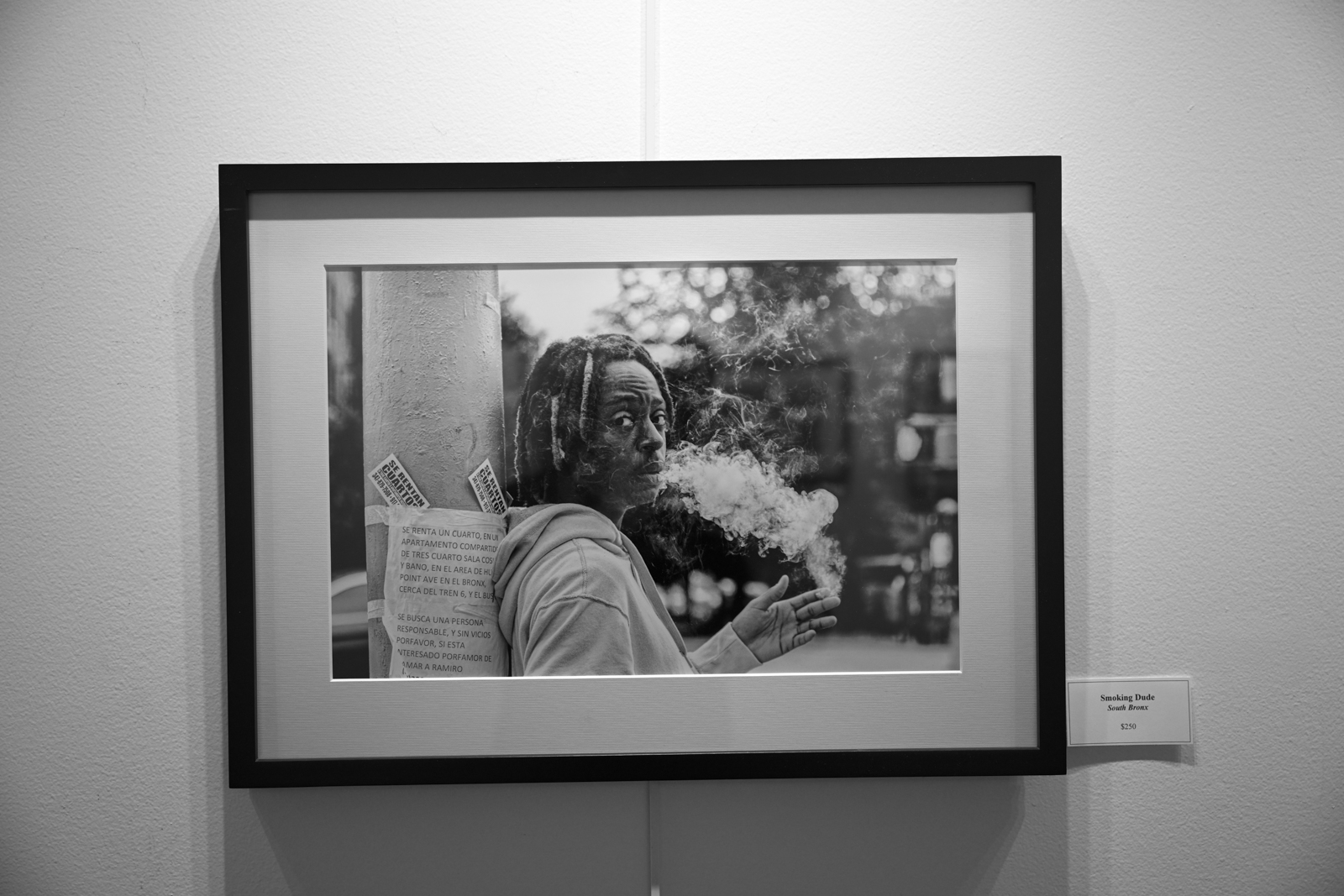
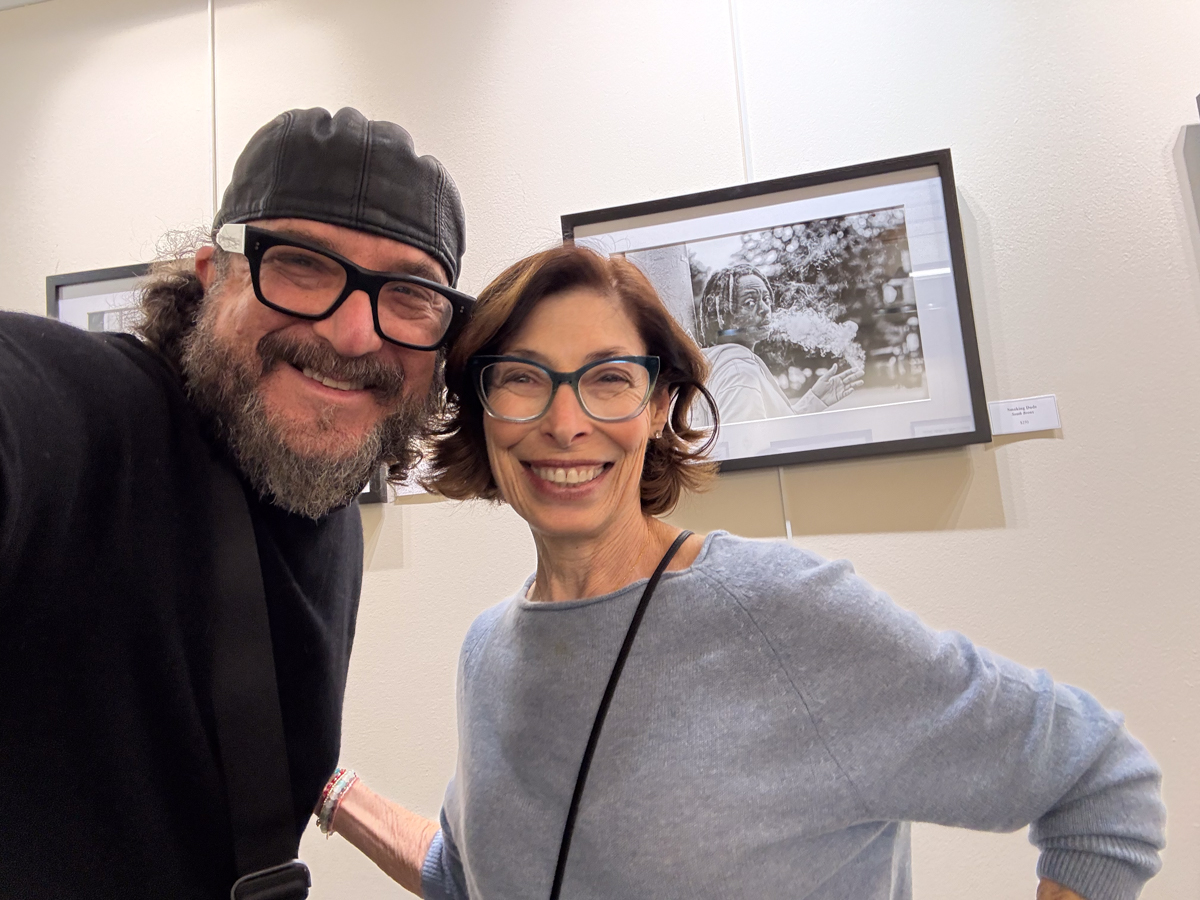
Then there is Smoking Dude. This photograph has a long story behind it, and you’ll have to take a street photography workshop from me to hear it or ask in person. To me, this photo is everything that happened leading up to it’s making, and down the block after it’s making.

I believe any exhibition can lead to a meaningful experience. The highest goal is to be featured at MoMa, but until then, start with local libraries, cafes, bars, and shops with nice walls. From there, aim for gallery representation or art shows. If you want to try this world, look for a group show; it lets you enjoy opening night with low costs for printing and framing. If you’re bold, go for a solo show!

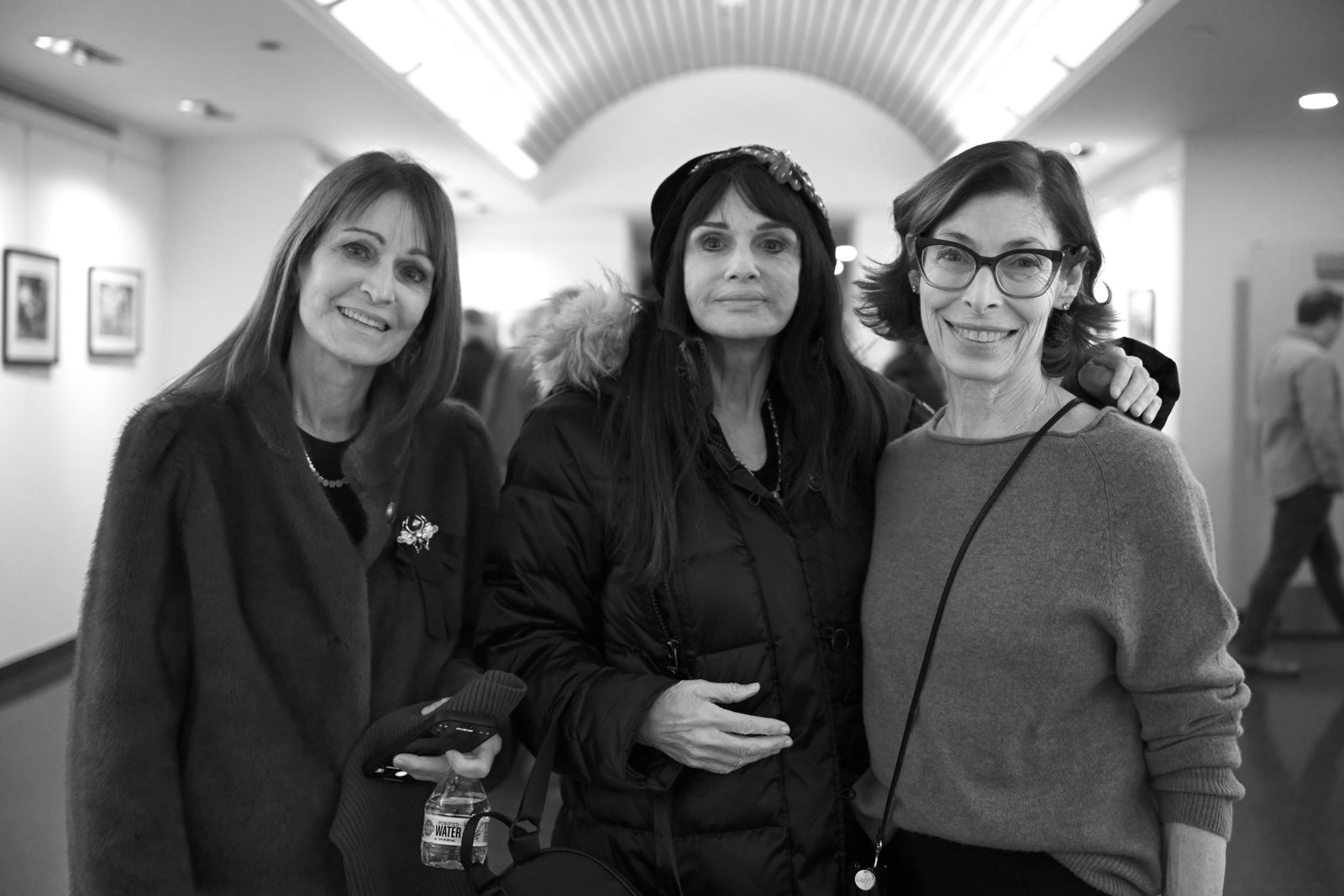
You can’t mention Vera with out mentioning Bernie. Bernie is Vera’s loving husband of many years. He may very well be the most reasonable man I know and is a keen photographer as well. Vera keeps him on his toes, and they have a relationship to admire. At the opening Bernie read a touching testimonial to Vera’s accomplishment.

To me, an exhibition of work is the highest form of artistic fulfilment. Websites, Social Media while all playing a part, nothing beats a printed, matted and framed photograph. Yes, I am a traditionalist. But I feel it’s simply the best way to enjoy an image. To complete an exhibition of quality is a major undertaking from a logistics and artistic standpoint. Vera activated her network, set the goal and reached it with aplomb.

I’m not big on birthdays or other “automatic” celebrations. To me, if you want to celebrate, I’d be much more impressed if you celebrated what I did, and so a show is true celebration on accomplishment. To see Vera among her freinds, family and strangers showcasing her work was very warm and well deserved.

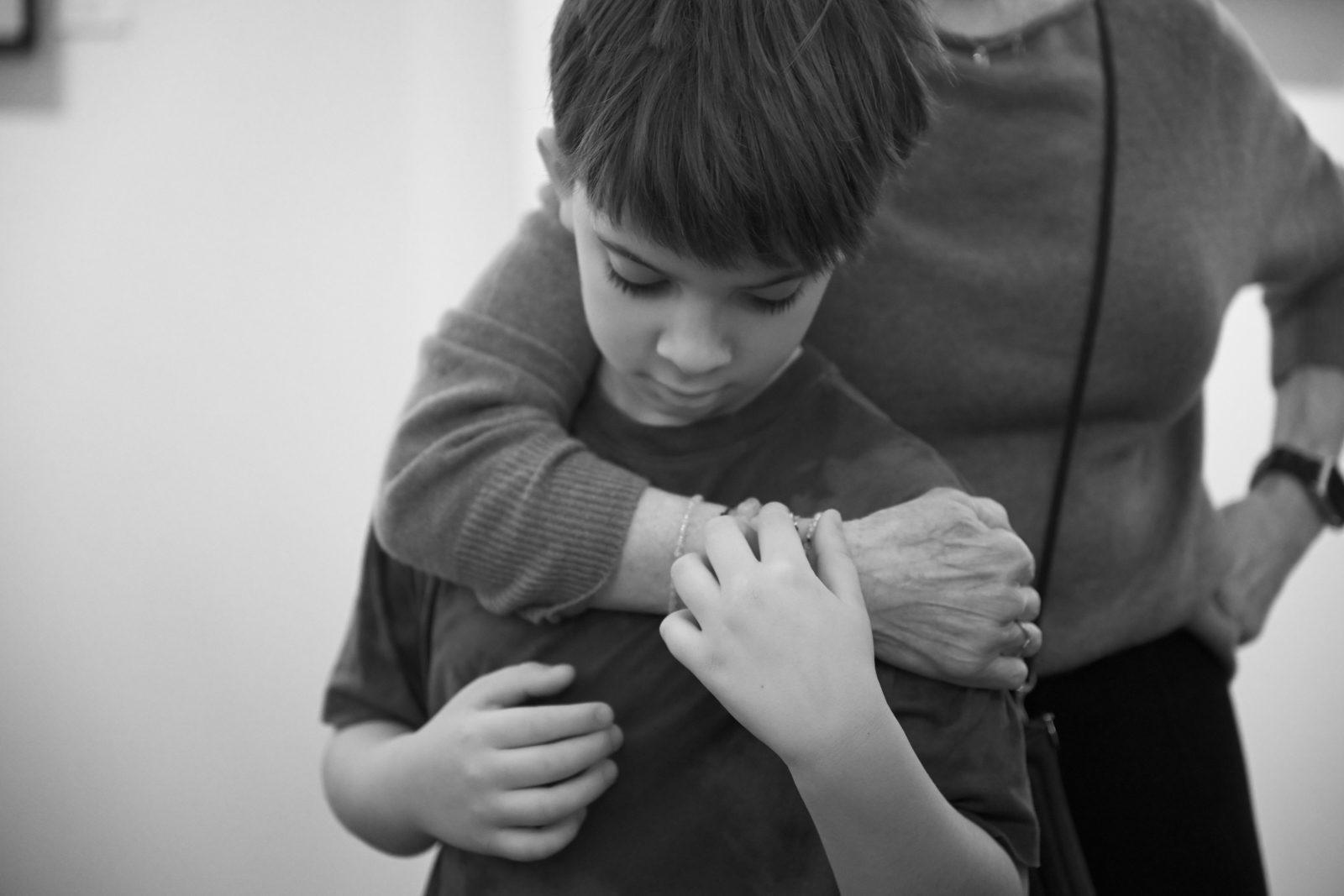
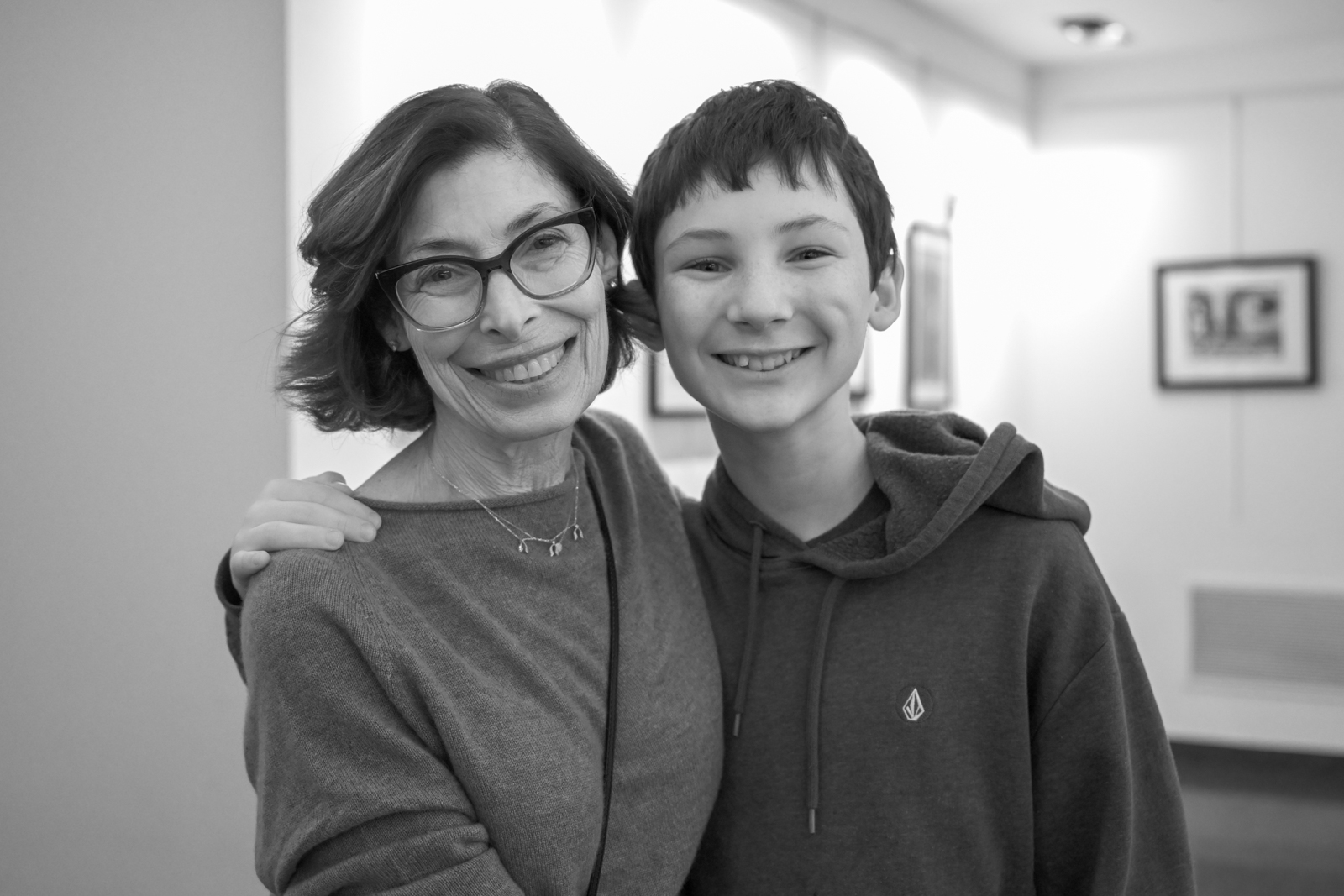
My Granny was cool in a horse racing sort of way, but she didn’t make the work that Vera makes. Her children and grand children were in attendance and I wonder how the show will impact them. Certainly Vera has shown them that she is not your average Ma- but a talented, strong, smart and defining exemplar of street photography. Earlier I made a comparison of Vivian Maier to Vera Hershenberg and I’d say that had Vera spent her life in a near hermetic state she would have produced a body of work very similar to Vivian. Except no selfies, Vera is all about the world around her, not about her in that world.

Follow Fearless Vera on IG

If the goal of a photo show is something that attracts you, stay tuned for more inspirational photography from Suspect Photography Education or book a private one hour review to discuss your work.

-David