Suspect Photography

words and images from david george brommer

Tag: street photography

Seven Steps to Self Editing Your Work

Looking up to Montmarte, Paris. Canon Power Shot A70

Looking up to Montmarte, Paris. Canon Power Shot A70

The most difficult aspect of Photography to master is Picture Image Editing. You can learn to shoot better, to expose properly, to capture composition, achieve perfect timing, master the light, focus on details and blur what you don’t want. You will have to ensure you are in the right place at the golden hour, always coaxing gesture from subjects and understanding the camera you hold in your hands, these are all hallmarks of a great photographer. You can learn these things by shooting a whole lot, or you can fast track an be taught in schools and workshops. However there is one skill that can’t be taught, its importance is paramount, yet is seldom discussed in the arsenal of photographic skills, that of picture editing.

Paris in April. Canon Power Shot A70

Paris in April. Canon Power Shot A70

I’m not referring to post editing, as in using Light Room, DxO, or even Photoshop to crop and adjust, I’m suggesting editing in the sense of “I have these 748 pictures and which ones are the best”? Self-editing is very difficult, I see poor editing while reviewing photographers work frequently and especially among the new photographers. When you have to choose 3 images from your archive, it’s an art all itself to make the right picks.

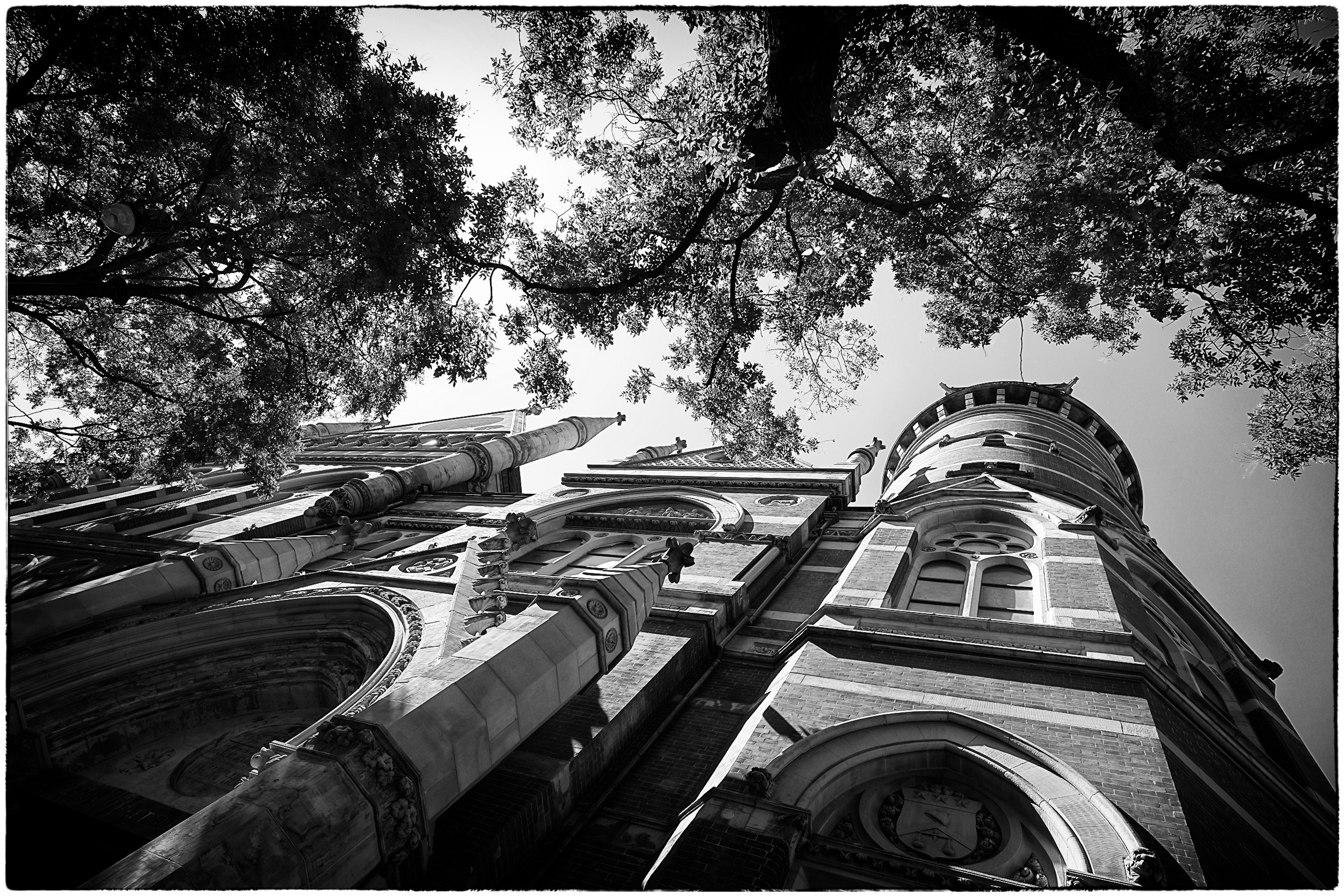
Notre Dame. This was shot with the Canon Power Shot A70 and heavily worked in photoshop to correct perspective and monochrome convert.

Notre Dame. This was shot with the Canon Power Shot A70 and heavily worked in photoshop to correct perspective and monochrome convert.

The following seven elements are what I have learned to use over the years. They have served me well and this post is populated with images I found in my archive, never before published pulled up just for use here. Some go back 12 years.

One: Take a page from Ansel Adams and pre-visualize the best shot that can be made from the scene before you. Ansel worked with large format cameras and they force you to get it right with an economy of shutter snaps. Contemplate the image in front of you and take time realizing the elements that will make a solid photograph. Resist a haphazard approach like overshooting in the hopes that one image will have a correct horizon and cloud will be in the just the right place. All this creates is a clutter of files and essentially- a bigger haystack to find the best shot.

Two: Archive or develop as soon as possible. Get the images off the card or the film processed before image anarchy occurs. Cluttered memory cards, unprocessed rolls of film in drawers, make bad for editing.

Three: Soak up a good look at what you have shot. This can start a healthy review of work via the playback button the camera. Don’t be afraid to pixel peep (zooming into the image) to check for proper focus. You have a succession of very similar shots, and one or two missed the mark for focus, but the other shots are tack sharp, feel free to delete the softies right out of the camera. I have found that I can edit very well right off the camera in most circumstances. I like to use a Hoodman Hood Loupe if I decide to pack it, it’s fairly cumbersome but it’s great at isolating your point of view when using the camera LCD.

Four: However you archive, be it Adobe Lightroom or manually like me, do it the same way, set up a consistent file structure and keep two hard drives or a raid as a back up. Name the shoot, and I also will date it too. Once the images are off the card, or processed and scanned, run through them again. Pick out a few favorites. Open them up and do a little post editing.

Five: Show them off and get some opinions. Throw them up on Face Book, tweet ‘em, Instagram them (even though I hate Instagram). My rule when I put up a shot on my Facebook if it gets over 100 likes then I know I nailed it.

Six: Move on. Forget about them. Work on your next shot. When you are ready to do something with them, and need them, make sure you have them properly cataloged on your drives so they are easy to locate for when you need them.

Seven: Dive back in fresh and do what really is your third edit. Based on your internal instinct and some reactions from your network look at your edit again, and also, the un-edited archive. You might very well have missed something. Become friends with this edit, improve on them with post processing. If you need to narrow them down further, set them up in folder for your screen saver and then your monitors become a “familiarization device” to better understand which are the strongest images. I learned this trick from Jock Sturges.

Union Square Pogo dance action. I recall shooting this, then dumping into a folder and forgetting about it. When I found it again I was thrilled to post edit and have a solid NYC street shot. A gem, hidden in a seldom used hardrive.

Union Square Pogo dance action. I recall shooting this, then dumping into a folder and forgetting about it. When I found it again I was thrilled to post edit and have a solid NYC street shot. A gem, hidden in a seldom used hardrive.

In summary, don’t shoot so much, go for quality not quantity and ask your network what they think of the images, then sit on them for awhile and keep shooting, return to them and look at your edit and the un-edited again. My last tip is that frequently, a crop is in order. Many a good image can be overlooked but stands out with a good crop. They say it’s all in the eyes.

I honestly don't know who's eye this is. I found a folder nested deeply among other folders with about 10 different eyes. I barely recall shooting this.

I honestly don’t know who’s eye this is. I found a folder nested deeply among other folders with about 10 different eyes. I barely recall shooting this.

~David

Climbing the Mountain – Thoughts on Finding Photographic Style

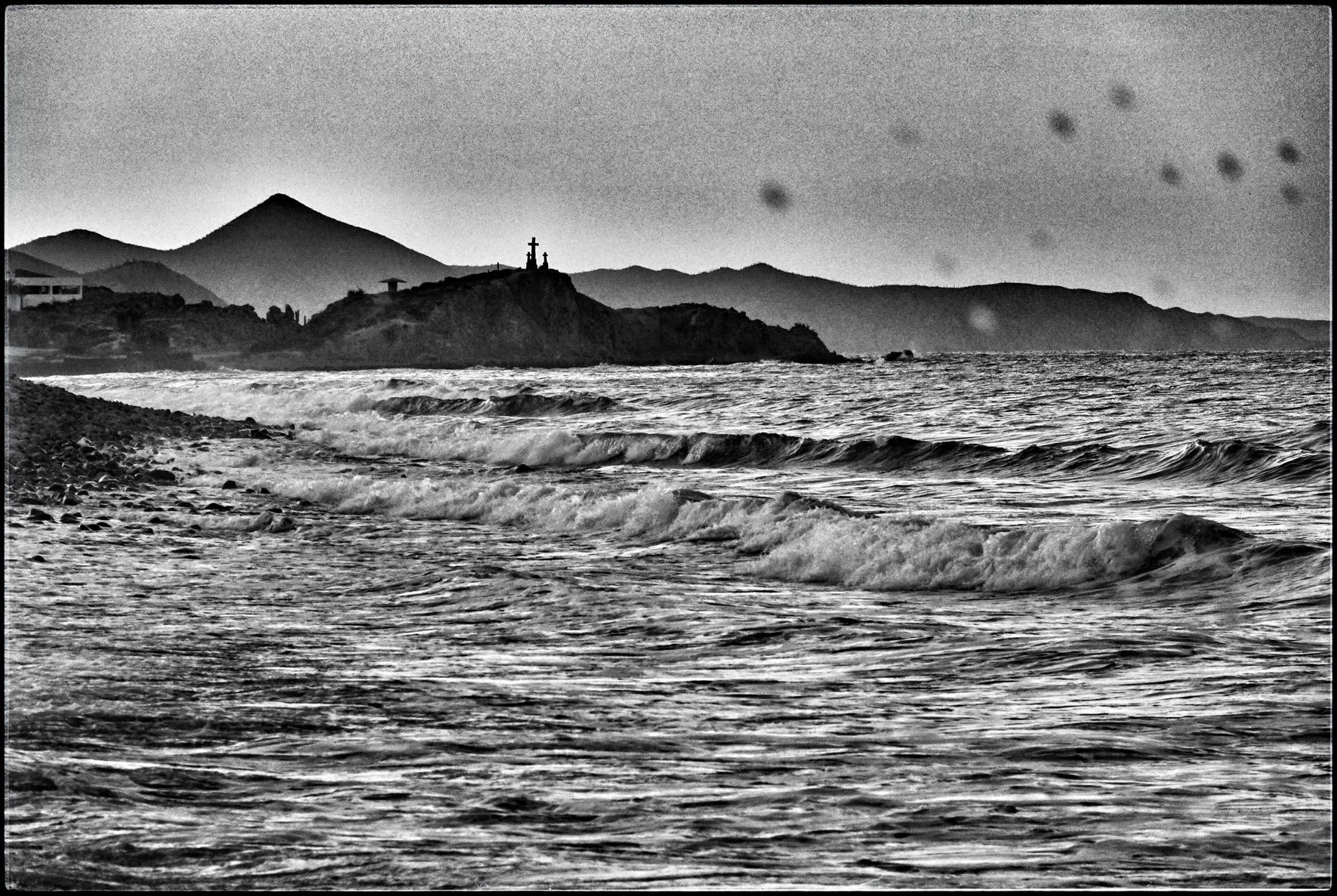
Rancho Los Cruces, Baja California Peninsula, Mexico. Sony RX10

Rancho Los Cruces, Baja California Peninsula, Mexico. Sony RX10

The Mountain. No, I’m not talking about a character form a George Martin novel or a Janes Addiction song. I’m talking about a vast project and desire to create something amazing. The Mountain is all the work ahead of you, all the plans, the complications, the raw effort. The Mountain soars in front of you, its height is dizzying and when you are in the shadow of the mountain the temptation to do nothing, to not try to move forward freezes you. Letting the mountain daunt you will be the equivalent of rolling over and going back to sleep, thus condemning you work to photographic mediocrity. But you are stronger; you will climb the mountain and figure out how to let your photographic voice soar in an orgy of style that will define your photography!

Adapting to the brutal winter of 2014 in NYC. Fujifilm Xpro1 18 mm f2.0

Adapting to the brutal winter of 2014 in NYC. Fujifilm Xpro1 18 mm f2.0

The way to go over the mountain of work ahead of you is actually quite easy. Take one step at a time and keep moving. I would now like to introduce you to something everyone one of us has in their pocket, The Goal Compass. Every great person who achieves something wonderful sets their goal compass and moves in that direction with little deviation. This doesn’t just apply to photographers, imagine Christopher Columbus and the mountain he had to climb to discover the new world. He needed ships, he needed sailors, he had to break a history of convention that stated what he wanted to do was impossible. The planning took over a decade, but he stayed the course and made his spot in history. He could not be deterred and every movement he made was aimed towards his goal. We are not explorers seeking the New World, we are photographers, and fortunately our goals are easier than Columbus.

However the Mountain does stand before us and it can be daunting. By setting the goal compass on plateaus to traverse you will be amazed at the creative ground you will cover. Here is style deconstructed and that which reveals a simple formula  serving as a map to travel over the mountain in the most expedient way.

  1. Master the camera and lens you are utilizing. Use a specific technique to create the image and perform specific post process treatments.

  2. Find subject manner you want to explore deeper. This is idea made reality in the camera viewfinder.

  3. Create a body of work around the subject and place by using the same camera and techniques.

The Euclidean triangle that is the base to developing photographic style. At what point on the triangle are you?

Note: This is an exert from my upcoming book on Finding and Developing Photographic Style. Want to learn more? Come to Brommer’s Style and Composition in NYC Workshop in April.

suspectworkshopbanner

Finding Photographic Style and Composition in NYC 4 Day Intensive Workshop April 17th to April 20th

Message Man in Chelsea

Finding Photographic Style and Composition in NYC  is a four day intensive workshop to develop your style and advance your composition skills with classroom sessions, assignments, museum and gallery visits, critiques, and guided photo walks in some of NYC’s iconic neighborhoods led by David Brommer. Photographers who are looking to perfect their skills and spend every waking moment in the city that never sleeps will be taking advantage of high level instruction and techniques with an emphasis on creating a body of work that will feature their own voice. Being exposed to new visual concepts and photographs from a series of visits to selected Chelsea galleries and two iconic photo collections at ICP and MoMA, students will ultimately build a solid portfolio of images.

chelsea

Classroom sessions: In this part of the program, David Brommer will deliver his two signature lectures “Finding Photographic Style” and “Composition Beyond the Rule of Thirds”  to give you the right tools to create a series of compelling images during your time in NYC. The classroom will serve as a home base, providing an environment for post processing and critique sessions, as well as working as an arena to discuss ideas and evaluate progress. The classroom sessions will be held at the photo department of New York Film Academy , a brand new facility in Battery Park  with state of the art classrooms with views of the Statue of Liberty and the port of NYC.

Photo Walks: The photo walks will explore iconic neighborhoods and landmarks including The Brooklyn Bridge, Lower Manhattan, Central Park, The West Village, Times Square and Grand Central Station. A live model will be available for one selected location photo shoot that will also feature a mini lighting workshop.

Gallery Visits: The neighborhood of Chelsea, with its more than 300 galleries, has the highest concentration of visual art per square foot on the entire planet. This experience will be a unique opportunity to visit key institutions and enjoy short gallery talks.  The itinerary will include Steven Kasher Gallery, Robert Mann Gallery, Bruce Silverstein Gallery and Clamp Art.

Final Party: The grand finale of the workshop will be the “Black & White” dinner, a party hosted by David Brommer and his wife Barbara. During the party the students will showcase their work and enjoy a “Black & White” menu of photography inspired gourmet dishes created by Barbara, (a chef and Bauhaus schooled artist).

Notes: This is an intensive workshop with lots of walking. It is not a basic class, it is intended for intermediate and advanced photographers. Class is strictly limited to 12 students. Be prepared to work hard, create dynamic photographs and grow as an artist.

Fee: The fee for the workshop is $699.00. Workshop is limited to a maximum of 12 students. The fee includes admission to ICP and MoMA and the final party.

Meals are not included, however we will be enjoying the vibrant NYC food scene.

Payments: A $200 dollar deposit is required to hold your reservation. The final balance is due March 31st. Students paying in full by March 1st receive a $50 discount for the workshop (for this option, please use the Early Bird Enrollment button to pay).

Chose your payment option from one of the three below:


Workshop Cancelled. Subscribe to this blog to find out when more will be offered.


The Workshop Reservation Deposit ($200.00) is NOT refundable. If you cancel before April 15th you will obtain the fee refund minus the deposit amount (i.e. Workshop cancellations are subject to a $200.00 fee).

If you wish to pay by check please email me directly for instructions and payment information.

Any students who wish to bring a Fujifilm X System camera will receive special love. However, any digital camera or iphone is recommended. While the Suspect does love film, it will be hard to add film to the critique sessions and receive instant feedback.

Any questions please feel free to email or ask in the comment field. Thank you and see you NYC soon.

libraryon6th

Keep Calm and Carry Cameras II

What the Garbage Truck Sees

This is a short and sweet post, it’s about something I have said in this recent post, “always carry a camera”. You just never know when the photography gods will throw you a good image to capture. On the street, or just coming out of your bathroom. Carry that camera.

So here’s the story, on Sunday mornings I head out to La Bergamote bakery to pick up some croissants to bring back for breakfast. This trip takes me down 9th ave, and sometimes, I head east to 8th ave if I’m in the mood for bagels and lox from Brooklyn Bagel Company. Mostly though, it’s all about the croissant. I always grab my camera, because La Bergamote is in the heart of Chelsea and the architecture and tree lined streets is just perfect in so many ways. It was early on this particular Sunday morning, and cloudless. On the Corner of 22nd and 9th Avenue a Garbage truck had pulled in the corner diagonally so that its front pointed across the street instead of down the street. While a normal site on the streets of NYC, as I crossed it I noticed the windows reflected the buildings across in an interesting composition. Standing almost in the middle of the street I took some time to compose the image, falling into that tantric composition photo seeing trance through the viewfinder that only ones who love photography can understand. Time stands still, traffic matters not and in a 250th of a second it’s done. Exposure made, for better or worse or most likely, for nothing really because only a small percentage of images actually has any guts to it- destined to fall deeply into a folder on the hard drive.

Later during breakfast I did a chimping session and thought, “you know what David, you got something here…” so I downloaded the image onto my iPad and started to do my new workflow with snapseed and was quite surprised at the final edited image. I posted it on my Facebook and got loads of Likes. I’m so happy I brought the Fujifilm Xpro1 with 18mm f2.0 on that croissant mission.

before and after


Fast forward a week later, and I visited the bathroom early this morning. Of course I had the requisite iPad with me, and I was sitting there, through the door I spied the rising sun pouring through the windows and shedding light on my wife Barbara’s cabinet. Click.

 Heads greeting the morning sun.

Photography is about so much, and sometimes I just blush with happiness, when all that matters is making the image. I friend of mine recently posted a shot of her under the darkcloth of a Deardorff on Facebook, as I was writing this post I had spotted it on my feed, We had a short exchange and Kendra gets it, she said, “love it”.

photodialog

Check out Kendra’s work, she shoots Tin Types and brings a wonderful aesthetic to her work. When I first met her she was shooting with a 4×5 Speed Graphic, now she’s rolling big time with a 8×10 Deardorff!  Look at those TinTypes, thats LOVE! www.kendraesadams.com

That’s all there is to this I guess. Carry a camera, keep calm, and love it.


~David
 

Keep Calm, Carry Cameras. No, Really.

Message Man in Chelsea

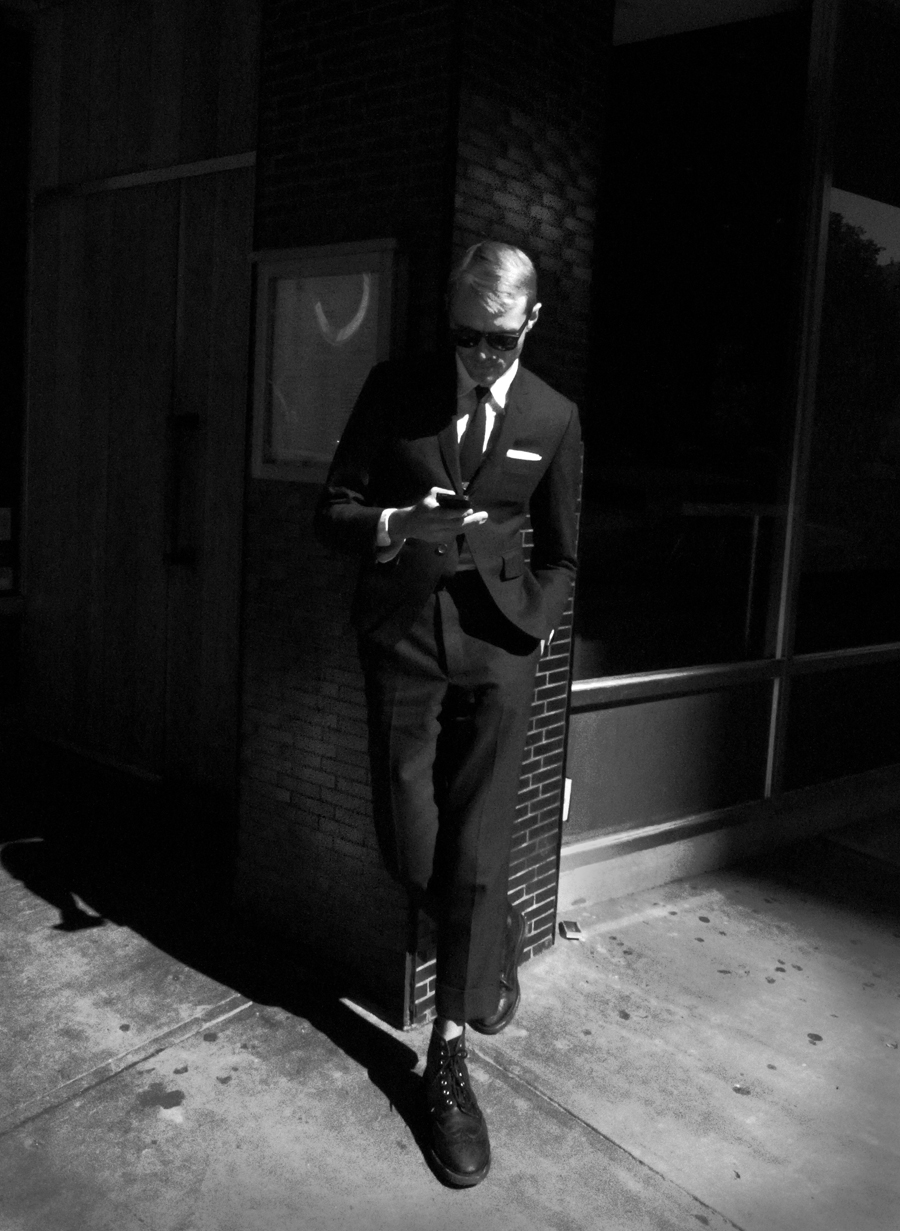
After I posted yesterday’s blog on Street Photography as a Genre, I went out for an afternoon walk from Chelsea to Union Sq and back. I got about 2 blocks when I realized as I chose my camera to pack with me for the walk, I forgot my wallet. With a grunt and curse I turned about to return home and then I spied this perfect intersection of light with this well dressed dude in a pose seemingly meant just for me. Thank you sir. As I crossed the street, I drew my Ricoh GR IV, held it up as I slowly walked by and … nailed it.  Best shot I have taken in about a month. Thrilled. No one but the Shutter god and I knew the discreet candid photo was ever taken.

The last post was about Street Photography as genre, so I had this in mind and was playing with the camera in a whimsical “streety” way. Luckily the camera focuses extremely fast and accurately and I can apply some funky contrast B&W styles to the photo. I walked away with a image I can rely on, more confidence that I can shoot street genre, and mostly the reiteration to ALWAYS CARRY A CAMERA.

So the shot is made with Ricoh GR IV Digital and I wrote a review of it here. It’s a fine street shooter.

Genre: Street Photography

Halloween revelers get cash at Citibank.


Everyday, Opportunistic, and Spontaneous

The most popular and widely practiced genre of photography is arguably Street Photography. Street photographers walk around with stealthy cameras ready to grab candid and un-posed images. It takes dedication to build up a body of work, and days and days of shooting can yield little in interesting images and then all of sudden, something with punctum pops into the frame.

 Puppets, Milan Italy. Fujifilm Xpro 1 18mm lens B&W film simulat

In the pantheon of photography, street photographers reign. Known as the father of street photography, Henri Cartier Bresson championed the concept of what he described as, “The Decisive Moment”. This can be summed up from Bresson’s own words, “There is a creative fraction of a second when you are taking a picture. Your eye must see a composition or an expression that life itself offers you, and you must know with intuition when to click the camera.” Bresson’s concept has aged quite well even considering that HD Video and super fast capture rates has fallen in favor even with the still photographers.

Icons

Perhaps Street Photography is so widely practiced because it is so readily available. Simply walk out of  any door with your camera ready to go and the world becomes your subject. Practicing street photography can be an exuberant way of displaying photographic style but it’s own ease can be its pitfall too. Photographers run the risk of becoming bored waiting for that “Bresson Moment” to occur and let their guards down and miss the potentially great shot. Street Photography captures fractions of seconds of our society in action and can serve in a documentarian role as well as just making a great photograph. The best street photos are when multiple stories are being told and the entire frame becomes a stage for life unfolding. It is spontaneous, and patience with a camera on a street corner will be rewarded with just the right subject, secondary subjects, and actions occurring with the background you chose.

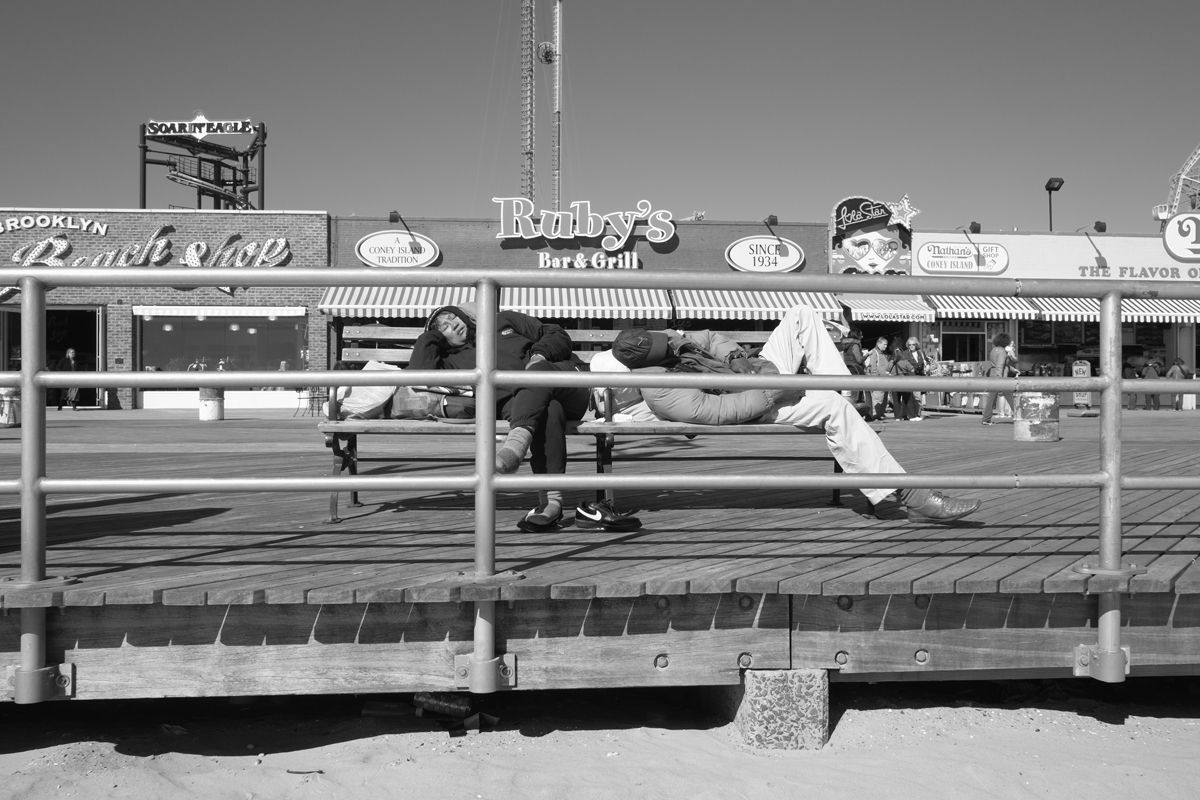
 Coney Island

Another interesting facet of street photography is that it ages well. While a street filled with current cars becomes mundane, the same street filled with 55 Buicks and 57 Chevy’s all of sudden has a nostalgic boost. The same can be said with fashions and evolving cities in the frame, these images get more interesting with time. This is a reward for those who practice the genre of street photography during thier lifetimes.

Kid on the street. Hi Contrast B&W Ricoh GRD IV

Kid on the street. Hi Contrast B&W Ricoh GRD IV

Skills: Quick Reaction Time

Technique: Zone Focus or Pre Focus

Masters: Robert Frank : Vivian Cherry : Peter Turnley : Harvey Stein : Vivian Maier : Bresson (link above). Yes there are many more, this is broad genre however I picked these to start with for historical reference and also in the case of Peter and Harvey, they are still very active and teach workshops.

Gear: Leica M system, Fujifilm Xpro system, (super high quality and small discrete size) DLSR with fast aperture prime wide lens.

I’ll be honest here, I am challenged by street photography and while I practice it, always armed with a camera when out and about, I find my best work is when I can set the shot up and influence the image.  I respect street shooters and for those just looking to get into the genre, I recommend you look at the following photographers

The above is part of a format for presenting the genre’s of photography in my upcoming book, “Finding and Developing Photographic Style”. The idea is the common genre name, followed by three words that sum up the genre, then a moderately in-depth description with photographs to illustrate. As always, I’ll take any feedback.

~David

It’s the end of year and we’re still here: Images and Reflections of 2012

Street Smoke

The 12th year of the new millennium comes to a close and like most of us in the western world, I find my thoughts drawn to what happened, what I accomplished, created, did right, did wrong, and learned. Retrospect is trending it would seem, and it is demanded by the calendar.

These ruminations are dominated by two biggies in 2012; shooting with my Fujifilm XPro1 and starting this blog. My role at B&H Photo running the Event Space is a massive creative block of my time and I pride myself on what I can create on my off hours. I’m not alone in the assumption that a simple camera stimulated my creativity in such a profound way, Gabriel Biderman also credits the XPro1 as major new work instigator for this year. I now can state with absolute certainty that a piece of gear can inspire you to take great photographs. Learning the Ins and outs of a lens and camera forces you to milk a good photograph out of the kit, utilizing the new technology expands your horizons, and hey you know what? A few good photographs come out of it. Can I get a Camera Hallelujah!

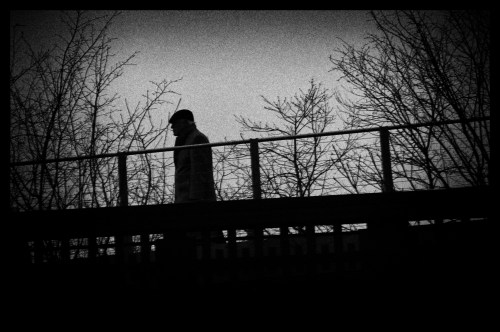
I made a selection of images for this blog in no particular order using Adobe Bridge to look back in the image folders of 2012. These aren’t the best nor represent 2012 as a statement of the year. They are just what I choose as I looked back, they are simply images that hadn’t been blogged over the year. New stuff? Yea.

 Images and Reflection’s of 2012.

ScoobynSlash

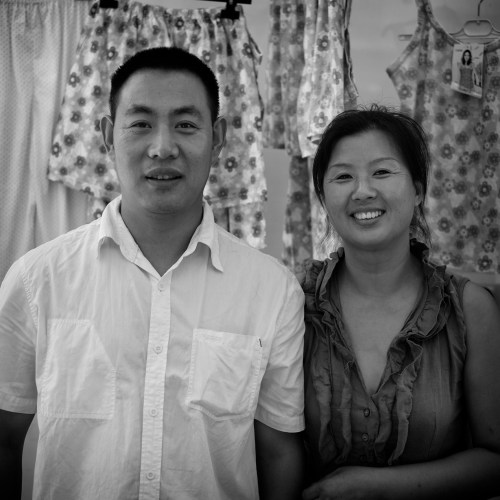
Peopleumeetonthestreet

Antonioconnecron

CamuciaCouple

DSC00120

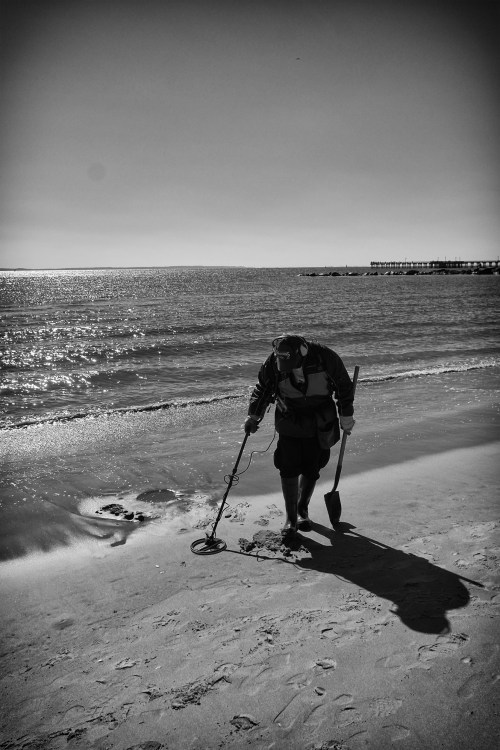
Metal Detector

CortonaHillside

Those images are presented in varying post editing techniques. I wouldn’t recommend mixing and matching like this, it dilutes the style of the photographer. But I do have to say, this year I really fell in love with Nik Silver Efex pro.

Listing of what got accomplished

  • Learned Wet plate photography techniques
  • The book I co-authored was translated into Korean.
  • Taught a cyanotype class with Barbara in Cortona at the Cortona on the Move festival
  • Shot a few gigs worth of image mostly with the Fujifilm XPro1.
  • Survived a contentious American presidency with my pick winning (I know that’s not creative, but trust me, it was a long and arduous political process that sapped lots of creative juice as it ran its inevitable course).
  • Was able to register the URL “Suspect Photography” and start this blog. (darn thing was taken since I have building web sites but now I got it)!
  • Exhibited in a group show at Soho Digital At Gallery
  • My Youtube video for Better Photographic Composition: Beyond the Rule of Thirds reached over 100K views… omg!
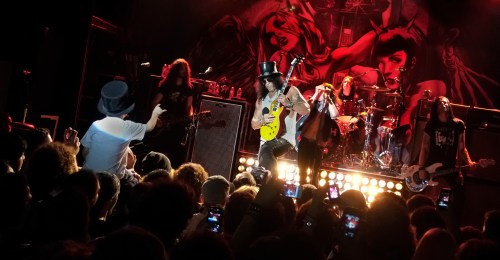
  • Saw and photographed a number of great rock concerts. Gotta keep that up, seeing live music is so inspirational.

What’s it gonna be for 2013? I have two goals. To start with, create a one week long seminar teaching photographic style development. Second, loose some weight. I need to bulk down from a large format body to a 35 mm format. We can see about APS-C size in 2014.

Happy New Year to all!

418032_10200204482417731_1009771358_n