Suspect Photography

words and images from david george brommer

Tag: review

Exploring the TTArtisan Tilt 50 Lens: A Hands-On Review

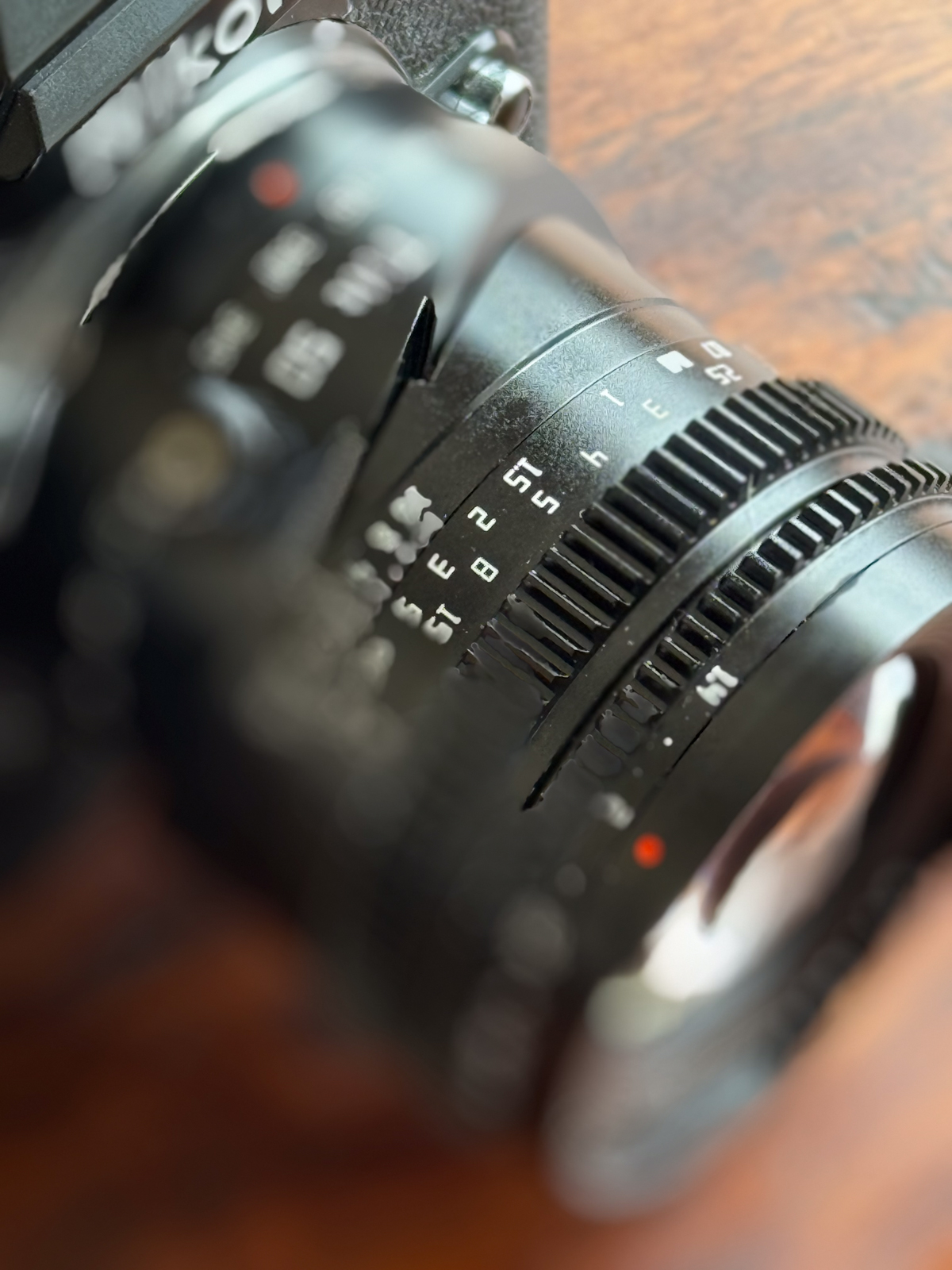
As many of us, I’m a gear freak and love optics. I was poking around the Nikon Z lens options on the B&H Website and came across this lens, the TTArtisan Tilt 50. It’s part of this wave of ‘cheap cost’, but ‘not cheaply made’, Chinese lenses. The 70’s were a hey-day of weird, wide, and tele lenses from oddball companies; and then in the 2000’s Lensbaby hit the market. Now with the rise of easy manufacture (barring tariffs) lenses, and manual film/video lens needs, there is a plethora of this type of equipment to try out. Long story short: I bought the lens on speculation, and was pleasantly surprised on all fronts!
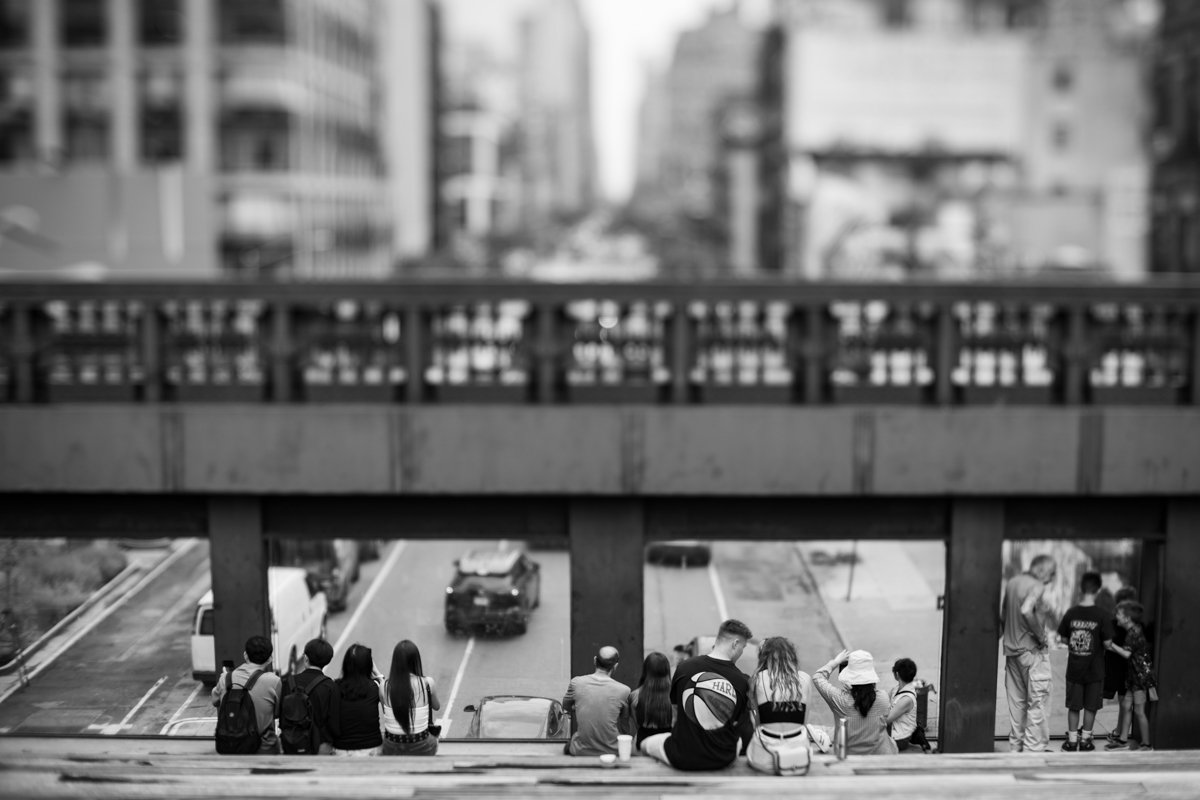
I slapped the lens on a Nikon Zf with focus peaking turned off (I found it hard to “see the image” with the shimmering distraction), auto iso on, aperture mode, B&W switched on, Raw. Making sure “ok to shoot without lens” setting is checked. I took a morning stroll on the Highline excited to try out this fine feeling lens.

The lens has two unique controls, one for the tilt and the other direction of the tilt axis. By strategically turning these two, in tandem with the manual aperture, you gain access to a “strip” of in focus view. You can “spin” the lens to make that strip go anywhere. The lens also has a wonder full depth of field bokeh and close 19.7″ / 50 cm minimum focus.
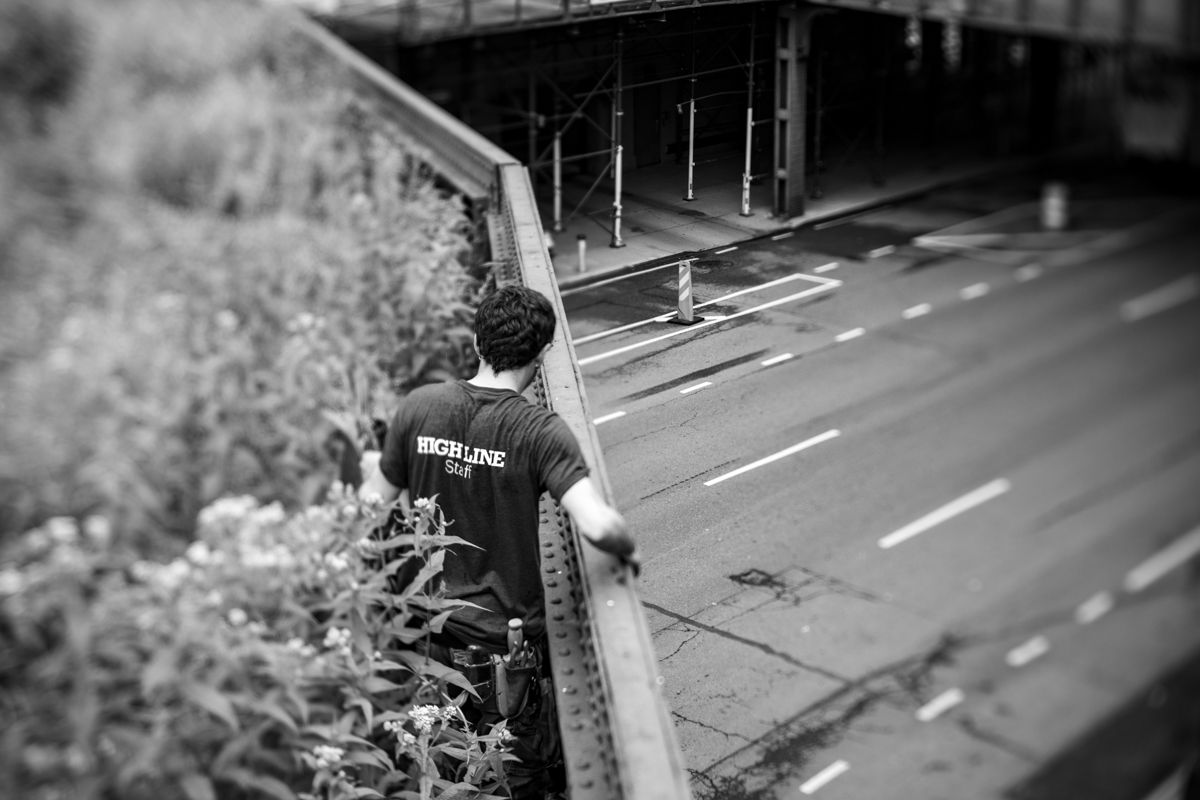
The actual sharpness of the lens is questionable, it’s not a view camera, but that’s not the point. Straight on at F8 it’s sharp, but it falls off the more wide we open. However I found it sharp enough to certainly buy and keep in my gear bag. It’s fun to use and produces unique results.
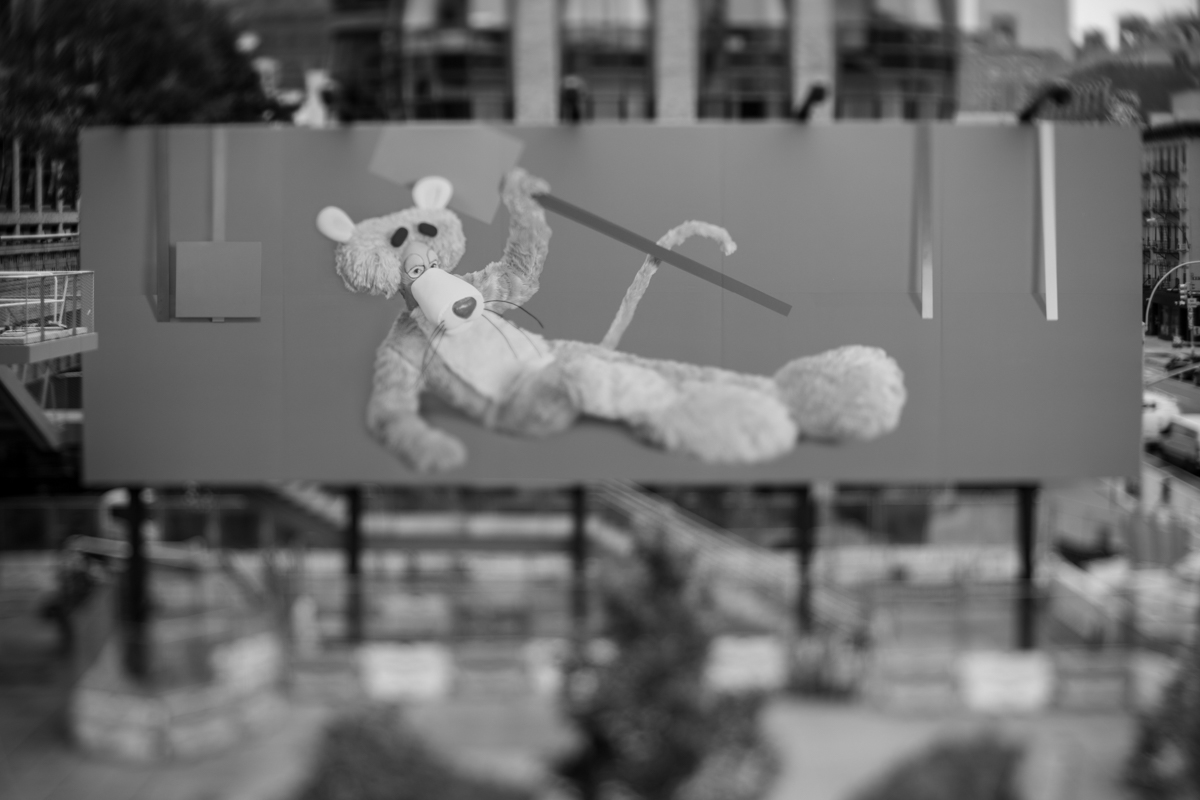
The lens likes height to give it perspective. Walking the Hhighline was actually perfect with its vantage points and strong horizontal lines.

We cruised out to celebrate the fourth of July out in the Hamptons in the Buick and I grabbed the same combo.

Couple of notes, you have to have deft and strong fingers to maneuver the tilt and rotation functions. A tripod couldn’t hurt, but I used it handheld during my exploration of the lens.

My favorite wall north of MoMa. Vintage camera wall by Brandon Remler.
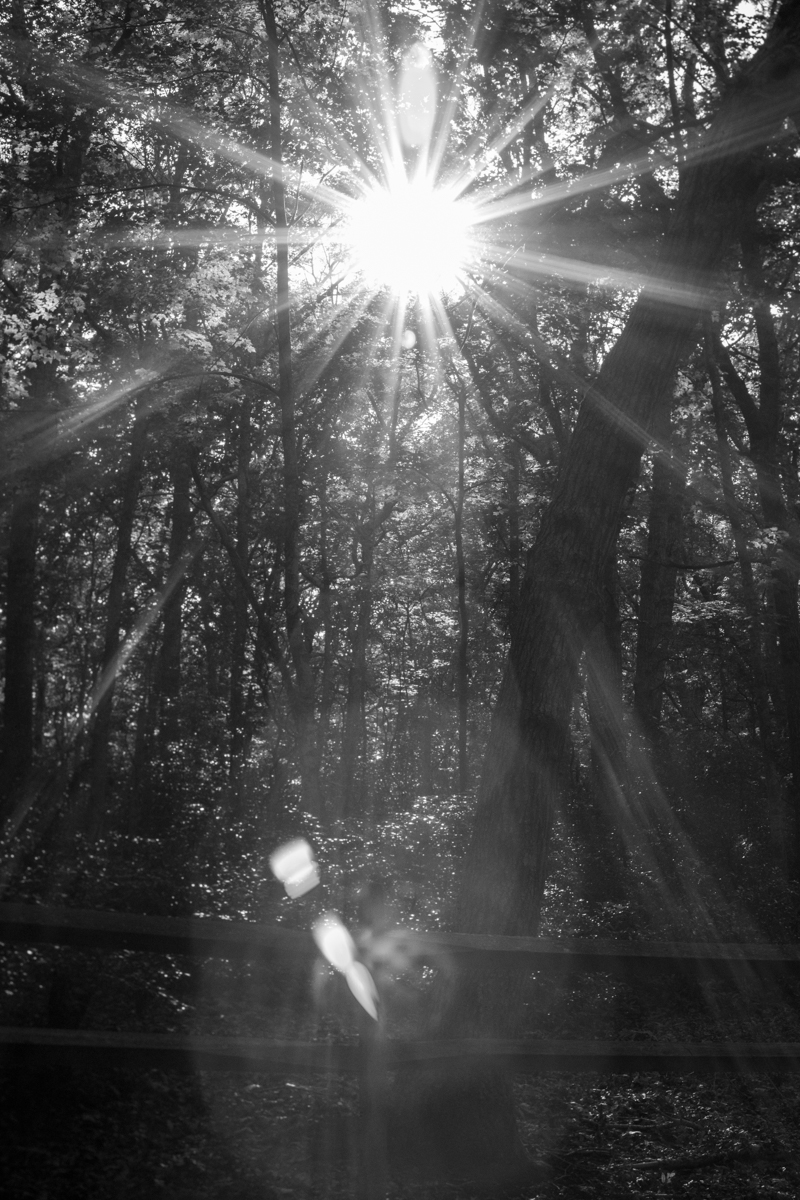
Shot this one at f16 amined up into the sun through the trees. I wanted to see how much wackadoodle the flare would cause. The result, enough!
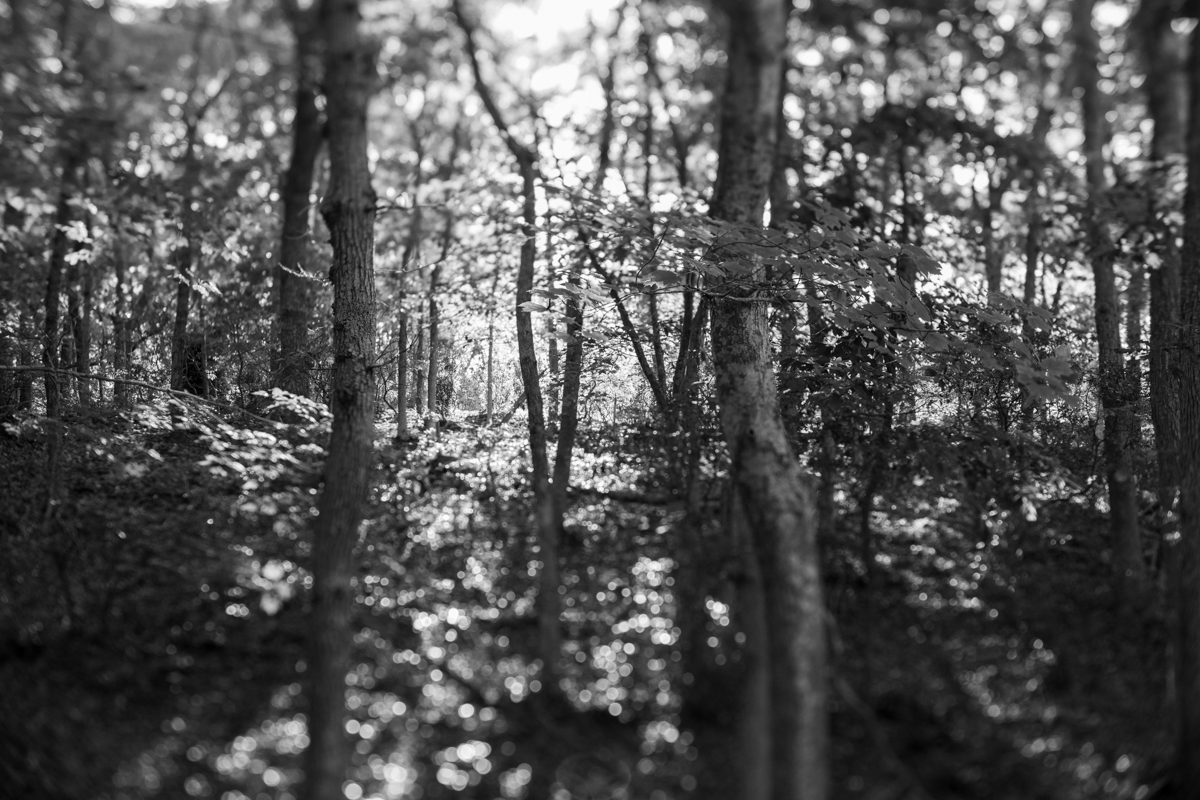
Shooting the Tilt 50 at f. 2 to 4 seems best. Shooting wide open at 1.4 makes the circle very tight. Opening up two stops is the “sweet spot”. It’s the dreamy effect. I dig it. Is it gimicky like full frame fish eye? yes. But the Tilt 50 does have its place. I’m thinking a start and finish workout project, shot only with the Tilt 50. The tilt effect makes things tiny and if used correctly, can help telling the story by highlighting via focus on subjects.

I don’t recommend it for straight shooting. Not having the effect makes it less desirable, but still, the bokeh is outstanding and for the cost… Certainly less than Eisenhower’s collar.
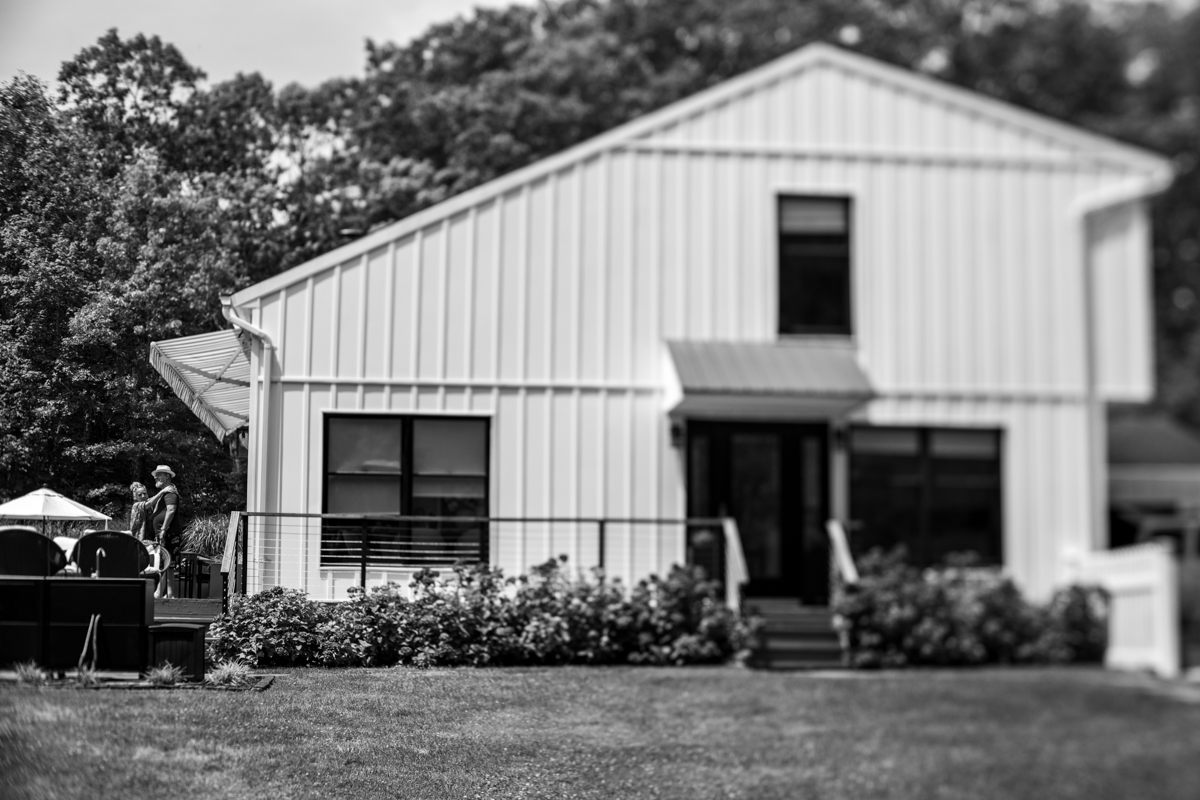
That’s the great night photographer Gabriel Biderman and the president of the Duran Duran fan club, Nancy (only kidding, Nan is one of the finest people I call a friend). But in all seriousness, this image illustrates the way the tilt 50 can assist story telling.

It’s a heavy weight lens at 15.9 oz / 452 g. The focus is smooth as well as the click less aperture ring for those who might consider using it for film making. Which by the way, I suspect would be outstanding. Like a way to shoot a memory or a dream sequence. The lens also has satisfactory knurled rings if you were to use with a follow focus device.

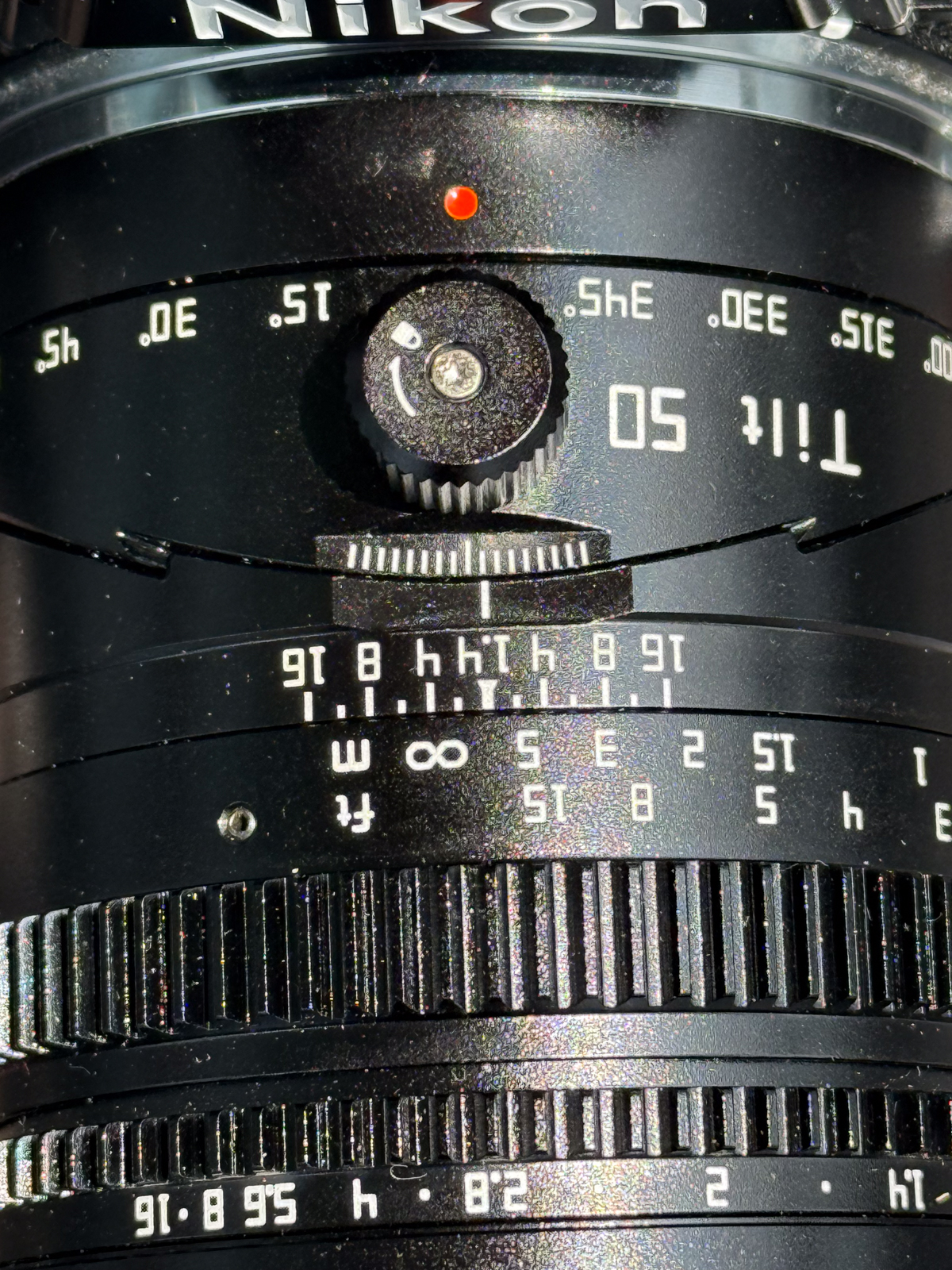
Here’s my plan. I’m keeping the lens. At $229 using a payboo card it has great potential with insignificant investment. In the spring I bought the 14-24 2.8 S lens and love it, but at it’s hefty 2k price it doesn’t do what this little extra nifty fifty can do. It comes in all the mounts including Fuji X, Canon, Sony and micro 4/3. Go buy it at B&H and tell me how you like you it.

~David July 2025

Suspect Photography Assignment- Street Photography in the Tradition of Henry Cartier Bresson

Peter Pickering added as editor! Read below for details!

The Britannica Definition:

Street photography, a genre of photography that records everyday life in a public place. The very public nature of the setting enables the photographer to take candid pictures of strangers, often without their knowledge. Street photographers do not necessarily have a social purpose in mind, but they prefer to isolate and capture moments which might otherwise go unnoticed.”

Henri Cartier-Bresson was a French artist and humanist photographer considered a master of candid photography, and an early user of 35mm film. He pioneered the genre of street photography, and viewed photography as capturing a ‘decisive moment’.

I have been contemplating the relationship between Travel Photography and Street Photography for a few years now. Traditional travel photography that bases itself on “Sense of Place” (as explained by my mentor Bob Krist), benefits tremendously from the addition of “Street” technique. By imbuing “Rhythm of Place” (as stated by Steve Simon) with a human element, you achieve a high level photograph. I also believe that a stern practice of both Street and Travel will produce an extremely interesting body of work! Essentially, placing the human condition into the city/landscape and capturing the perfect exposure that requires timing and command of Bresson’s “Decisive Moment”.


This year, Steve Simon and I have been teaching many Street Photography workshops, and I’m very excited to share what I’ve learned by critiquing your images. This assignment, will also present an excellent primer for those who are unfamiliar with street photography.


Instructions to submit an image to the review:

You may upload ONE image that fits the above criteria as Street Photography in the Tradition of HCB.
Upload ONE 2-5 mb jpeg. Images must follow this naming convention: firstname_lastname.jpg ie: david_brommer.jpg and not have a water mark. Images will only be used for a one time recorded critique. By following the naming convention you will receive credit for your work in the form of a shout out during the review.

DEADLINE TO SUBMIT IMAGE IS JUNE 14TH.


The reviewers will choose their “Best in Class” and the winner will receive a $150 Discount to any of the upcoming Suspect Photography workshops.

Peter Pickering, the Australian Photographer who is the founder of the popular street photography Facebook group, “Street Photography Cartier-Bresson Inspired” has agreed to come on as a photo editor of the upcoming Suspect Photography Assignment/critique. Peter Pickering will be choosing 10 submitted images for Steve Simon and David Brommer to discuss live on Zoom and recorded to Youtube.

Assignment: Opposites Attract

On this next assignment (or shall we say ‘visual challenge’) we are going to explore how very different subjects can dynamically interact with each other, whether they are thrown in a situation or they just happen to exist in two diametrically opposite circumstances. 

The goal of the exercise is to push our vision to the brim of conflict,  break free from pre conceived notions and find the harmony in opposition. 

SUBMISSION DEADLINE: MAY 5 TH AT MIDNIGHT.
LIVE REVIEW MONDAY MAY 6TH AT 6:00 PM


Now point your cameras at it. Here are the rules:

You can submit one image in the theme “OPPOSITES ATTRACT”. This image is an assignment, you are highly encouraged to prioritize creating this photograph in the coming weeks. Since there is so much lead time, only newly created work will be reviewed.  You may NOT draw from your archive, by embracing this home work you will gain the full benefit of this assignment, seek out or make the image.


Upload ONE 2-5 mb jpeg. Images must follow this naming convention: firstname_lastname.jpg ie: david_brommer.jpg and not have a water mark. Images will only be used for a one time recorded critique. By following the naming convention you will receive credit for your work in the form of a shout out during the review.

Take this assignment seriously. Street Photographers can hit the pavement and find the opposites attracting or you can set up the photograph with family, friends and other willing accomplices. Start taking notes, write down ideas that come to your mind while thinking about what Opposites Attract means to you. Plan where you will make these photographs or how you will construct the photograph.

One image will be chosen as the best in class and a $50 donation to IPC will be made in the photographers name. Your hard work will do good by supporting an excellent organization.

The International Photographic Council (IPC) is dedicated to increasing worldwide recognition of photography as a universal means of communication. Through a variety of efforts such as the awarding of scholarships to students and the recognition of professional photographers annually at the UN, IPC continues to promote photography in the spirit of its motto: “Peace Through Photography, the Universal Language.”