Suspect Photography

words and images from david george brommer

Tag: photography

When is a Photograph Truly “Done”?

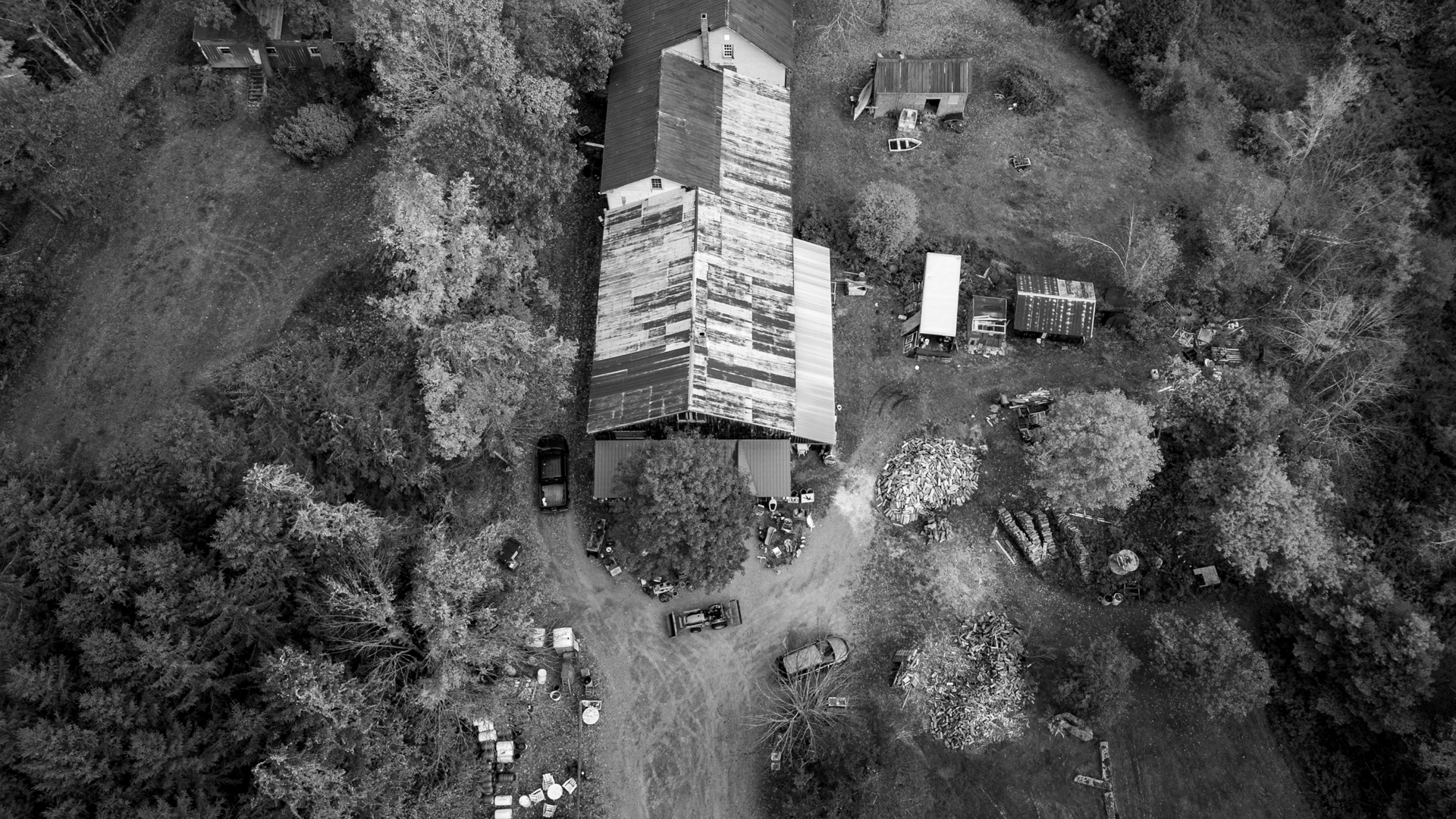
DJI Mavic Air 3 Tele Lens, Processed in Camera Raw- Ready to print

We’ve all been there: the meticulous packing of camera gear, the careful selection of lenses, and the anticipation of chasing light. We scout locations, wait for the perfect moment, and then, click. The shutter fires, the photograph is made, and a fleeting piece of time is frozen. But is that precise moment, that initial capture, when a photograph is truly “done”? Hint, it’s not.

For many photographers, the creation process of an image is far from over when the memory card fills. The initial capture is merely the spark, the raw material, a digital or analog negative holding immense potential. The process is a creative continuum that extends well beyond the field, into the necessary and transformative stage of editing. The digital darkroom is where your vision truly takes form; here you refine the light, enhance the mood, crop for impact, and bring out the crucial details that tell your story. This stage is essential in translating what you saw with your eyes to what you felt with your heart. It is the critical step of giving emotional intent a physical, visual language that speaks clearly to others.

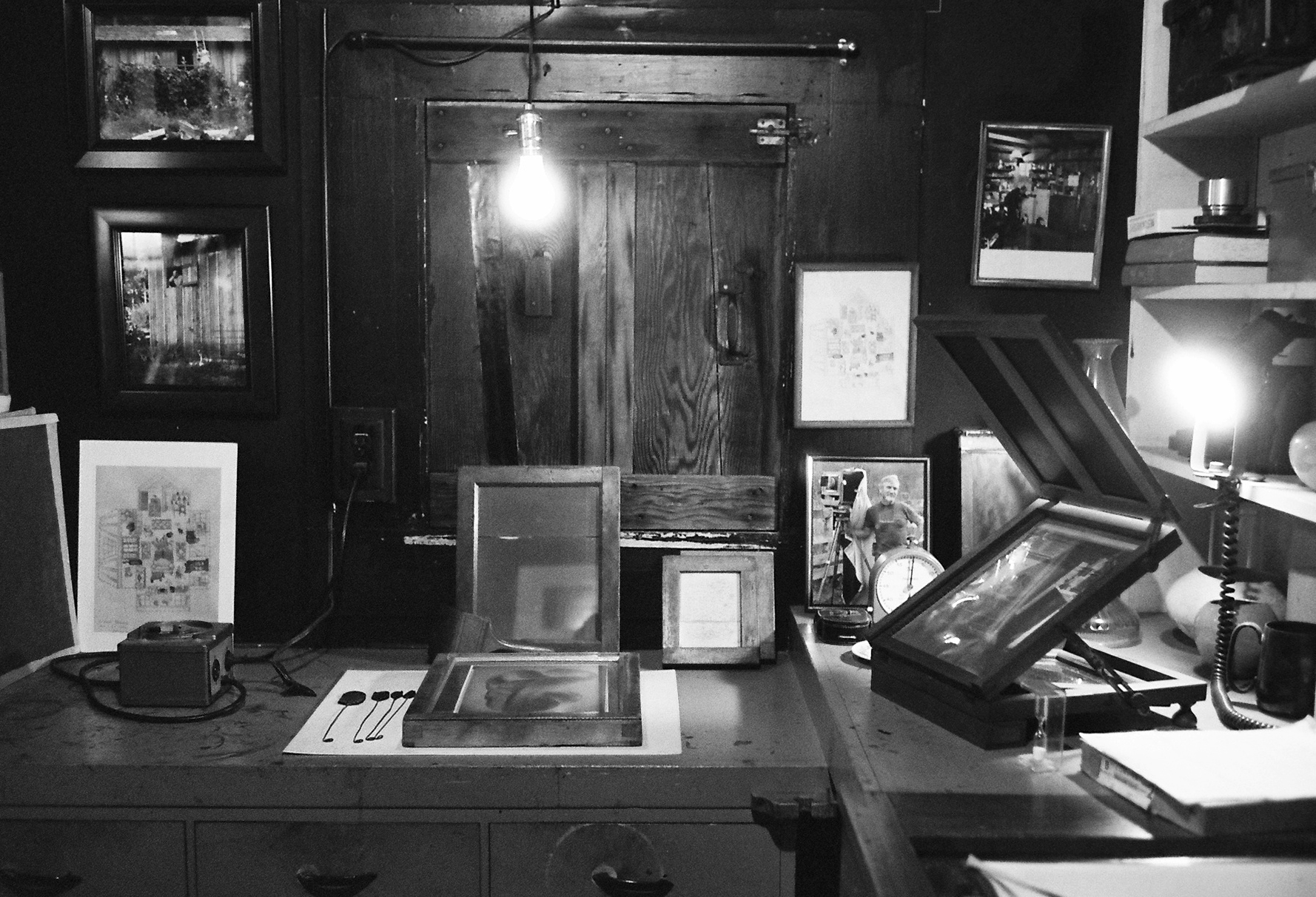
Edward Weston’s Darkroom

The final act of creation is the output, the moment you publish, print, or post your photograph to its audience. This is when the work moves from potential energy to a tangible reality. Is it a gallery-quality print, carefully matted and framed, ready to hang on a wall and command attention? Is it a thoughtfully placed image on a page in a book or zine, contributing to a larger narrative? Or is it meticulously prepared and uploaded to the web or a social media site, destined to connect with a global audience, spark conversation, and inspire? Once you put it out there, it’s essentially done.

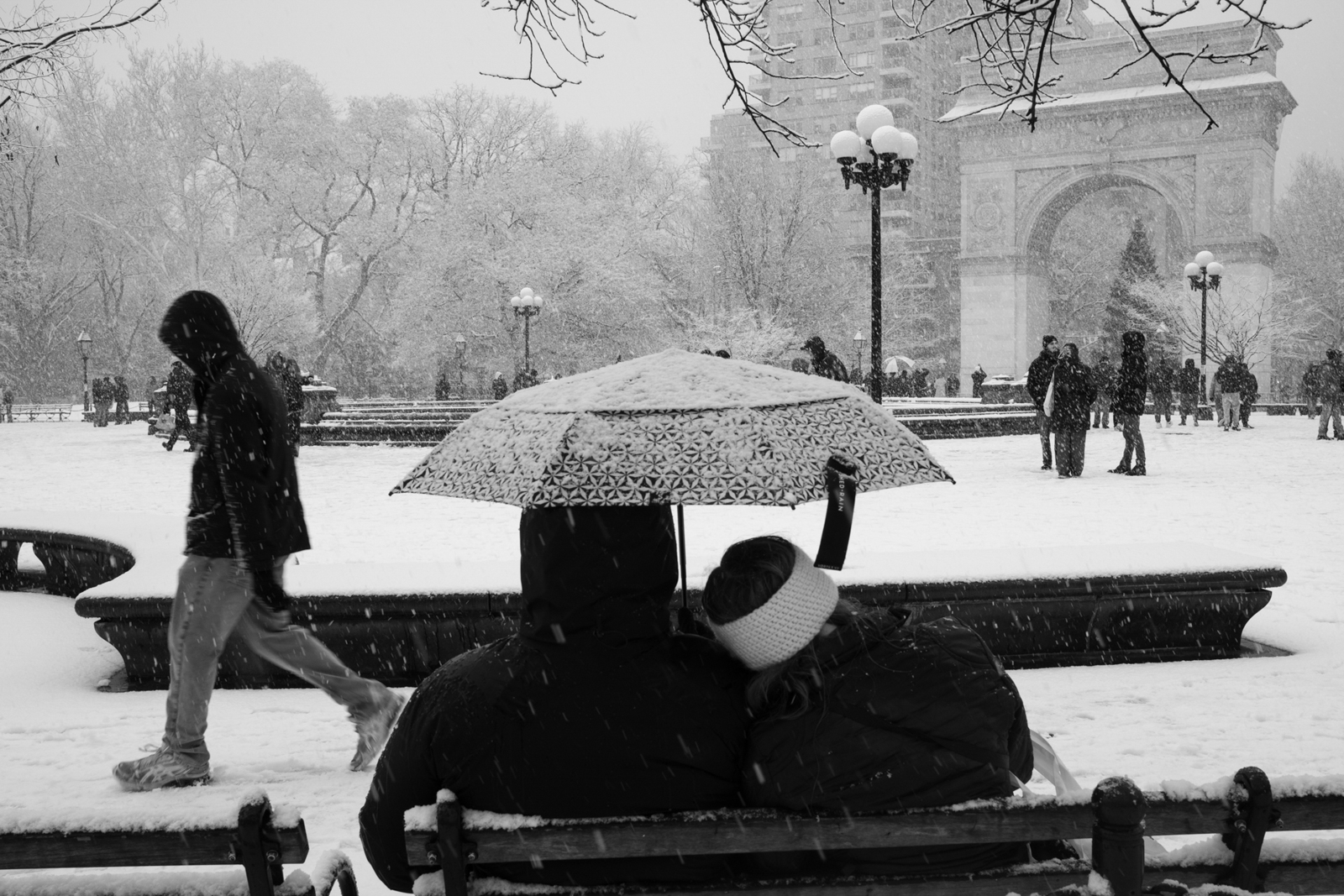
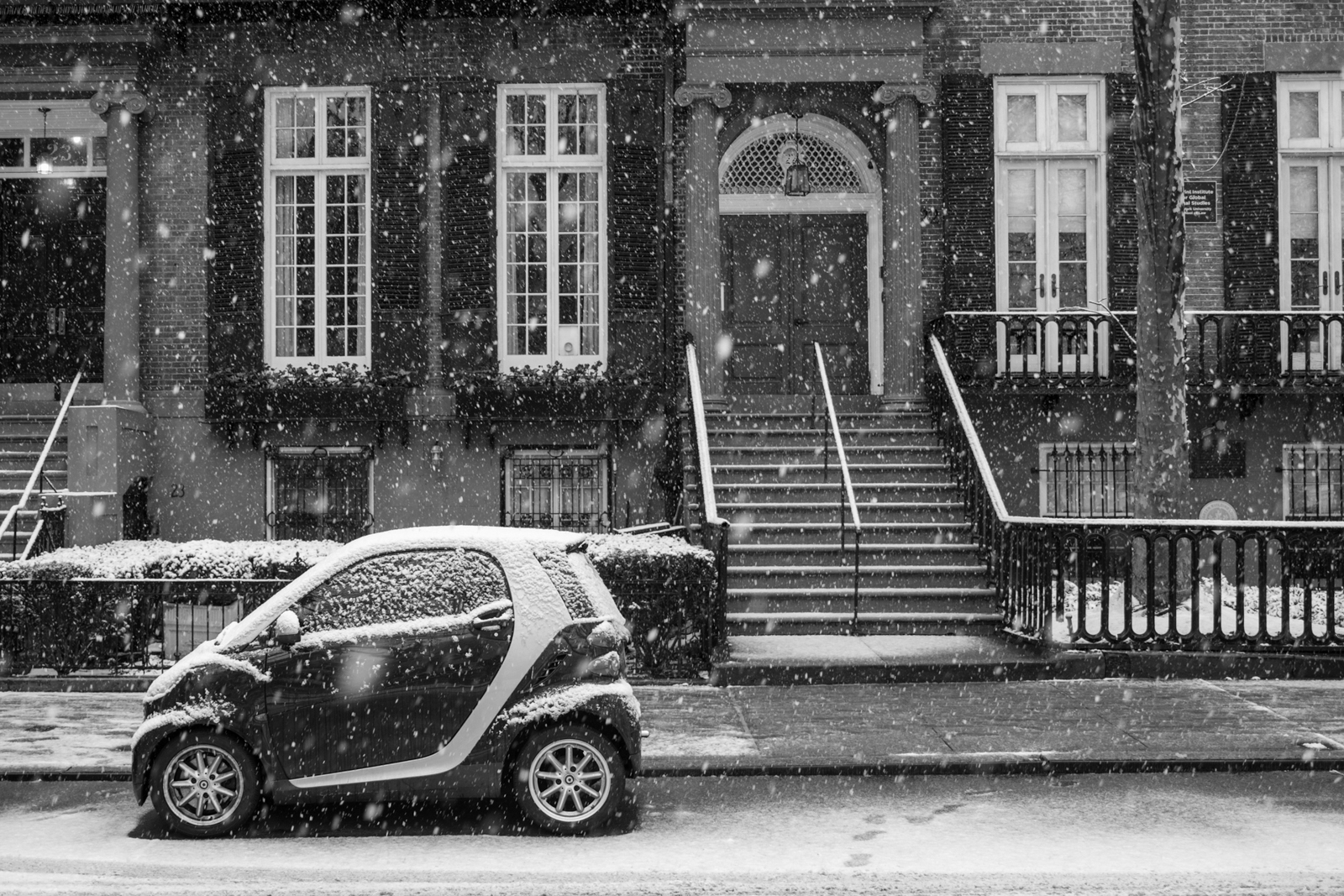
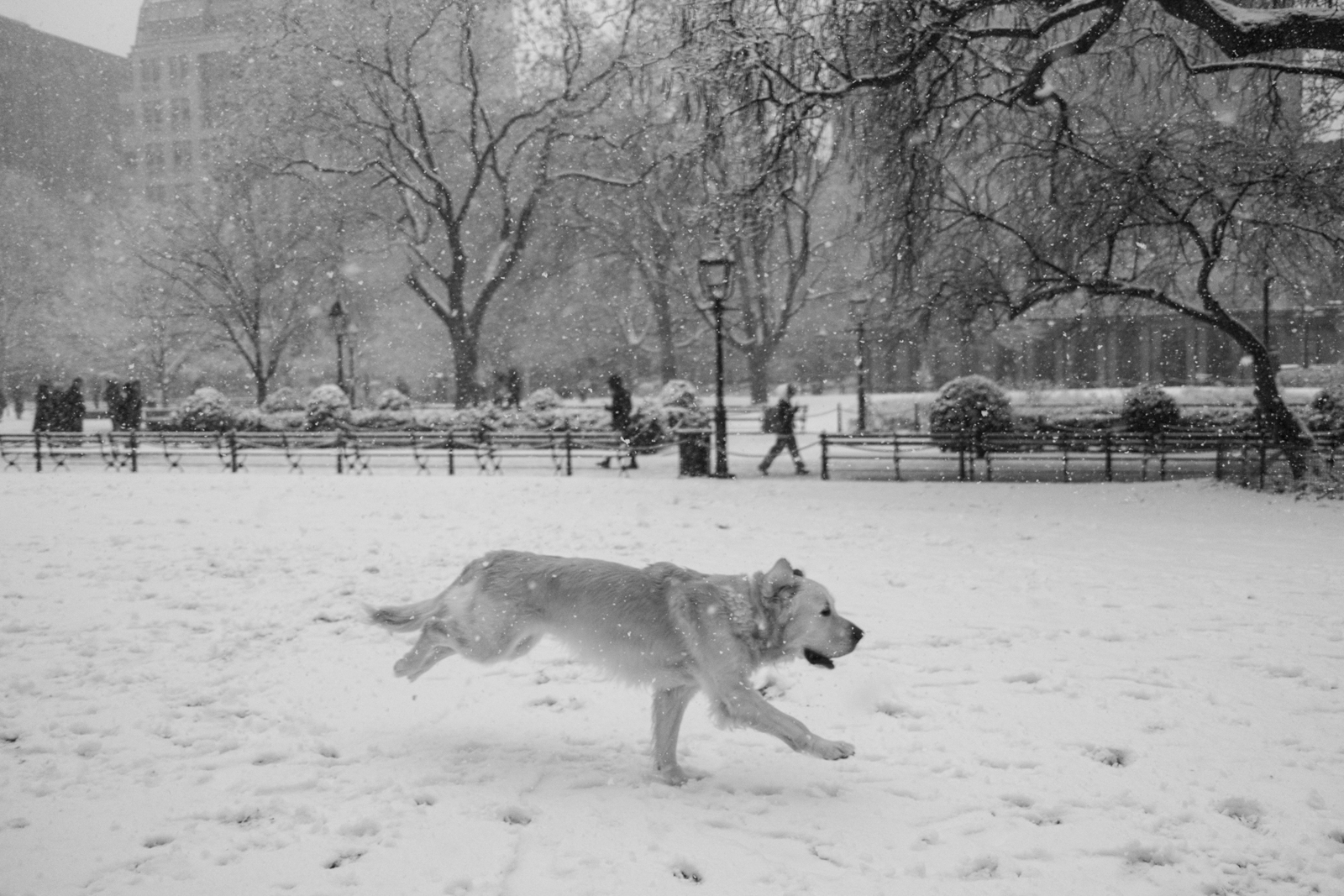
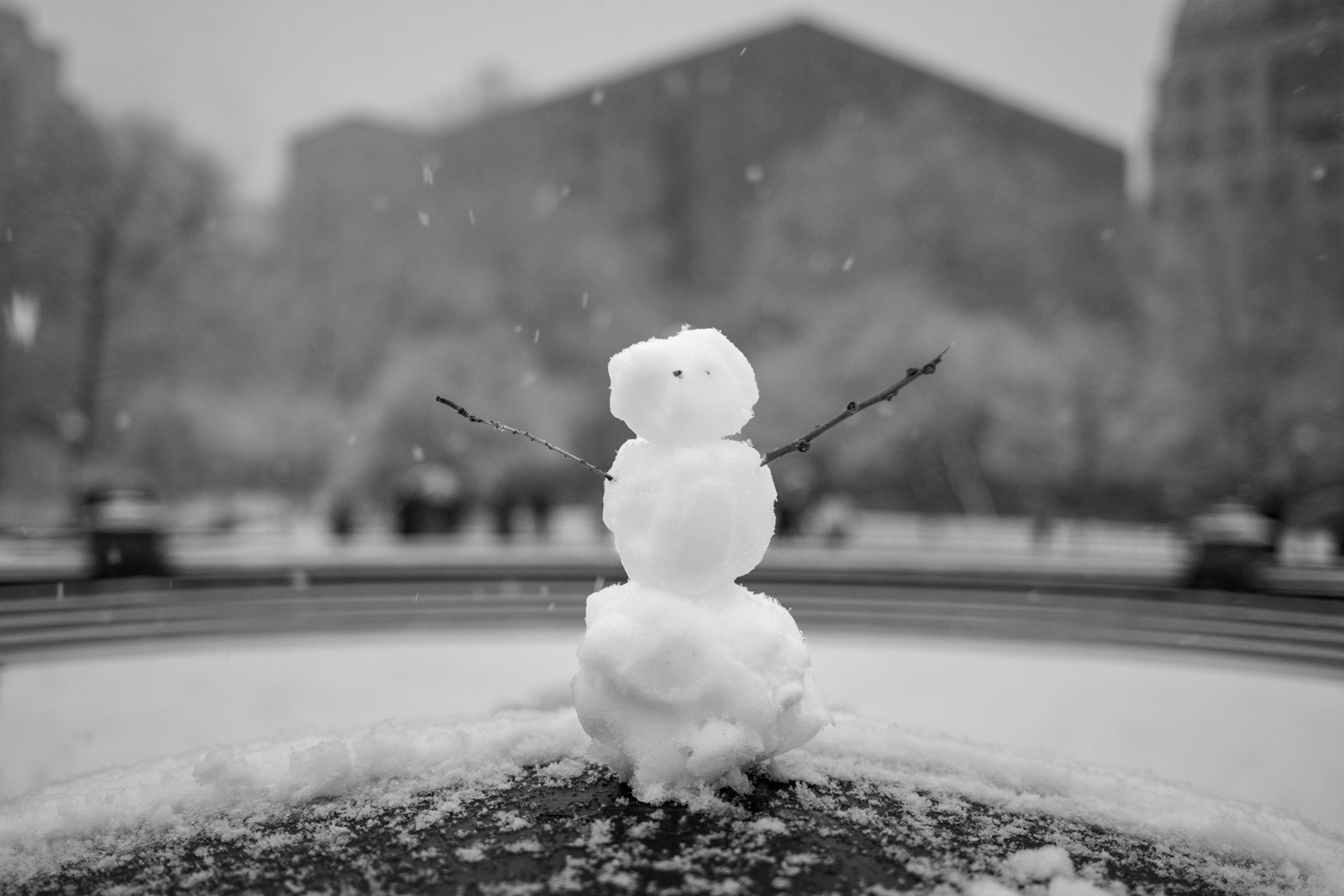
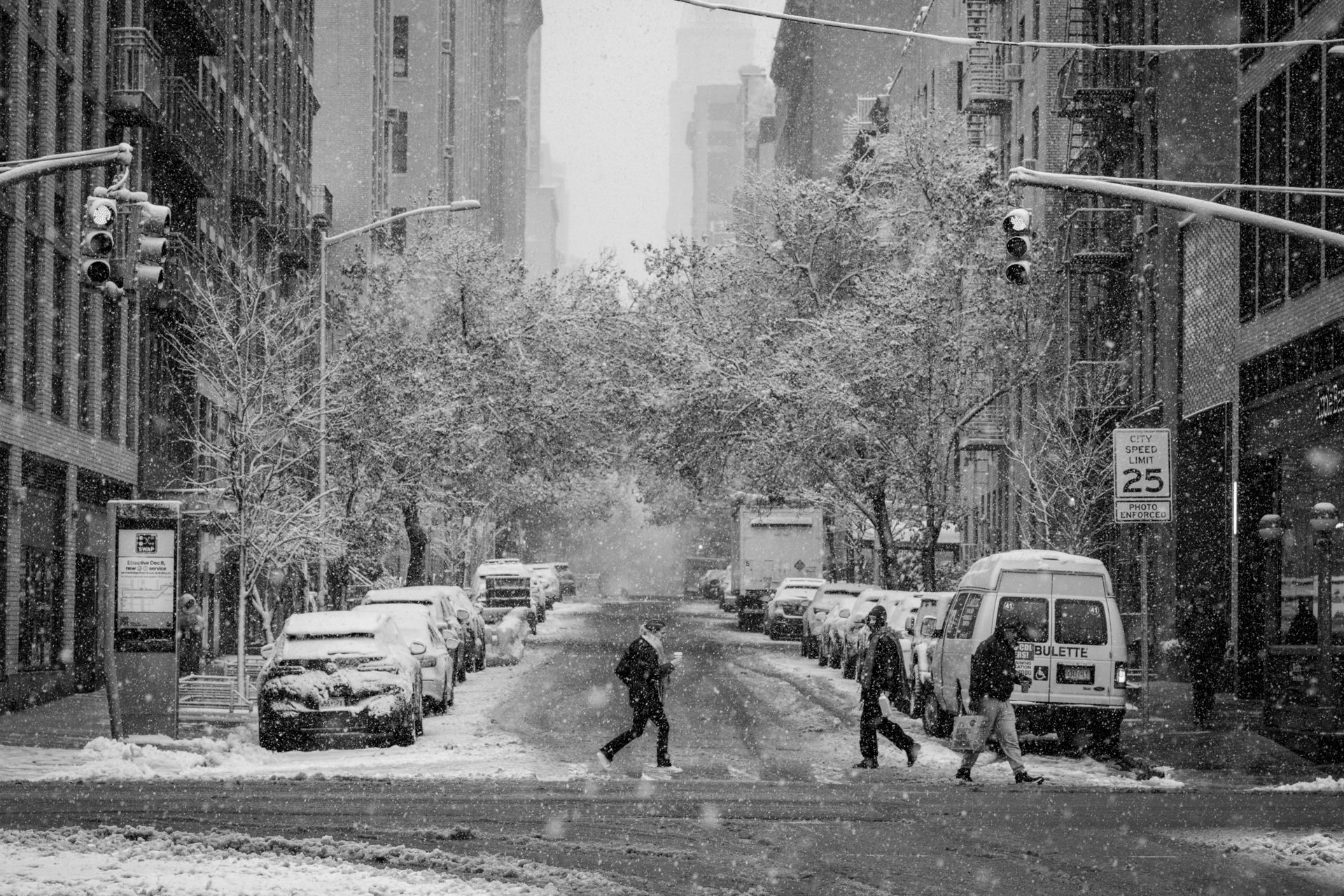
Snowstorm 8th & 24 NYC December 14 2026

A photograph isn’t merely “taken”; it’s made. It’s a process that begins with your intent as you pack your gear and culminates when it takes its final, finished form, ready to be seen, experienced, and remembered. Shared. It is done when you’ve expressed your vision to its fullest and prepared it for its intended destination, whether that’s a single discerning eye or the whole wide world.

Warning, continuing with this blog post might contain NSFW images.

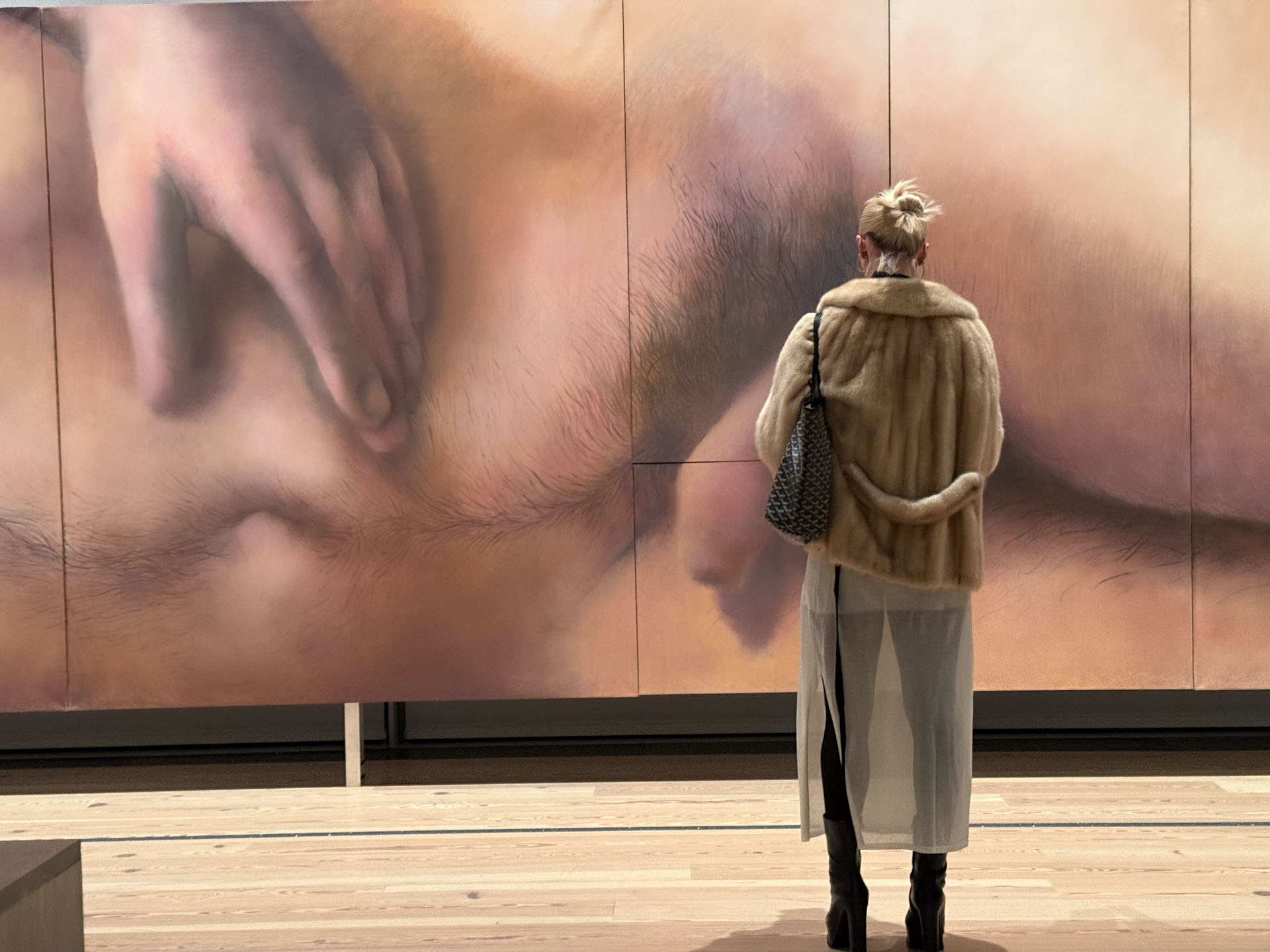
A few nights ago my wife Barbara and I attended the Whitney Museum of American Art’s holiday member’s night. When we were about to leave I reached for my Fujifilm X100mkVI and then thought better of it, we’d be going to dinner at Pastis afterwards and the camera would be a lightweight burden, besides, I have my trusty Iphone 16 Pro. What is the best camera? Yea, you know the answer to that if you’ve read this far into the article.

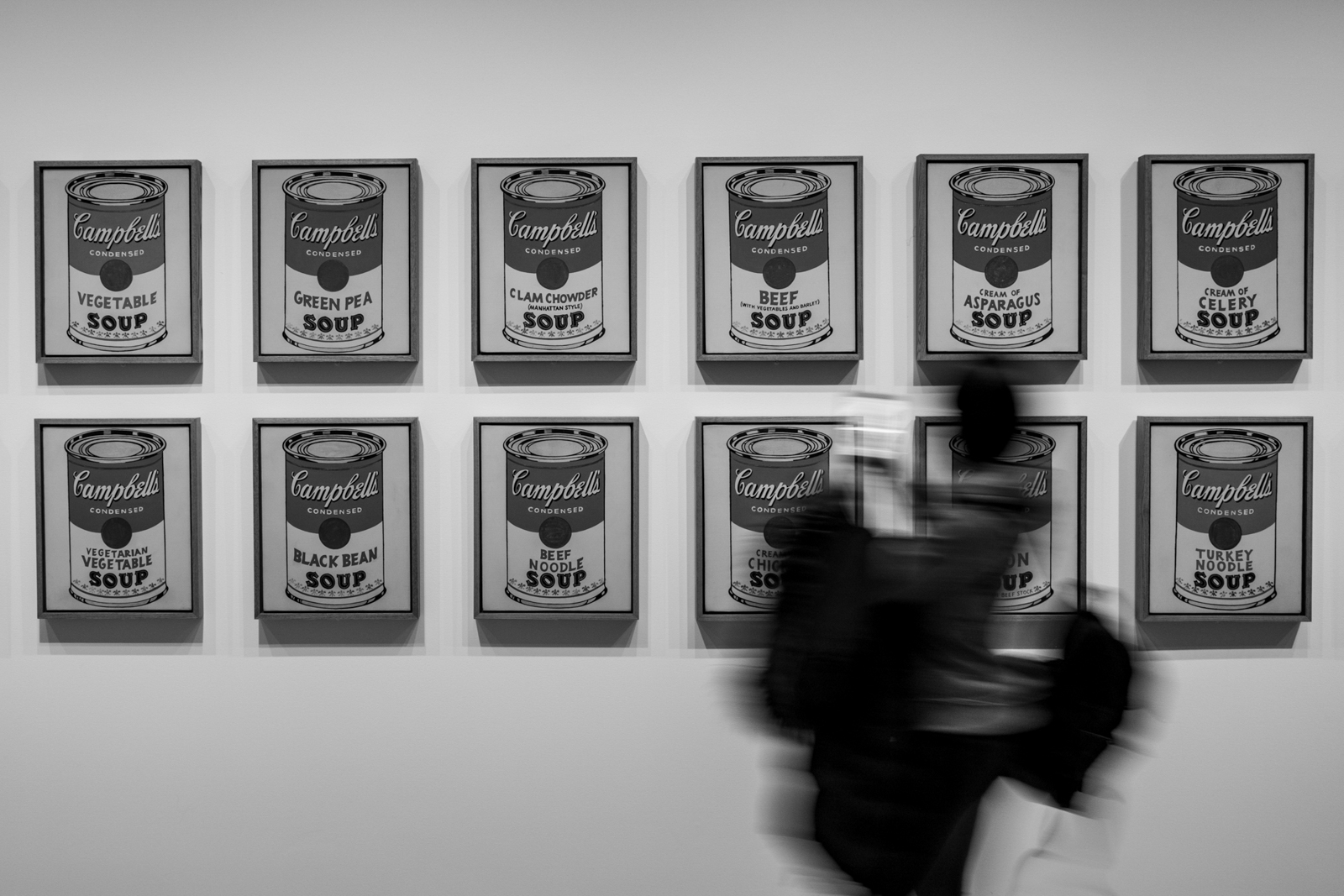
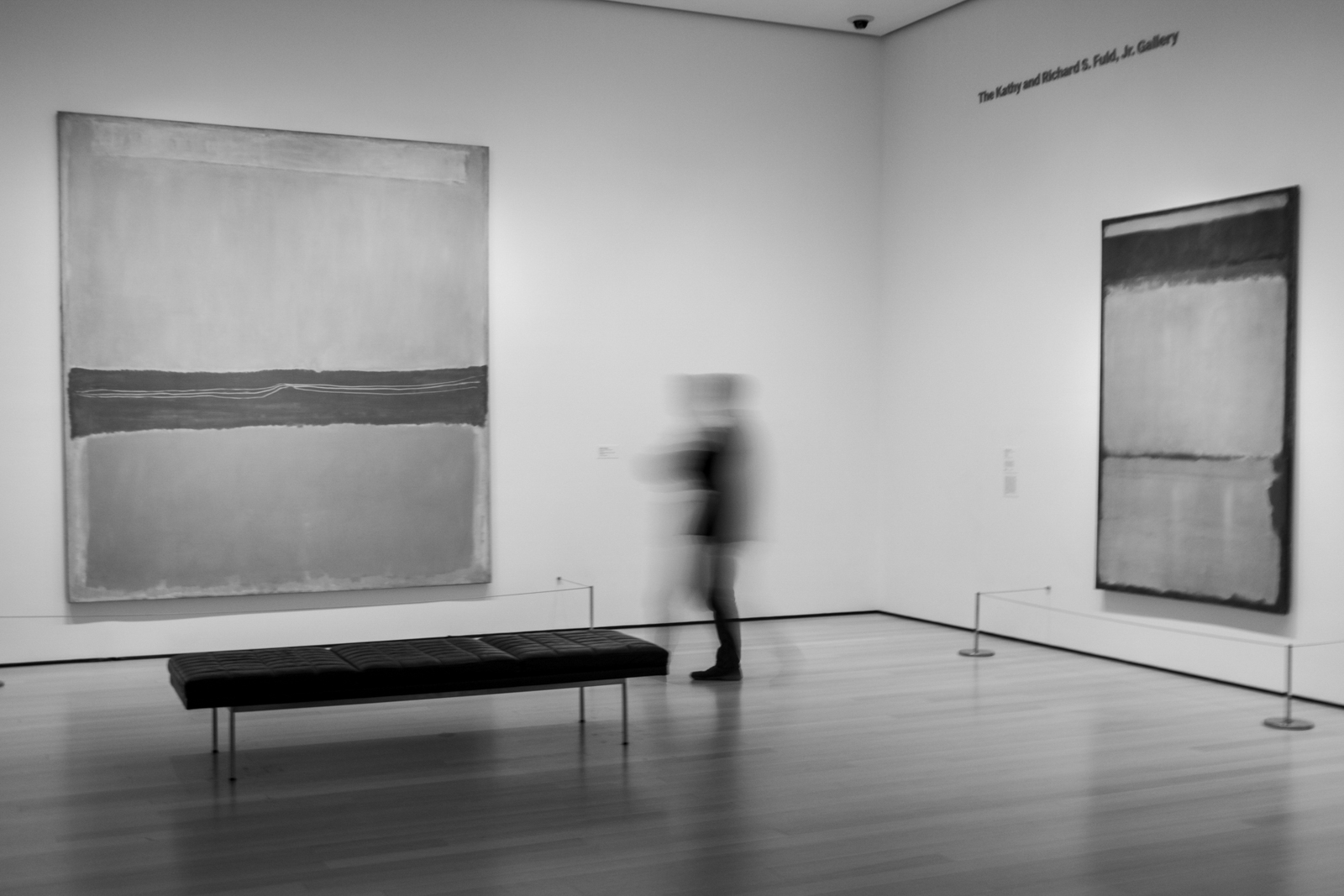
As we walked through the galleries, past surreal camels, we came upon this scene and I pulled out the iPhone and ran to frame and make this photo. The subject was standing still, admiring the piece and my usual luck is “get in position, subject moves out of position”. But not this time. I was able to make a few photos fast zeroing on composition.

Crooked horizon, poorly cropped feet.. my first shot was off.

Made some corrections and then she began to walk away. The window for this photo was over. However, due to all those years of making bad photos I was able to capture a good photo. Later that night I sat in bed editing the image in Apple’s proprietary editing suite and adjusted to this final image.

Was it done? Not quite yet, I then uploaded to my instagram and now….

The photo is done. See more on the Suspect Photography Instagram.

-David

Exploring NYC’s Fall Colors: A Photography Workshop

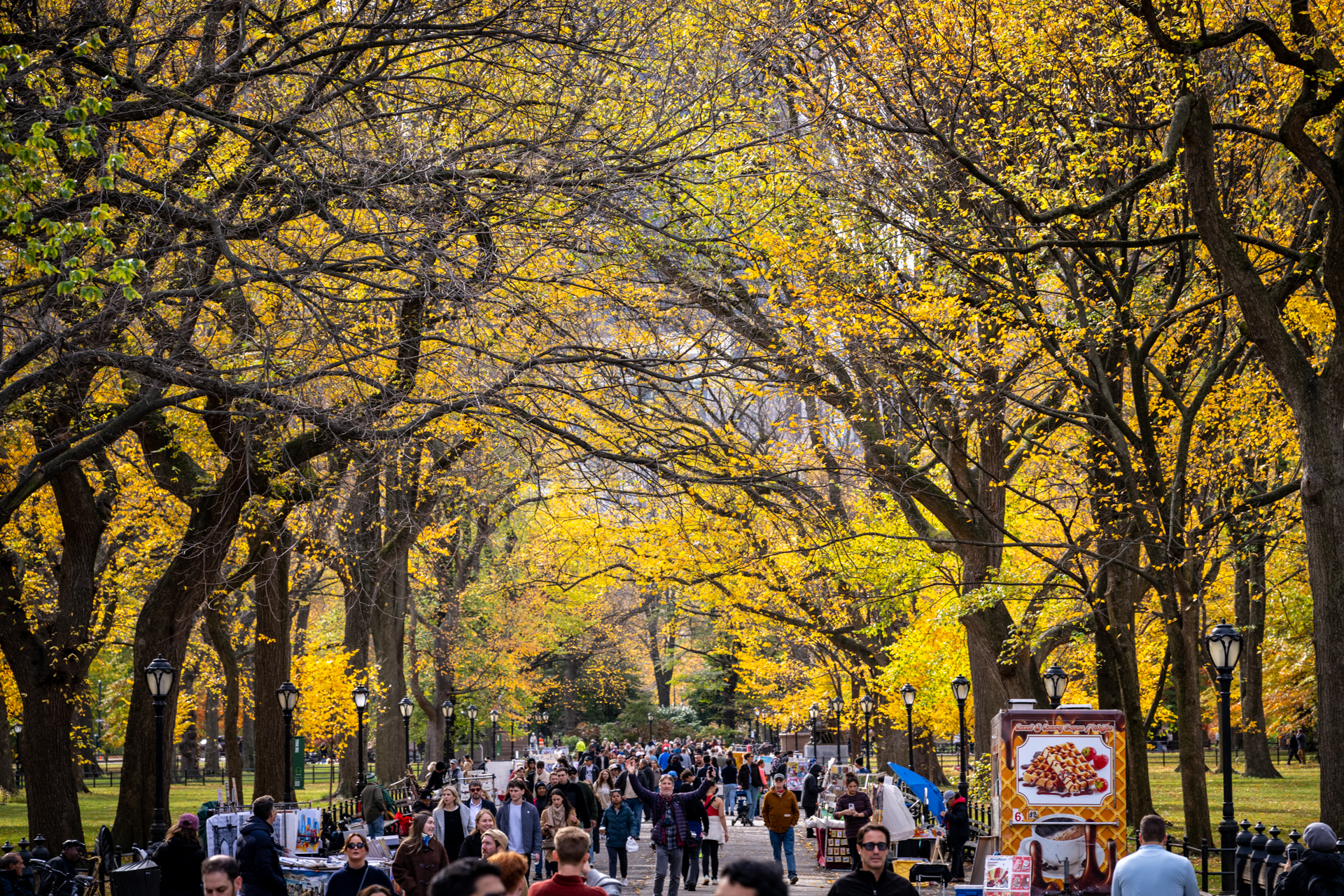
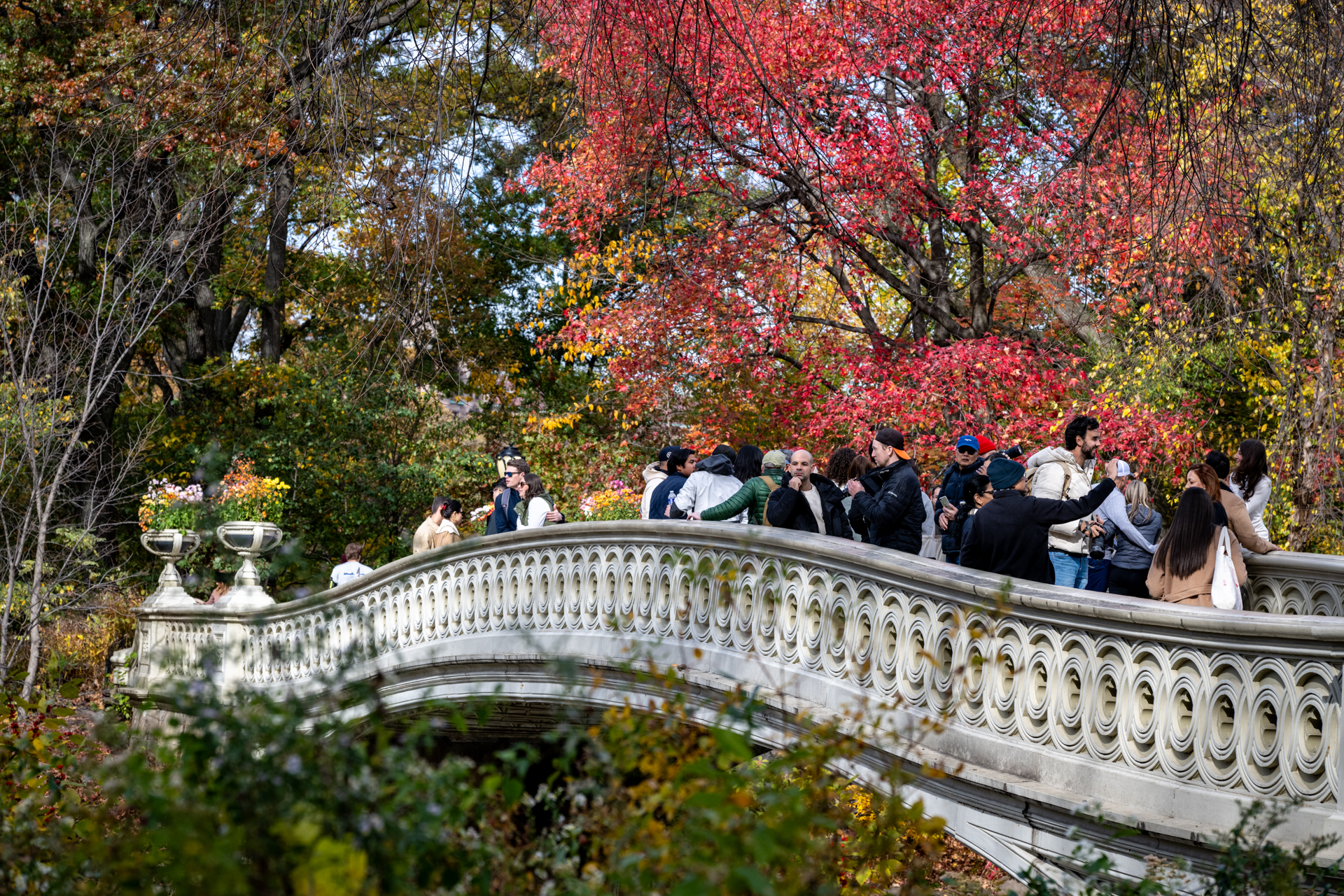
the Mall at Central Park is legendary

The Inaugural NYC Fall Colors and Shades workshop was an absolute triumph! Our class of five intrepid photographers crossed islands and boroughs, immersed in the brash display of predominantly yellow and deep red foliage that defined the season. This workshop was designed to challenge you to see the city in a new, integrated light, focusing on city parks (both large like Central Park & Governors Island, and micro-sized). We spent our days mastering two distinct and powerful aesthetics: the timeless drama of black & white and the stunning visual feast of fall color, capturing the narrative of the city through graphic lines, stark contrast, and the warm, rich hues of autumn.

Brandon Remler showed up and did our class picture in infra red

What an amazing three days! We concluded our journey through NYC’s most beautiful and compelling locations with a gallery-ready collection of stunning images. Our core focus on blending landscape and street photography allowed us to capture the quiet, timeless grandeur of Central Park’s massive oak trees, only to pivot and frame the fleeting, human moments of urban life. The assignments were met with incredible dedication, showing students expertly incorporating experimental techniques like ICM (intentional camera movement), Pans and specific concepts like thinking in triptych. 

Day One: Park Elegance and Museum Inspiration 

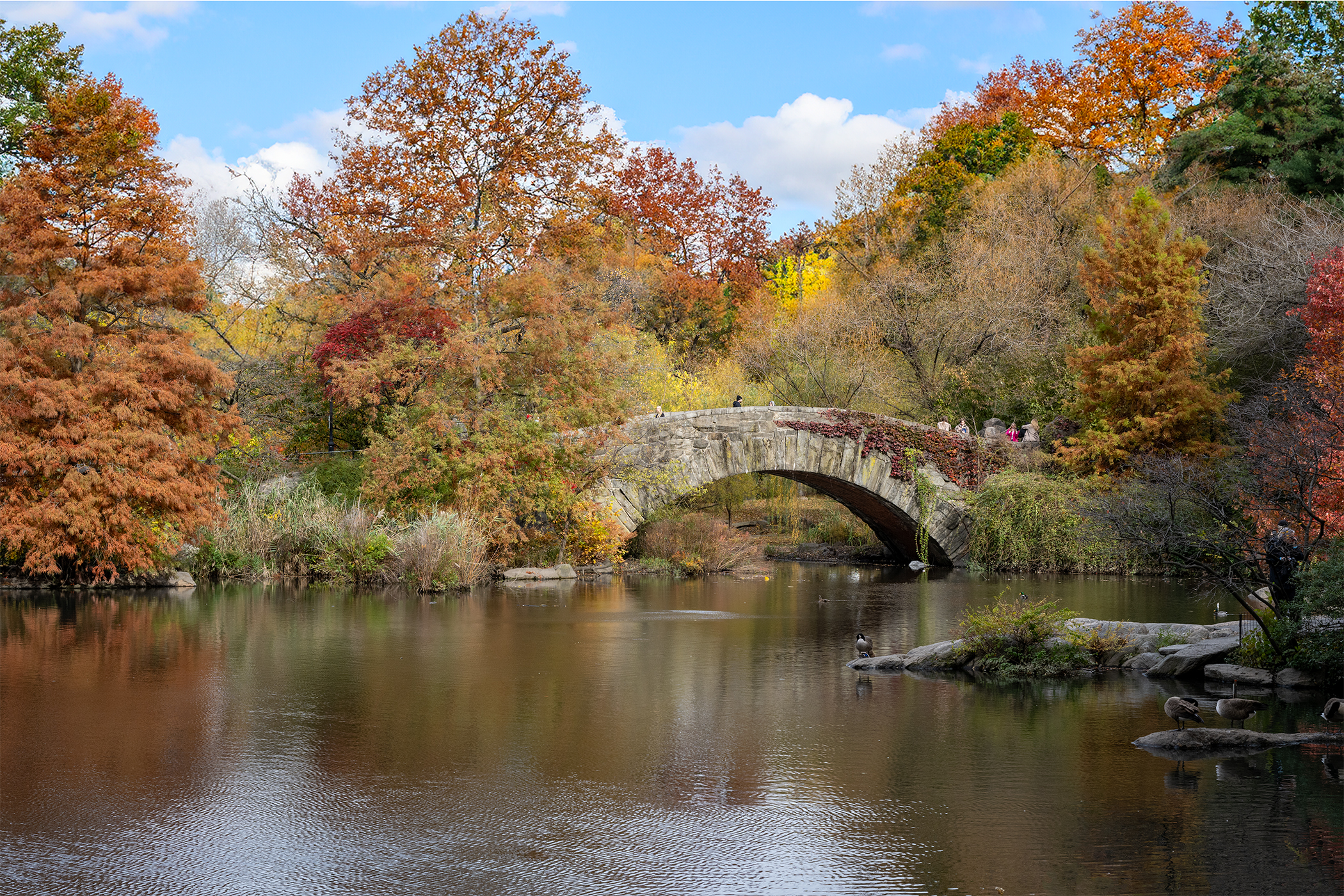
Using the Nikon Z9 14-24 f2.8 & 24-120 f4 made it easy to nail the “postcard” shot

Our first day was a study in classic New York elegance, beginning in Greenly Square and quickly immersing us in the golden light of Central Park. We circumnavigated the lakes, explored the iconic Bethesda Terrace, and captured the classic New York vistas. After a restful lunch, the Man Ray show at the Met provided profound inspiration, shifting our focus to stark contrast and surreal narrative. The evening culminated in capturing the warm, directional light of sunset at Cleopatra’s Needle, ending the day with dramatic, silhouette-ready images.

Day Two: Water, History, and Greenwich Village Grit 

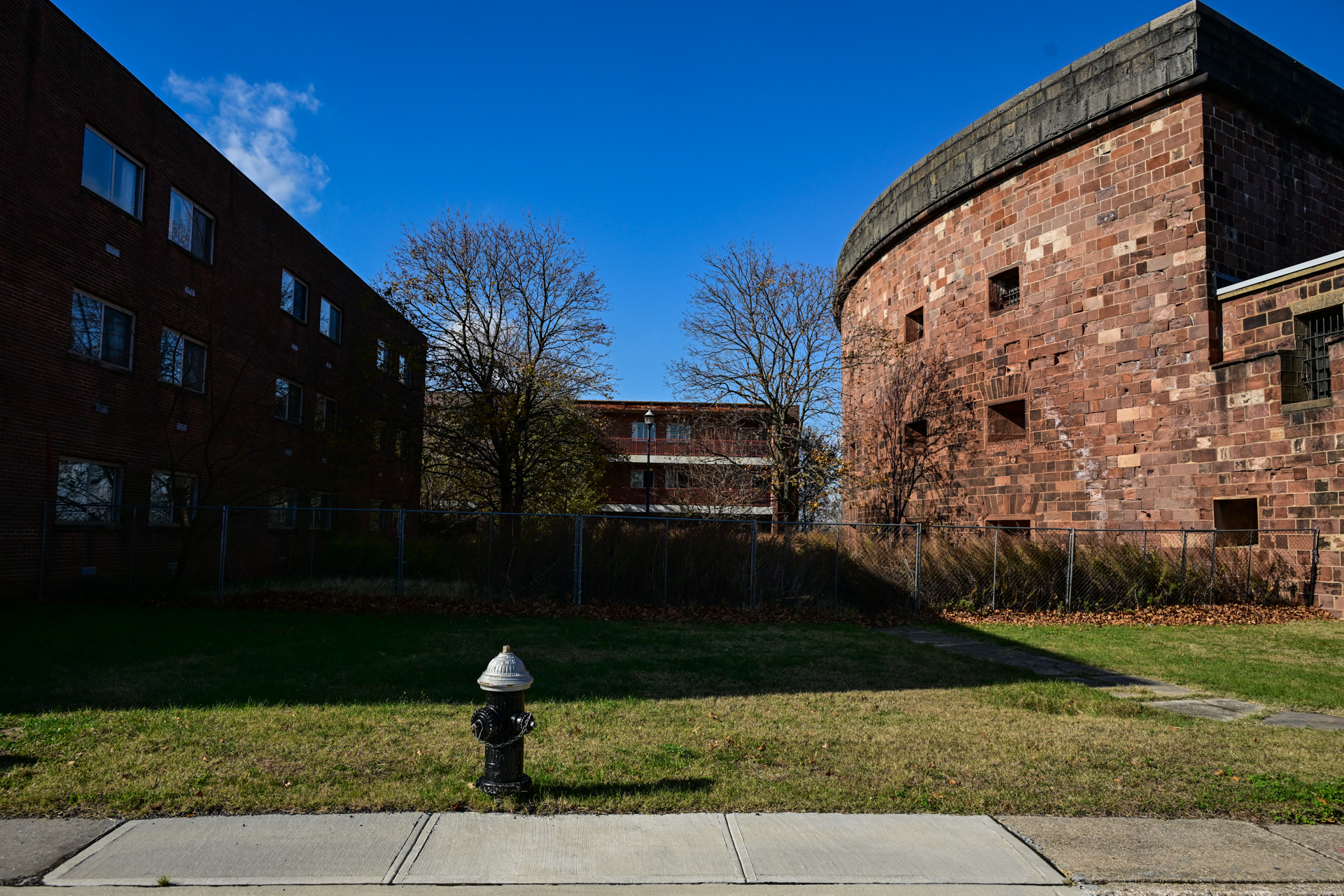
Govenors Island is a photo composition paradise

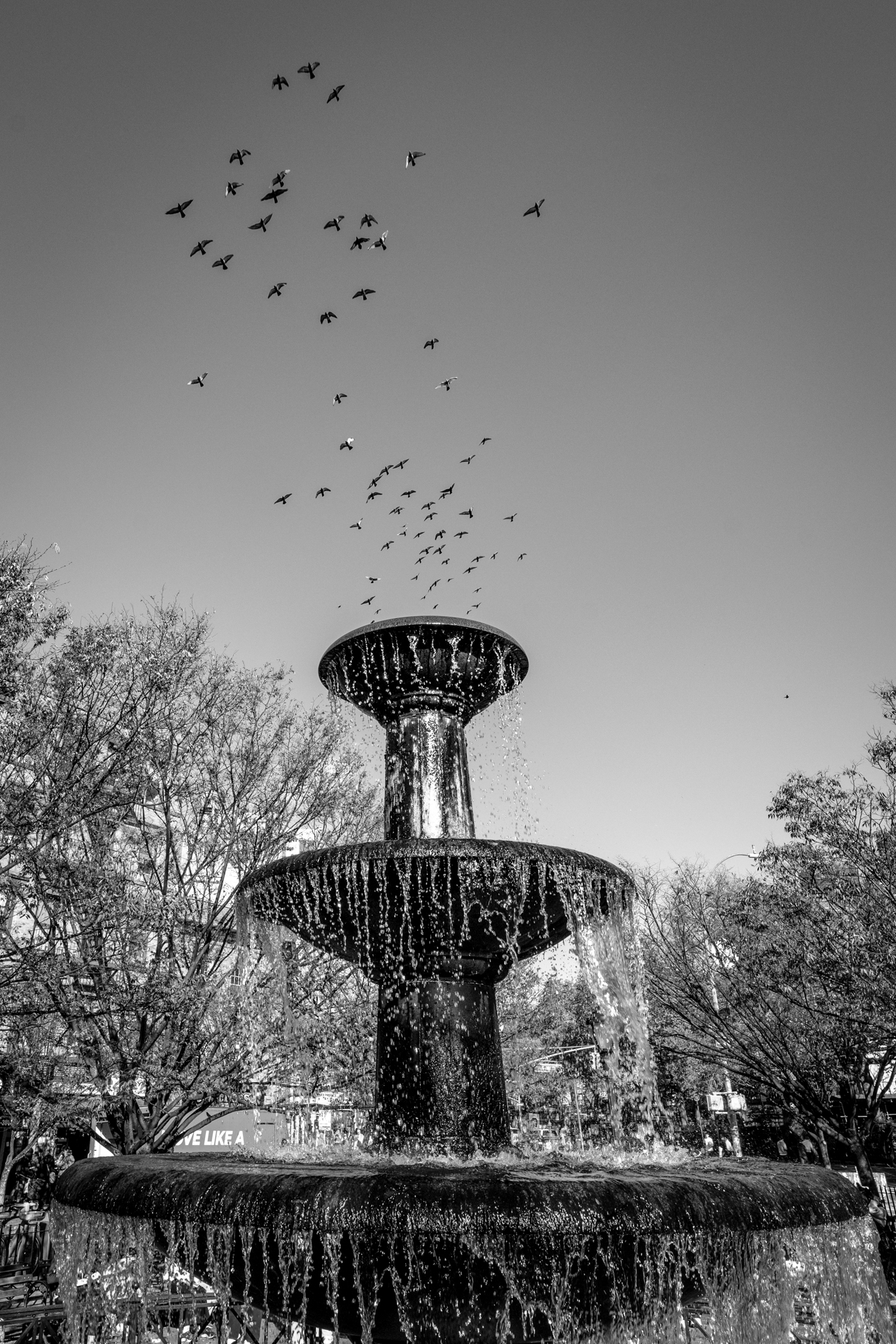
We kicked off Day Two with a nautical adventure, sailing out from the Battery Maritime Building to Governors Island. This provided essential, clear-air perspective on the Lower Manhattan skyline and Lady Liberty—a powerful exercise in urban landscape photography. Massive oaks with turning leaves in a maritime enclave was explored with an eye for ruinism. After returning, the focus shifted to “urban park” street photography in the Village. From the vibrant life inside Washington Square Park and across the village to Tompkins Square park’s skater haven, we explored the rich character to these parks, pushing our cameras to capture the fleeting moments that define New York’s personality on a perfect fall day. After dinner at Momofuko, we all began the task of editing for the next day’s critique session. 

Fishermen in silhouette with Lady Liberty in the background. How much more NYC can you get?

Day Three: Chelsea and the Hudson River Canvas 

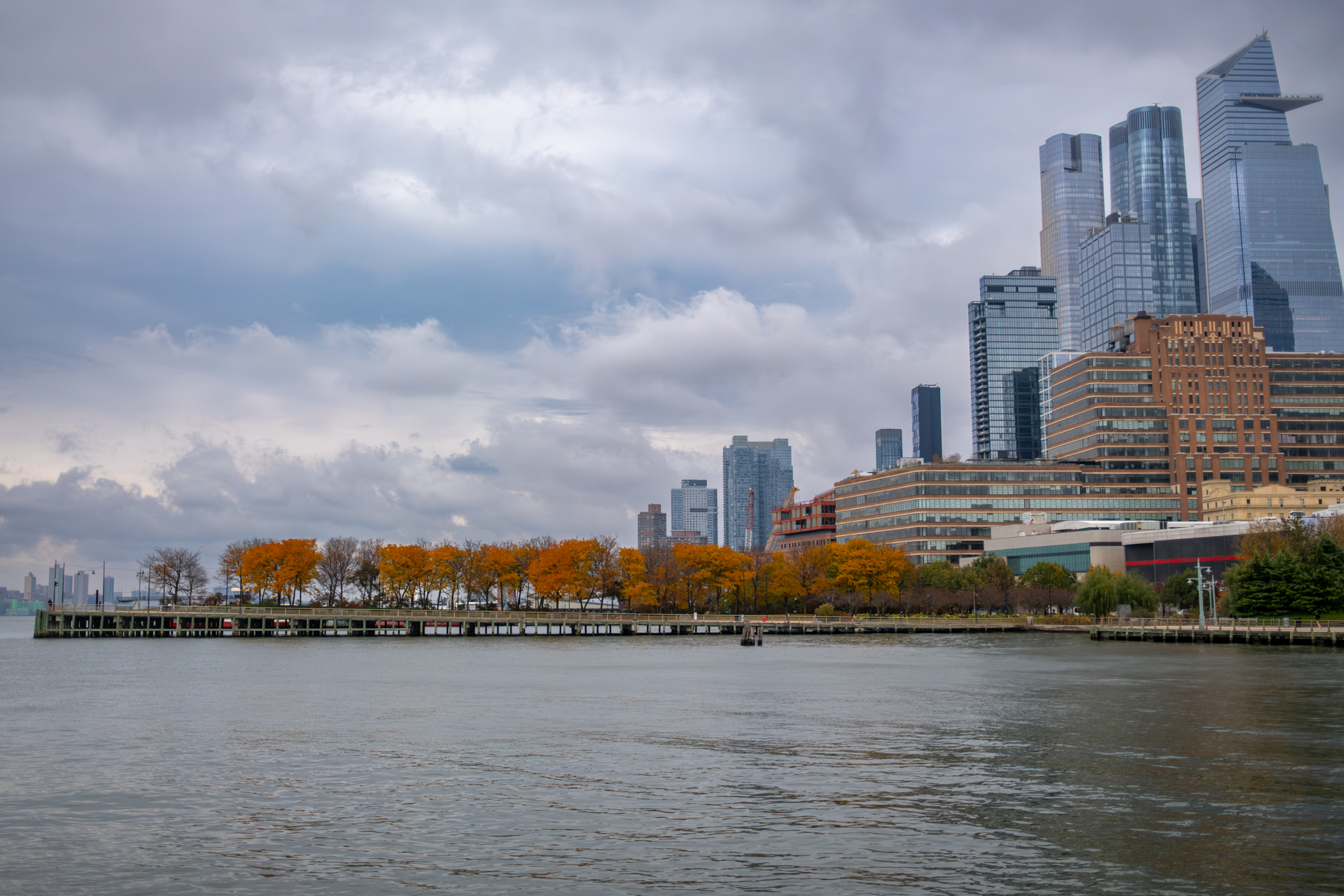
Little Island is a city treasure- in all seasons but Fall is very special

Our final morning began with bagels, coffee and an inspiring critique session, where the group submitted 12 final images, demonstrating huge leaps in editing confidence. Afterwards, energized, we took to the streets of Chelsea, documenting the architecture, townhouses, and creeping foliage. The afternoon was devoted to the waterfront, starting at the modern, organic architecture of Little Island and concluding with a walk on the High Line. This blend of nature and modern design provided the perfect final challenge, allowing everyone to synthesize the week’s lessons and complete the workshop with a fresh, comprehensive portfolio.

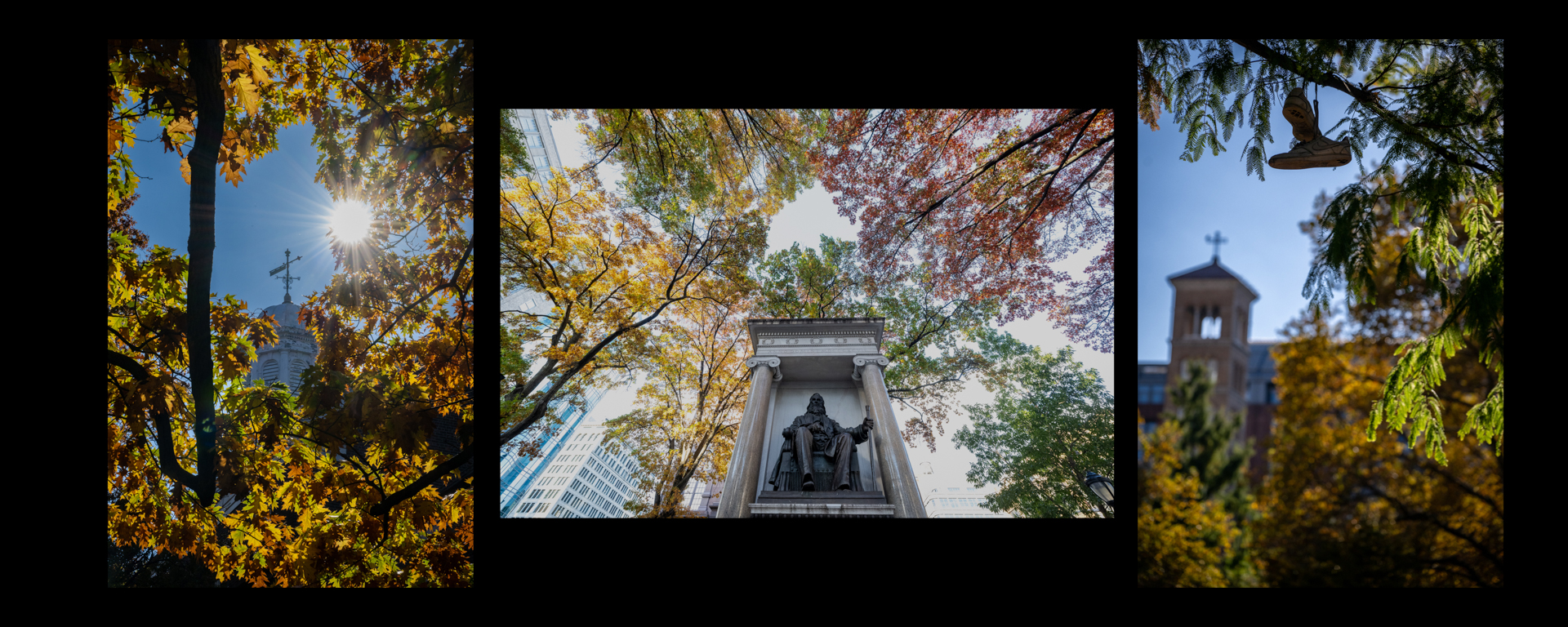
One of the assigments was to present a triptych of the days locations.

WORKSHOP GALLERY

I was pleasantly surprised at the adoption of color to my vision. I’ve been living in a black and white photography universe exclusively for the past decade when I swore off color. I really enjoyed seeking out the color of the landscape, as opposed to the contrast. I think this workshop has opened me up to a softer stance on making color work.

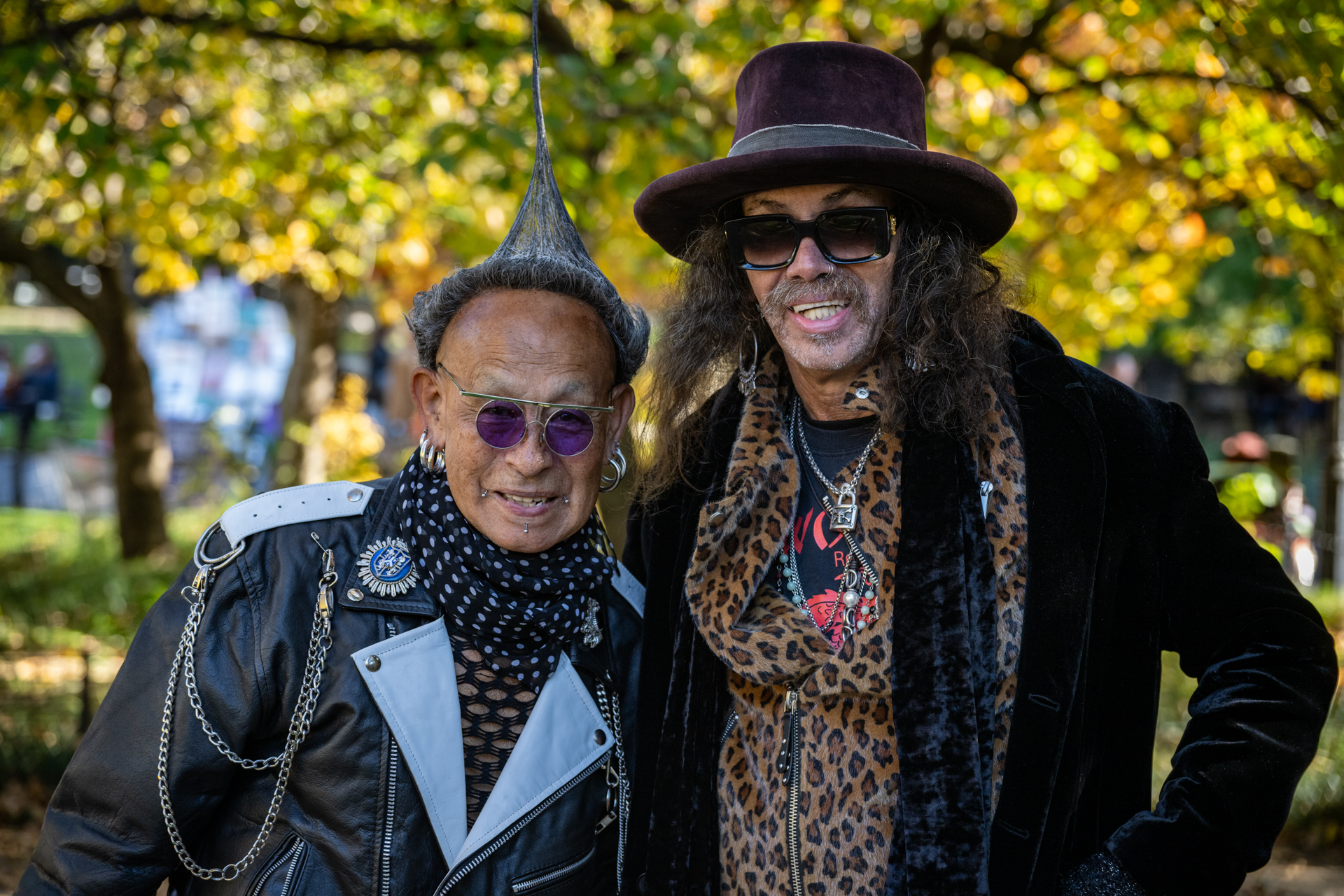
Washington Square Park Legend, Joey Chess

If you were concerned about my satisfaction with working in color, I did make a series of images in black and white during the three-day workshop. Yes, black and white does have its place in the fall colors. Long live the B&W image!

Having the Man Ray exhibit anchor day one was key, because one of the assignments for day two was to make an image in homage to Man Ray. It proved to be very difficult, but the class pulled through and leveled up.

We are repeating this workshop in 2026. I’m sure it will sell out, so if the above tickels your aperture, then hop on over the NYC Fall Colors & Shades 3 Day Workshop Home and seize your spot. Limited to 6 and will sell out as it’s priced with a good value.

November 6 – 8 2026

Mastering Photographic Styles: Insights from a Five-Day Workshop

I recently taught the “Finding & Developing Photographic Style” workshop for the second time, and it was a very positive experience. With only three students, the personalized instruction and individual feedback were exceptional, making it feel more like mentorship than a regular class. I am amazed by the students’ work over the five days.

Highlights of the Content and Structure:

The structure of the five-day workshop was superb, perfectly balancing inspiration, practical application, and in-depth review. The daily profiles of master photographers, such as Andre Kertesz, Helen Levitt, and Sally Mann, provided essential historical context and tangible examples of established photographic styles. This foundation made the field assignments feel more purposeful.

The itinerary was meticulously planned to maximize both learning and shooting opportunities. From the practical “Rock Leaf Tree” assignment on day one, designed to immediately engage  with editing and style deconstruction, to the stunning outdoor locations like Elmer’s Barn, Beauchamp Point, the Rusty Truck Quarry, we were constantly applying new concepts in varied settings.

Every Student got a turn at the control sticks of a DJI Mavic to explore Drone Photography.
Sending out the Drone past Beuchamp Point unlocked hitherto unavailable vistas to photograph like a Seagull at flight.

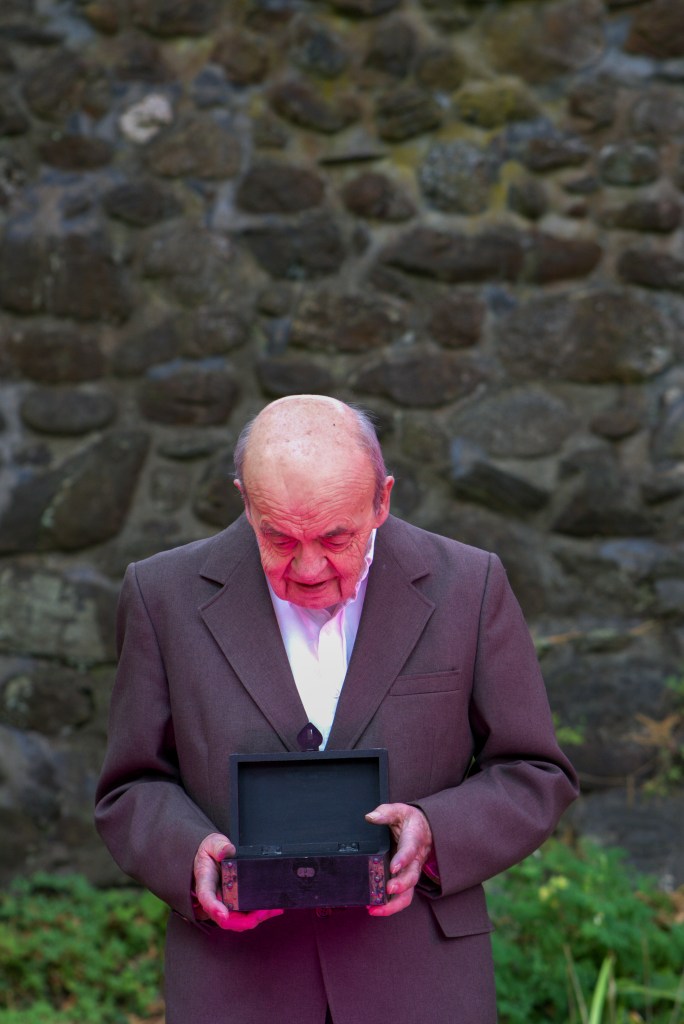
The full-day devoted to The Narrative Morning & Model Session at Vesper Hill was particularly invaluable for learning how to direct a subject while maintaining a personal vision. Some would say, the work with famed Maine Media Character Model, Peter Patton was out of this world (yes I brought up a space NASA space suit that I’ll be recycling on Halloween).

A Culture of Constructive Growth:

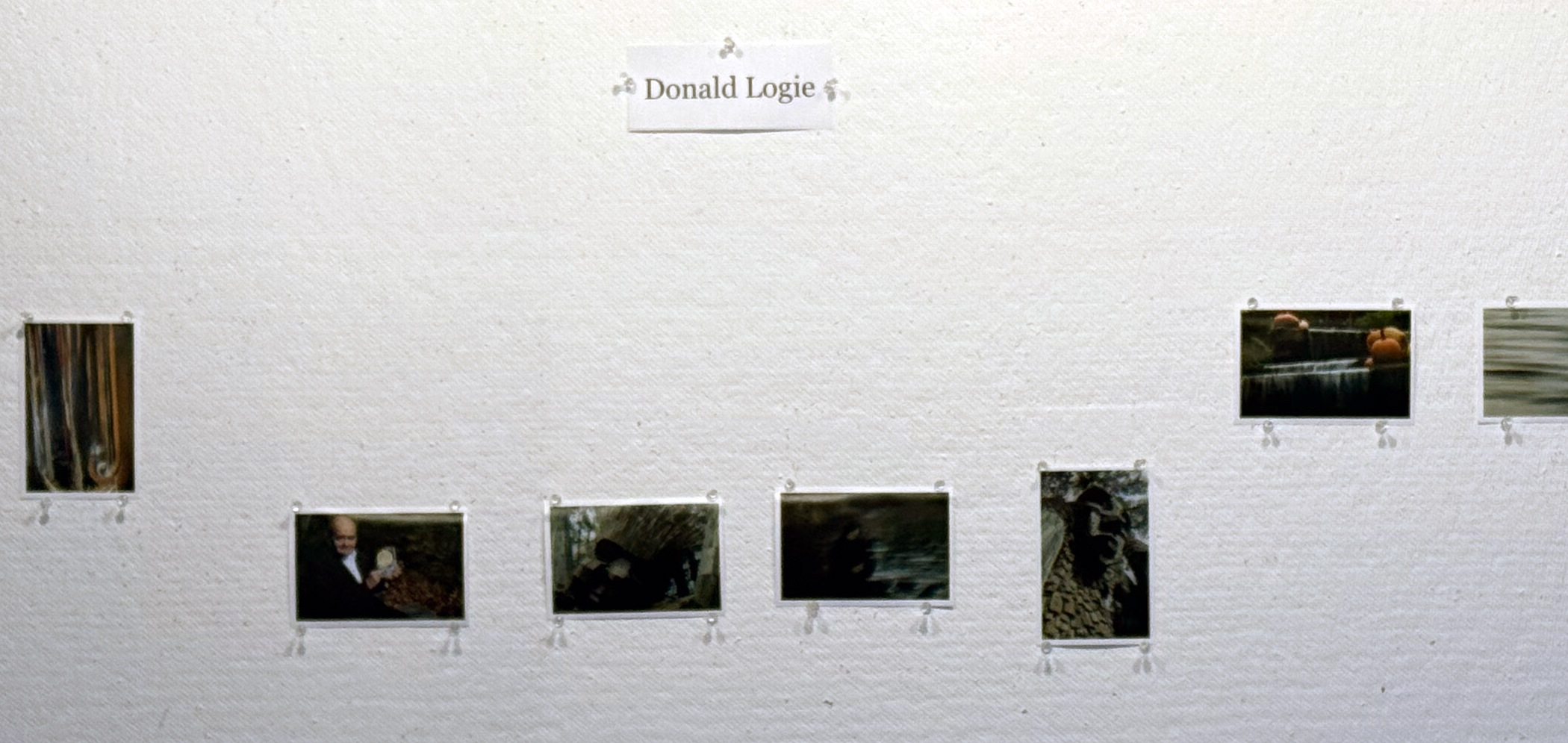
The most significant takeaway was the focus on real-time feedback. The regular editing and review sessions and the rigorous final edit leading up to the mini gallery showing on the final evening, instilled a strong sense of accountability and professionalism. This process helped the students hone the top images and articulate the style we were developing. I was very proud of the work in our class that the students made.

We took a deep dive into Brommer’s Six Points of Photographic Style; Attitude & Emotions, Genre, Technique, Treatment and Presentation.

For anyone serious about moving beyond technical competence to creating work with a distinctive voice, this small-group workshop is an outstanding investment. The high level of personalized attention, refined curriculum, killer locations all make for a great time while achieving photographic style. 

2026 Date is Live! This time we’re heating things up with the class from July 13-17. Unlike the quiet fall workshop at the Maine Media Campus, the summer vibe is lively with many students and renowned instructors. Join us; this workshop will fill up quickly—Mid Coast in July is beautiful.

~David Brommer
Exploring the TTArtisan Tilt 50 Lens: A Hands-On Review

As many of us, I’m a gear freak and love optics. I was poking around the Nikon Z lens options on the B&H Website and came across this lens, the TTArtisan Tilt 50. It’s part of this wave of ‘cheap cost’, but ‘not cheaply made’, Chinese lenses. The 70’s were a hey-day of weird, wide, and tele lenses from oddball companies; and then in the 2000’s Lensbaby hit the market. Now with the rise of easy manufacture (barring tariffs) lenses, and manual film/video lens needs, there is a plethora of this type of equipment to try out. Long story short: I bought the lens on speculation, and was pleasantly surprised on all fronts!

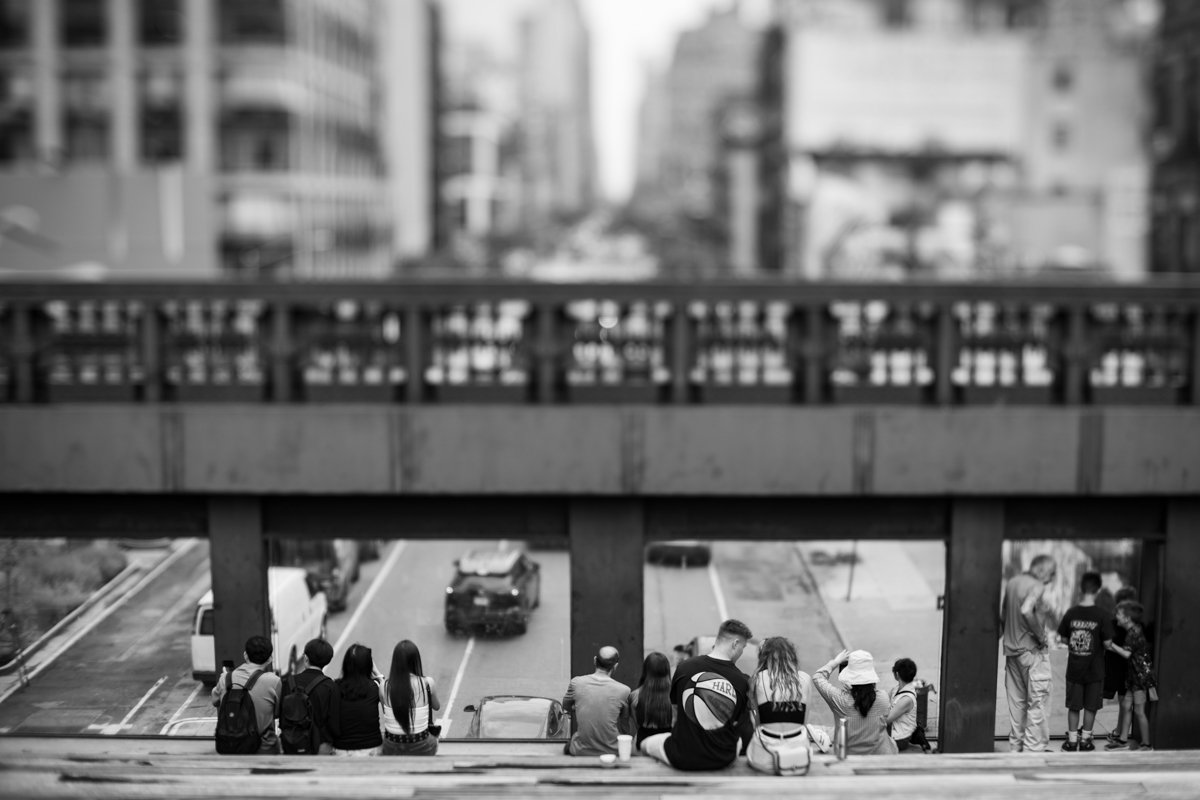
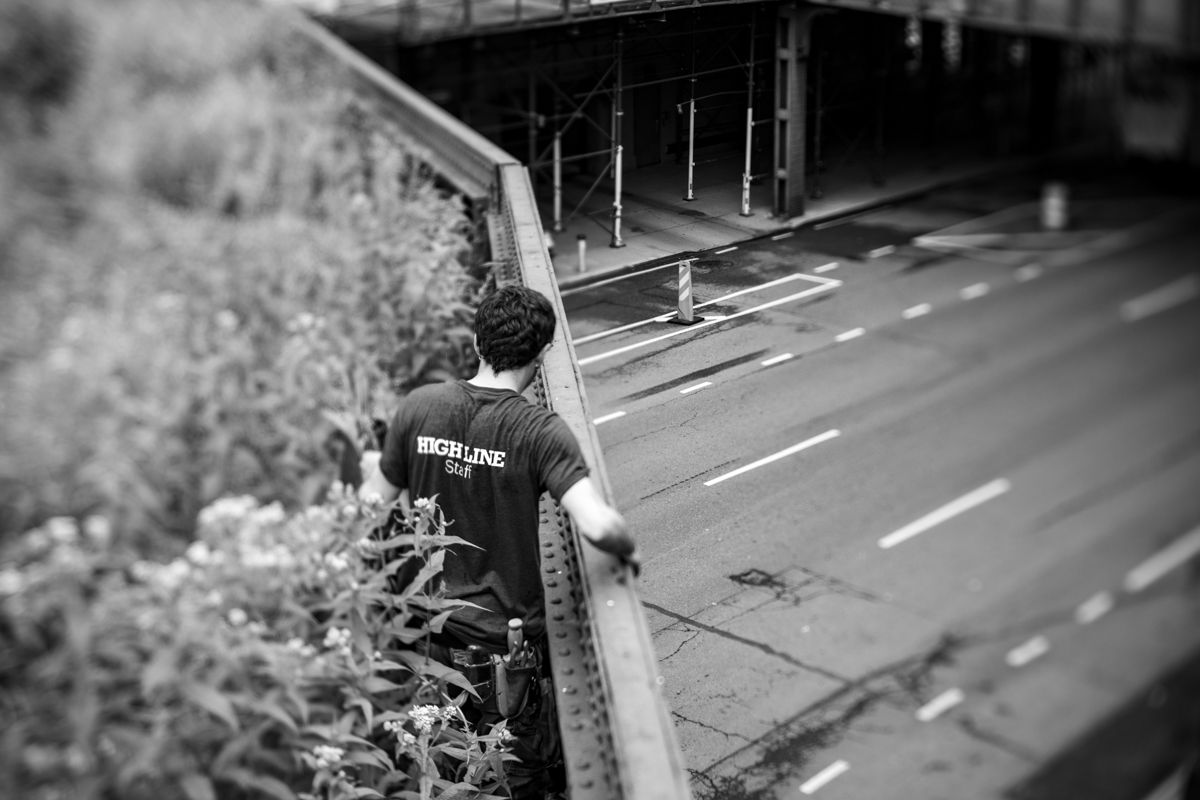
I slapped the lens on a Nikon Zf with focus peaking turned off (I found it hard to “see the image” with the shimmering distraction), auto iso on, aperture mode, B&W switched on, Raw. Making sure “ok to shoot without lens” setting is checked. I took a morning stroll on the Highline excited to try out this fine feeling lens.

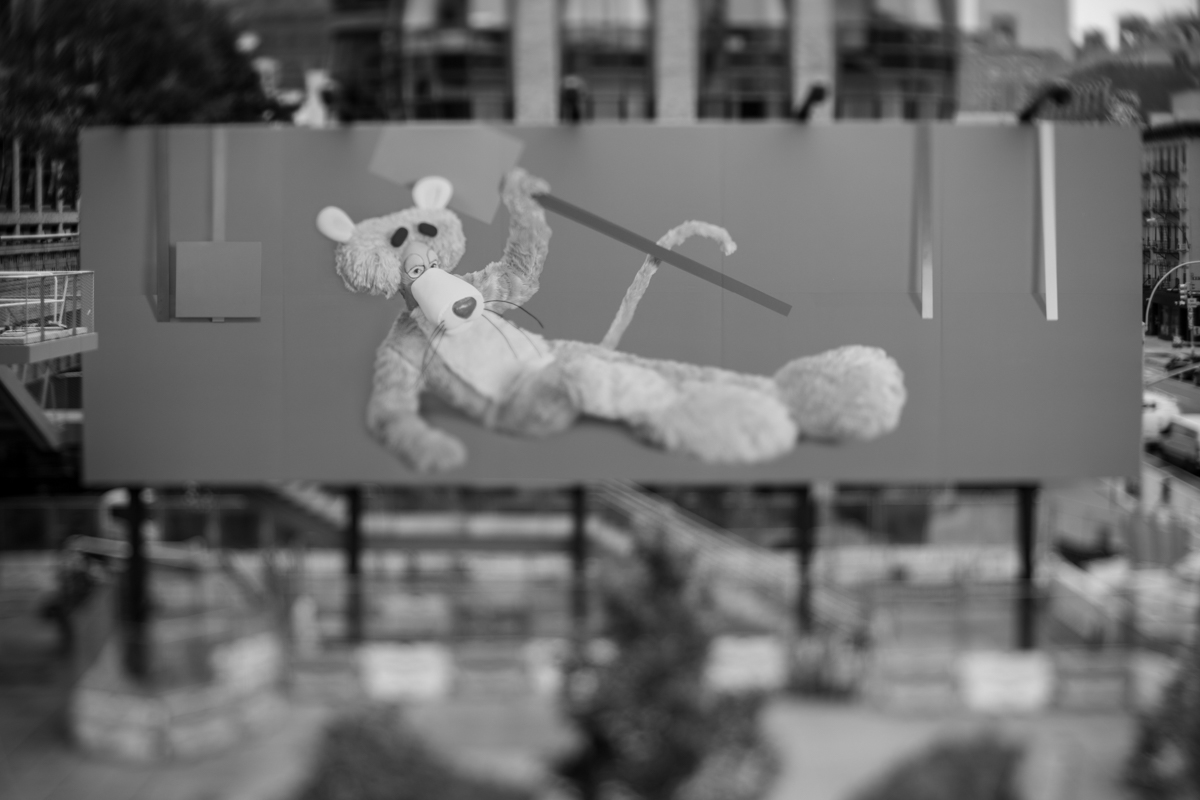
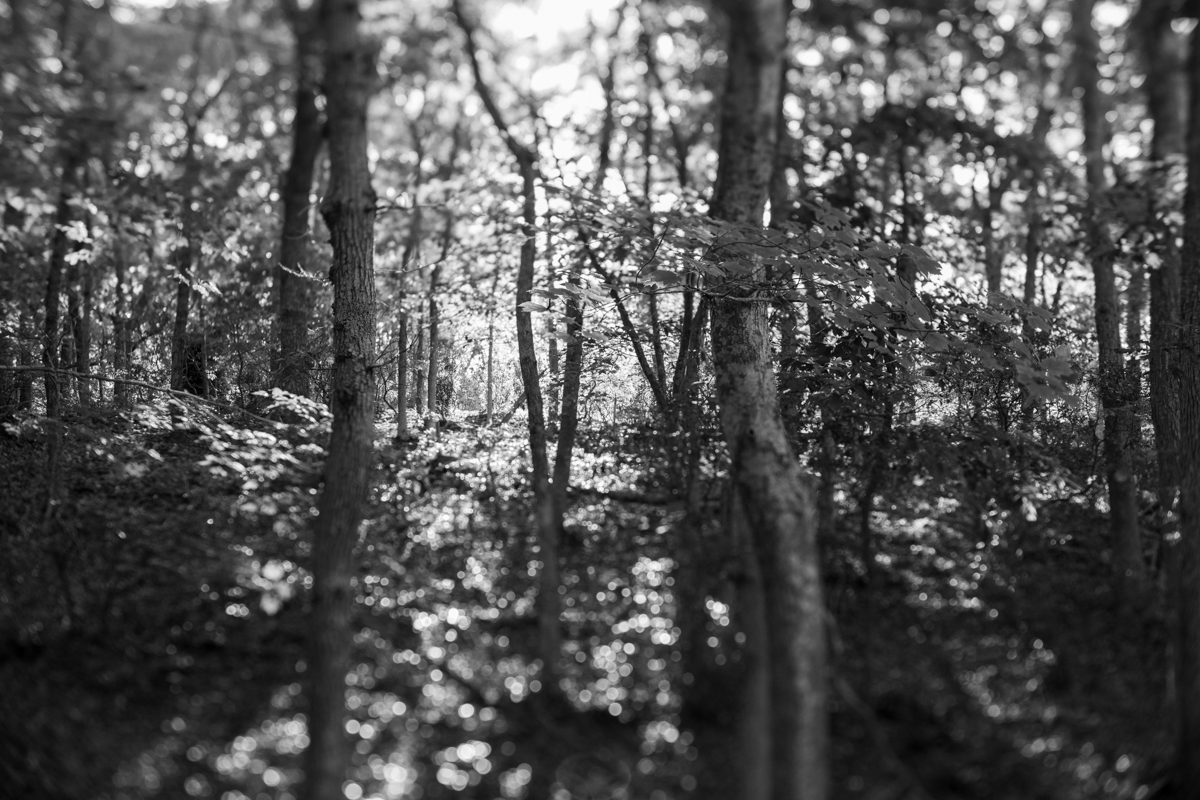
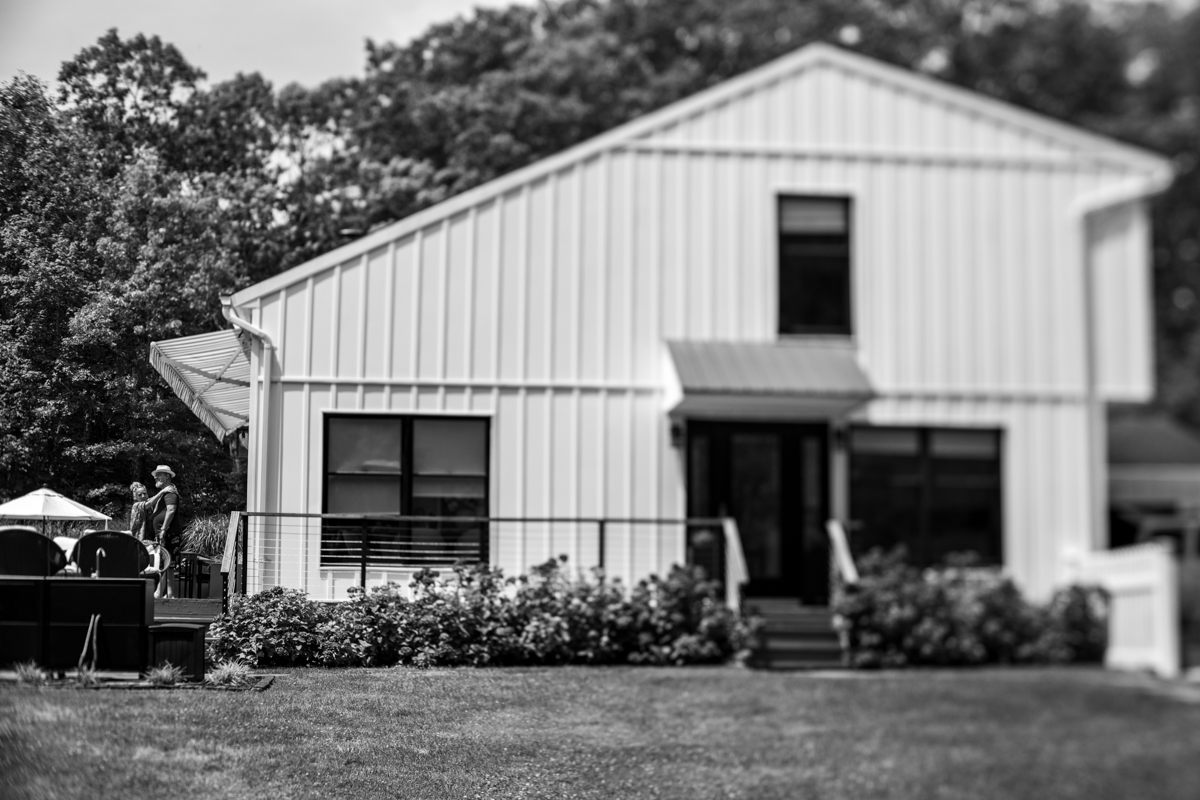
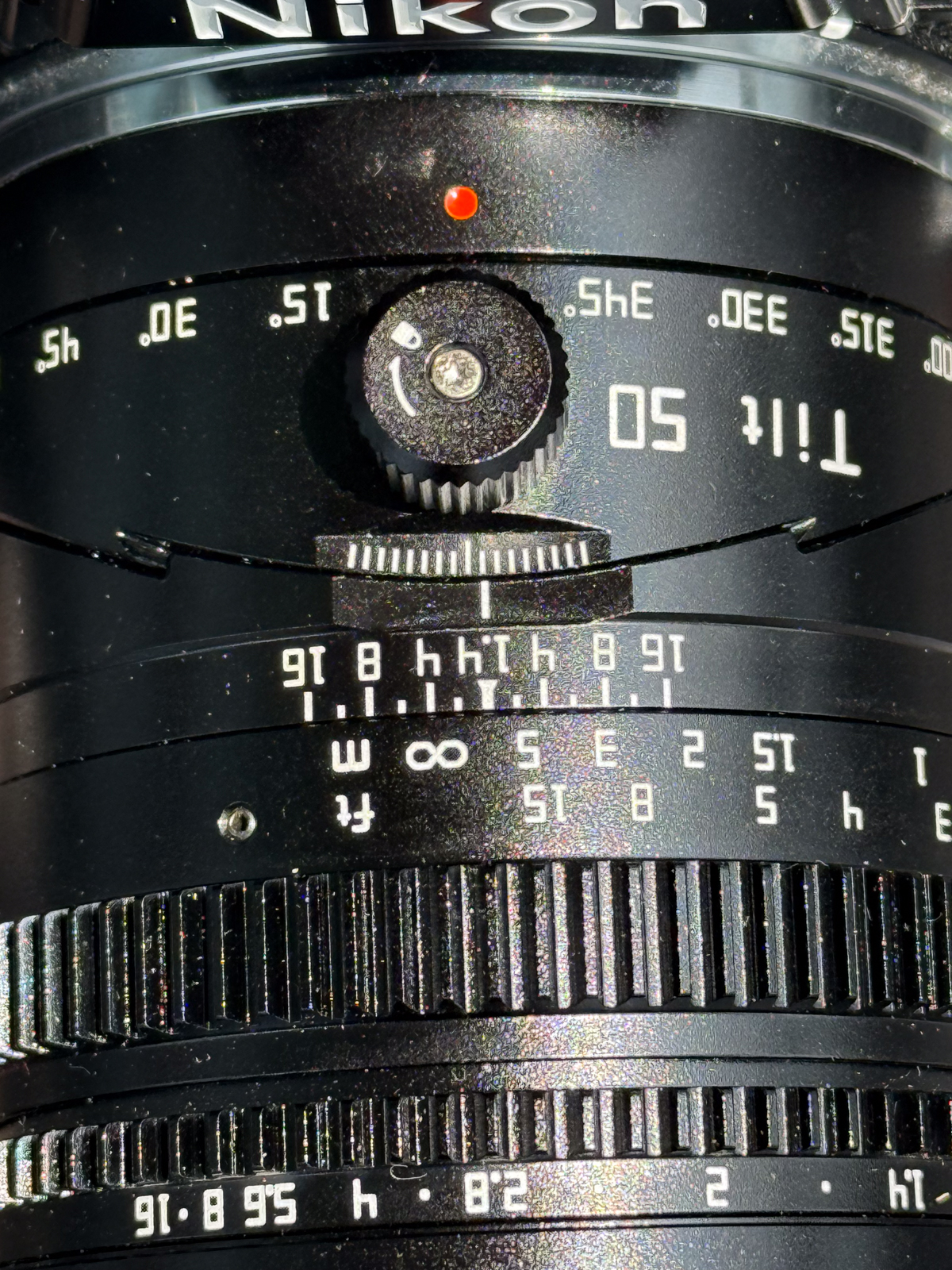
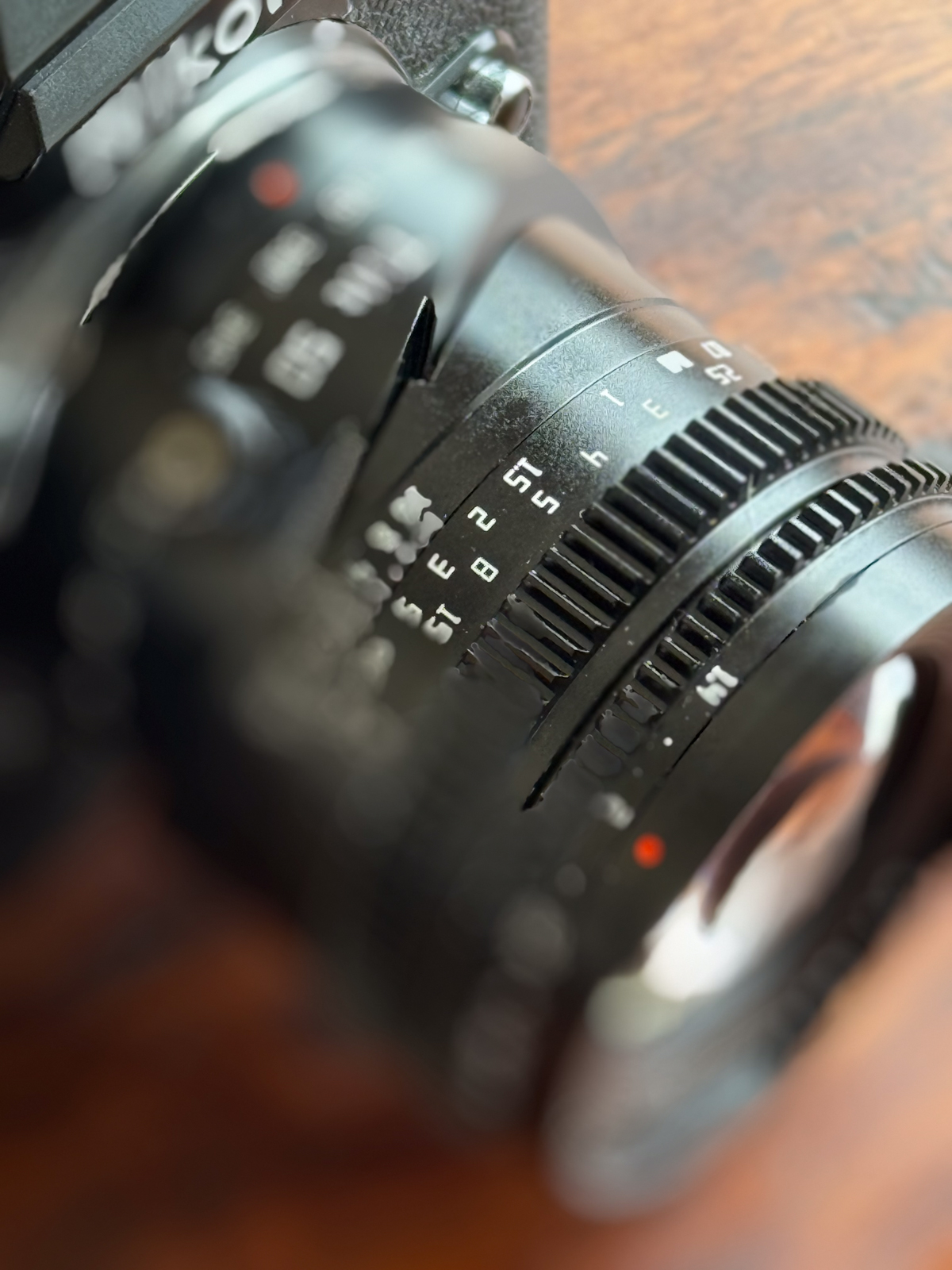
The lens has two unique controls, one for the tilt and the other direction of the tilt axis. By strategically turning these two, in tandem with the manual aperture, you gain access to a “strip” of in focus view. You can “spin” the lens to make that strip go anywhere. The lens also has a wonder full depth of field bokeh and close 19.7″ / 50 cm minimum focus.

The actual sharpness of the lens is questionable, it’s not a view camera, but that’s not the point. Straight on at F8 it’s sharp, but it falls off the more wide we open. However I found it sharp enough to certainly buy and keep in my gear bag. It’s fun to use and produces unique results.

The lens likes height to give it perspective. Walking the Hhighline was actually perfect with its vantage points and strong horizontal lines.

We cruised out to celebrate the fourth of July out in the Hamptons in the Buick and I grabbed the same combo.

Couple of notes, you have to have deft and strong fingers to maneuver the tilt and rotation functions. A tripod couldn’t hurt, but I used it handheld during my exploration of the lens.

My favorite wall north of MoMa. Vintage camera wall by Brandon Remler.

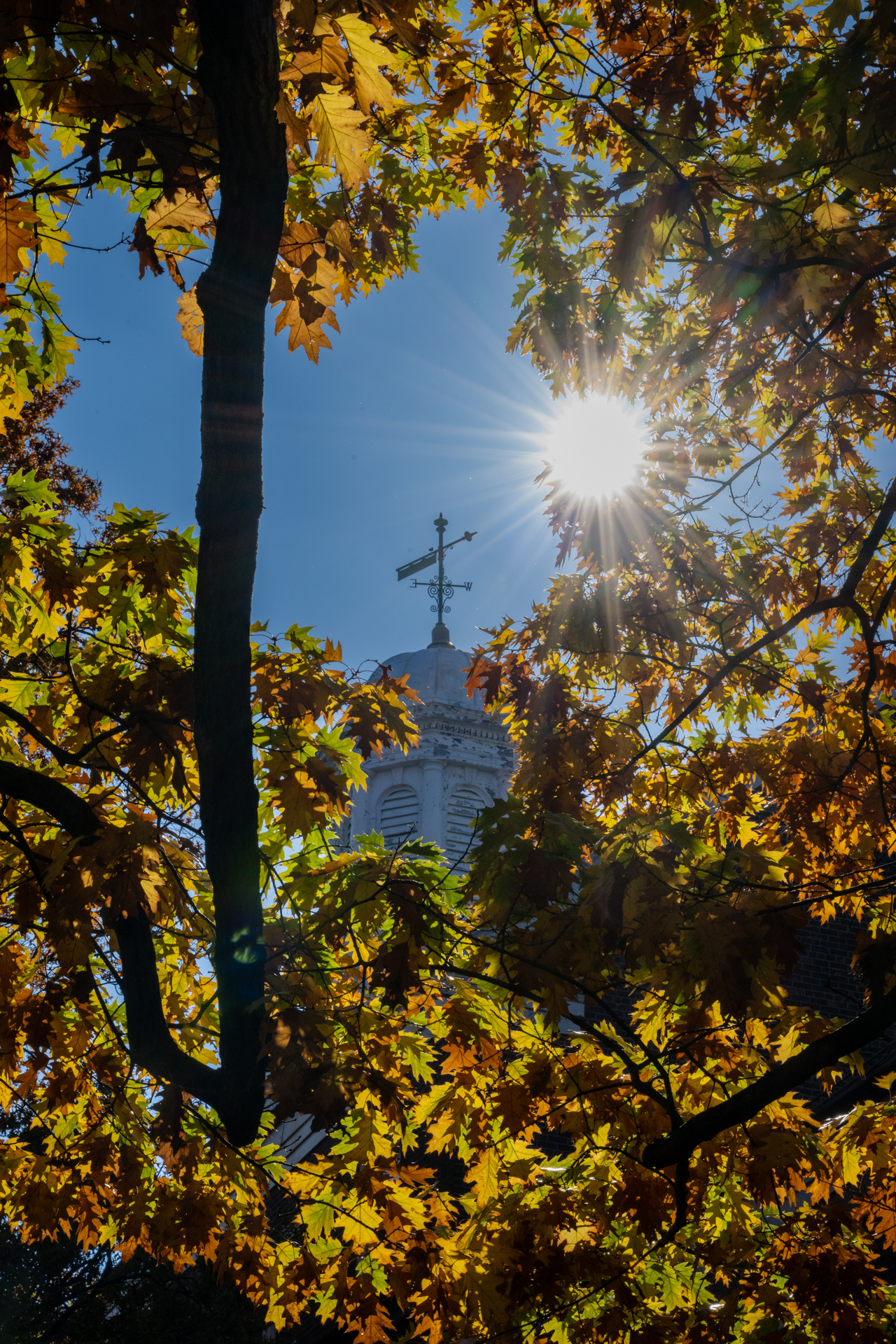
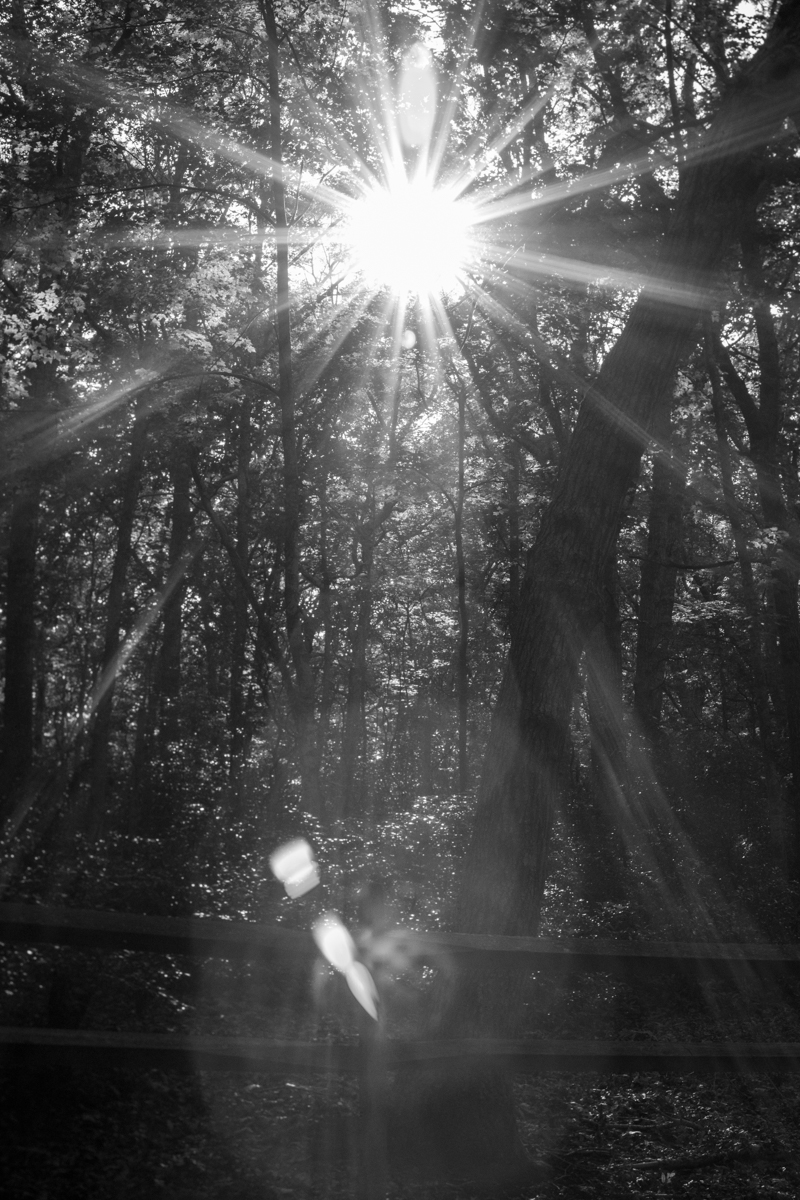
Shot this one at f16 amined up into the sun through the trees. I wanted to see how much wackadoodle the flare would cause. The result, enough!

Shooting the Tilt 50 at f. 2 to 4 seems best. Shooting wide open at 1.4 makes the circle very tight. Opening up two stops is the “sweet spot”. It’s the dreamy effect. I dig it. Is it gimicky like full frame fish eye? yes. But the Tilt 50 does have its place. I’m thinking a start and finish workout project, shot only with the Tilt 50. The tilt effect makes things tiny and if used correctly, can help telling the story by highlighting via focus on subjects.

I don’t recommend it for straight shooting. Not having the effect makes it less desirable, but still, the bokeh is outstanding and for the cost… Certainly less than Eisenhower’s collar.

That’s the great night photographer Gabriel Biderman and the president of the Duran Duran fan club, Nancy (only kidding, Nan is one of the finest people I call a friend). But in all seriousness, this image illustrates the way the tilt 50 can assist story telling.

It’s a heavy weight lens at 15.9 oz / 452 g. The focus is smooth as well as the click less aperture ring for those who might consider using it for film making. Which by the way, I suspect would be outstanding. Like a way to shoot a memory or a dream sequence. The lens also has satisfactory knurled rings if you were to use with a follow focus device.

Here’s my plan. I’m keeping the lens. At $229 using a payboo card it has great potential with insignificant investment. In the spring I bought the 14-24 2.8 S lens and love it, but at it’s hefty 2k price it doesn’t do what this little extra nifty fifty can do. It comes in all the mounts including Fuji X, Canon, Sony and micro 4/3. Go buy it at B&H and tell me how you like you it.

~David July 2025

Self Assigned Projects to Cope with Difficulty

Photography is a drug, it can be your savior, a north star in times of trouble. I mean it, when you lift the camera to your eye and view the world through the view finder native troubles are sidelined and creating the image takes center stage. Recently my wife Barbara and I had to drop everything and take care of her aging mother in law in Milan. While we braced for the worst, the little lady has recovered and we are back in NYC.  

The following text is a the narration from the slide show you can view on Youtube.

This family calamity had moments of full attention and lots of down time. Using the down time to mitigate the situation would lend peace and purpose to this dark time. So I did what every self respecting photographer artist would do and make a “creative plan” that is really art therapy. Taking stock of what I had and where I would be I vowed to push myself to its completion. 

Setting parameters. 

Before leaving I took stock in front of my antique breakfront that houses my camera collection. The task ahead was a heavy one, and I wanted to reach deep down chose a camera that is challenging (requiring focus) and inspirational. Recently I swapped out straps on my gorgeous Nikon SP (the rate 2005 reissue) and I was keen to bring it into the field. It had been over a year since I ran a roll of film through the camera and it’s always a pleasure to use, the camera feels so good in the hands. What optics to bring? For Lenses would be a 35mm 1.8 and 25mm f4. Check. I also have a new iPhone 16 Pro Max I had just upgraded from my iPhone 13 so that would be my “mobile sketch book”. Check. Because I am a serious photographer and I have been so successful with my current camera set up, I packed the Nikon Z9 and the super versatile 24-120 f 4. Along with two laptops (my airbook and B&H work laptop) I stuffed it all into a Tenba back pack and along with Eisenhower my faithful Chihuahua I jetted off to Italy.  

We are staying in the Bovisa neighborhood of Milan and there is an old school film lab around the corner from the flat, “Speed Foto” that maintains a nice selection of used analog cameras they display in the window and a great selection of different films. After sorting out important health obligations I eagerly headed over to peruse what vintage cams they had and most importantly, buy a few rolls of film to shoot. I picked to something weird, Lomography “lomochrome” film in a three pack. Each roll has it’s own color funk, turquoise, metropolis, and purple. The process is C41 but I after shooting with them, I surmised they are a slide film (positive) that are maximized for C41 process making them negatives. The formula and process makes odd color shifts in different spectrums. The results are weird as you can see from the below work. 

I resolved to finish those rolls in the 12 days between flights. I felt the first roll was getting into form and getting used to the camera which is requires lots of work for urban street photography. The camera is fully manual exposure and focus. Due to its compact size, changing aperture is difficult and the view finder for these old eyes is challenging. I brought shoe mount meter, but the on switch stayed on during the flight and the button battery was dead. I resolved to go meter less and use my years of intuition to guess the exposure. A few days in I wanted to see how accurate I was and downloaded the Lux app on the iPhone. 9 times out ten I nailed it. 

The above parameters made for a very exciting photography distraction. I got to make some work, challenge my skills and focus on photography in a total way. I have a new found appreciation for how good the modern Nikon Z series cameras are. The Nikon S rangefinder system is 1950’s, my Z9 and Zf are post covid tech- 2022, a whopping 70 years of photography progress! It shows in every aspect, but I have a saying, “you have to know where you came from to know where you’re going”. The mini project fulfilled that in a profound way. I’m also happy to report that Mom is recovered and doing well. She has a bionic enhancement of a pacemaker, but her body is 1930’s. She’s like the Nikon SP and Nikon Z9 combined!

Year One of Suspect Photography’s Rebirth- and What a Year It Has Been!


It’s been one year since I reignited the fire that is Suspect Photography and struck out on my own by leaving my position at B&H Photo after 26 years. The year, with its unexpected highs, reinforced my decision that the time was right for change and investing my efforts into what had begun all those years ago in 1993. Suspecting so much was possible when you take smart chances. Here is the year in review for Suspect Photography. 

I resigned from B&H on Halloween Day 2023, like I had started on Halloween Day in 1997 working the camera counter (where I always felt comfortable). That night I celebrated with Barbara and My Life with the Thrill Kill Kult at the Bowery Ballroom.

I started to have lunches with other teaching photographers in my network and was offered partnerships. Maine Media Workshops, which had been such an influence in my early marketing days, offered me the opportunity to lead a workshop in the fall of 2024. I began to map out a plan. I literally ‘broke the ice’ on a cold Winter weekend with my first workshop I co-taught with Steve Simon (the Passionate Photographer). An ambitious Milan workshop followed in April.

On a solo Washington Square Park Walkabout, I also met a photographer who would become a star student of mine, to prove that acorns do indeed become oaks (thank you Kim C.).

My plan entailed activating my old network and buidling & promoting some intricate educational programs such as the Spring NYC UN Workshop and a Fall Photo Retreat. Digital infrastructure and offerings were promoted and executed with live zooms and edited videos.

An online audience was growing, and websites were built while workshops went off flawlessly. Suspect Photography along with partner the Passionate Photographer sponsored a table at the International Photographers Council UN Awards Luncheon.

To see that logo alongside the best the photo industry offers, and a full table of students to share the experience with, was a momentous occasion. And all this only six months into the rebirth of Suspect Photography! (We have already filled the NYC Spring UN 2025 Workshop, but you can join the waitlist here.)

What has been truly thrilling this year has been getting to be a photographer and making work daily. It’s true that if you practice it, you will get better. It’s hard to juggle a full-time intense job and practice photography. This year was the year of photographing in the streets for me, and thus I discovered what was missing in my definition of the genre, humans in the photo.

I learned so much, and made a number of images I’m quite proud of, including one, “Personal Jesus”, that won a street photography online contest. I owe this mostly to Steve Simon, who opened my eyes and challenged me to be the photographer I wanted to be and supported my educational aspirations. I took my Street Photography practice in a formal manner not only in NYC, but to Paris, Mont Saint Michel and Milan.

The Milan 2025 workshop is live and taking deposits, so be sure to secure your spot.

I spent a hot summer in Italy continuing to plan future workshops. My north star was building a workshop and retreat that I would want to attend myself, and so Suspect Tulum, a Photo Workshop in Paradise was born!

I first went to Tulum in 1982 with my family and have returned many times since. It’s one of my favorite places on earth and I can’t wait to share it with photography lovers.

Learn More About Suspect Tulum- Photography Workshop In Paradise

I also dig the woods. Like a real lot, and have always been hiking and exploring them from the Appalachian Trail to Denali. I’m a big fan of Tree Beard the ‘Ent from the Lord of the Rings and have dreamed of creating a photo school in the serenity of the woods, so I created Suspect Photography Retreat In the Woods! I recruited the best of the best instructors and Barbara found the ultimate place to conduct the retreat, AutoCamp in the Catskills, featuring deluxe Airstreams sprinkled about pristine Mountain woods.

Expert instruction: Check! Killer Location: Check! Styled Models: Check! Workflow and a Printed Portfolio of the work- CHECK. Located in the Catskills, B&H Photo is providing shuttle service from the Super Store to Retreat and back. All the boxes are checked! Tulum has a limit of 6 students and the Retreat 25. They are filling up. Dream big, the only limit is one you set yourself.

Learn More About Retreat In the Woods

At the start of October I brought Finding and Developing Photographic Style to the Maine Media Workshops. That “acorn” I met at Washington Square Park back in January, along with a student from B&H’s Portfolio Development Program and a few new students, criss crossed across the Maine mid coast diving deep into my theories of photo style. It went so well I have been invited back. Stay tuned to the Suspect Photography Newsletter when registration goes live.

I’m spending the fall of 2024 doing photowalks and building the 2025 program. It’s very exciting. I hope you can be part of it- join a workshop or come to the Retreat. You’ll invest in yourself and have a great time.

Our complicated world can be understood with the power of images, so it truly pays to practice Photography. I can’t wait to see how the next year plays out, and I hope you can join me along the way. Did anyone say Street Photography in Paris?

David

Suspect Photography Assignment- Street Photography in the Tradition of Henry Cartier Bresson

Peter Pickering added as editor! Read below for details!

The Britannica Definition:

Street photography, a genre of photography that records everyday life in a public place. The very public nature of the setting enables the photographer to take candid pictures of strangers, often without their knowledge. Street photographers do not necessarily have a social purpose in mind, but they prefer to isolate and capture moments which might otherwise go unnoticed.”

Henri Cartier-Bresson was a French artist and humanist photographer considered a master of candid photography, and an early user of 35mm film. He pioneered the genre of street photography, and viewed photography as capturing a ‘decisive moment’.

I have been contemplating the relationship between Travel Photography and Street Photography for a few years now. Traditional travel photography that bases itself on “Sense of Place” (as explained by my mentor Bob Krist), benefits tremendously from the addition of “Street” technique. By imbuing “Rhythm of Place” (as stated by Steve Simon) with a human element, you achieve a high level photograph. I also believe that a stern practice of both Street and Travel will produce an extremely interesting body of work! Essentially, placing the human condition into the city/landscape and capturing the perfect exposure that requires timing and command of Bresson’s “Decisive Moment”.


This year, Steve Simon and I have been teaching many Street Photography workshops, and I’m very excited to share what I’ve learned by critiquing your images. This assignment, will also present an excellent primer for those who are unfamiliar with street photography.


Instructions to submit an image to the review:

You may upload ONE image that fits the above criteria as Street Photography in the Tradition of HCB.
Upload ONE 2-5 mb jpeg. Images must follow this naming convention: firstname_lastname.jpg ie: david_brommer.jpg and not have a water mark. Images will only be used for a one time recorded critique. By following the naming convention you will receive credit for your work in the form of a shout out during the review.

DEADLINE TO SUBMIT IMAGE IS JUNE 14TH.


The reviewers will choose their “Best in Class” and the winner will receive a $150 Discount to any of the upcoming Suspect Photography workshops.

Peter Pickering, the Australian Photographer who is the founder of the popular street photography Facebook group, “Street Photography Cartier-Bresson Inspired” has agreed to come on as a photo editor of the upcoming Suspect Photography Assignment/critique. Peter Pickering will be choosing 10 submitted images for Steve Simon and David Brommer to discuss live on Zoom and recorded to Youtube.