Suspect Photography

words and images from david george brommer

Tag: fujifilm

Exploring the TTArtisan Tilt 50 Lens: A Hands-On Review

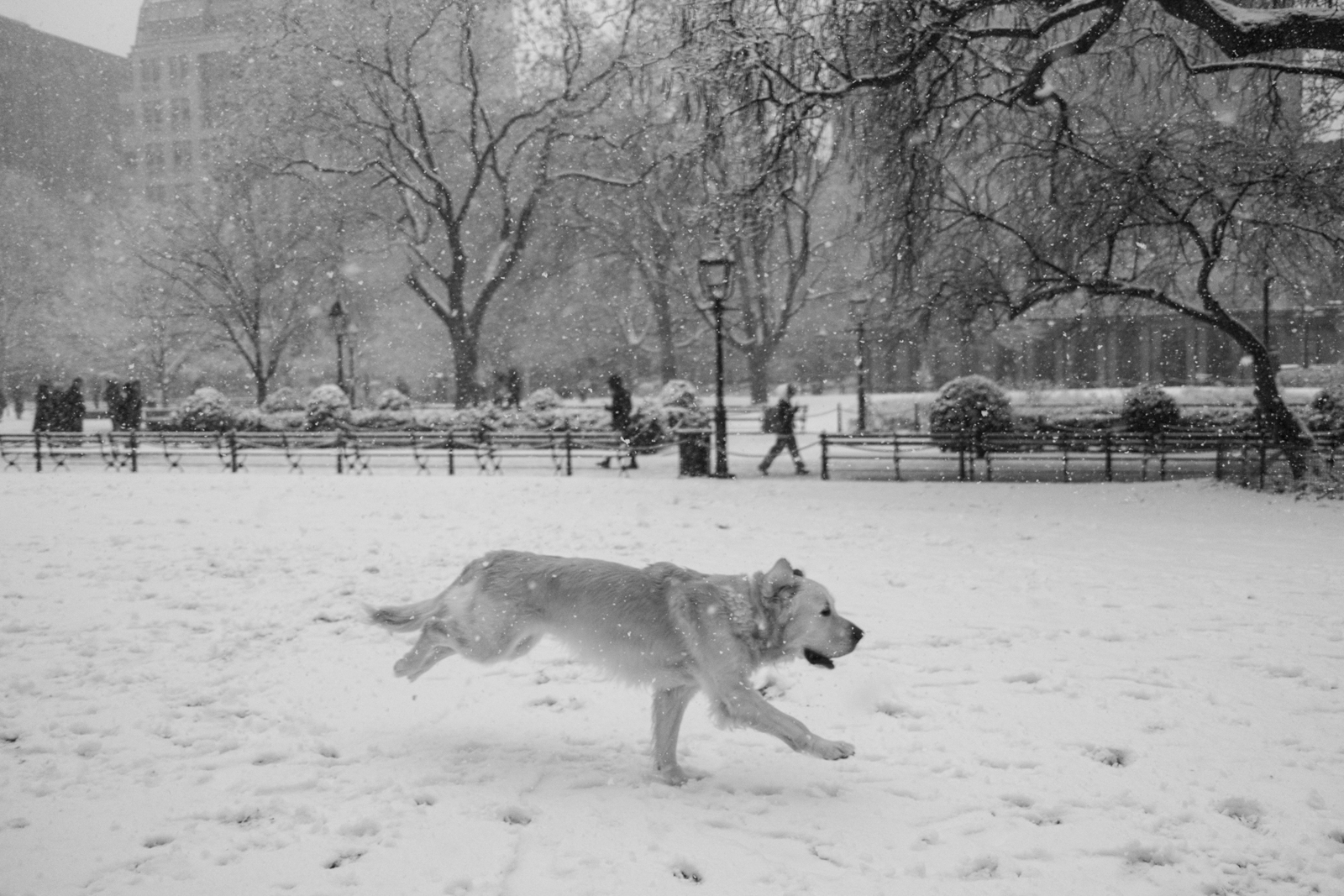
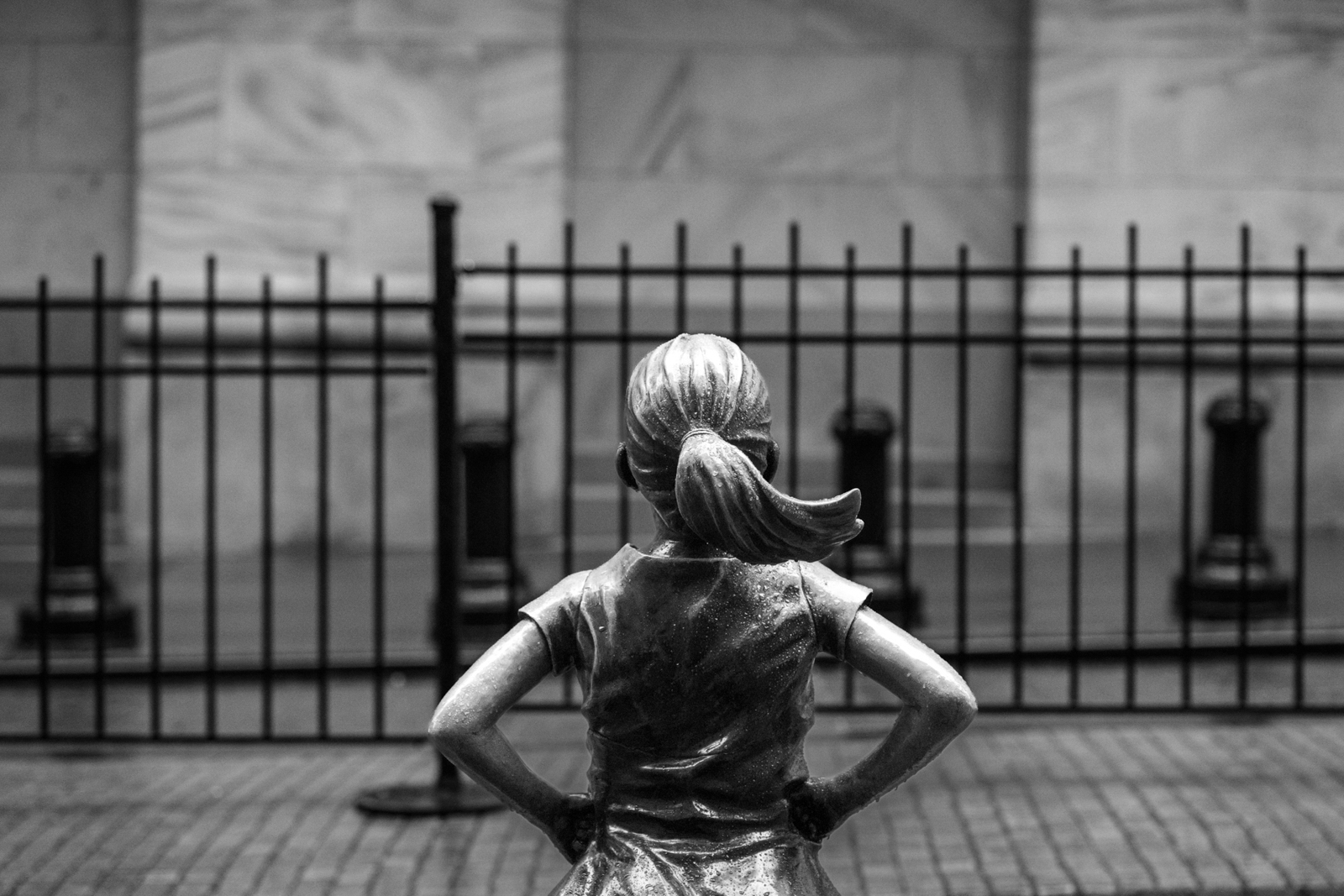
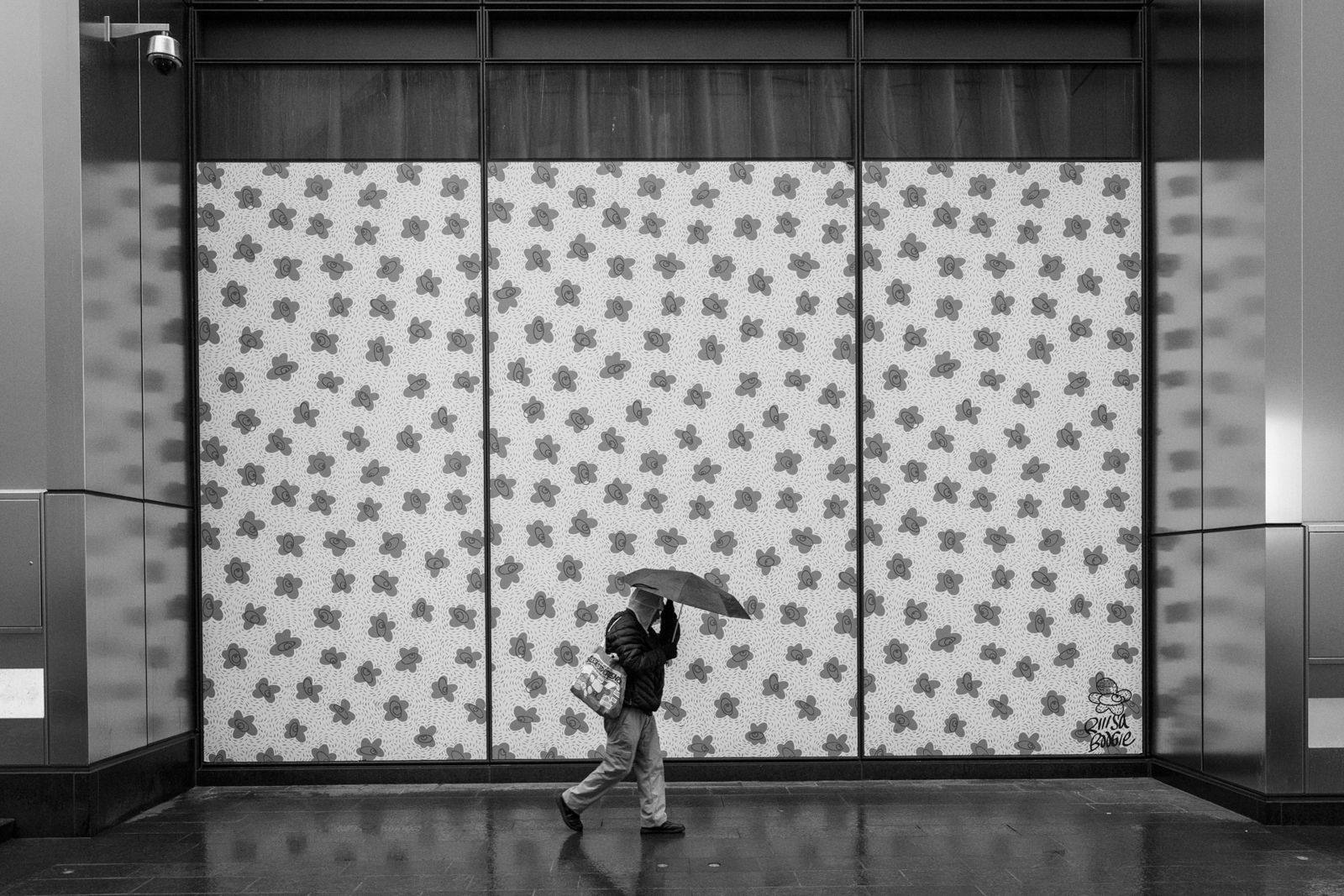
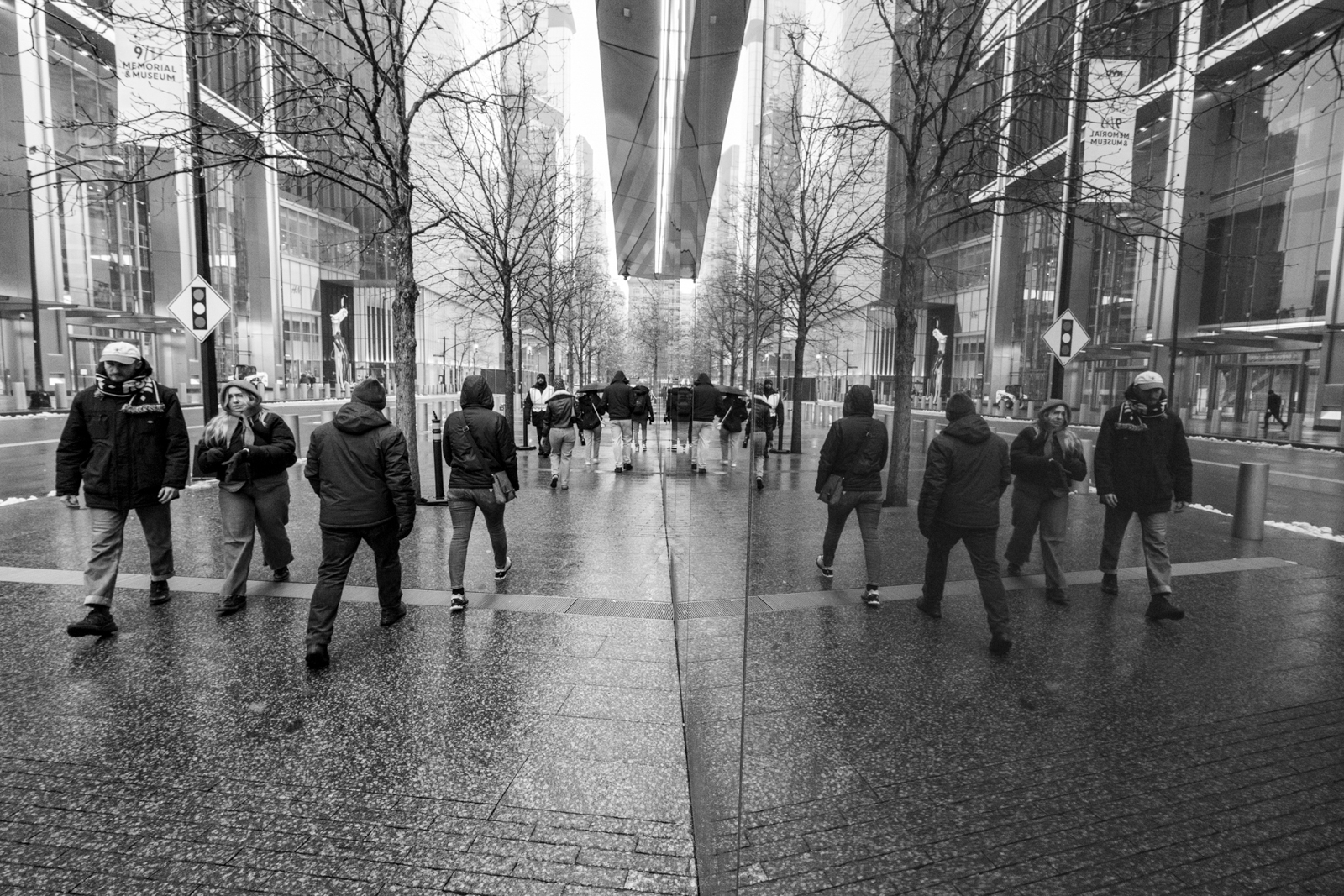
As many of us, I’m a gear freak and love optics. I was poking around the Nikon Z lens options on the B&H Website and came across this lens, the TTArtisan Tilt 50. It’s part of this wave of ‘cheap cost’, but ‘not cheaply made’, Chinese lenses. The 70’s were a hey-day of weird, wide, and tele lenses from oddball companies; and then in the 2000’s Lensbaby hit the market. Now with the rise of easy manufacture (barring tariffs) lenses, and manual film/video lens needs, there is a plethora of this type of equipment to try out. Long story short: I bought the lens on speculation, and was pleasantly surprised on all fronts!

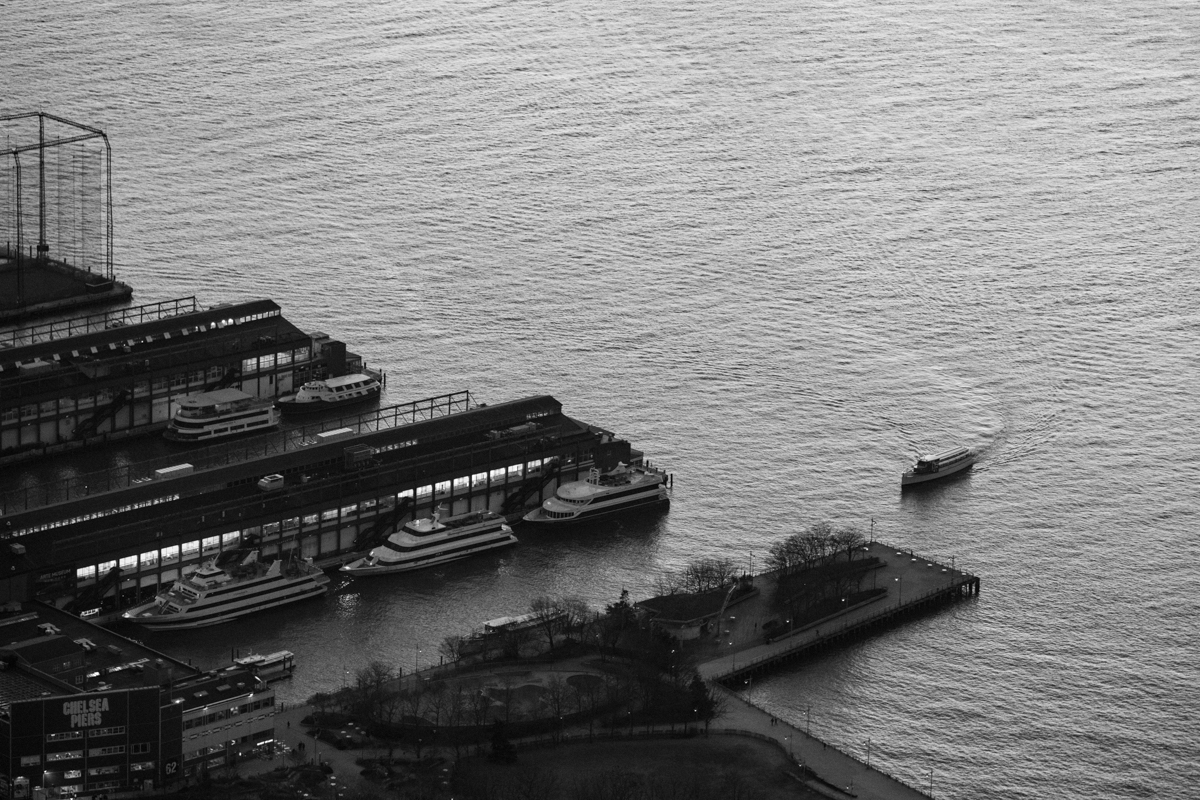
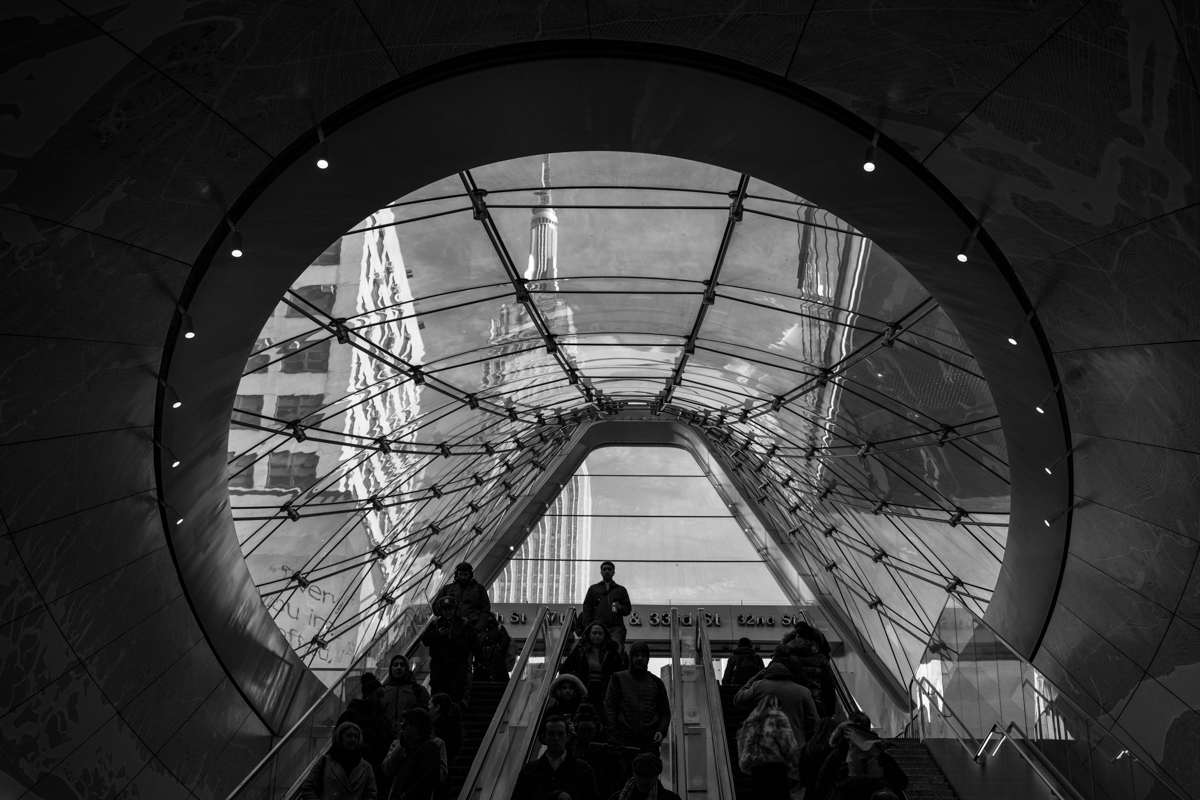
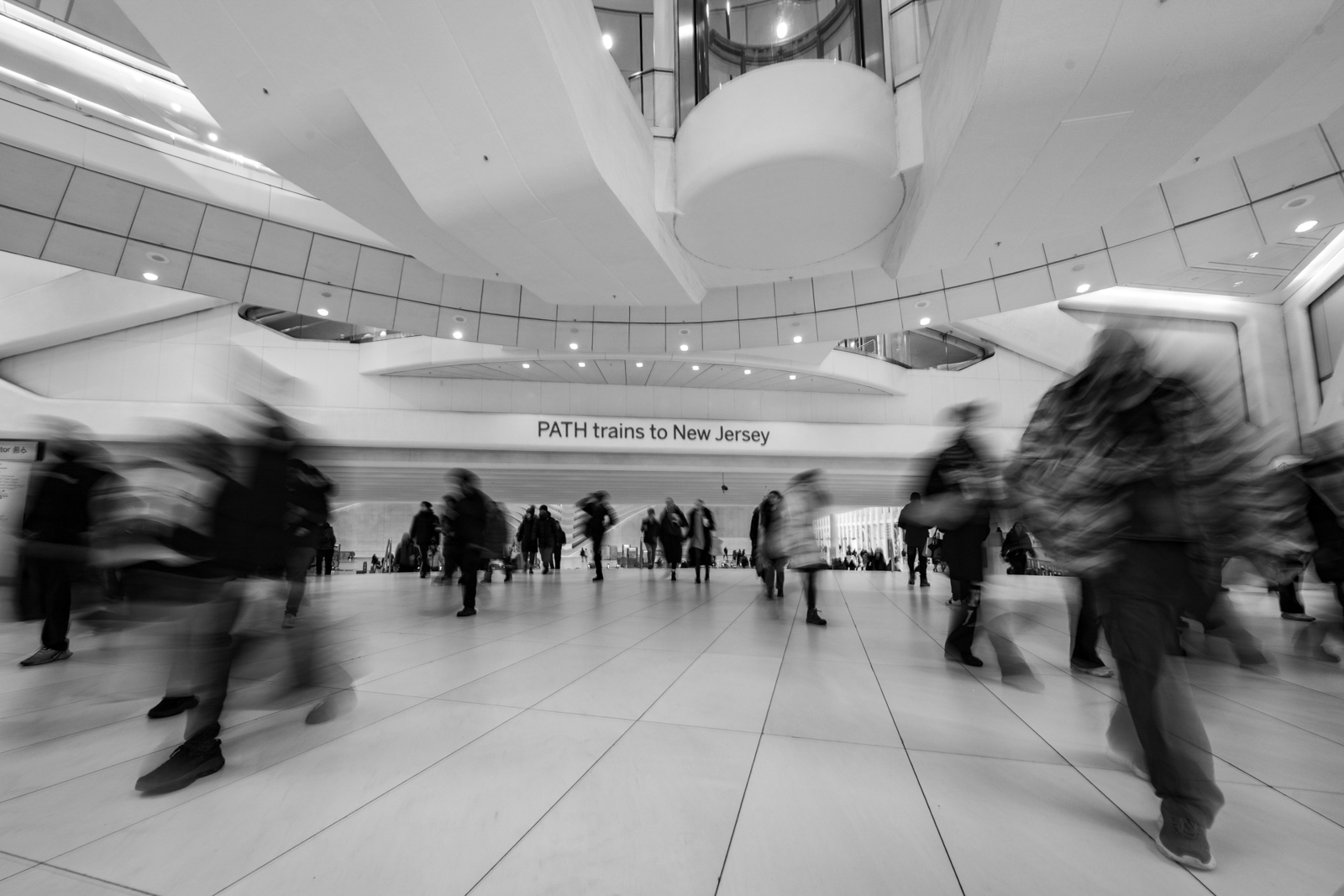
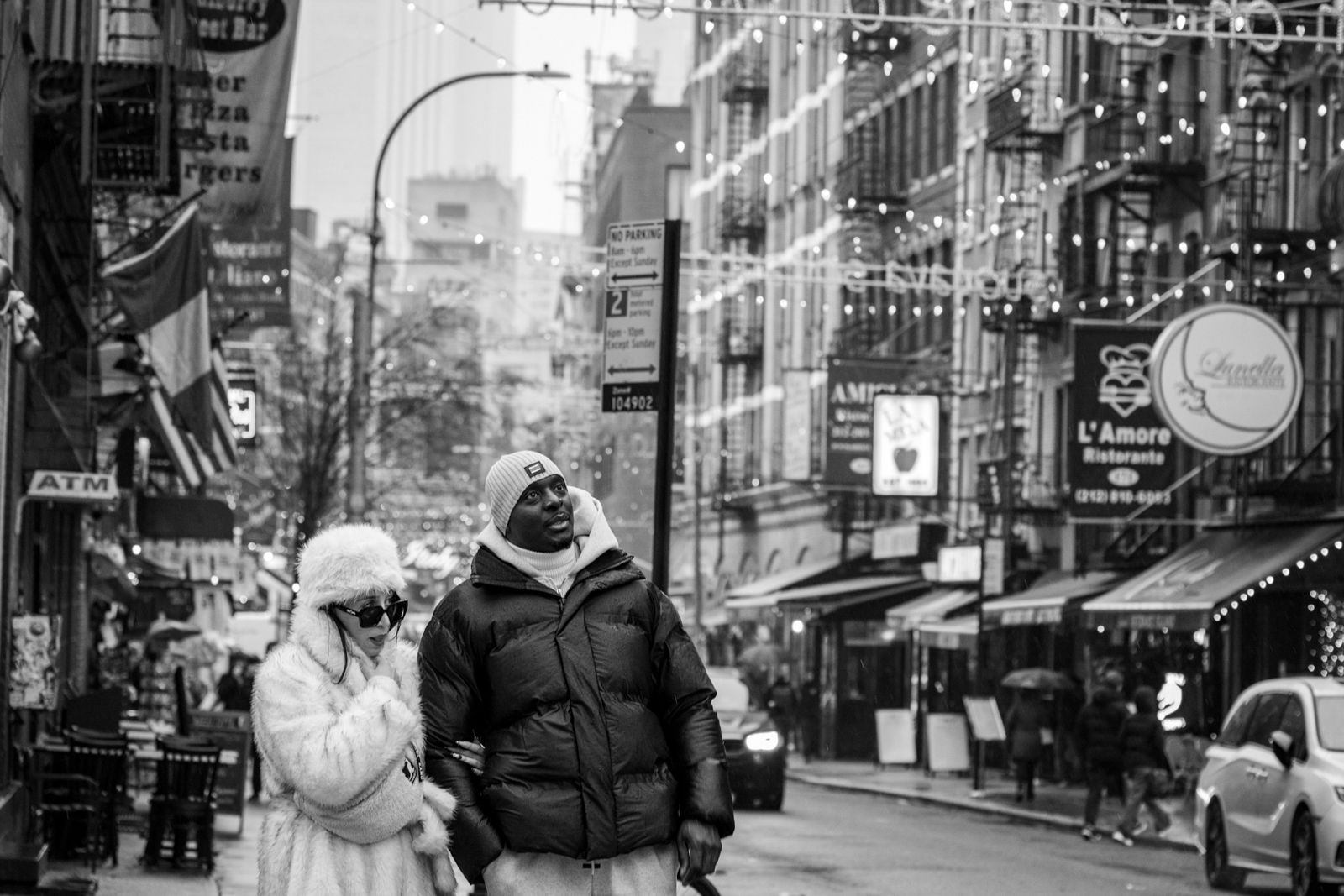
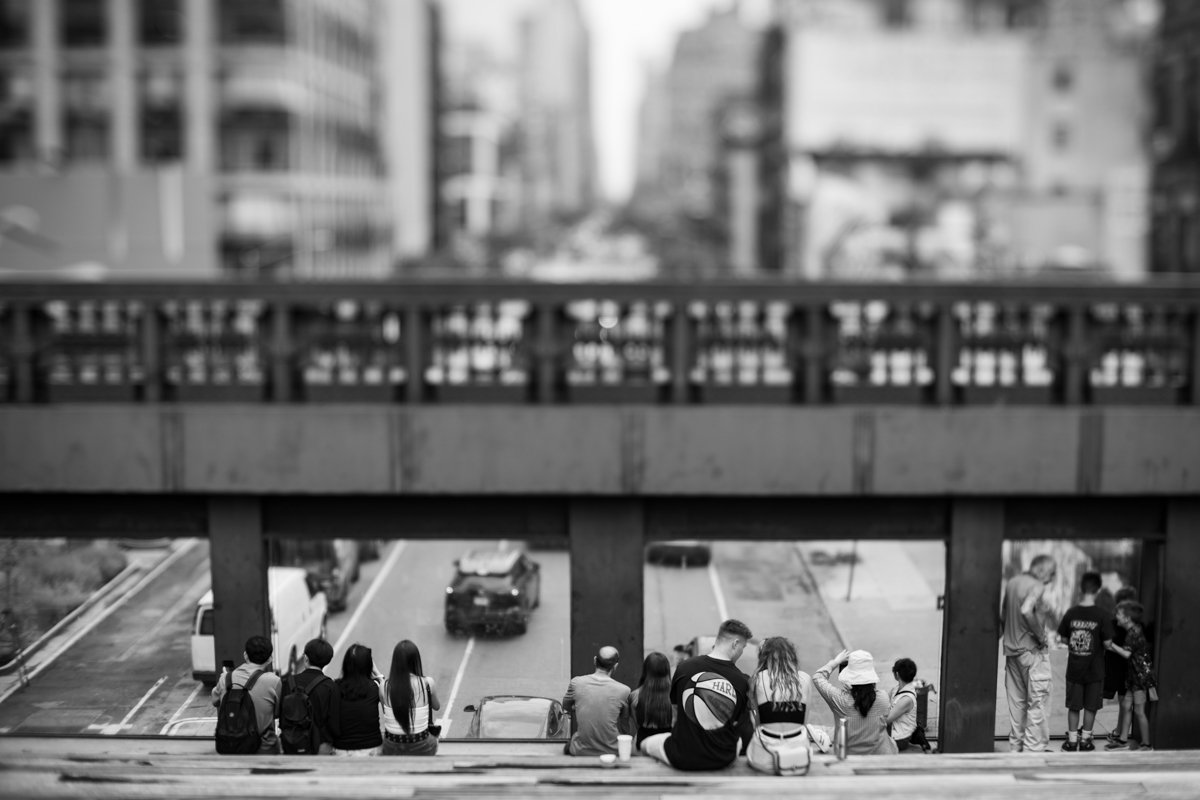
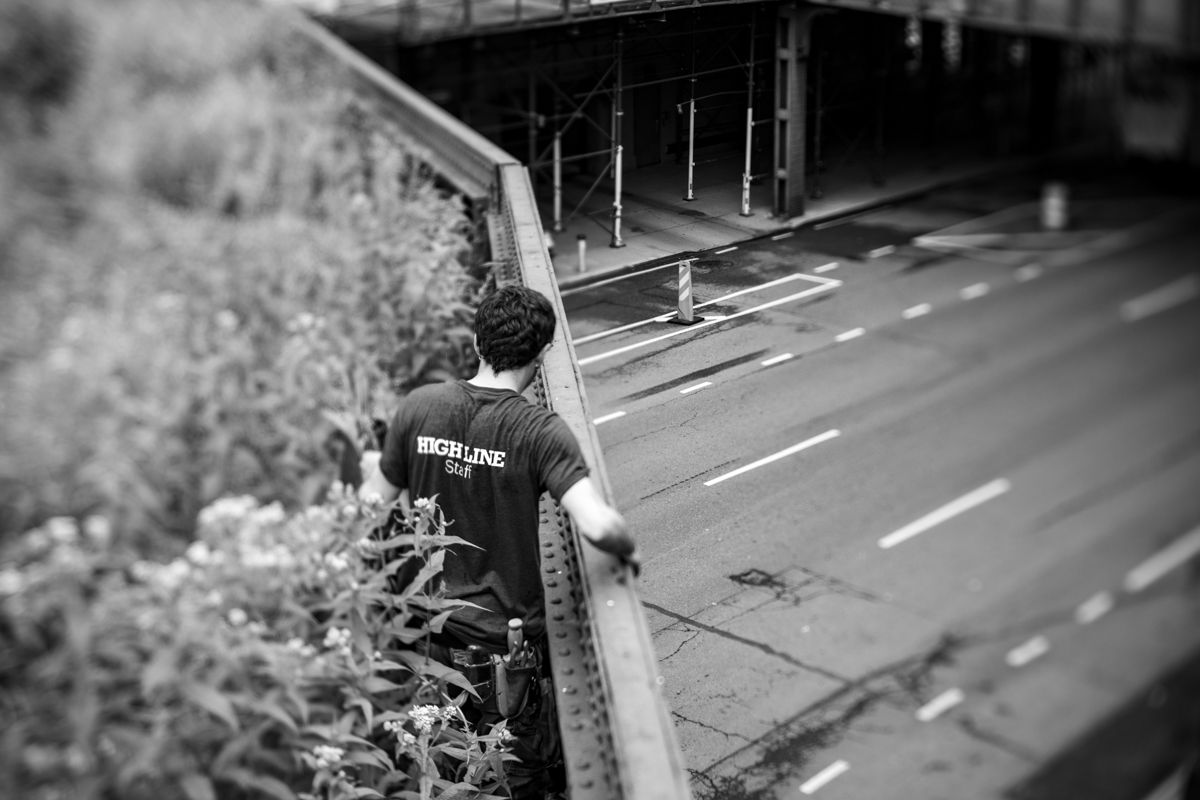
I slapped the lens on a Nikon Zf with focus peaking turned off (I found it hard to “see the image” with the shimmering distraction), auto iso on, aperture mode, B&W switched on, Raw. Making sure “ok to shoot without lens” setting is checked. I took a morning stroll on the Highline excited to try out this fine feeling lens.

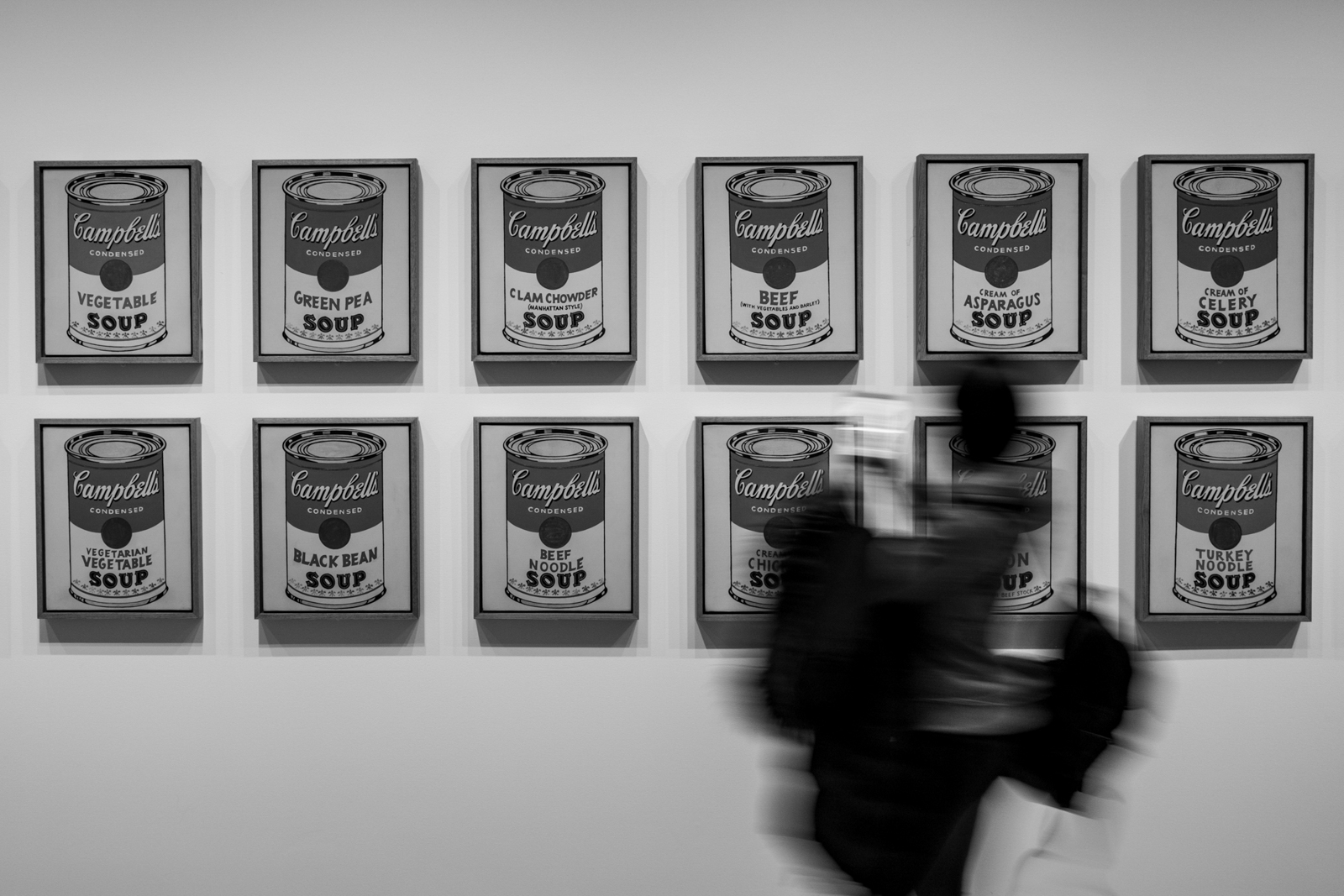
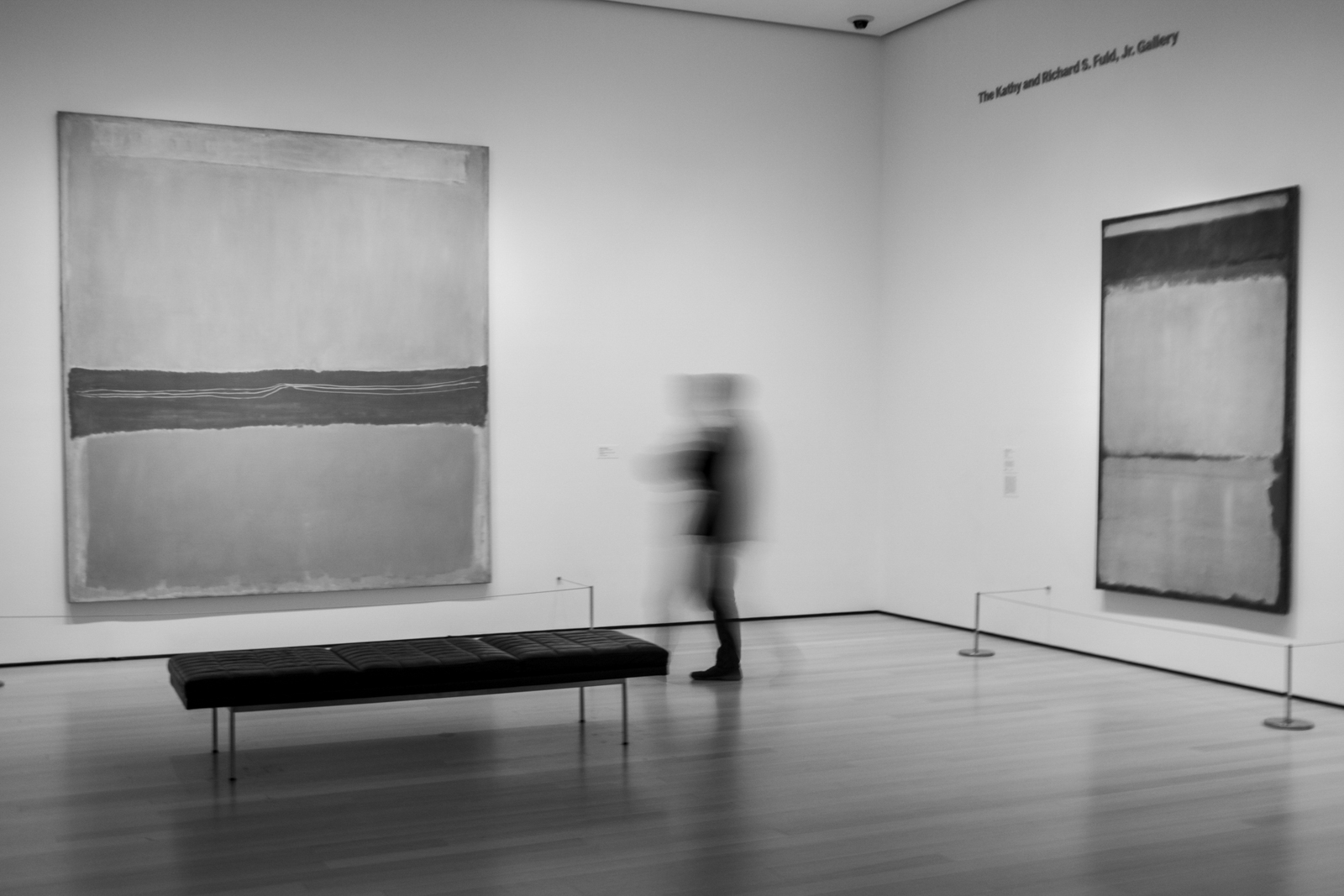
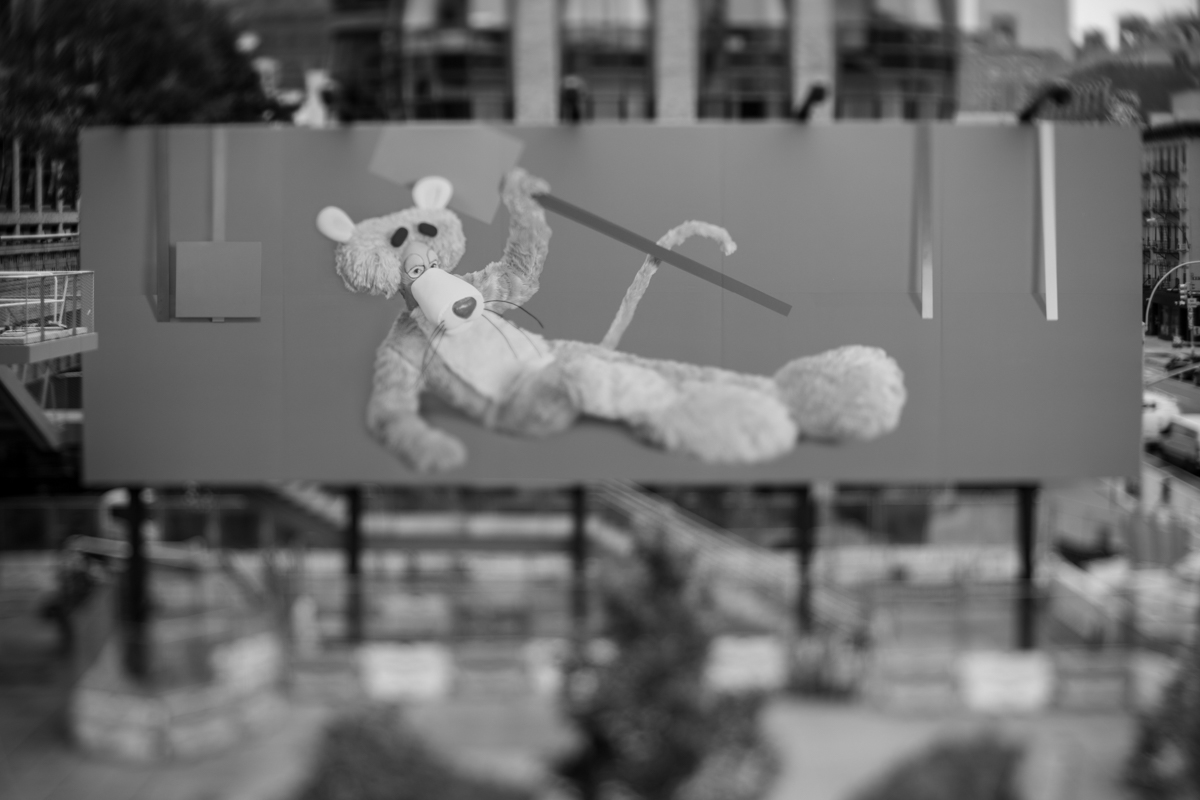
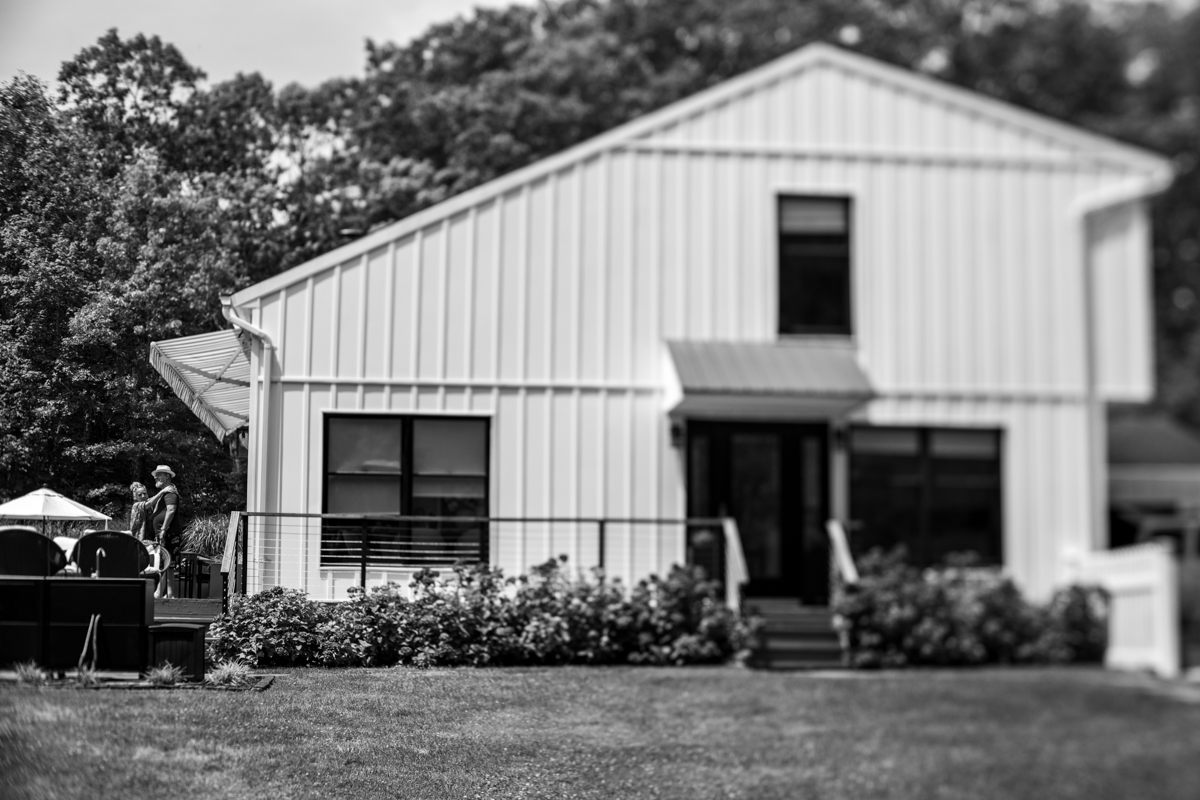
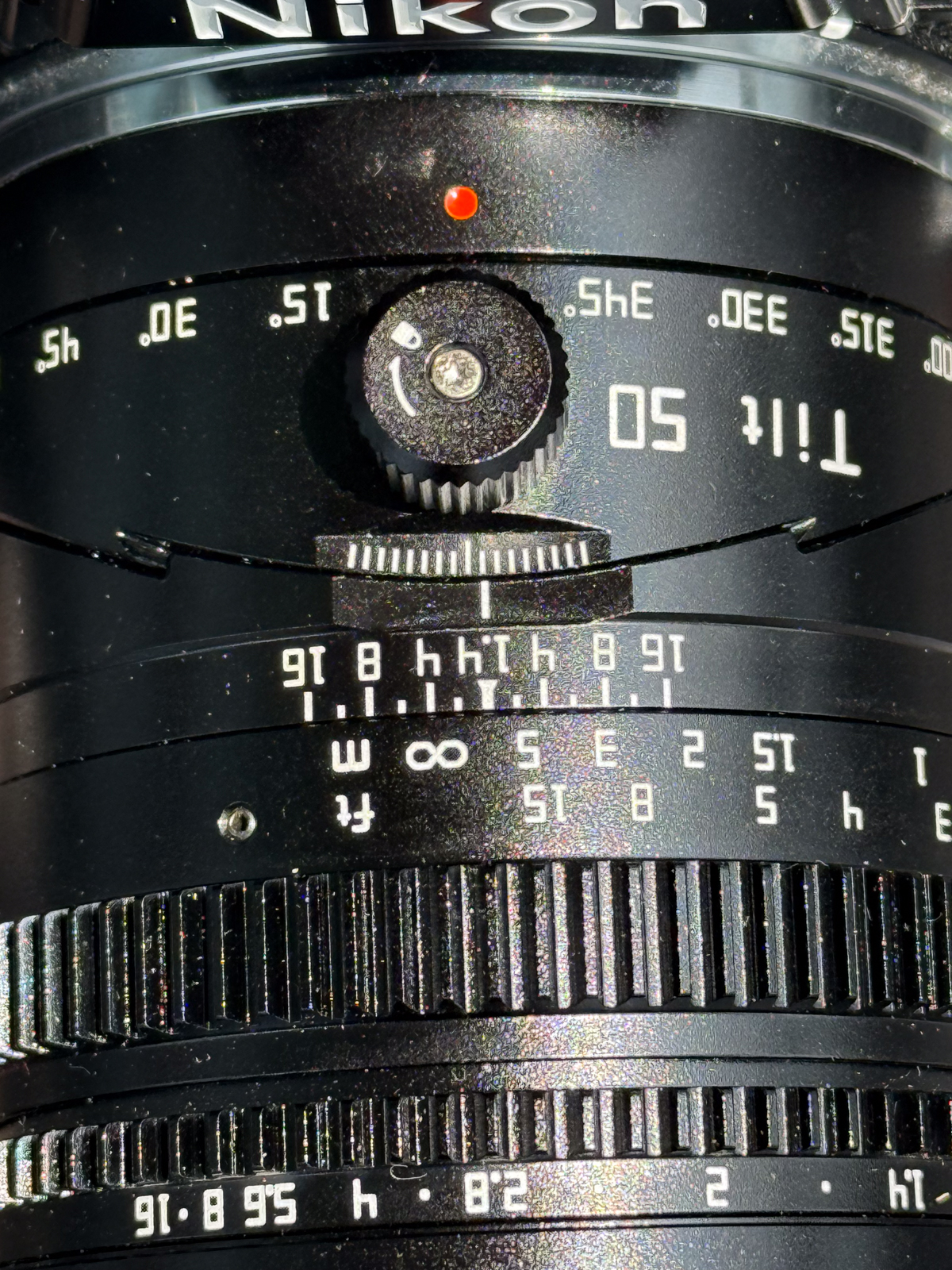
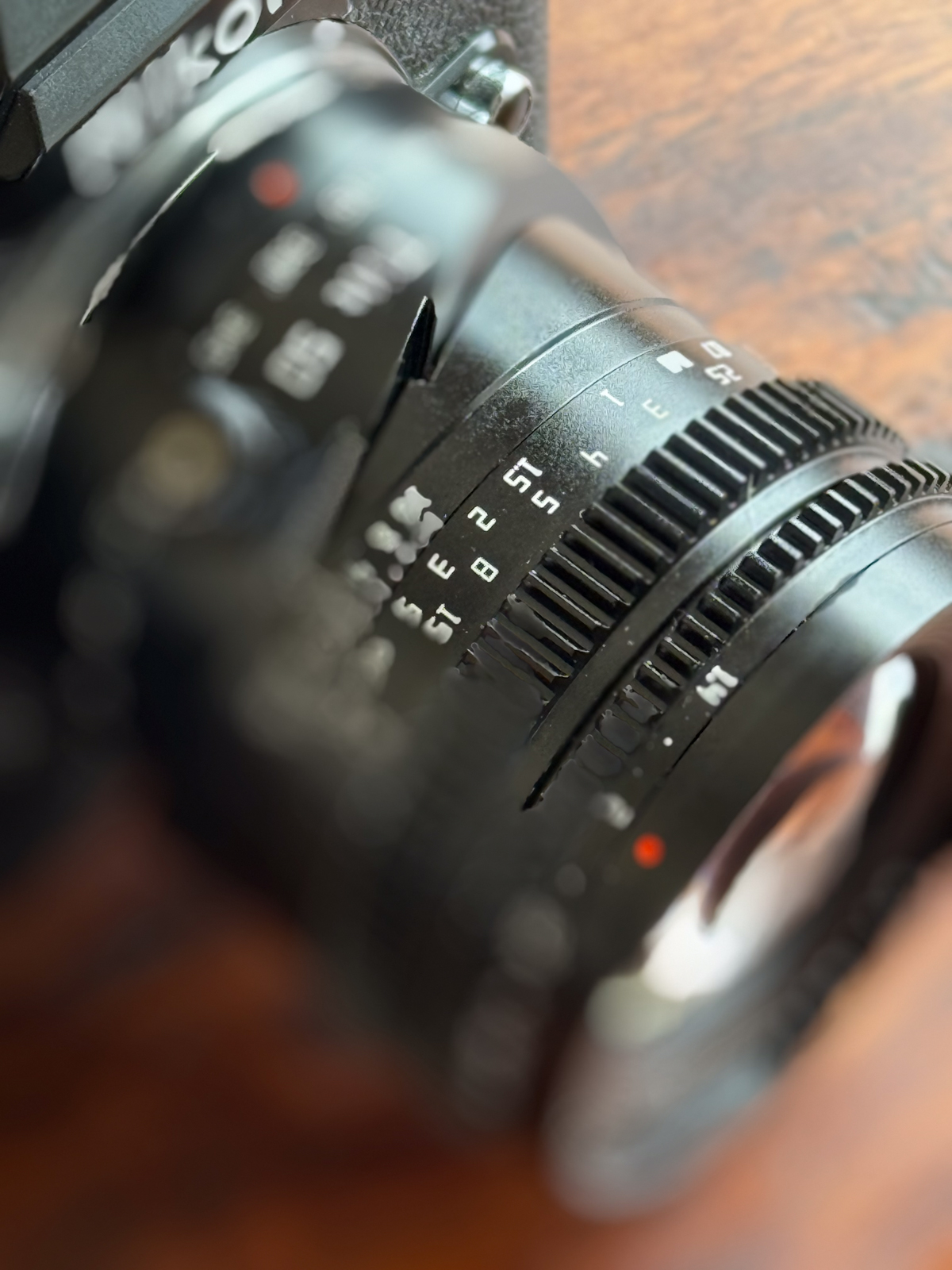
The lens has two unique controls, one for the tilt and the other direction of the tilt axis. By strategically turning these two, in tandem with the manual aperture, you gain access to a “strip” of in focus view. You can “spin” the lens to make that strip go anywhere. The lens also has a wonder full depth of field bokeh and close 19.7″ / 50 cm minimum focus.

The actual sharpness of the lens is questionable, it’s not a view camera, but that’s not the point. Straight on at F8 it’s sharp, but it falls off the more wide we open. However I found it sharp enough to certainly buy and keep in my gear bag. It’s fun to use and produces unique results.

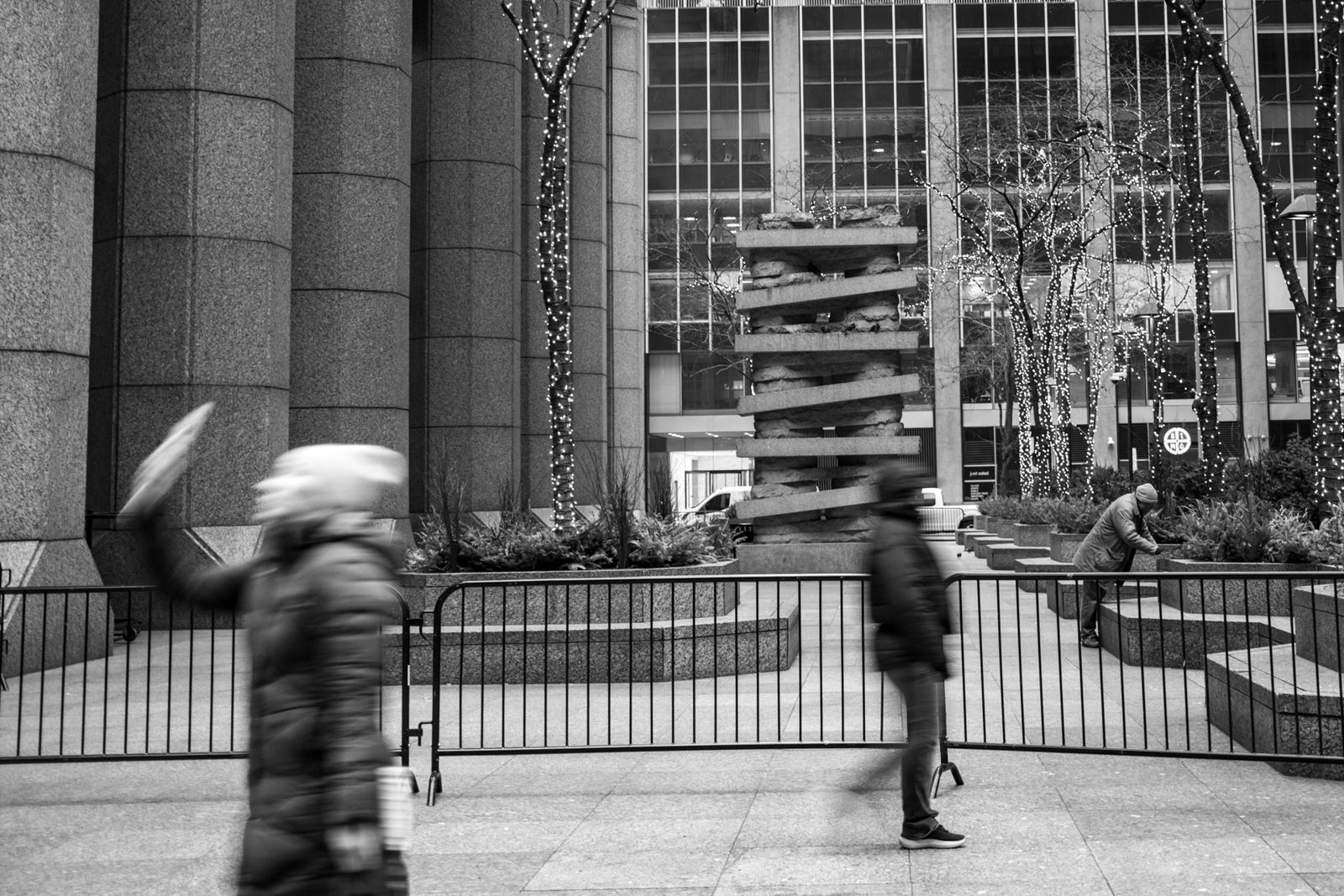
The lens likes height to give it perspective. Walking the Hhighline was actually perfect with its vantage points and strong horizontal lines.

We cruised out to celebrate the fourth of July out in the Hamptons in the Buick and I grabbed the same combo.

Couple of notes, you have to have deft and strong fingers to maneuver the tilt and rotation functions. A tripod couldn’t hurt, but I used it handheld during my exploration of the lens.

My favorite wall north of MoMa. Vintage camera wall by Brandon Remler.

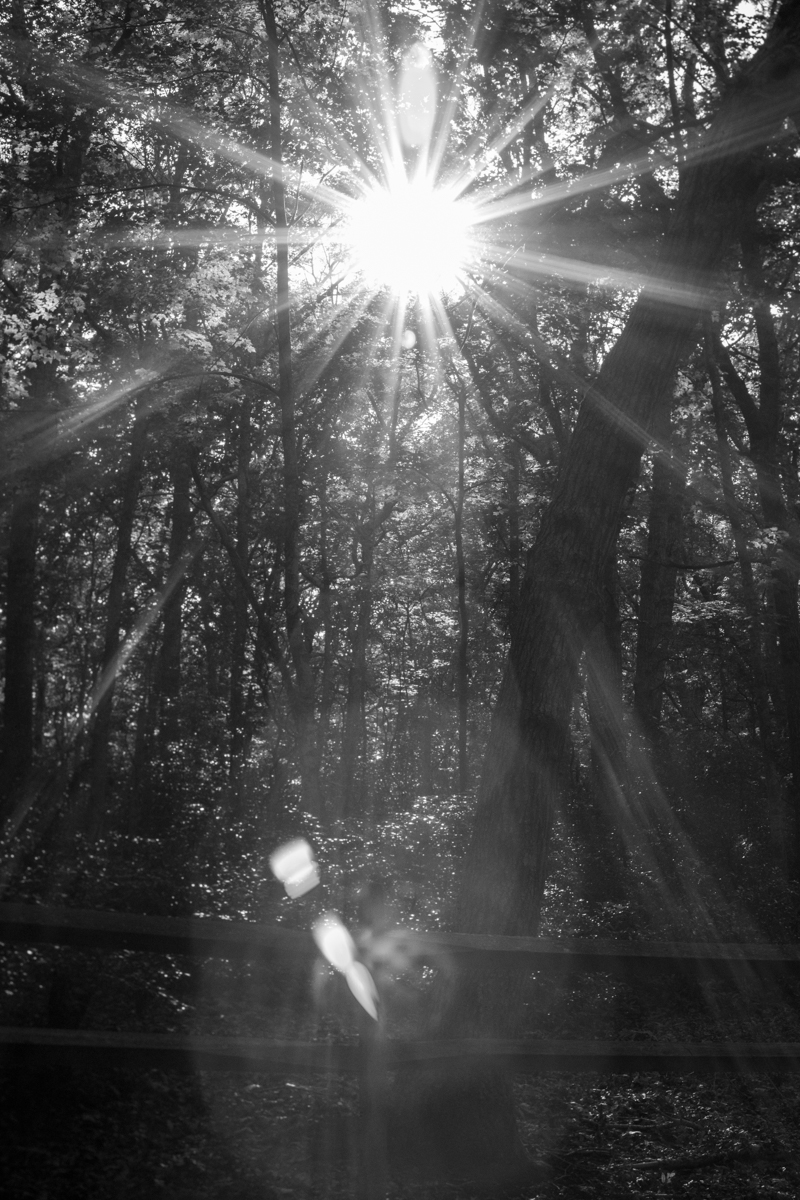
Shot this one at f16 amined up into the sun through the trees. I wanted to see how much wackadoodle the flare would cause. The result, enough!

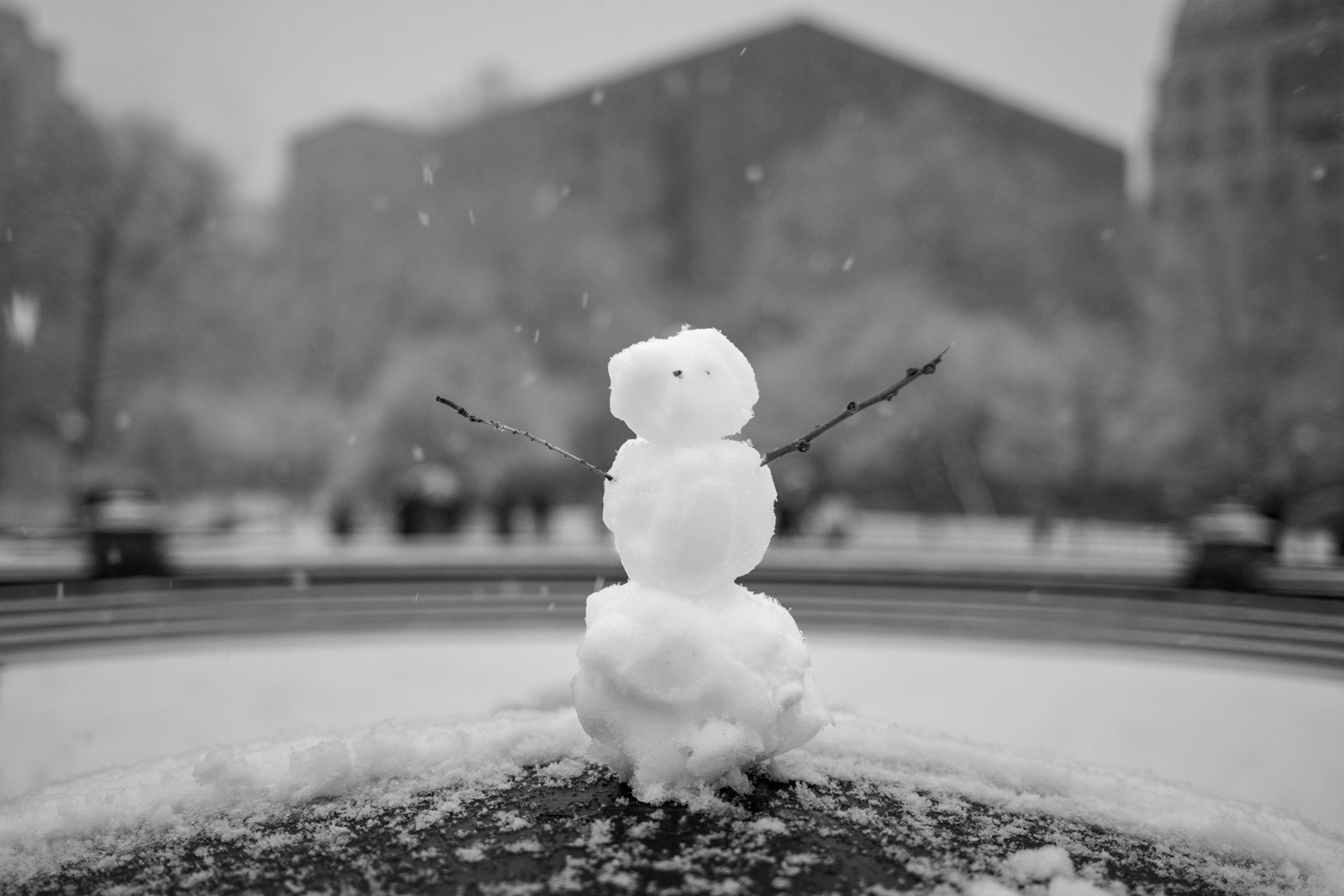
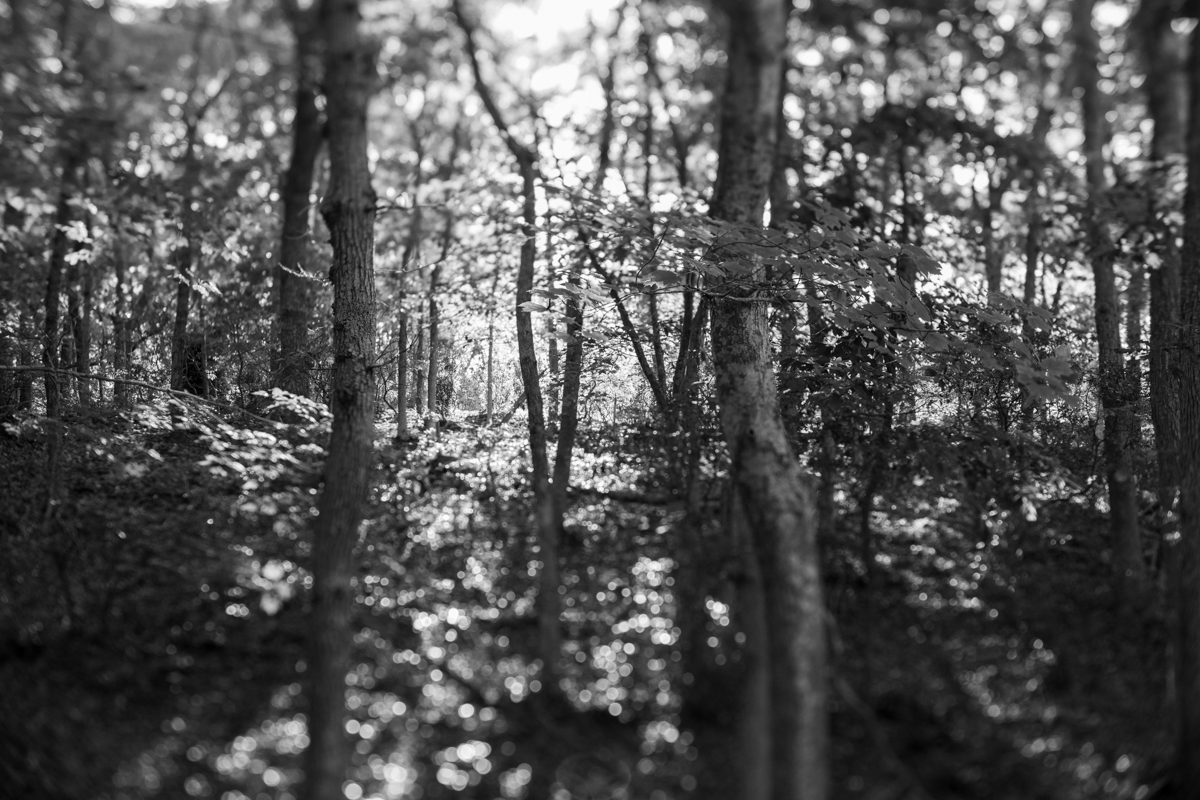
Shooting the Tilt 50 at f. 2 to 4 seems best. Shooting wide open at 1.4 makes the circle very tight. Opening up two stops is the “sweet spot”. It’s the dreamy effect. I dig it. Is it gimicky like full frame fish eye? yes. But the Tilt 50 does have its place. I’m thinking a start and finish workout project, shot only with the Tilt 50. The tilt effect makes things tiny and if used correctly, can help telling the story by highlighting via focus on subjects.

I don’t recommend it for straight shooting. Not having the effect makes it less desirable, but still, the bokeh is outstanding and for the cost… Certainly less than Eisenhower’s collar.

That’s the great night photographer Gabriel Biderman and the president of the Duran Duran fan club, Nancy (only kidding, Nan is one of the finest people I call a friend). But in all seriousness, this image illustrates the way the tilt 50 can assist story telling.

It’s a heavy weight lens at 15.9 oz / 452 g. The focus is smooth as well as the click less aperture ring for those who might consider using it for film making. Which by the way, I suspect would be outstanding. Like a way to shoot a memory or a dream sequence. The lens also has satisfactory knurled rings if you were to use with a follow focus device.

Here’s my plan. I’m keeping the lens. At $229 using a payboo card it has great potential with insignificant investment. In the spring I bought the 14-24 2.8 S lens and love it, but at it’s hefty 2k price it doesn’t do what this little extra nifty fifty can do. It comes in all the mounts including Fuji X, Canon, Sony and micro 4/3. Go buy it at B&H and tell me how you like you it.

~David July 2025

Analog – Film Photography One Day NYC Workshop + Photo Walk Sunday June 2nd


There is no doubt that vintage film cameras are cool and there is something special about shooting film in the digital age. This workshop is for those who want to connect with a mechanical camera to express photography the way it was in its heyday of the 60’s, 70’s, 80’s and even 90’s. David Brommer has never abandoned film photography and has a massive collection of “vintage users” he maintains.

  • Dates: June 2nd, 2024 9 AM-5 PM
  • Genre: Analog Street & Urban Photography
  • Group Size: Max 5 participants
  • Skill Levels: All
  • Includes: 3 rolls of film, camera rental, film processing and scanning, breakfast and post workshop group zoom.
  • Cost: $350.00

In this special one day workshop he will open up his cabinet of cameras and let you choose which one to shoot with during the day. Fancy a Hasselblad medium format? We have a red one with three lenses. A Nikon? Take your pick of SLR or Rangefinder. Want to experiment with a half frame 35mm? The Olympus Pen F is your camera. For those who want precision, grab the Contax with Zeiss lenses, or go instant with Fujifilm Instax. You may also bring a manual camera you inherited or were gifted and want to learn to use. You’ll have three rolls of film to work with during the workshop.


The focus of your day will be street and urban photography. This includes people and architecture with an emphasis on compositional elements. Film photography can be fun and surprising and each film emulsion has a look all their own. This workshop will give you a firm grasp of the basics of mechanical film cameras, exposure and composition.

Nikon FE 50mm Nikkor 1.4 Ais Fujifilm Superia 400 Converted to B&W (note the grain)


The day begins with coffee and bagels while we get a lesson on how to load film into your camera. After a quick rooftop photo op and exposure discussion, we take to the streets and head to little Island on the Hudson. Crossing the West Village we stop at the “secret garden” and continue east to the photo paradise of Washington Square Park and grab lunch. We then visit the Photo Lab 5R for a tour and workflow discussion. From there our walk continues to the Alamo and the East Village ending in Tompkins Square park. Cameras will be collected and film dropped off at our lab. Just like in the hinter years, you will get to look at your work about a week later after they have been developed, scanned and emailed to you. A few weeks later we will meet on zoom for an image review.

Nikon SP 35mm 1.8 Kodak Tri-X with Shitty Iphone Scan


Each student receives 3 rolls of film (B&W & Color Options) that includes processing and negative scanning. (Prints available at additional cost). Breakfast included, lunch on your own. Workshop is rain or shine.
2 weeks after the workshop a group zoom will be conducted with student submitted work to discuss and review. Class is limited to 5 students.


Cost: $350 Includes three rolls of film, camera rental, film processing and scanning, breakfast and post workshop group zoom.

Sunday June 2nd 9 AM to 5 PM

Assignment: Opposites Attract

On this next assignment (or shall we say ‘visual challenge’) we are going to explore how very different subjects can dynamically interact with each other, whether they are thrown in a situation or they just happen to exist in two diametrically opposite circumstances. 

The goal of the exercise is to push our vision to the brim of conflict,  break free from pre conceived notions and find the harmony in opposition. 

SUBMISSION DEADLINE: MAY 5 TH AT MIDNIGHT.
LIVE REVIEW MONDAY MAY 6TH AT 6:00 PM


Now point your cameras at it. Here are the rules:

You can submit one image in the theme “OPPOSITES ATTRACT”. This image is an assignment, you are highly encouraged to prioritize creating this photograph in the coming weeks. Since there is so much lead time, only newly created work will be reviewed.  You may NOT draw from your archive, by embracing this home work you will gain the full benefit of this assignment, seek out or make the image.


Upload ONE 2-5 mb jpeg. Images must follow this naming convention: firstname_lastname.jpg ie: david_brommer.jpg and not have a water mark. Images will only be used for a one time recorded critique. By following the naming convention you will receive credit for your work in the form of a shout out during the review.

Take this assignment seriously. Street Photographers can hit the pavement and find the opposites attracting or you can set up the photograph with family, friends and other willing accomplices. Start taking notes, write down ideas that come to your mind while thinking about what Opposites Attract means to you. Plan where you will make these photographs or how you will construct the photograph.

One image will be chosen as the best in class and a $50 donation to IPC will be made in the photographers name. Your hard work will do good by supporting an excellent organization.

The International Photographic Council (IPC) is dedicated to increasing worldwide recognition of photography as a universal means of communication. Through a variety of efforts such as the awarding of scholarships to students and the recognition of professional photographers annually at the UN, IPC continues to promote photography in the spirit of its motto: “Peace Through Photography, the Universal Language.”

Ed Brommer & Bradley Beach in Film

This year I decided that I wanted to continue my work photographing Day of the Dead in Mexico. I had first visited and photographed the holiday in 2013. I used the Fujifilm Xpro1 and have a blog post of the work you can find here. I was quite pleased with the work, but had been recently influenced by Rodney Smith and Paul Caponigro to shoot film. I hadn’t shot with my Hasselblad 501 in years, so I thought this would be a good reemergence as such.

I decided to test it out and see about how I would pack it. I’m extremely retentive when it comes to packing for travel. It’s the back packer in me. I first grabbed the Think Tank Speed Racer bag that is preferred by National Geographic field photographers. They know something about travel right?

I packed a Hassy 501 with 50 f4, 80 2.8, 150 F 4 Zeiss glass. One 120 back and a roll of Tri-X to photograph two subjects, my Father and Bradley Beach.

My father is 91 and is a survivor. He outlived all his friends, co-workers, siblings (and their husbands) and one wife. Ed loves his cars. He picks them out carefully, and all through my life, he had cool cars. I asked him to stand in beautiful light in his garage, with his latest prize, a loaded Buick LaCrosse. He had the vanity plate since the 80’s. I gave him the Seahawks sweat shirt back in ’94. He still wears it.

edbrommer

Ed Brommer in his garage, fall 2016 New Jersey

I used the 80 mm 2.8 Distagon with Tri-X rated at 320. Meter reading was taken below Dad’s chin. 250th of a second f 4.0. Cha-Click-Unk.

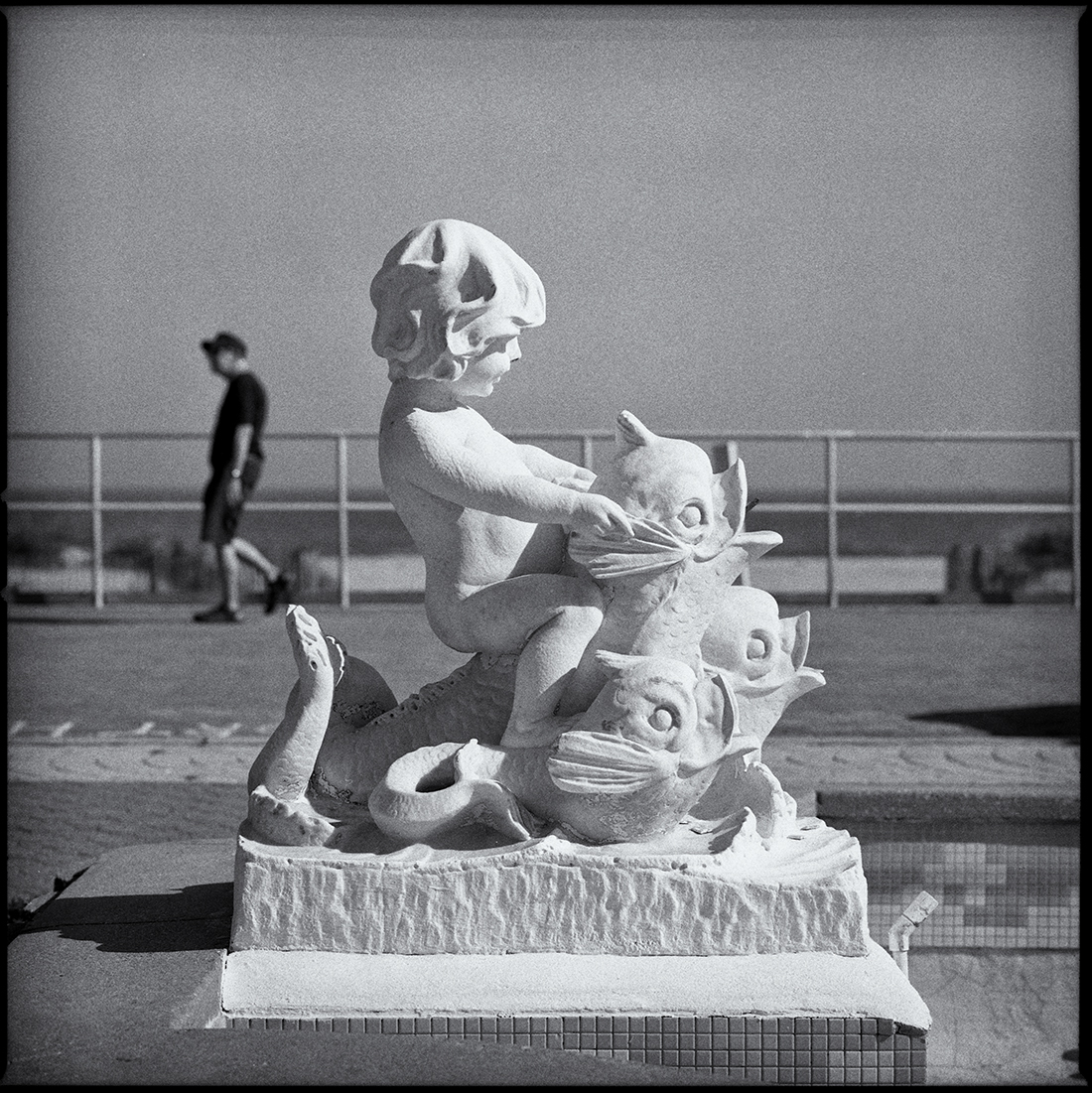
I spent my summers in Bradley Beach as little kid in the 1970’s. It had a great influence on me, and when i return to Bradley I always get a tear or two in my eye from the sweet memories. This snapshot is the fountain on the board walk at LaReine and Ocean Avenue. All my life, I have seen this classic Jersey Shore fountain.

bradleybeach

Fountain, Bradley Beach, New Jersey.

I enjoyed making these images but what I learned was that the kit would be way too heavy. The Speed Racer bag is made for DSLR with a long zoom lens, while I could pack it nicely, the weight of that glass, especially the 50 and 150 was just prohibitive. The second problem I had with the film workflow, was the cost. I dropped off the roll of film to CRC on 22nd Street. They offer three levels of scans, 2.5 mb scans + processing would be $16.00. I know from experience, never ever get the low grade scan. The next was 15 mb for $30.00 per roll. Whoa, way to costly for me.


So I decided to pack my Fujifilm Xpro 1 and a few lightweight easy lenses and roll with that in Mexico. At least I got to make these two cool shots and dust off the Hassy. I still love that sound and dig the grain from the Tri-X.

Work from Day of the Dead 2016 will be posted soon. I took a year off the blog to see if it would change anything. The only thing it did was keep me off the screen and outside more.

~David


Fujifilm XF 18-135 3.5 ~ 5.6 OIS WR Lens Under a Tuscan Sun Review

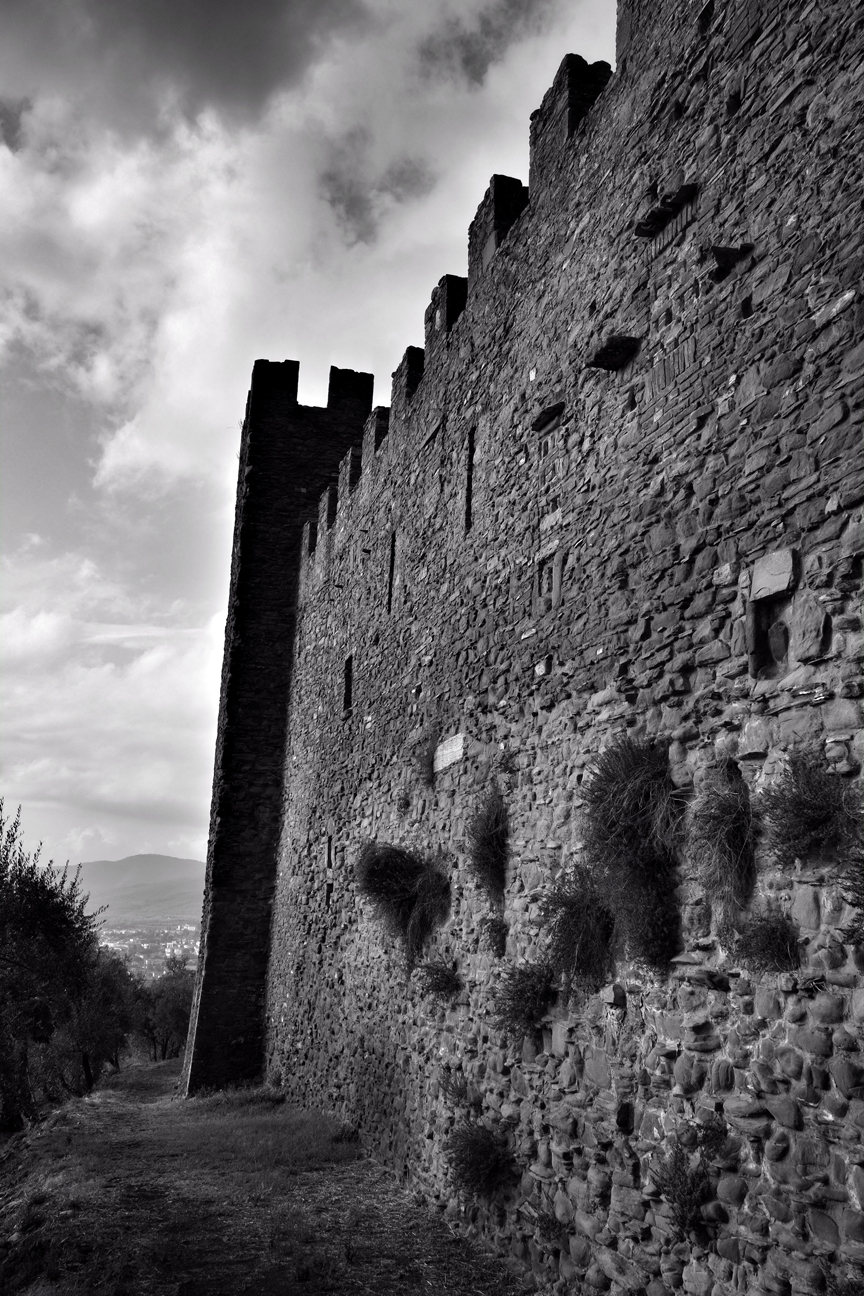
Zoomed all the way in, Castle Fiorintino. The sun was setting and it really worked. I had to pull over for this one.

Zoomed all the way in, Castle Fiorintino. The sun was setting and it really worked. I had to pull over for this one.

The Tuscan summer vacation always leads me to a mini photo project using specific gear. In the past years the cameras have been diverse such as the Instant Italy summer, using only Fujifilm Instax cameras. Other times I had the pleasure of weeks resorting only to Deardorrfs and Hassalblads, Nikon rangefinder and toy cameras and of course the summer of water color not using a camera at all. This year since a Tuscan darkroom is available after setting one up last year, I knew I’d grab a film camera and using periscope (the social media livecast software), it was decided that the Zeiss Icon 535 medium format would be employed. But I did want a digital, and after the past year of using the cream of Sony’s crop of cameras I was distraught on what to use.

The light in the kitchen is always perfect. Processed in Snapseed.

The light in the kitchen is always perfect. Processed in Snapseed.

On my shelf, gathering dust was my trusty Fujifilm XPro1. I was down to only two lenses, the 18 and the 35. Why was a layer of dust on it? Well for one, this past year as I said I had been using what I would call, Ultra Modern Digitals, in particular the Sony RX series and a few short weeks ago, the brandy new Sony A7rII. Scroll back on this blog to see the many posts about these cameras.

18mm range and nice and wide. Processed in Snapseed.

18mm range and nice and wide. Processed in Snapseed.

Handling the XPro1 was a joy as it always has been. With its viewfinder allowing the option of analog or digital, the classic rangefinder look, the fit and finish and of course, the solid click of the shutter I resolved that I would bring that. But I must say, I know those two lenses inside and out, just like I know Cortona and the local country side, and I needed a new lens to inspire the exploration with the Xpro1.

Cortona and heavily processed in Snapseed.

Cortona and heavily processed in Snapseed.

So I reached out to my Fujifilm connection and long time friend and photo confidant, Brandon. He replied to my text contritely saying, “or be so not Dave and do a crazy zoom 18-135”. Sometime over a year ago, Fujifilm unveiled a “super zoom” that was weather proof and a slight departure from the old school primes that preceded it. For one, it is an image stabilized lens, and secondly the aperture ring while being where you would expect it, near the lens mount, is electronic. It’s not a small lens, and on the camera takes the compact Mirrorless and makes it DSLR size. The aperture is a variable f3.5 at 18mm and at 135mm is a slow f5.6. I figured the best way to deal with the slower zoom was to keep the stabilizer on and reset my auto iso settings. Jumping into the menu I selected 200 to 6400 auto with a min shutter speed of a 1/5th of a second (taking into account the stablizer).

Amazing I was able to catch focus, that's what 3 years with this camera does to you. Wide open and zoomed in, processed in Snapseed.

Amazing I was able to catch focus, that’s what 3 years with this camera does to you. Wide open and zoomed in, processed in Snapseed.

Brandon explained the weather proofing as ingenious. The back of the lens has air conduits built into it for intake and exhaust. This keeps dust inside the lens or pushed out of the lens, and not on the sensor. A fear of long zooms is the vacuum they create as they are zoomed. Fujifilm engineers figured a work around this inherent problem and I had no issues what so ever with dust contamination on the sensor.

Around 80 mm and wide open.

Around 80 mm and wide open.

I enjoy using the lens. It’s a big beast for sure, but by strapping the camera on backwards to my shoulder, the lens tucks nicely into the nook between my but and flank. How about performance? The images will speak for themselves. I found the images tack sharp from edge to edge. Shooting wide open on the wider focal lengths makes for a lack luster bokeh, but certainly at the tele settings on close up subjects, the bokeh improves. It’s no 35 f1.4 for sure, but the flexibility of the zoom overrules that objection quite nicely. Don’t buy this lens for sweet out of focus blurry for and back grounds, buy it to pull in distant details- of which it will do very nicely.

Winter is Coming.

Winter is Coming.

Those steps are special to me, in 2003 that was Barbara and I walking down them freshly married.

Those steps are special to me, in 2003 that was Barbara and I walking down them freshly married.

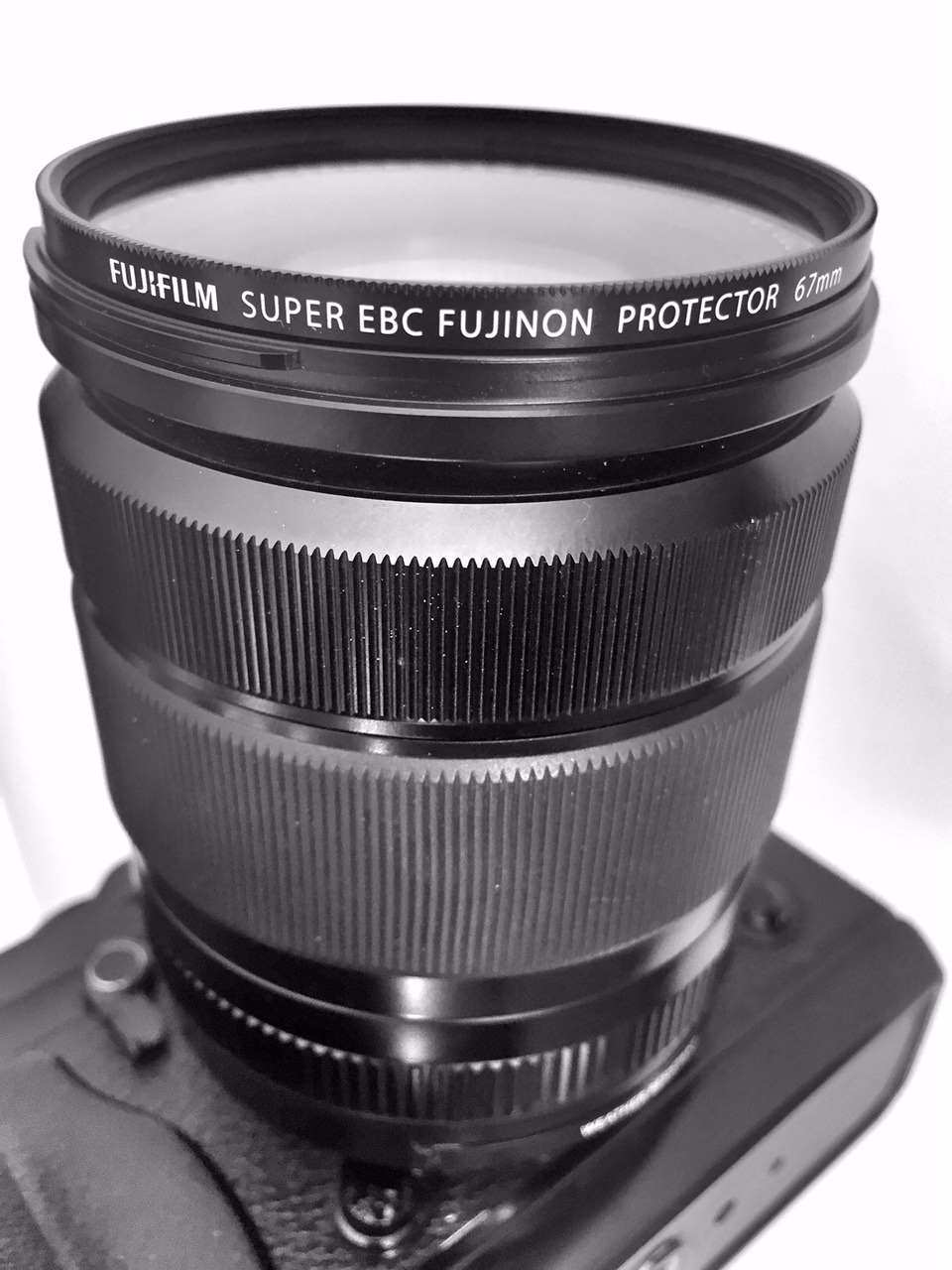
Also Fujifilm is now offering a line of filters. They are made of metal (not brass) and feature glass Fujifilm Super EBC coated optics. They are not thick and burly B&W filters, but inexpensive and well matched to the system. I would match them to any lens purchase I will make in the future. The threads are perfectly suited for the other lenses in the line up.

Fujifilm Branded Filters for the perfect fit. Shot with iphone 6

Fujifilm Branded Filters for the perfect fit. Shot with iphone 6

A crazy zoom, OK I like it!

~David

Performance
Focal Length 18 – 135mm
Comparable 35mm Focal Length: 27 – 206 mm
Aperture Maximum: f/3.5 – 5.6
Camera Mount Type Fujifilm X mount
Format Compatibility APS-C
Angle of View 76.5° – 12°
Minimum Focus Distance 1.48′ (45 cm)
Magnification 0.27x
Elements/Groups 16/12
Diaphragm Blades 7, Rounded
Features
Image Stabilization Yes
Autofocus Yes
Physical
Filter Thread Front:67 mm
Dimensions (DxL) Approx. 2.98 x 3.85″ (75.7 x 97.8 mm)
Weight 1.08 lb (490 g)

Casa Toscana and the Object Project

clock

The Object Project:

Things, tokens, neat items, nick knacks, jewelry, ephemera, and other personal treasures or just plain stuff can make a great project with an interesting narrative. Follow your instincts on the selection of items, but make sure a strand of relativity is connecting to each object. Choose a background to photograph the subjects which can be something as simple as a colored seamless background, fabrics, a table or a wall. Use you have access too, even shooting straight down to objects laying on a soft bed of fresh cut grass might be interesting. What ever you choose as your background, make sure you use it for the whole series. Now photograph the items by utilizing a “still life genre” technique.  Feel free to be explorative by adding other elements such as flower petals, rocks, wood, toothpicks, or anything that “works” with the subjects.

Hasselblad 80mm 2.8 Distagon T* 120 Fujifilm 160ns

Hasselblad 80mm 2.8 Distagon T* 120 Fujifilm 160ns

box one from Casa Toscana Project

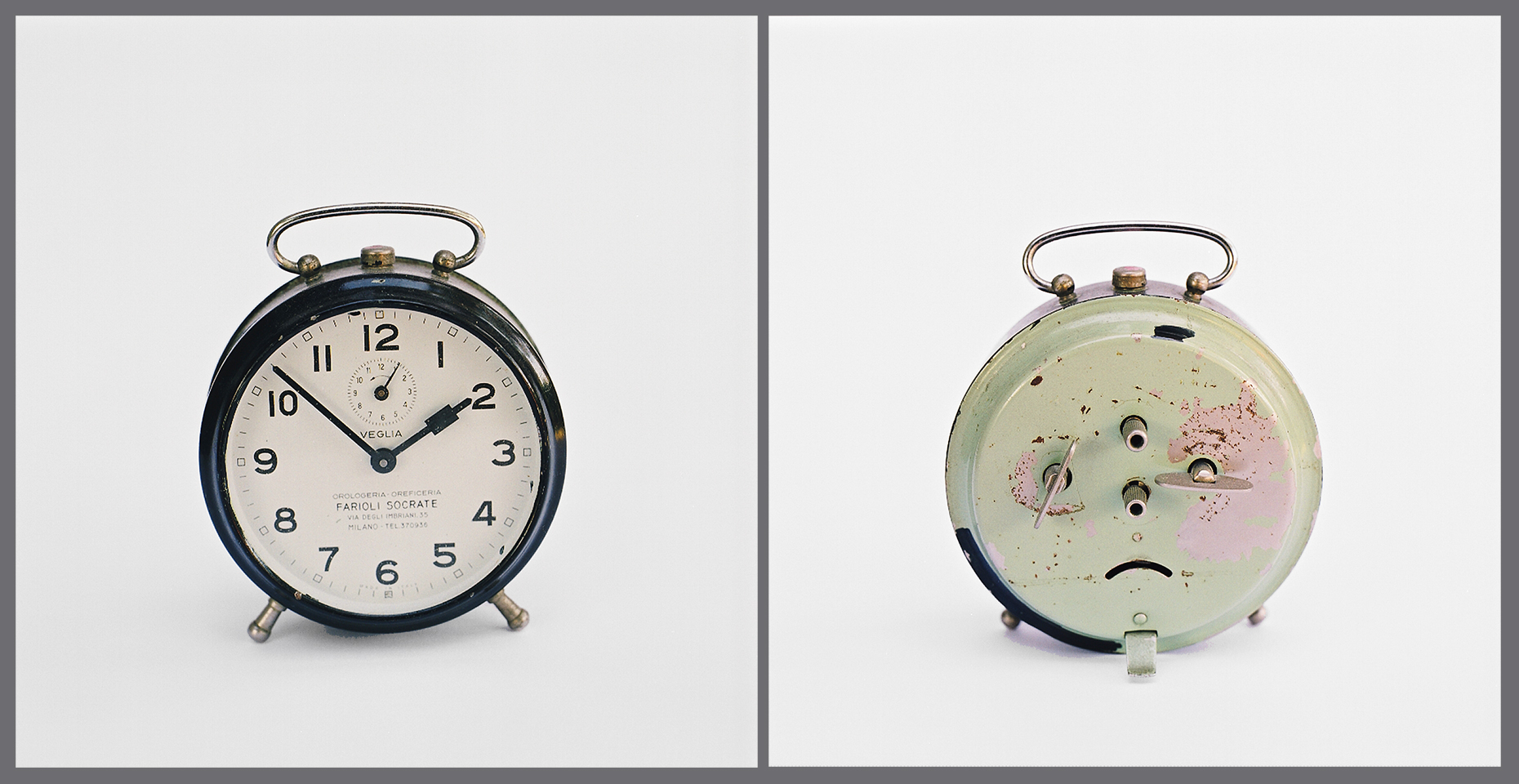
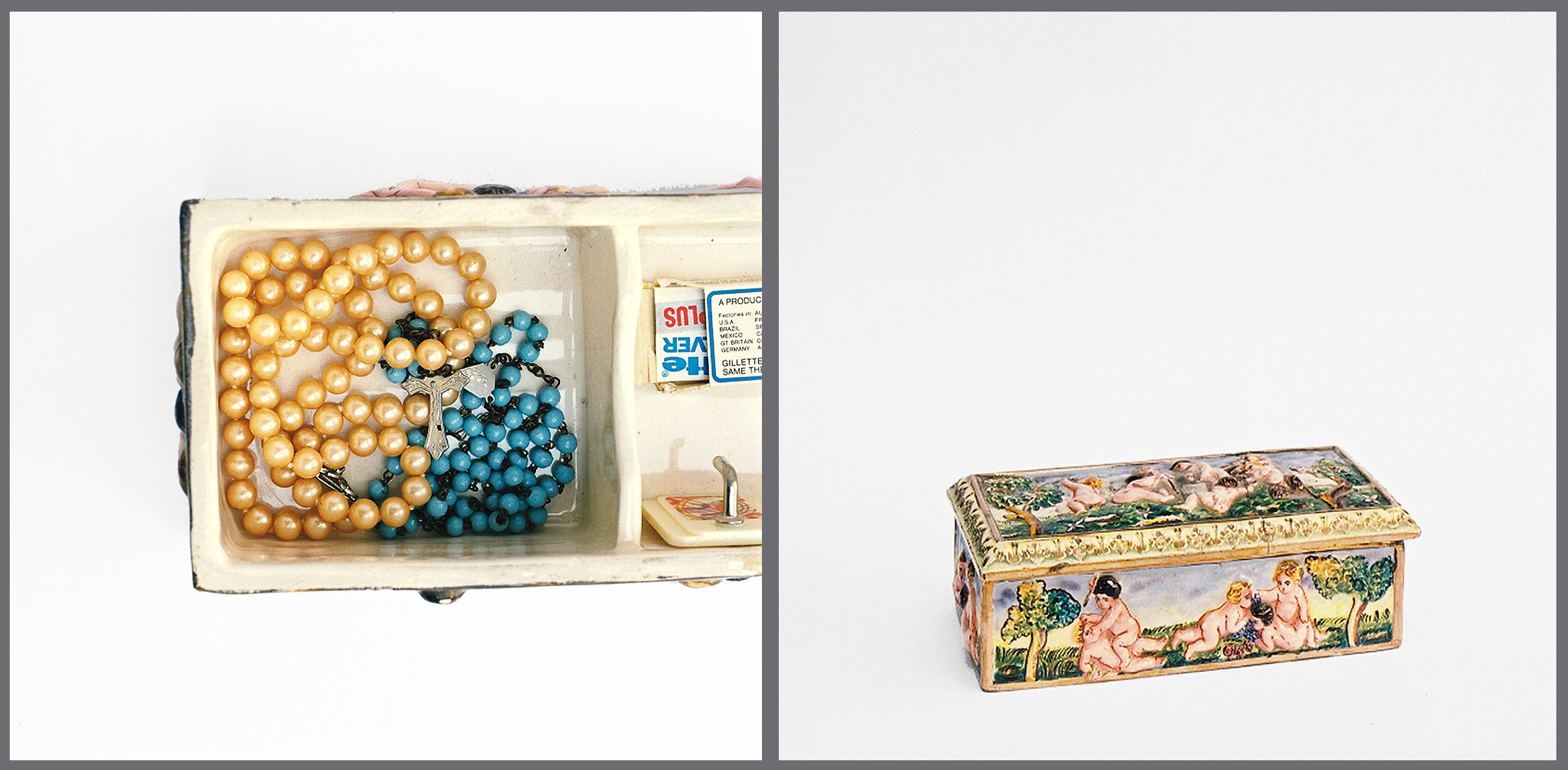
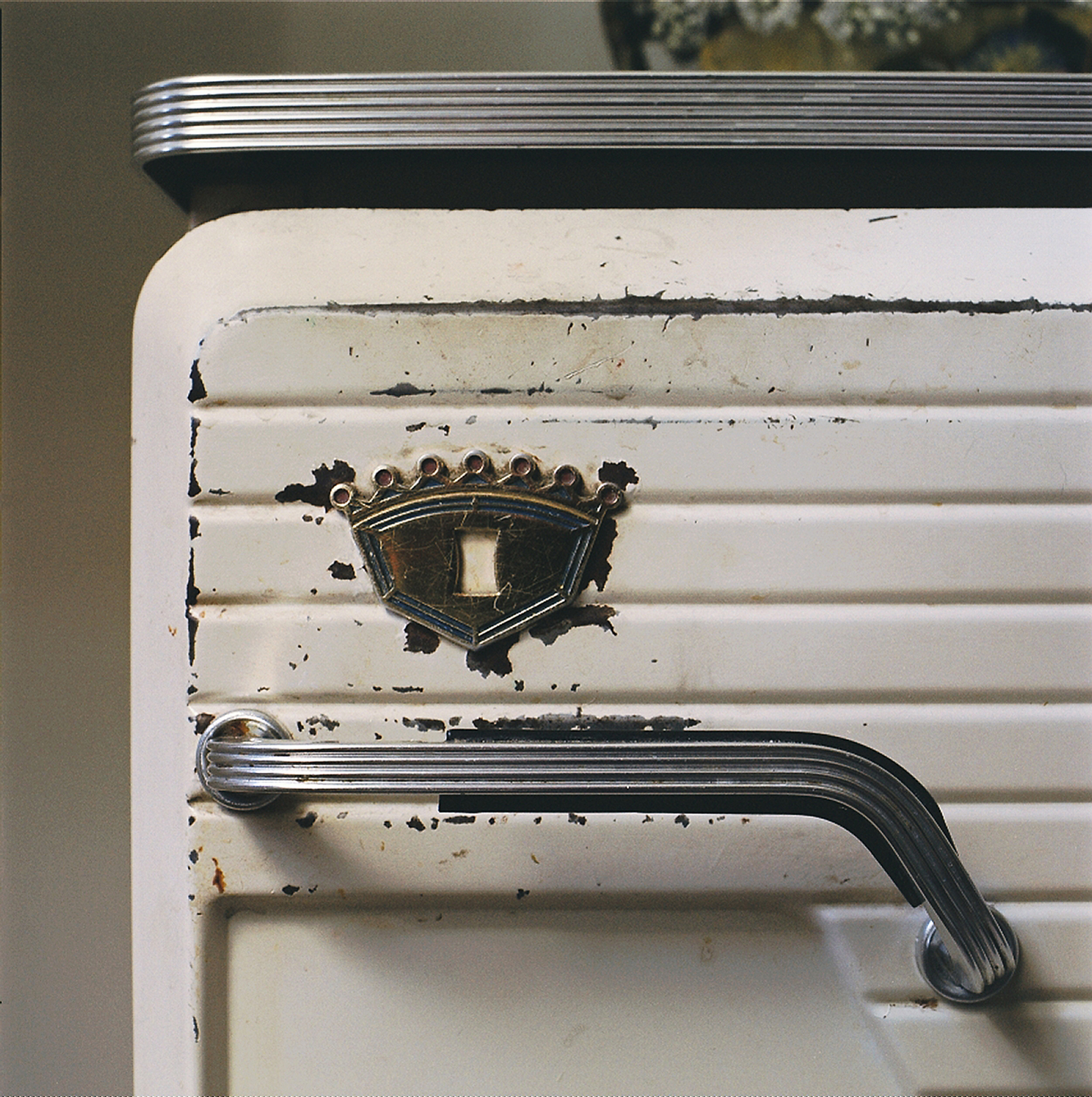
In my series Casa Toscana, I began by documenting the rooms of our home in Italy. I was enthralled by the light pouring into the rooms at different times of day and got very inspired to capture the nuances of the Casa Toscana. I would photograph the larger objects that were integral to the rooms, such as the vintage refrigerator or furniture. Looking closer I began to inspect drawers and boxes and set up a still life station to photograph these “house treasures” on.

espresso

They included a vintage telephone, an old book, a toy. In contrast to the intricate environment of the home, I took these objects and placed them on white poster board and photographed them in indirect available light. I began by taping the poster board to the edge of the table top along a wall, and then taping the top of the board to an outside wall in indirect light. I easily created a “seamless” white background. The objects sit in a neutral white space that was clean and neat. Each object had an unspoken story that it was able to communicate, and also served to break up the projects direction that was a study in rooms, compositions, and light.

the old frigo

sewing_kit

bricks2

When I returned with this work to NYC I had the film developed and scanned. I’m not too thrilled with the scans, but I was able to create a stunning blurb book on the project. The overall idea really turned into something much more than I had planned for. I gave a copy of the book to a few members of Barbara’s family and it brought some to tears to eyes of a special few.  That’s how you know you did a good job, when you make the client cry. Please take a look at my Blurb Book Store to view the book and yes, it is available for purchase. I have a full preview of the book set up, so you can check out the whole story and all the images. The book is 111 pages!

jug

So what are you waiting for? Get out there and start shooting objects… and put it in a project.

~David

All images shot with a Hassy and the 80mm f2.8 or the 50 f4.0. Film was Fujifilm 160NS and scanned at time of development. One note I have to make, I was never happy with the scans and I got lazy and had the lab do them. Normally I would bust out the Epson V750 and do it myself. I learned a lesson, the more you have your hands on it, the better the final result will be.

DSLR is Dead, Long live DSLR

Gene Simmons of Kiss, still spewing blood after 40 years.

The grumblings of this rumor started with my friend Brandon a few weeks ago. We’re both “photo industry” guys and we are privy to charts, numbers and insider information (of course this is photo industry insider info so we wont be chillin’ with Bernie Maddox) about cameras and the technology that drives them. In the past few days after the big Photokina show (photo industry trade show in Europe where half the new camera’s of the year are announced) a flurry of “Mirrorless” cams were announced. Also back in January 2012, photo blogger and all around good guy, Trey Ratcliffe posted “DSLRS are a dying Breed”. Seems a lot of attention is being mentioned online about the future of camera gear and it seems the poor old DSLR is getting it’s mirrored rump slapped.  However, I disagree whole-heartedly with these predictions.  The DSLR is a vital tool in photography, it has its place and shant be replaced with a Mirrorless camera they way the DSLR made the film based SLR obsolete. On the contrary, DSLR lenses and functionality will continue to increase and become much more popular as the coveted full size sensor becomes more affordable. For a long time I believe, at least a few more generations of photographers. Many of my students ask which is better? I don’t believe one is better than the other inherently, but which is better matched to the user. I do get rankled when I hear that DSLR is dead. I think far from it. Very far, like galaxy far.

First I’m going to characterize the users, the photographers who will be making images so we can establish what they need. The first letter will act as code applying to the following lists, the strong points and weak points of DSLR vs. Mirrorless and which photographer can benefit. This is a very fair way of evaluating the merits of each class of camera.

Types of Photographer

<PP> Pro Photographer: Someone who pays for their food and shelter with money generated by photographs they make. In most cases, they will specialize in genre such as journalism, fashion, portrait, event (weddings and such), sports, commercial (companies need photos of all the time), fine art, and the a common one, the “freelancer” who will shoot just about anything to make buck. Often they may have studied photography in school and fallen in love with the medium. Pro Photographers often blur the lines teaching, lecturing, testing and taking on new projects as they present themselves. But for all, this is their primary source of income.

<AH> Advanced Hobbyist: Someone who loves photography including the images, the gear, and the simple act of clicking a shutter and capturing a slice of time and place. They can be fanatical in their pursuit of photography. They purchase the latest gear, they take photo trips and join clubs and enter photo competitions. If their 2.0 minded, they might also have a heavy online presences with social media such as Flickr, Pinterist and such. I’m also going to put the fine art photographer in this category. The emphasis is on vision with a solid versatile camera for the needs of these shooters.

<CS> The Casual Shooter: They would never call themselves a photographer, they just seek to document important people and occasions in their life. They are the vacationers, family, and friends. They are not usually artistic nor the have the inclination to really care about the finer aspects of a good photograph. They often know a good photo when they see one, but their quest is to record a slice of time and place sharply, well exposed and with a minimal of effort and size.

What cameras will this generation be shooting with? BadAss I’d say!

Merits and Shortcomings of DSLR and Mirrorless

Long lenses: Long and fast telephoto optics is plentiful for the DSLR. Since these lenses tend be long and heavy, having a larger camera on the back of them really helps your maneuver the whole package to get what you want. PP, AH

Easy Ergonomics Due to Larger Size Camera: DSLR are indeed larger, and that can help by providing more space to put buttons and larger buttons at that. The Olympus Pen cameras in particular have very small and annoying buttons to navigate menu and camera features. Having a good grip on the camera can help make it more easy to use and less fumbling. This rings so true when working with heavy fast optics. PP, AH, CS

WYSIWYG or “What you see is what you get”: No matter how good a EVF (electronic view finder) is, your still looking at pixels. Movement, gain, grain is all presented in the viewfinder if your lucky and even have one on Mirrorless cameras. That archaic mirror reflex system found on DSLRs lets you see in analog, like the world was meant to be seen. I don’t want to compose looking at a TV screen, because that’s exactly what an EVF is, a miniature TV. I’d rather look at the real world when I’m making a photograph. I want to “feel” the place and find the image. I have never been a huge fan of video games and seeing the scene gives it more tangibility.  PP, AH

Pros shoot with Pro “looking” Cameras: Show up to shoot a wedding with the same camera that Uncle Bob has will make the Bride wonder why they are paying you the big bucks. It may be superficial to make this claim, but it’s true. There are different levels that a pro photographer can attain. Lets say the highest is shooting for Vogue, you will need to project an image to have access to this type of photography, and yes, a Hassalblad H4 will impress the art directors, models, and most important, the client. Show up with a Panasonic GH3 and your going to get laughed at. PP

Value: $500 bucks gets you a really nice DSLR. $3000 gets you’re an extremely capable camera. I think that there are great values in the range of DSLR’s out there. CS

Compact and Light Weight: For the photographer who travels, this is fantastic. Hauling around lots of heavy and cumbersome gear is annoying and for some folk prohibitive. Many of my female students have small hands, and the smaller cameras fit into them better. Some of my students have been older and between arthritis and other physical reasons a smaller camera is easier on their wrists and back. The photographer Bob Krist who is known as a travel photographer likes to use these smaller cams because he is restricted often by weight limits on bush planes. CS, AH (and sometimes the PP if travel is their specialty)

Performance vs. Cost: Bigger sensors provide more information and can yield a better image. Especially if your printing large or will be cropping. Larger sensors to tend to also have a greater dynamic range to capture highlight and shadows. As of 2012, it is less expensive to purchase a DSLR with a APS-C size sensor than a comparable mirror-less camera. The Canon Rebel T3  costs $479 which is the least expensive DSLR on the market. The least expensive Mirrorless that has a APS-C size sensor, the Sony NEX 5n is $499. All the other models of Mirrorless that have APS-C size or micro 4/3 are much more expensive. CS 

Lens Selection: You can mount more lenses without adaptors onto the DSLR system. While this may be true you may never venture out to using a 1970’s vintage Canon FD, Nikon AI or maybe that hip Russian Zenit lens. Mirrorless cameras can use various mount adaptors that can be costly but usually the focus will be hampered by the EVF. The only one that does it well is Sony with their focus peaking feature, but I don’t care to evaluate focus with shimmering white dot matrixes personally. PP, AH

Cool Factor: DSLR cams hearken back to the golden era of film based 35mm photography. There is nothing like making pictures with a SLR, the clicking sound, the heft of the camera and the strapping on of a camera that says Nikon. Mirrorless cameras are radical and hi-tech. they often don’t even look like a camera. AH, CS

Talk to the skull, er I mean hand.

I hope this post sheds light on the recent debate. As for me, I chose the Fujifilm X-Pro 1 mainly because it gave me parallax corrected viewfinder, performance, and size plus a whole lotta cool factor. I stand by saying that any camera in the hand of a person who has vision and some technical skill can make a great image from that camera. Can they make many? Then it takes the right camera to photographer combo.

The place is really jumping to the Hiwatt amps,
‘Til a 20-inch cymbal fell and cut the lamps,
In the blackout they dance right into the aisle,
And as the doors fly open even the promoter smiles,
Someone takes his pants off and the rafters knock,
Rock is dead, they say,
Long live rock, long live rock, long live rock

The Who

~David Brommer