Suspect Photography

words and images from david george brommer

Category: Suspect Photography Education

When is a Photograph Truly “Done”?

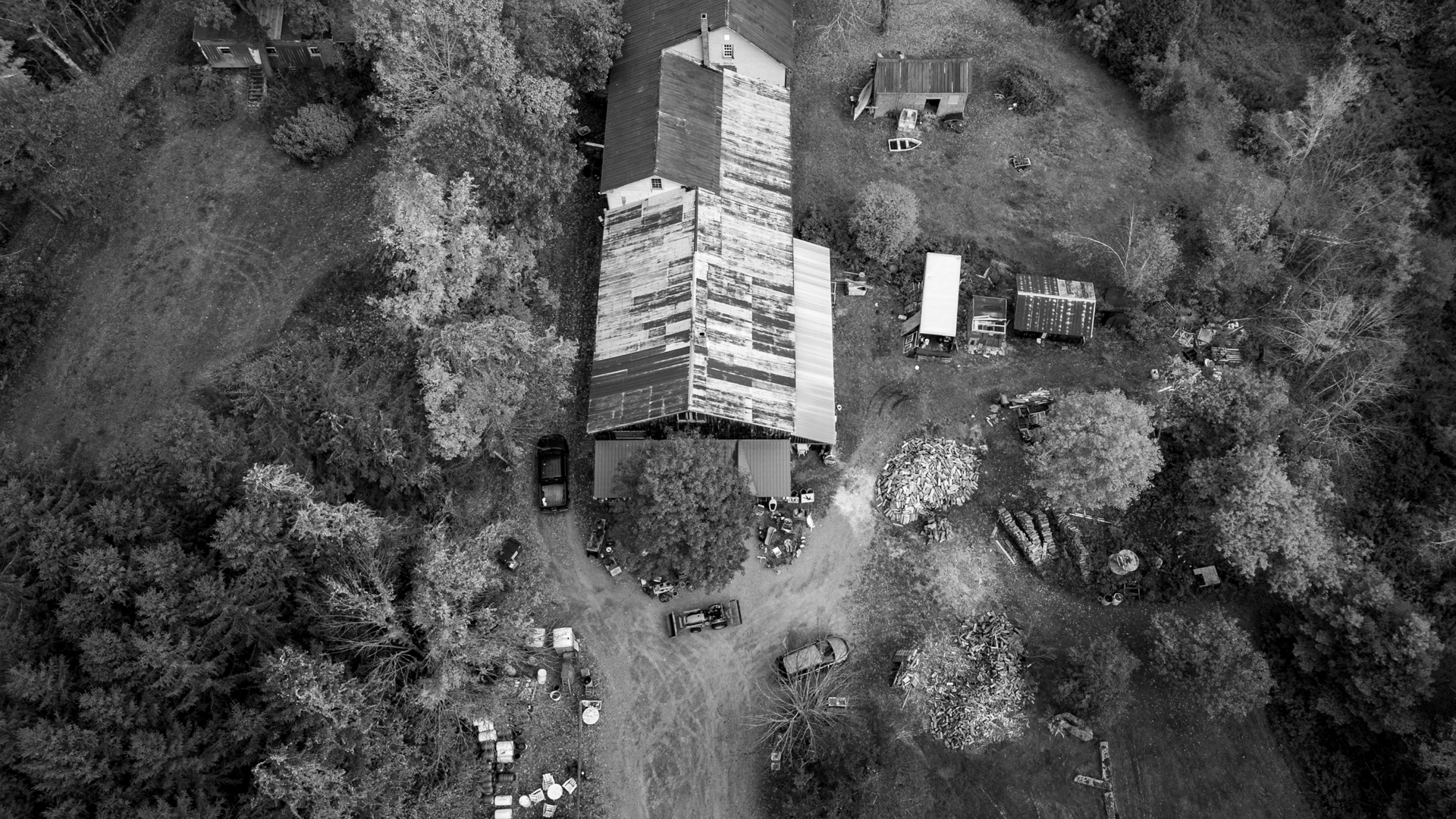
DJI Mavic Air 3 Tele Lens, Processed in Camera Raw- Ready to print

We’ve all been there: the meticulous packing of camera gear, the careful selection of lenses, and the anticipation of chasing light. We scout locations, wait for the perfect moment, and then, click. The shutter fires, the photograph is made, and a fleeting piece of time is frozen. But is that precise moment, that initial capture, when a photograph is truly “done”? Hint, it’s not.

For many photographers, the creation process of an image is far from over when the memory card fills. The initial capture is merely the spark, the raw material, a digital or analog negative holding immense potential. The process is a creative continuum that extends well beyond the field, into the necessary and transformative stage of editing. The digital darkroom is where your vision truly takes form; here you refine the light, enhance the mood, crop for impact, and bring out the crucial details that tell your story. This stage is essential in translating what you saw with your eyes to what you felt with your heart. It is the critical step of giving emotional intent a physical, visual language that speaks clearly to others.

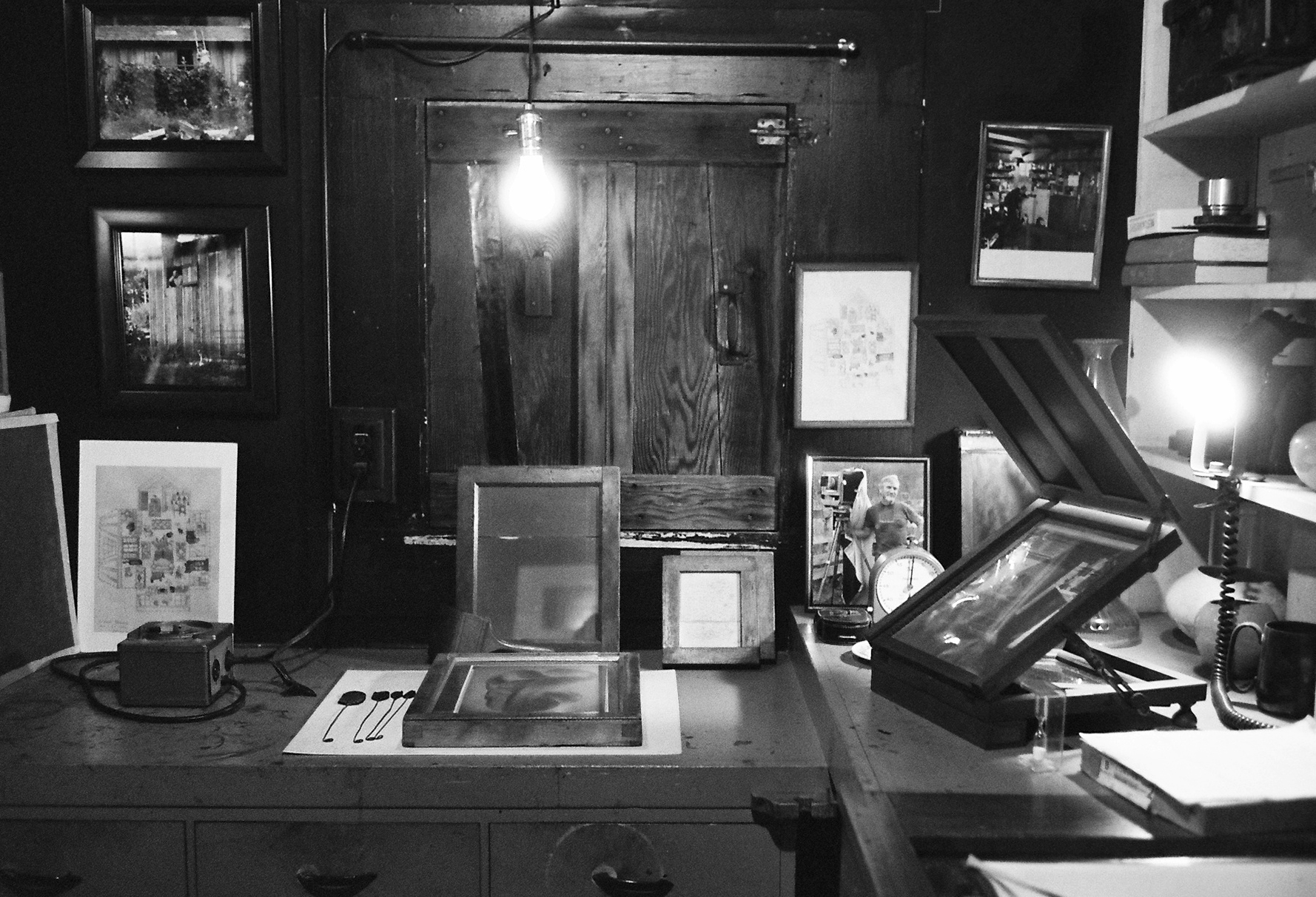
Edward Weston’s Darkroom

The final act of creation is the output, the moment you publish, print, or post your photograph to its audience. This is when the work moves from potential energy to a tangible reality. Is it a gallery-quality print, carefully matted and framed, ready to hang on a wall and command attention? Is it a thoughtfully placed image on a page in a book or zine, contributing to a larger narrative? Or is it meticulously prepared and uploaded to the web or a social media site, destined to connect with a global audience, spark conversation, and inspire? Once you put it out there, it’s essentially done.

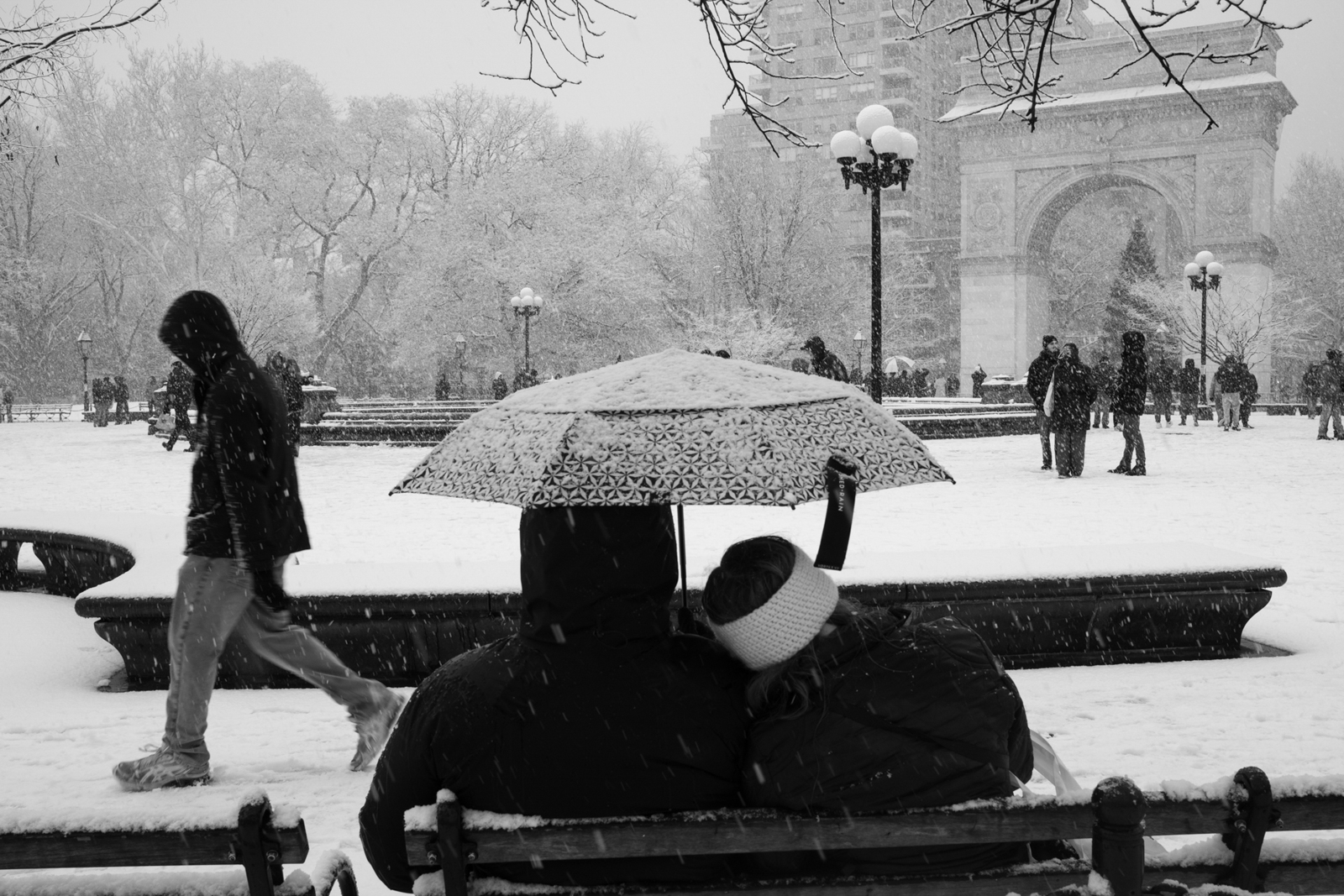
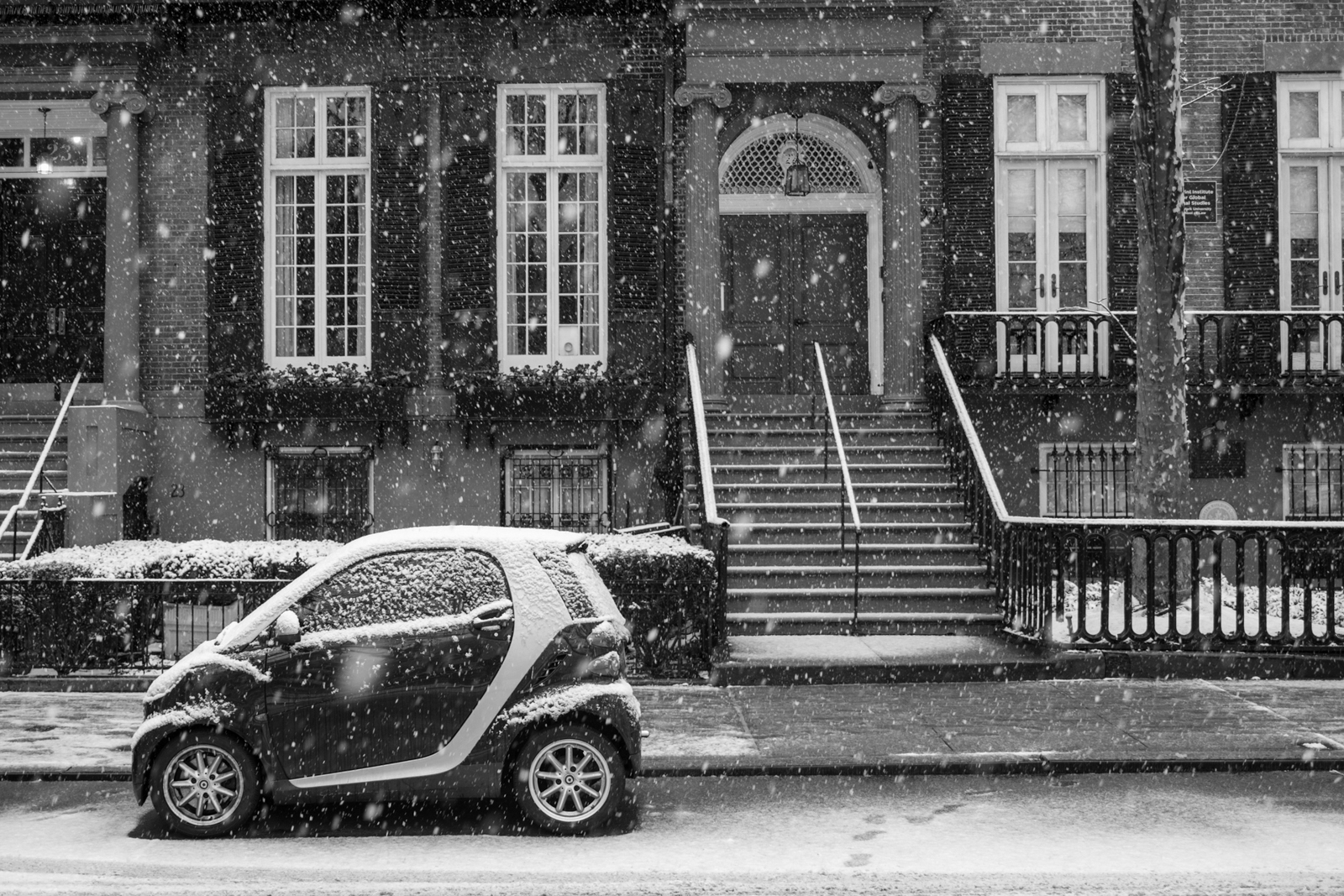
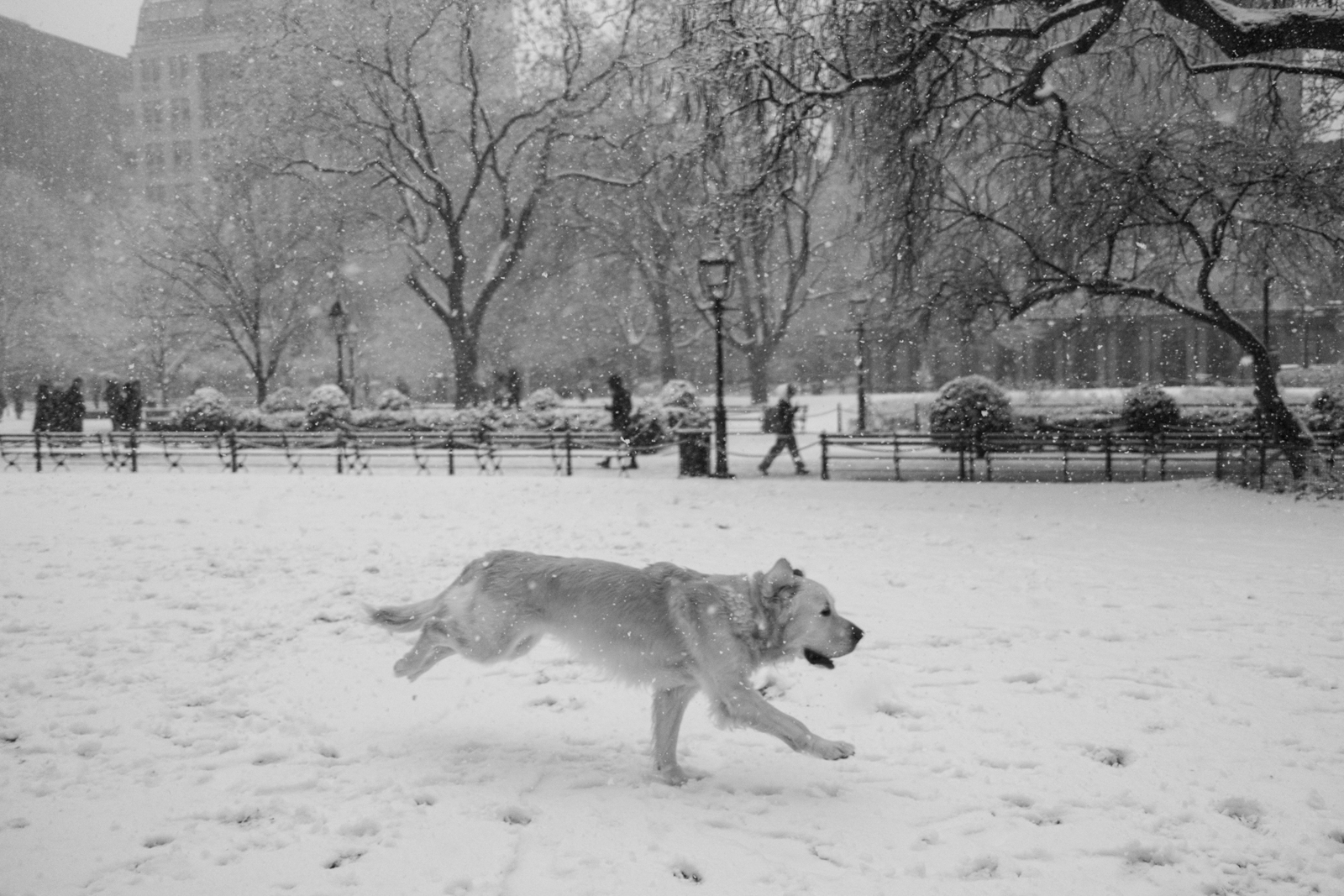
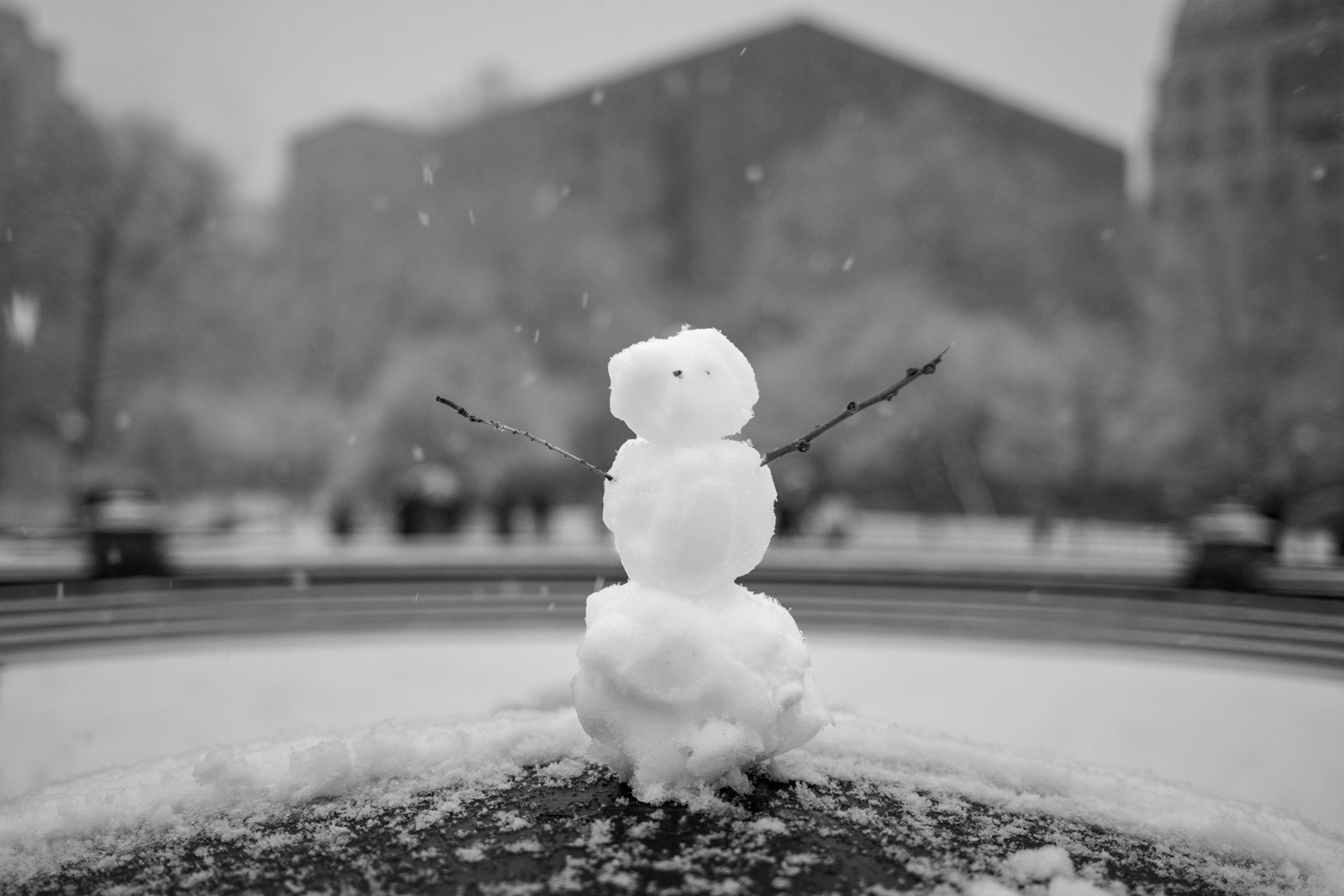
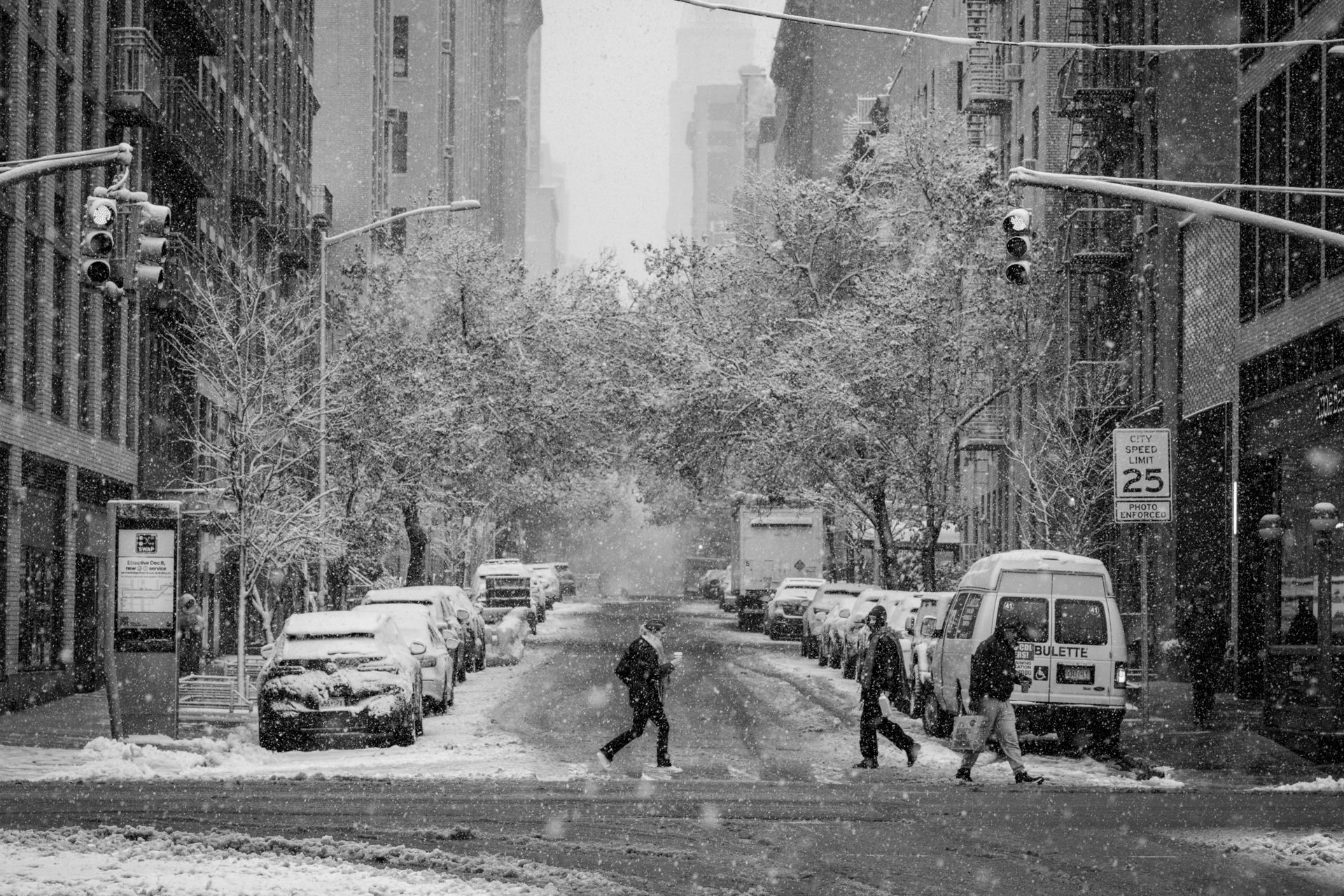
Snowstorm 8th & 24 NYC December 14 2026

A photograph isn’t merely “taken”; it’s made. It’s a process that begins with your intent as you pack your gear and culminates when it takes its final, finished form, ready to be seen, experienced, and remembered. Shared. It is done when you’ve expressed your vision to its fullest and prepared it for its intended destination, whether that’s a single discerning eye or the whole wide world.

Warning, continuing with this blog post might contain NSFW images.

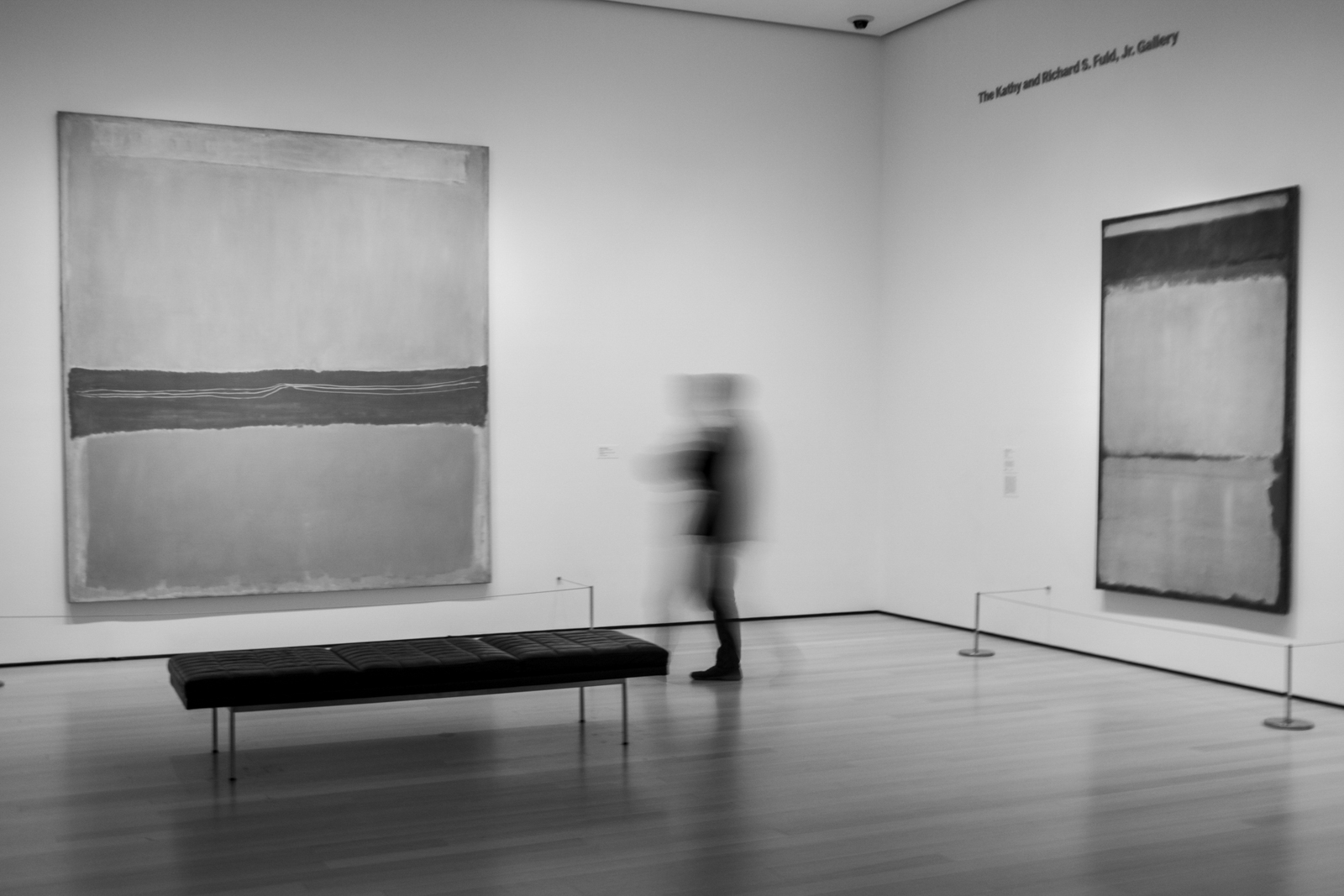
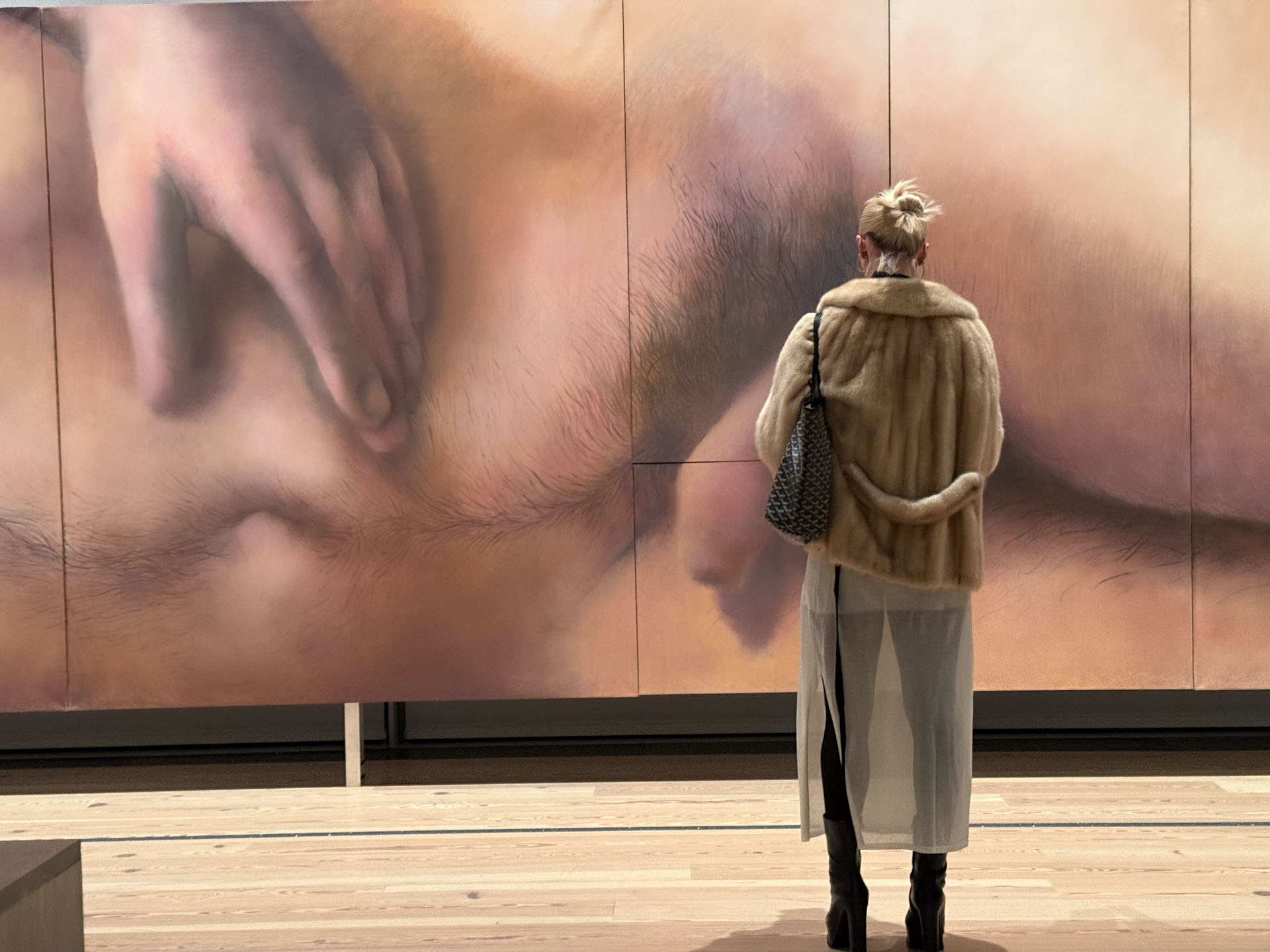
A few nights ago my wife Barbara and I attended the Whitney Museum of American Art’s holiday member’s night. When we were about to leave I reached for my Fujifilm X100mkVI and then thought better of it, we’d be going to dinner at Pastis afterwards and the camera would be a lightweight burden, besides, I have my trusty Iphone 16 Pro. What is the best camera? Yea, you know the answer to that if you’ve read this far into the article.

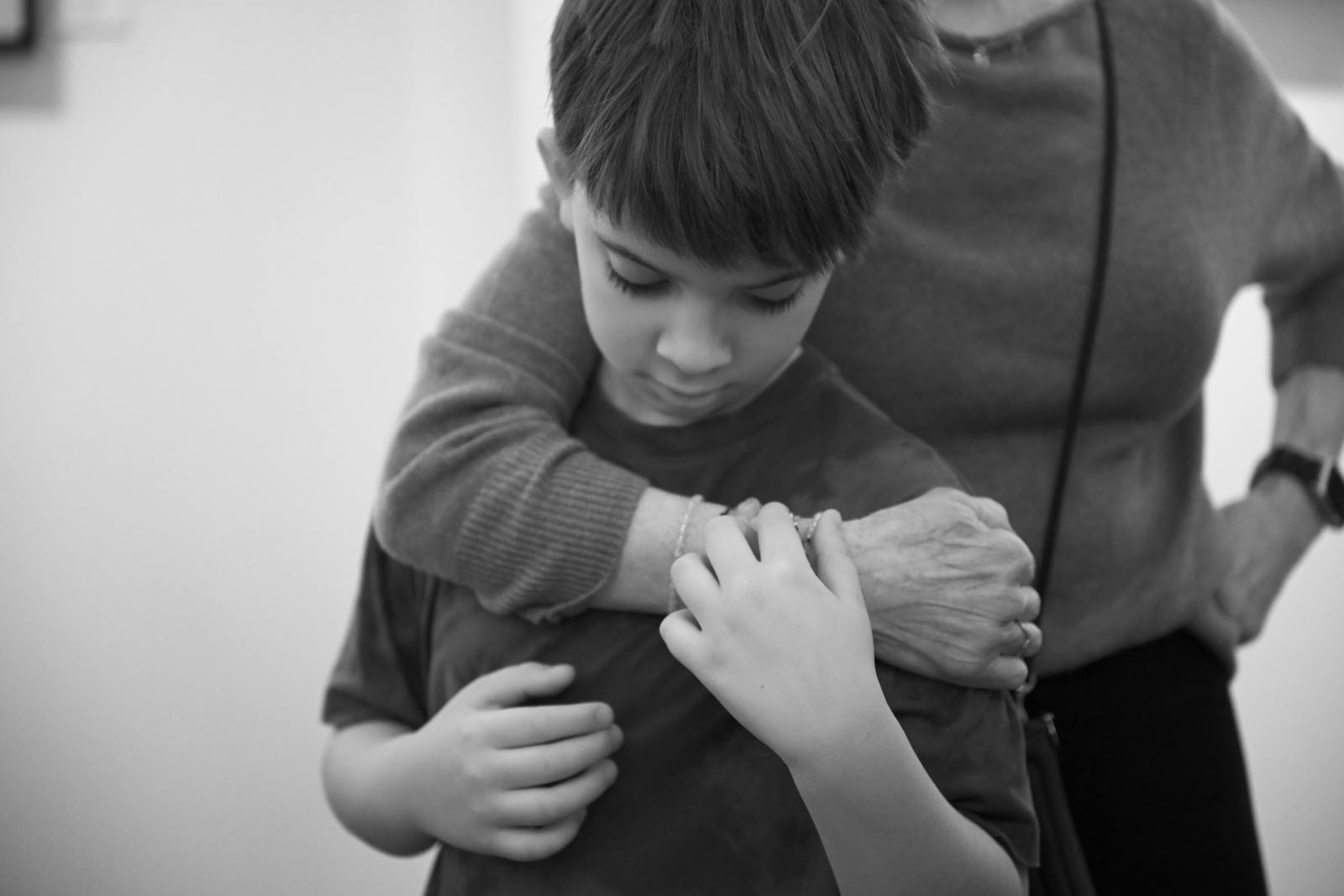
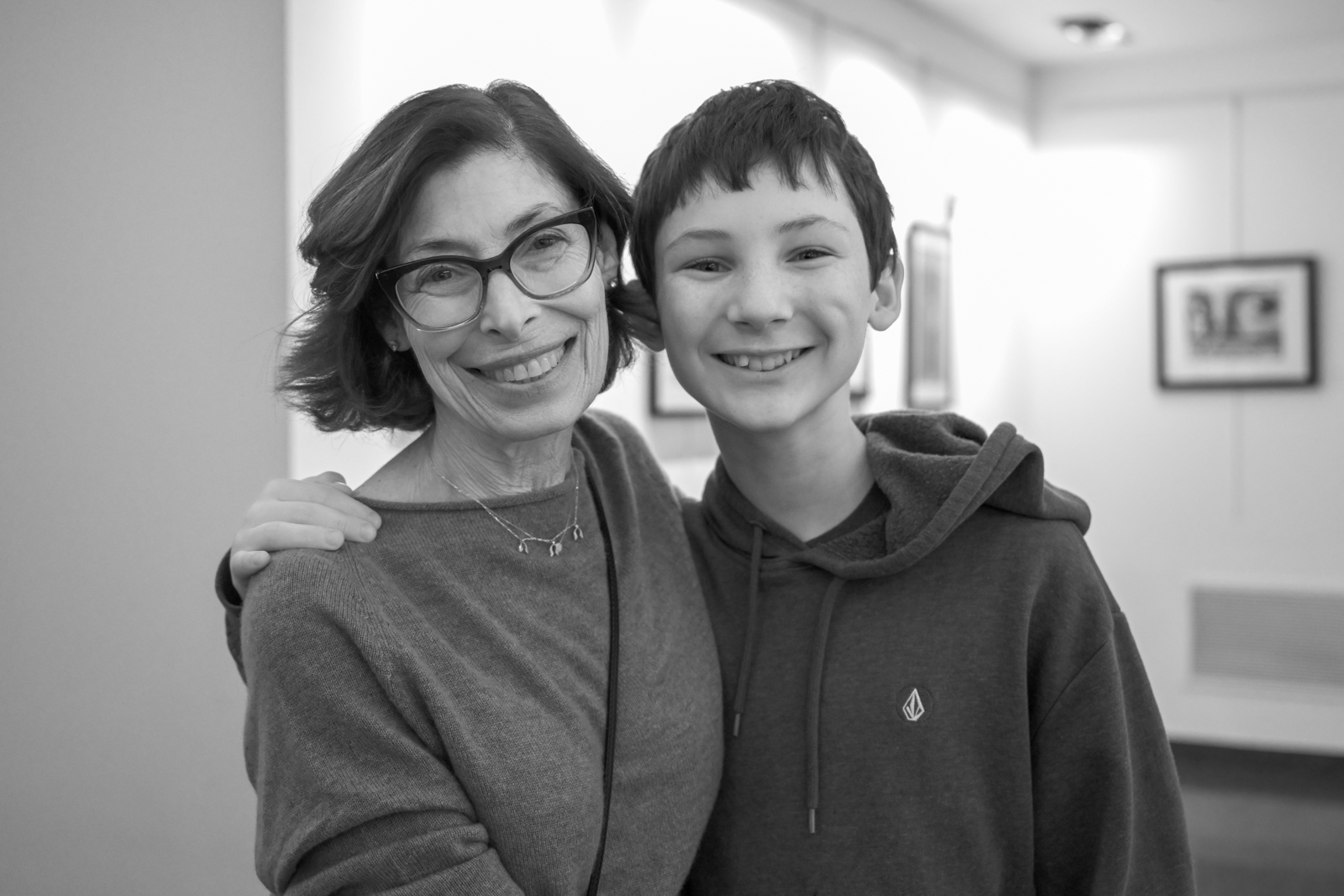
As we walked through the galleries, past surreal camels, we came upon this scene and I pulled out the iPhone and ran to frame and make this photo. The subject was standing still, admiring the piece and my usual luck is “get in position, subject moves out of position”. But not this time. I was able to make a few photos fast zeroing on composition.

Crooked horizon, poorly cropped feet.. my first shot was off.

Made some corrections and then she began to walk away. The window for this photo was over. However, due to all those years of making bad photos I was able to capture a good photo. Later that night I sat in bed editing the image in Apple’s proprietary editing suite and adjusted to this final image.

Was it done? Not quite yet, I then uploaded to my instagram and now….

The photo is done. See more on the Suspect Photography Instagram.

-David

Exploring NYC’s Fall Colors: A Photography Workshop

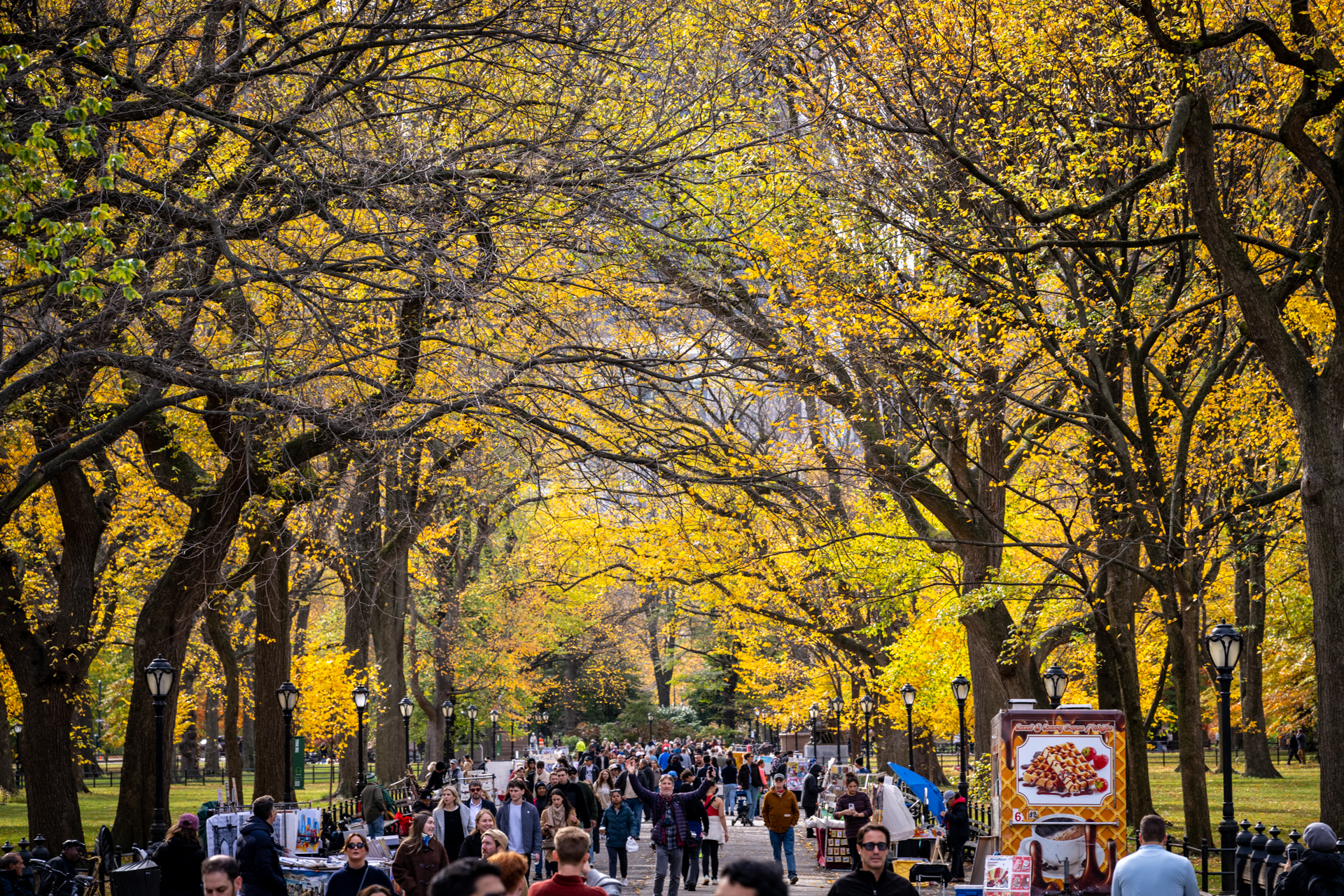
the Mall at Central Park is legendary

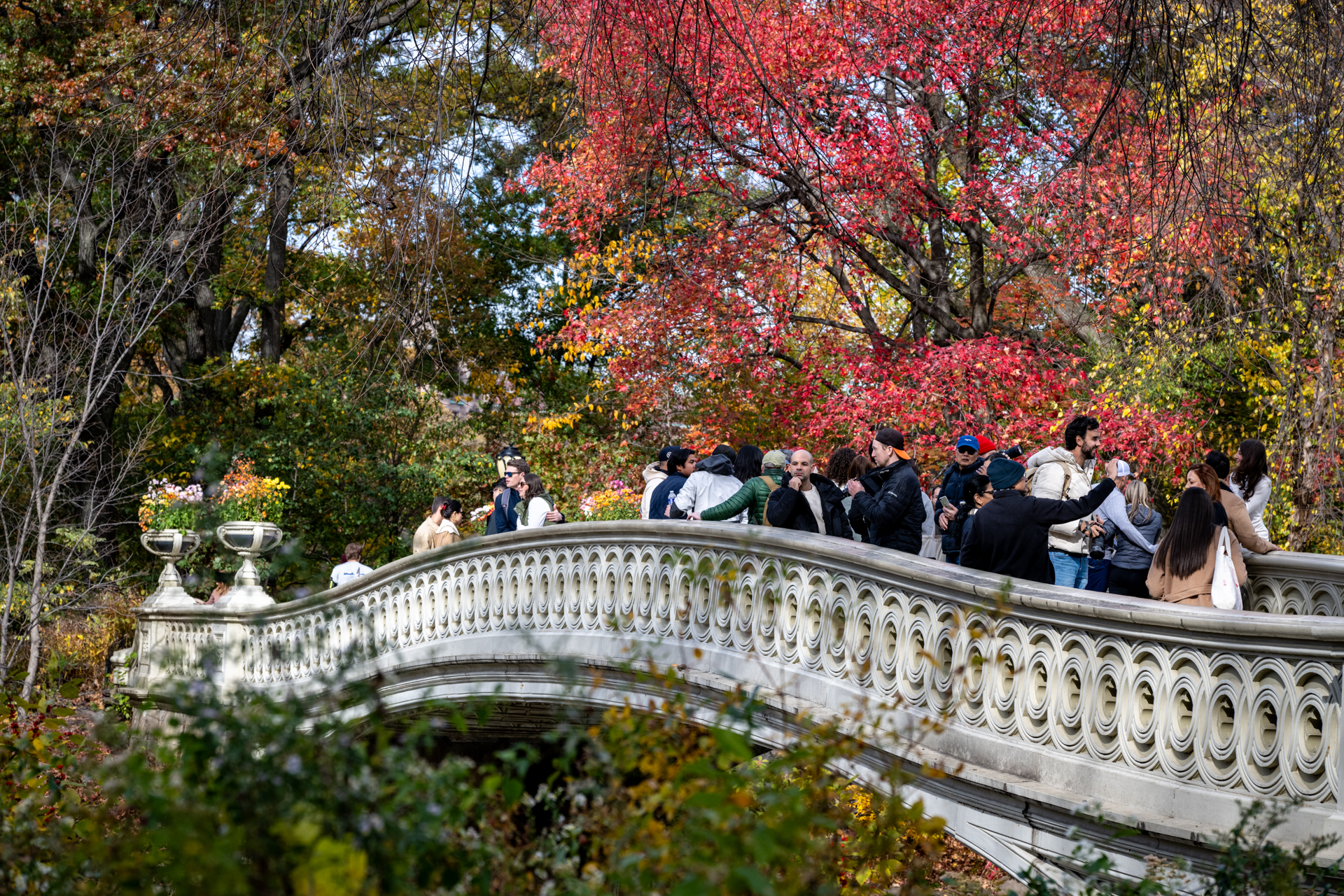
The Inaugural NYC Fall Colors and Shades workshop was an absolute triumph! Our class of five intrepid photographers crossed islands and boroughs, immersed in the brash display of predominantly yellow and deep red foliage that defined the season. This workshop was designed to challenge you to see the city in a new, integrated light, focusing on city parks (both large like Central Park & Governors Island, and micro-sized). We spent our days mastering two distinct and powerful aesthetics: the timeless drama of black & white and the stunning visual feast of fall color, capturing the narrative of the city through graphic lines, stark contrast, and the warm, rich hues of autumn.

Brandon Remler showed up and did our class picture in infra red

What an amazing three days! We concluded our journey through NYC’s most beautiful and compelling locations with a gallery-ready collection of stunning images. Our core focus on blending landscape and street photography allowed us to capture the quiet, timeless grandeur of Central Park’s massive oak trees, only to pivot and frame the fleeting, human moments of urban life. The assignments were met with incredible dedication, showing students expertly incorporating experimental techniques like ICM (intentional camera movement), Pans and specific concepts like thinking in triptych. 

Day One: Park Elegance and Museum Inspiration 

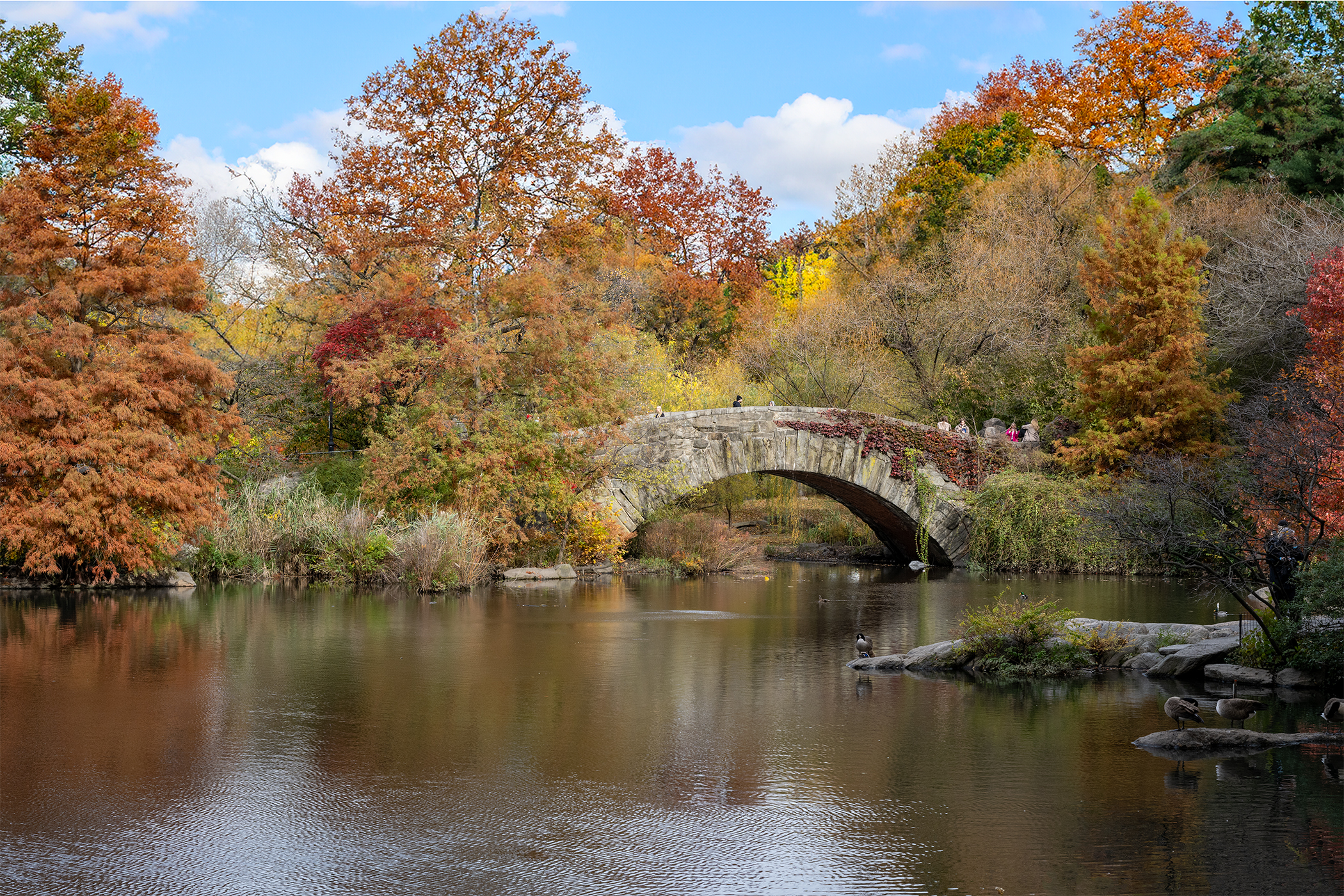
Using the Nikon Z9 14-24 f2.8 & 24-120 f4 made it easy to nail the “postcard” shot

Our first day was a study in classic New York elegance, beginning in Greenly Square and quickly immersing us in the golden light of Central Park. We circumnavigated the lakes, explored the iconic Bethesda Terrace, and captured the classic New York vistas. After a restful lunch, the Man Ray show at the Met provided profound inspiration, shifting our focus to stark contrast and surreal narrative. The evening culminated in capturing the warm, directional light of sunset at Cleopatra’s Needle, ending the day with dramatic, silhouette-ready images.

Day Two: Water, History, and Greenwich Village Grit 

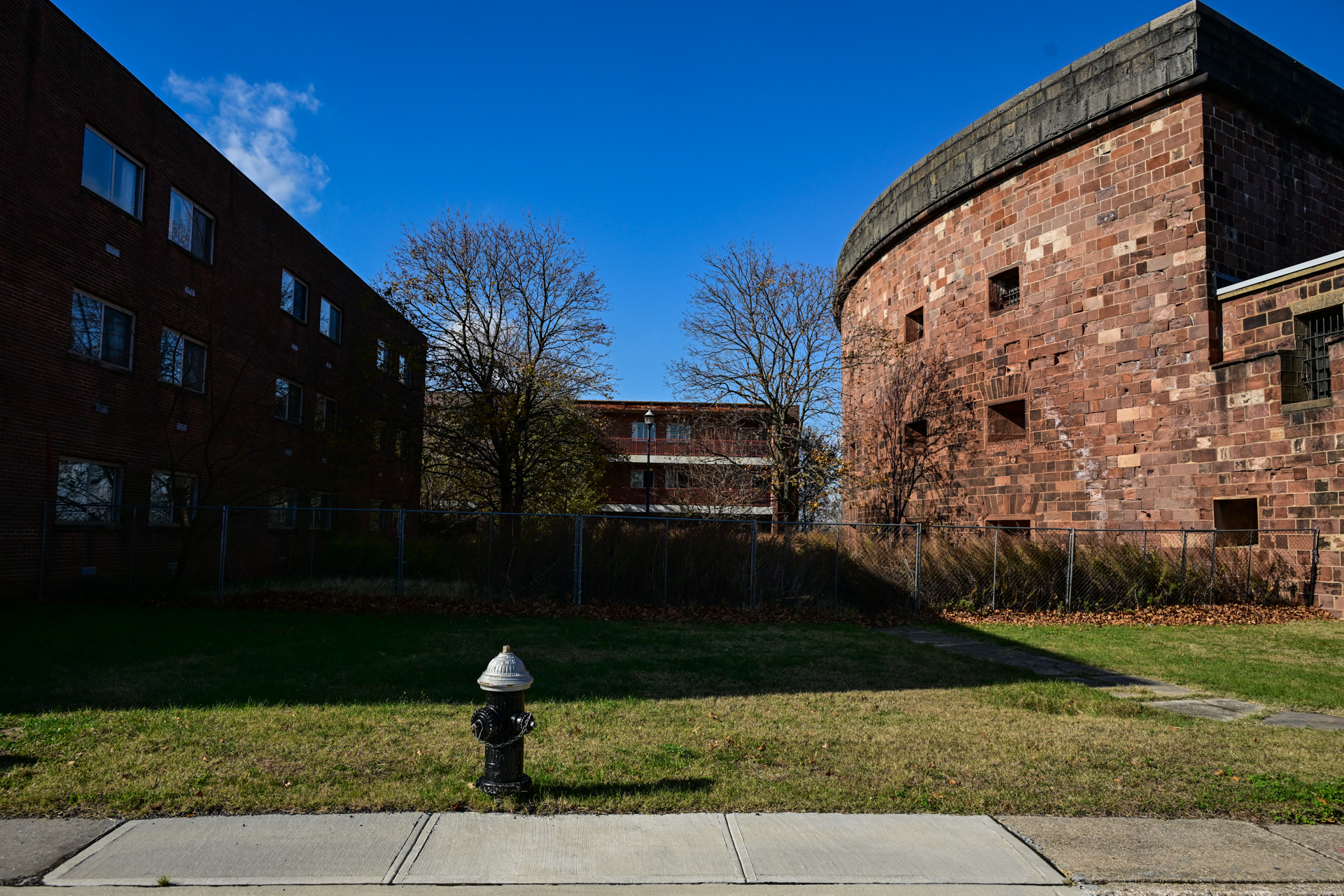
Govenors Island is a photo composition paradise

We kicked off Day Two with a nautical adventure, sailing out from the Battery Maritime Building to Governors Island. This provided essential, clear-air perspective on the Lower Manhattan skyline and Lady Liberty—a powerful exercise in urban landscape photography. Massive oaks with turning leaves in a maritime enclave was explored with an eye for ruinism. After returning, the focus shifted to “urban park” street photography in the Village. From the vibrant life inside Washington Square Park and across the village to Tompkins Square park’s skater haven, we explored the rich character to these parks, pushing our cameras to capture the fleeting moments that define New York’s personality on a perfect fall day. After dinner at Momofuko, we all began the task of editing for the next day’s critique session. 

Fishermen in silhouette with Lady Liberty in the background. How much more NYC can you get?

Day Three: Chelsea and the Hudson River Canvas 

Little Island is a city treasure- in all seasons but Fall is very special

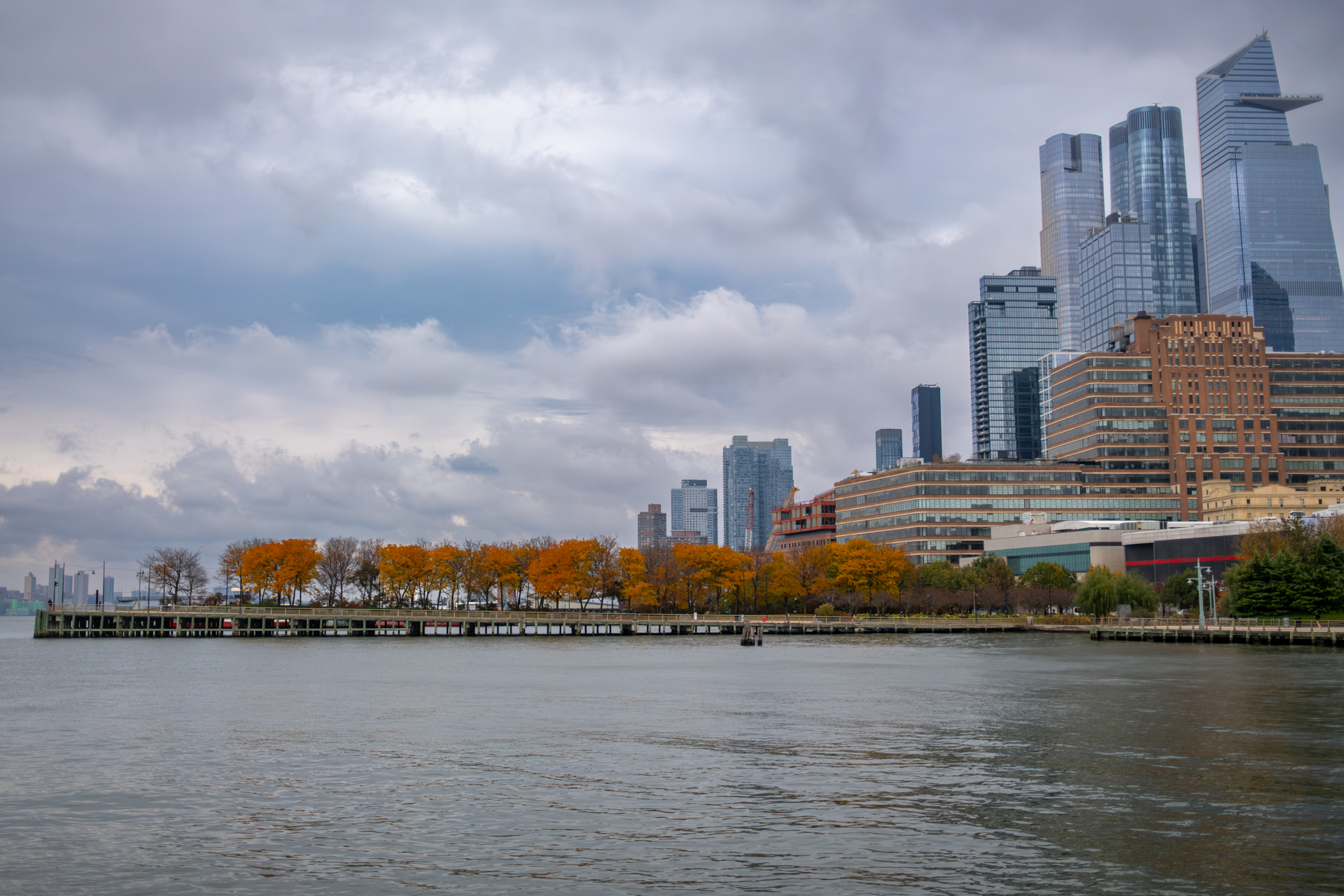
Our final morning began with bagels, coffee and an inspiring critique session, where the group submitted 12 final images, demonstrating huge leaps in editing confidence. Afterwards, energized, we took to the streets of Chelsea, documenting the architecture, townhouses, and creeping foliage. The afternoon was devoted to the waterfront, starting at the modern, organic architecture of Little Island and concluding with a walk on the High Line. This blend of nature and modern design provided the perfect final challenge, allowing everyone to synthesize the week’s lessons and complete the workshop with a fresh, comprehensive portfolio.

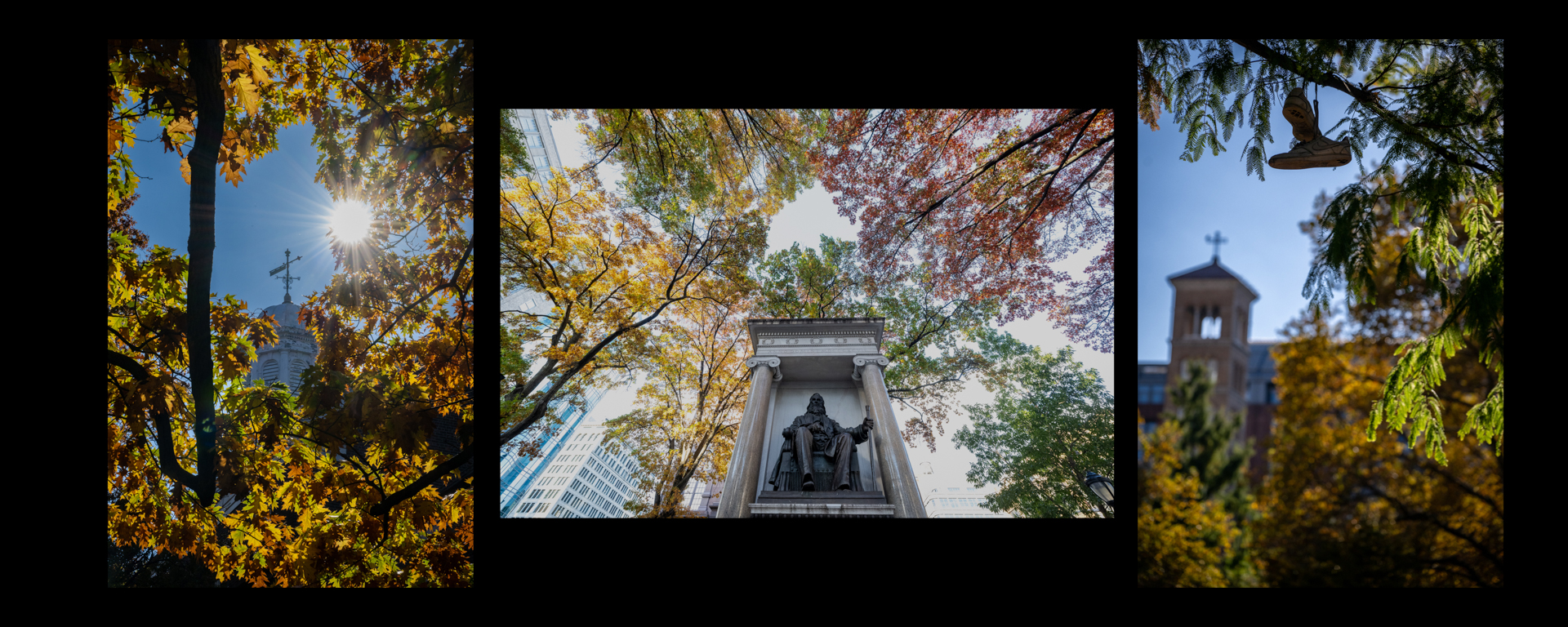
One of the assigments was to present a triptych of the days locations.

WORKSHOP GALLERY

I was pleasantly surprised at the adoption of color to my vision. I’ve been living in a black and white photography universe exclusively for the past decade when I swore off color. I really enjoyed seeking out the color of the landscape, as opposed to the contrast. I think this workshop has opened me up to a softer stance on making color work.

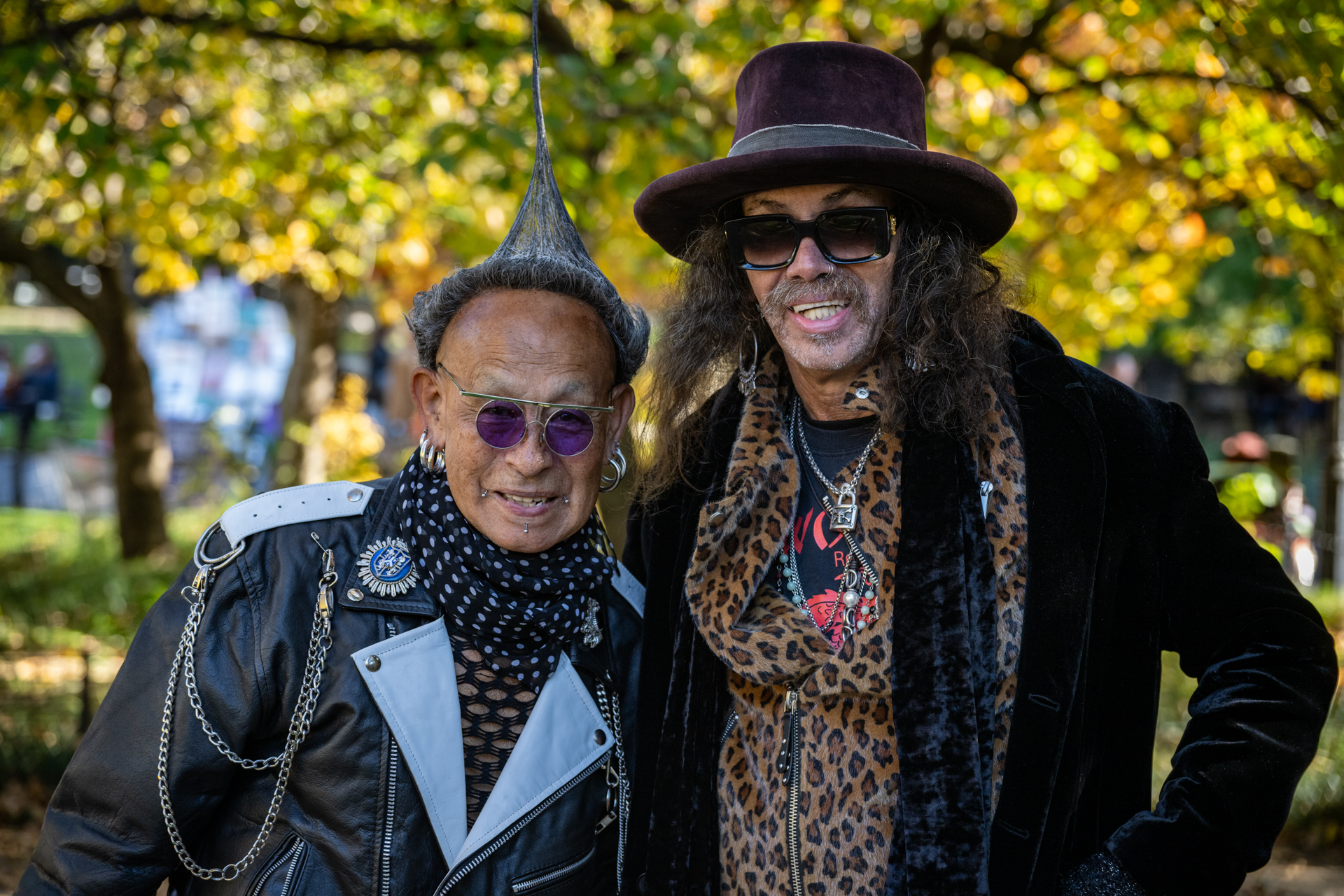
Washington Square Park Legend, Joey Chess

If you were concerned about my satisfaction with working in color, I did make a series of images in black and white during the three-day workshop. Yes, black and white does have its place in the fall colors. Long live the B&W image!

Having the Man Ray exhibit anchor day one was key, because one of the assignments for day two was to make an image in homage to Man Ray. It proved to be very difficult, but the class pulled through and leveled up.

We are repeating this workshop in 2026. I’m sure it will sell out, so if the above tickels your aperture, then hop on over the NYC Fall Colors & Shades 3 Day Workshop Home and seize your spot. Limited to 6 and will sell out as it’s priced with a good value.

November 6 – 8 2026

Mastering Photographic Styles: Insights from a Five-Day Workshop

I recently taught the “Finding & Developing Photographic Style” workshop for the second time, and it was a very positive experience. With only three students, the personalized instruction and individual feedback were exceptional, making it feel more like mentorship than a regular class. I am amazed by the students’ work over the five days.

Highlights of the Content and Structure:

The structure of the five-day workshop was superb, perfectly balancing inspiration, practical application, and in-depth review. The daily profiles of master photographers, such as Andre Kertesz, Helen Levitt, and Sally Mann, provided essential historical context and tangible examples of established photographic styles. This foundation made the field assignments feel more purposeful.

The itinerary was meticulously planned to maximize both learning and shooting opportunities. From the practical “Rock Leaf Tree” assignment on day one, designed to immediately engage  with editing and style deconstruction, to the stunning outdoor locations like Elmer’s Barn, Beauchamp Point, the Rusty Truck Quarry, we were constantly applying new concepts in varied settings.

Every Student got a turn at the control sticks of a DJI Mavic to explore Drone Photography.
Sending out the Drone past Beuchamp Point unlocked hitherto unavailable vistas to photograph like a Seagull at flight.

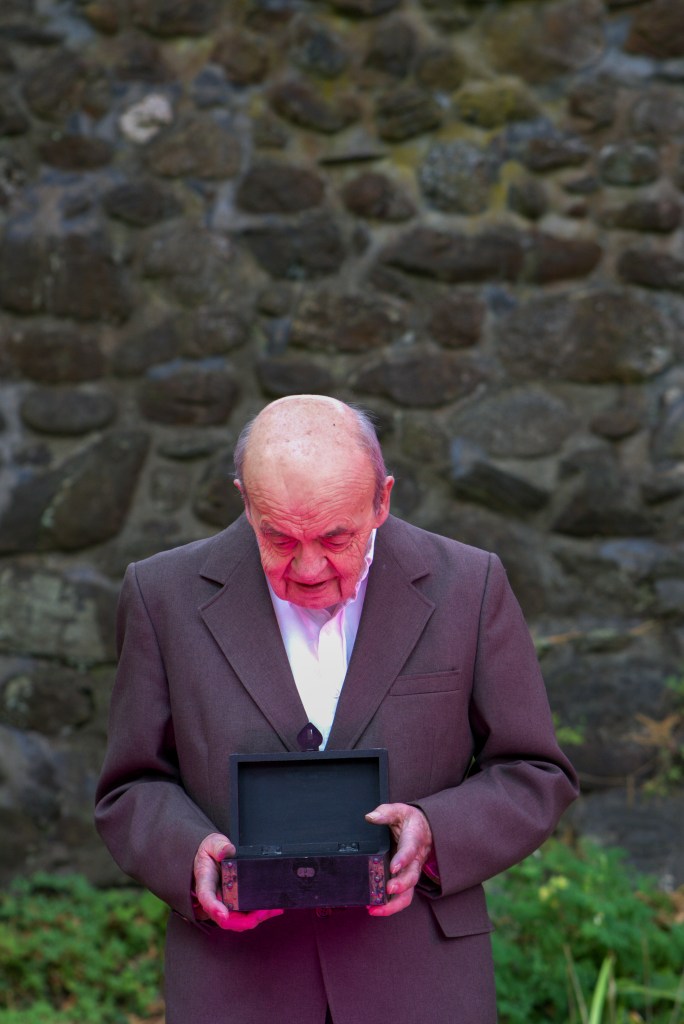
The full-day devoted to The Narrative Morning & Model Session at Vesper Hill was particularly invaluable for learning how to direct a subject while maintaining a personal vision. Some would say, the work with famed Maine Media Character Model, Peter Patton was out of this world (yes I brought up a space NASA space suit that I’ll be recycling on Halloween).

A Culture of Constructive Growth:

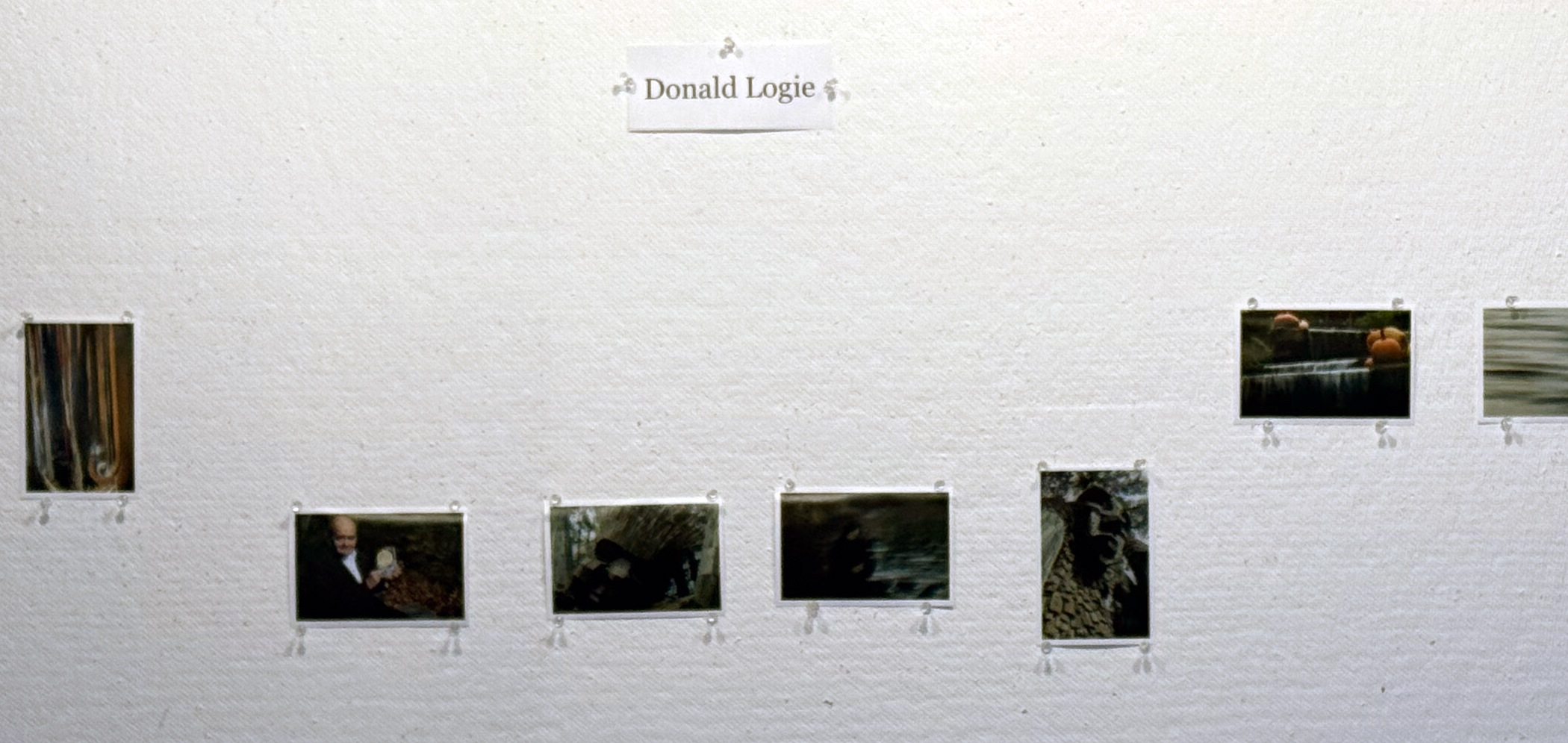
The most significant takeaway was the focus on real-time feedback. The regular editing and review sessions and the rigorous final edit leading up to the mini gallery showing on the final evening, instilled a strong sense of accountability and professionalism. This process helped the students hone the top images and articulate the style we were developing. I was very proud of the work in our class that the students made.

We took a deep dive into Brommer’s Six Points of Photographic Style; Attitude & Emotions, Genre, Technique, Treatment and Presentation.

For anyone serious about moving beyond technical competence to creating work with a distinctive voice, this small-group workshop is an outstanding investment. The high level of personalized attention, refined curriculum, killer locations all make for a great time while achieving photographic style. 

2026 Date is Live! This time we’re heating things up with the class from July 13-17. Unlike the quiet fall workshop at the Maine Media Campus, the summer vibe is lively with many students and renowned instructors. Join us; this workshop will fill up quickly—Mid Coast in July is beautiful.

~David Brommer

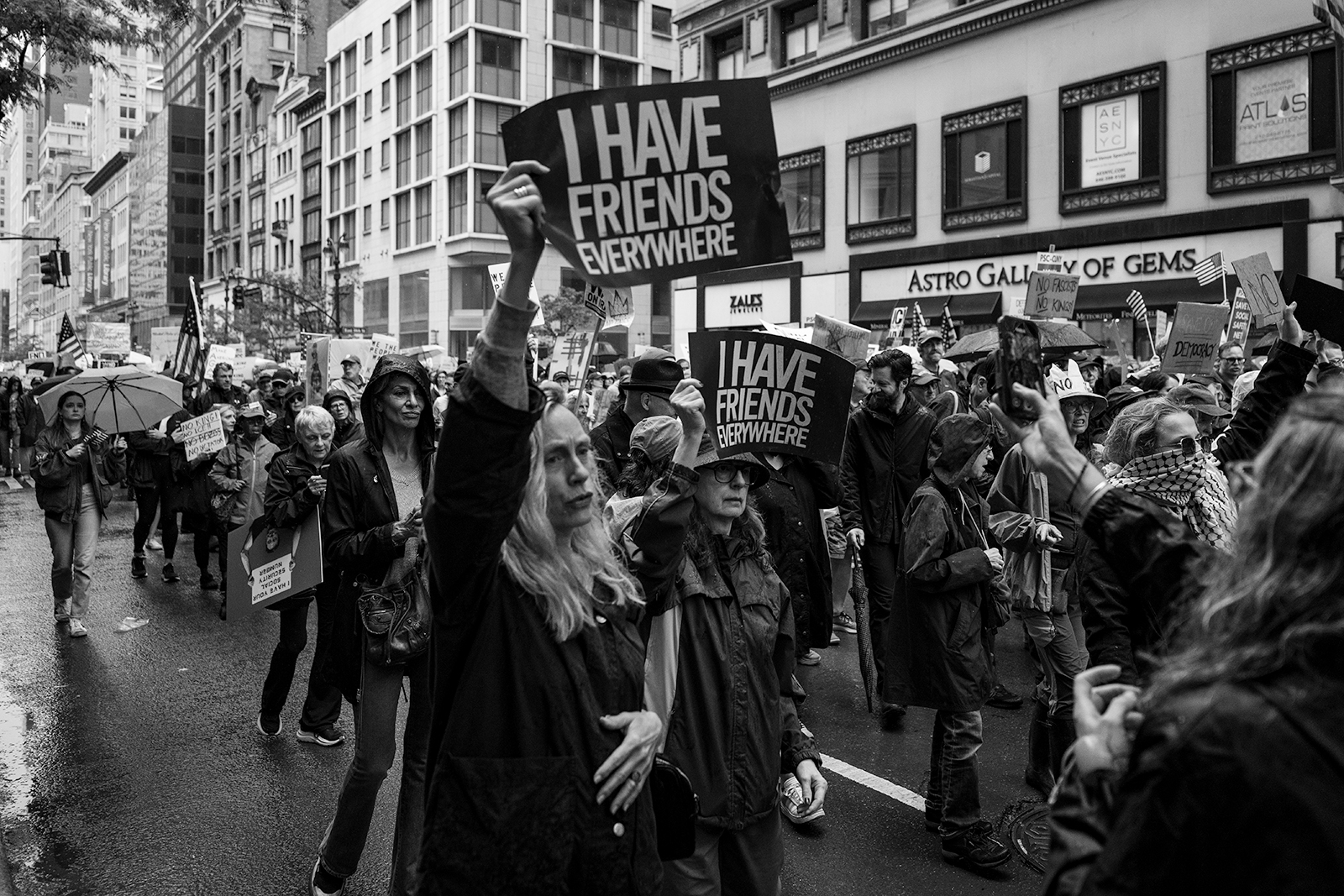
Inside the Massive No Kings Protests: A Peaceful Dissent

NYC does things big, and this march was no exception. The call was out on social media and being discussed, I actually heard about it while I was parking my Vespa on 35th street.

The “No Kings” march was a series of nationwide protests held on June 14, 2025, coinciding with a large military parade in Washington, D.C.

These protests aimed to voice opposition to the Trump administration’s policies and what they perceived as authoritarian tendencies. 

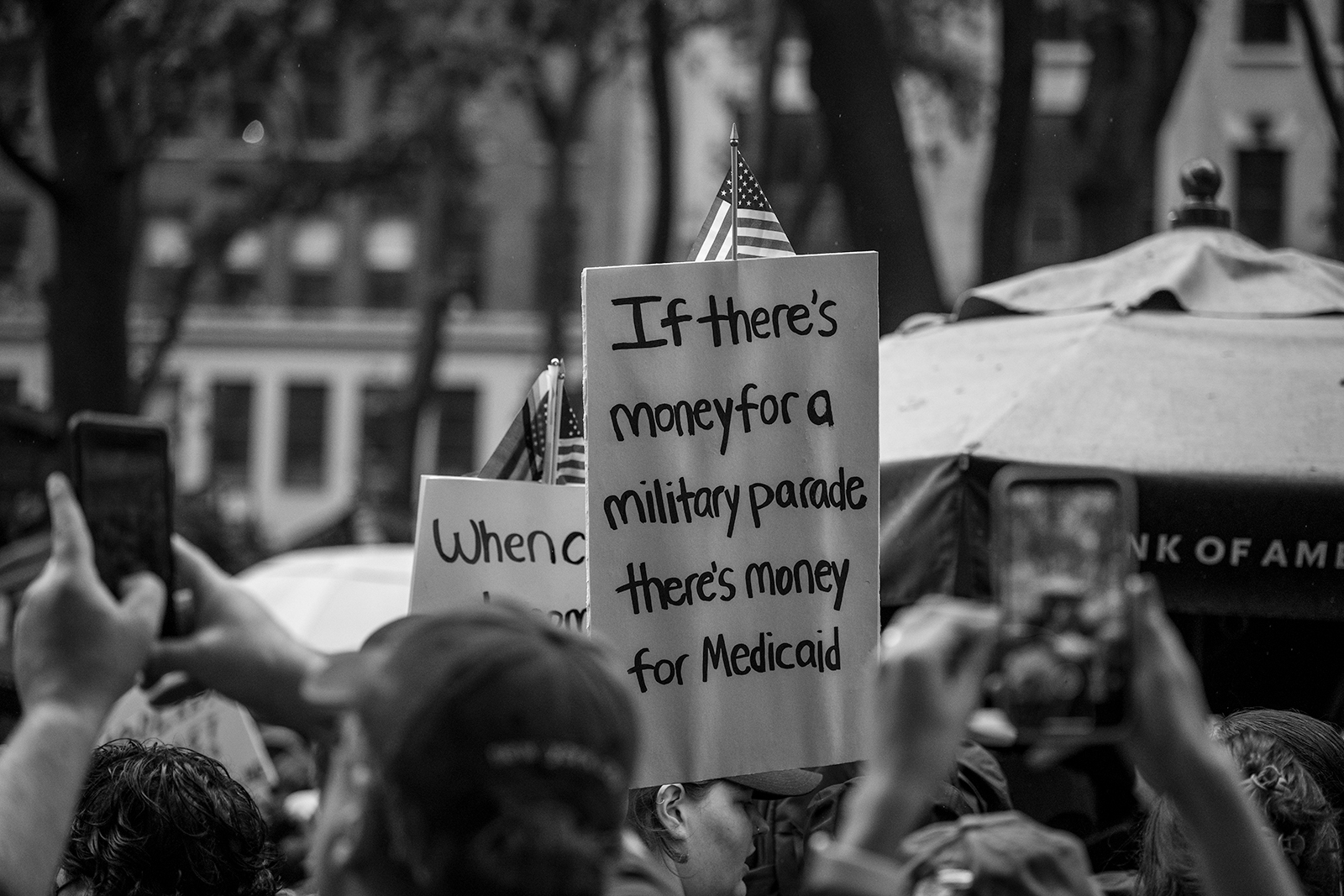
Organizers said the protests were a response to what they saw as an attempt by the Trump administration to project dominance and militarize the country. 

The protests drew large crowds in cities across the U.S. and even internationally, with organizers claiming millions participated in hundreds of events. Demonstrations took place in major cities like New York, Philadelphia, and San Francisco, as well as smaller communities. 

The protests were generally peaceful, with a focus on expressing dissent and concerns about the direction of the country. 

While the protests were not explicitly anti-monarchy, the “No Kings” name was chosen to convey the message of rejecting authoritarianism and what organizers saw as an overreach of executive power under the Trump administration. 

The timing of the protests, alongside the military parade, was meant to create a contrast between the perceived militarization of the government and the public’s desire for a more democratic and inclusive society. 

Above is a one minute 38 second video of stills mixed in with audio I recorded on my iPhone. The video was edited in iMovie.

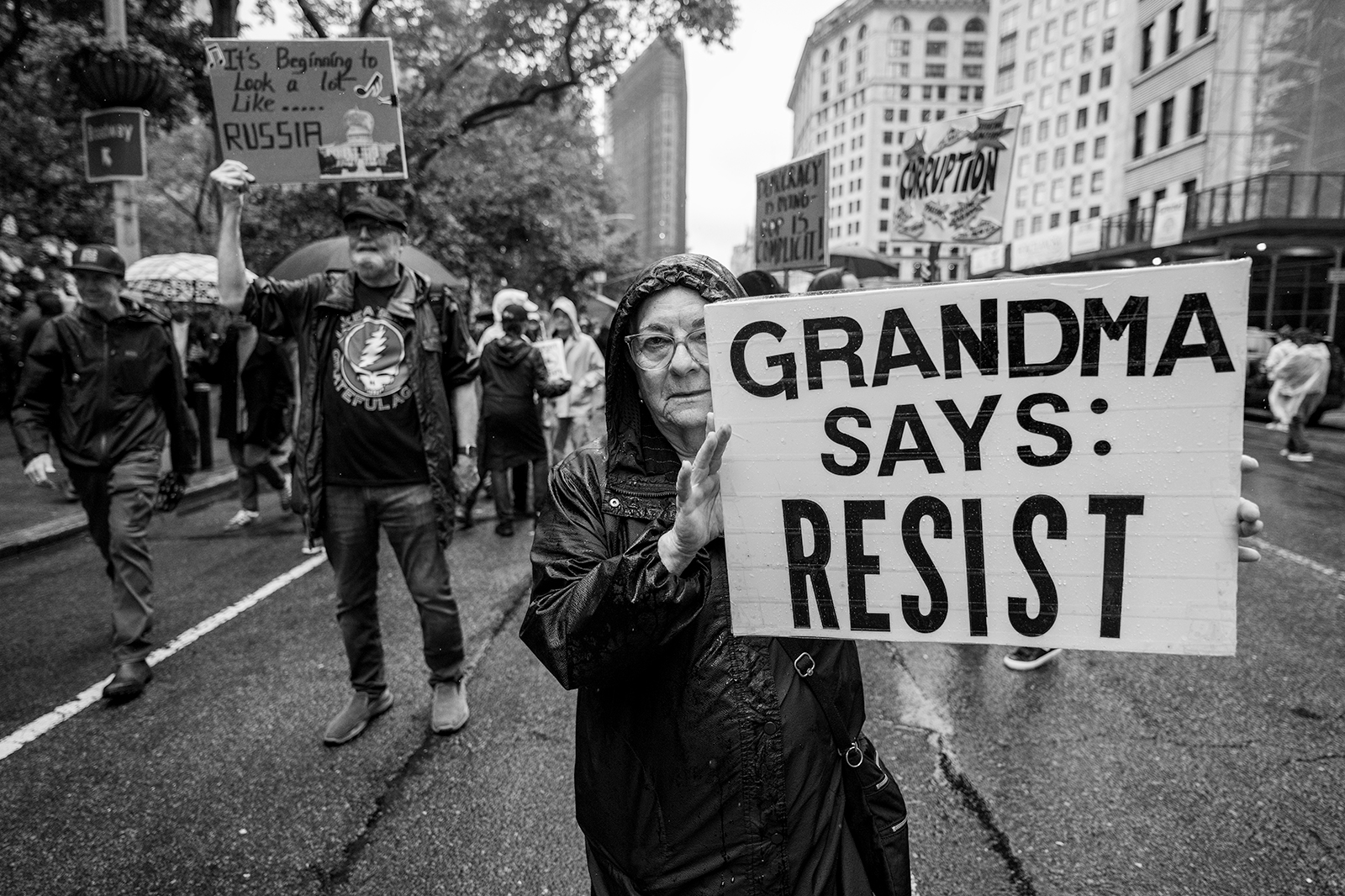
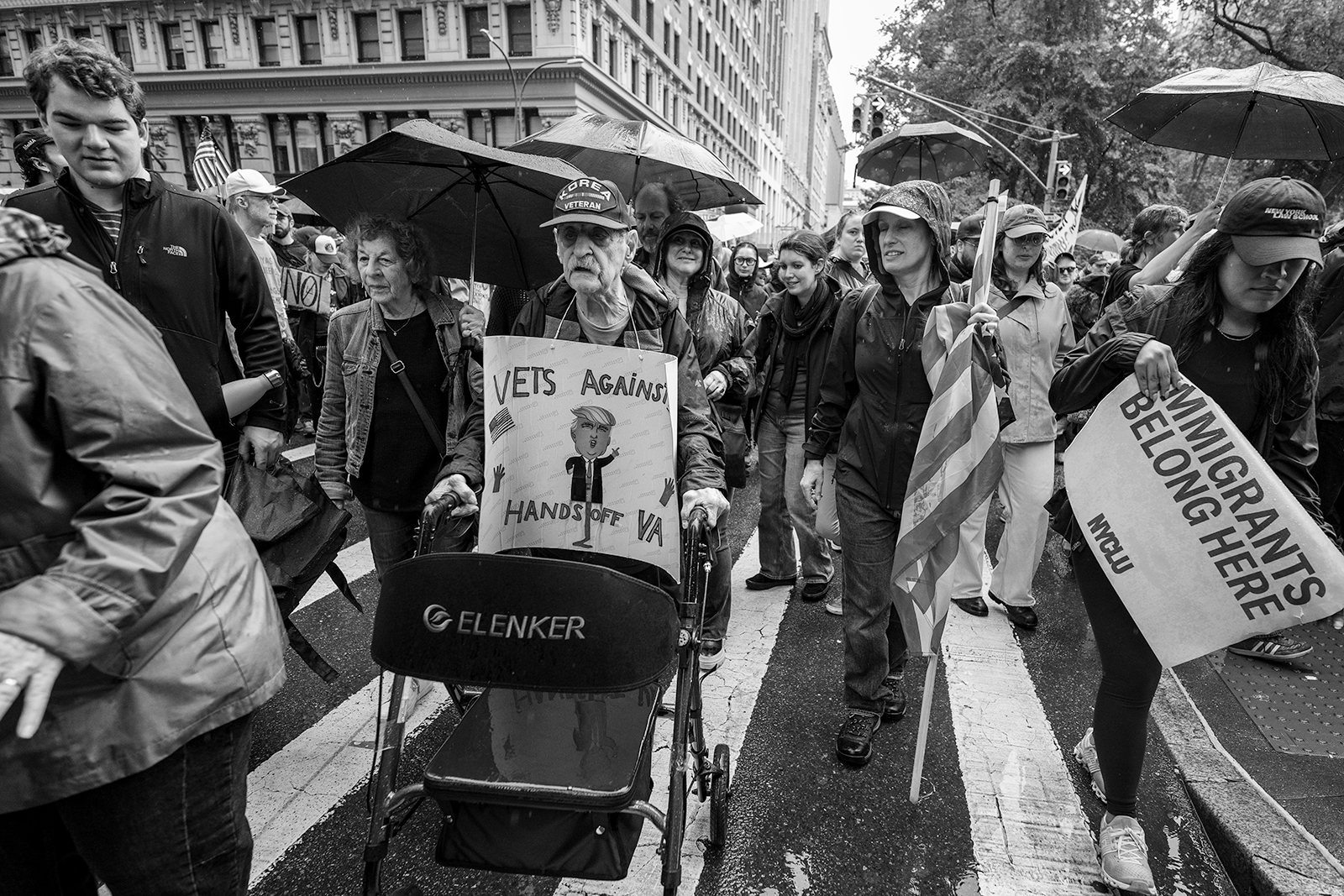
My feelings photographing this protest were one of duty and respect. As Americans, there is something sublime to exercising your first amendment rights. The key is peaceful, and this protest march was certainly peaceful. I witnessed no aggressive or destructive behavior from my walk of 42nd street to 23rd street. There were families and many other older New Yorkers on the periphery and no counter protesting. The rain was relentless and it did not dull the numbers. I estimate 50K showed up. It was a solid mass of marchers from 42nd to 23rd for well over an hour.

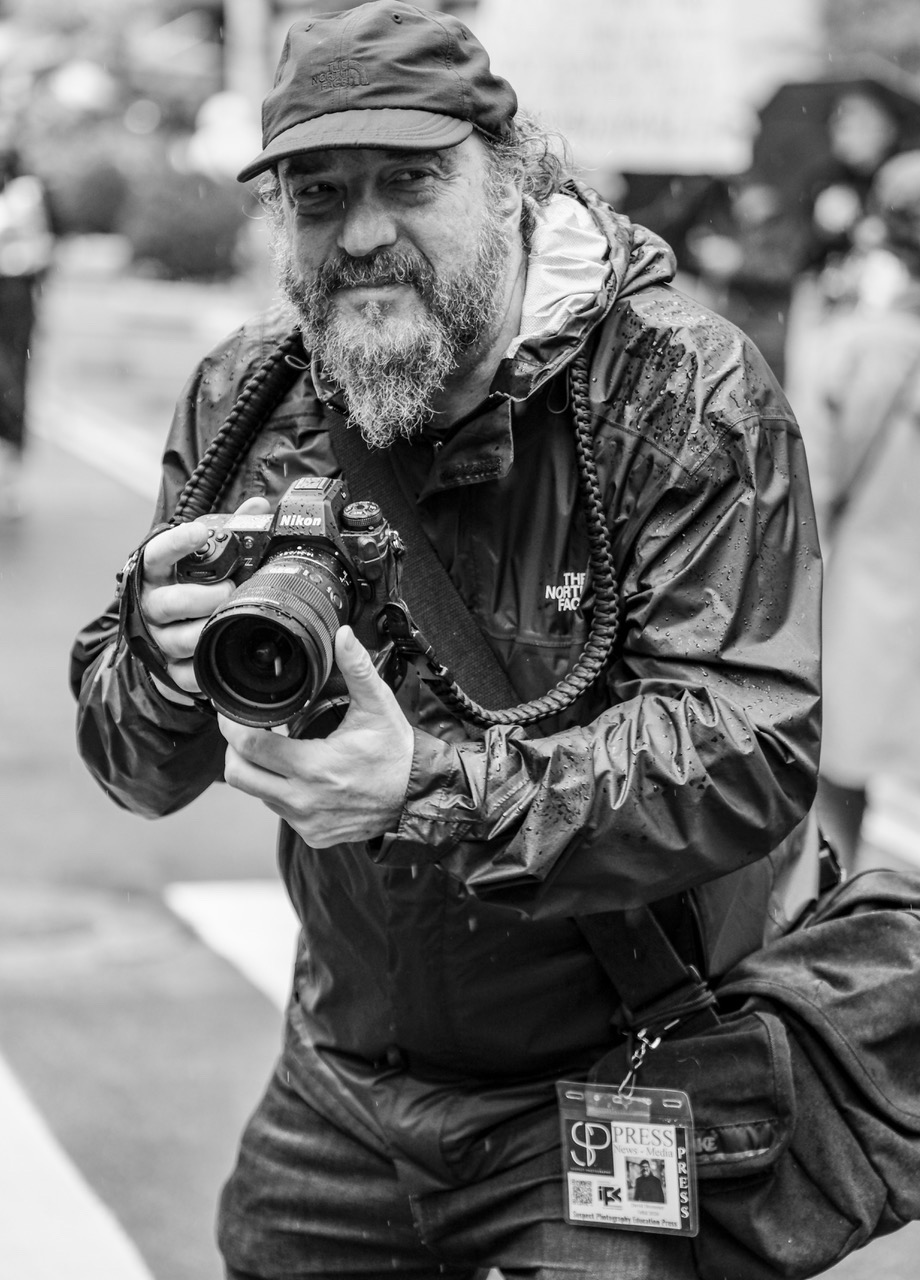
Photo by Brandon Remler

I used a Nikon Z9 with 14-24 2.8 and 24-120 4.0. I had originally planned on two bodies, but the rain was really coming down and I didn’t want the extra weight. At one point I was changing lenses under a scaffolding and was quite cautious in the operation! That’s the merit of two bodies- no lens switching. Noted for next time.

~David

“I have friends everywhere”