Suspect Photography

words and images from david george brommer

Category: Ramblings

Darwin, Taxidermy, and the Spiders from Mars. Meandering the halls of The American Museum of Natural History

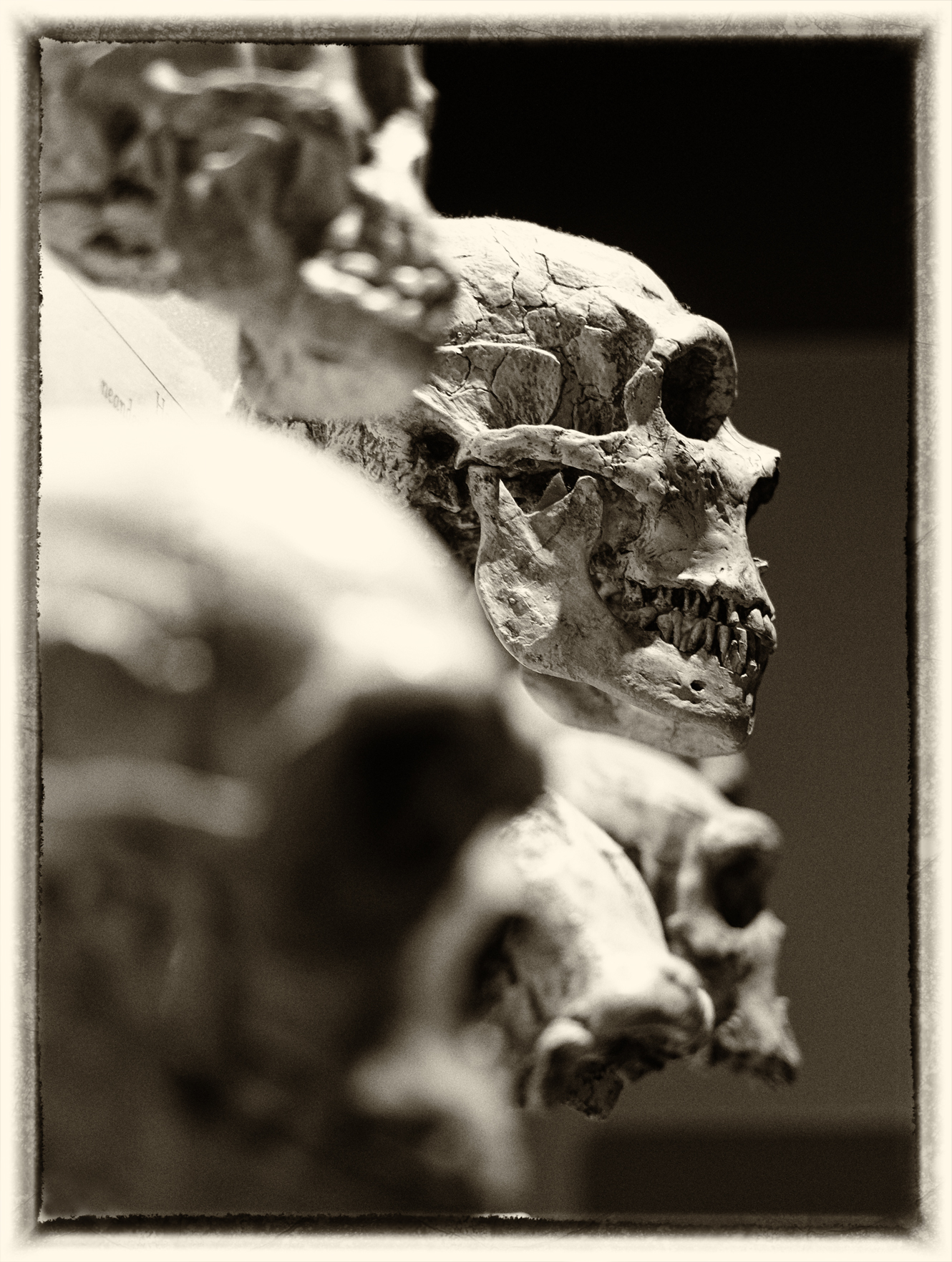
Skulls 1/50 Second f1.4 iso 1250 Processed in Nik Silver Efex Pro 2.0 “Yellowed Preset”

Taking class trips while in school when I was a kid always promised an exciting day. You got to jump on a bus and leave the tedium of the classrooms behind and explore some thing new. All it took was a permission slip singed, a few bucks from Mom and Dad and off you went to somewhere special and different. My favorite was a trip to the Museum of Natural History in NYC. So much to see; take in a planetarium show, rub a meteorite, and see arguably the best taxidermy in the world exhibited in very cool dioramas. The museum is where learning, culture, and adventure collide to stimulate your imagination to new heights. In a word, “neato”.

Entrance 1/1200 Second f2.8 iso 200

Barbara and I were off to see the Spiders Alive show on this lovely Columbus day. We had this planned for about 3 weeks and truth be told, I really couldn’t wait to connect to my inner child and hit the museum. So I grabbed my faithful Fujifilm X Pro 1 and figuring it would be dimly lit I chose the 35 f 1.4 to document the day. Normally I wouldn’t post these images, just keep them for myself as I am working on other blog entries of shall we say, “more important nature”? However, marching about the museum’s halls with the X Pro 1 gave me a photographic tingling and so I figured I’d share. Once again, experiencing the world is enhanced when you see it as a photographer and the results were better than I thought. This whole blog post was shot using the 35mm 1.4 capturing standard film sim mode as a jpeg.

Leslie the Tarantula Detail 1/100 Second f1.4 iso 200

Spider Detail (crop of 50%) 1/50 Second f1.4 iso 2000

The American kids were super respectful during the demonstration. Notice the hands up when they have a question? They were attentive and into everything the docent was describing.

Docent and kids 1/50 Second f1.4 iso 1250

Rows of specimen bottles 1/50 Second f5.6 iso 2000 Macro Mode

The following is various taxidermy.

Note: All images are  shot through glass.

1/50 sec f 1.8 iso 400

1/50 sec f 1.8 iso 800

1/50 sec f 1.4 iso 2000

1/50 sec f 1.8 iso 800

Something wonderful for all those curious about where we came from (humanity that is) is the Hall of Origins. Something I always remember from my childhood is the hominid couple walking across the plains. They are short, hairy and and have an affection to each other. They greet you entering this vast temple to Darwin and it’s always a pleasure to see the lovers from another epoch.

1/50 sec f 1.4 iso 3200 Processed in Nik Silver Efex Pro 2.0 Antique 1 setting

I asked a security guard if any creationists had issue with this hall. After all, Adam and Eve have no place here, and with the abundant skulls and supporting arguments for evolution present, creationists would find no sympathizers. The guard said he had been on duty for three and half years and no one had ever spoken or acted with animosity to the exhibits singularity.

I was very impressed with the quality of the images two fold, first the auto focus did great shooting through the glass, secondly the quality of the overall image. I had set the camera to auto iso of 6400 and kept it in auto focus the whole time. I loved the shooting wide open most of the time and the depth of field accentuated the subject matter terrifically in my estimation. Once again, the Fujifilm X Pro 1 delivers stunning results and is a pleasure to keep as a companion around your neck as you explore the glorious world about you.

~David

The Suspect Story: Part 1, A Un-Published Suspect Photography interview with Chris Gampat of the Phoblographer

Io Electro from the Seattle Suspects series Contax RX 60 2.8 Macro Planar 1/60 sec f 11 Kodak Techpan 25 iso

A couple of years ago, Chris Gampat, chief editor of the Phoblographer asked me a few questions about my Seattle Suspects project. For some reason, the questions and answers were never published, and recently while cleaning up some hard drives, I found the piece. This will be the first part in a three  part series about my most photographically productive time, the Seattle years.

Tell us about how you came up with the name, “Seattle Suspects.”

Suspect Photography was the name of my gallery/studio in Seattle. We filled a niche in the photography community of Seattle by showcasing emerging and mid-career photographers that had an edge, but couldn’t find a home in the more established galleries such as Benham and Gail Gibson gallery. We had a great location, in Pioneer Square and I coined a term, Maverick Gallery. These were artist owned galleries that were prevalent in the bohemian inhabited old industrial and manufacturing buildings that made up Pioneer Square.

Suspect Photography was named after an experience I had where I “suspected” anything could exist in an instance of chance. When you look at an uncertain future, you can “suspect” anything, because anything is possible. Suspect Photography is both pragmatic and optimistic with a dash of fanciful promise.

Since the subjects were a selection of Goths, Fetish heads, Drag Queens, Artists, Poets, Musicians, and other assorted wayward souls I had a small difficulty in coming up with a name for the project. So I looked for the common denominator, which was they all came to Suspect Photography to be photographed, and Suspect Photography was in Seattle, hence the name Seattle Suspects. On a side note, everyone I ran the name by loved the title, but Joyce Tenneson. She is the undisputed queen of photography books and she absolutely detested it! I had to go with my gut, and keep the name in spite of Joyce’s opinion.

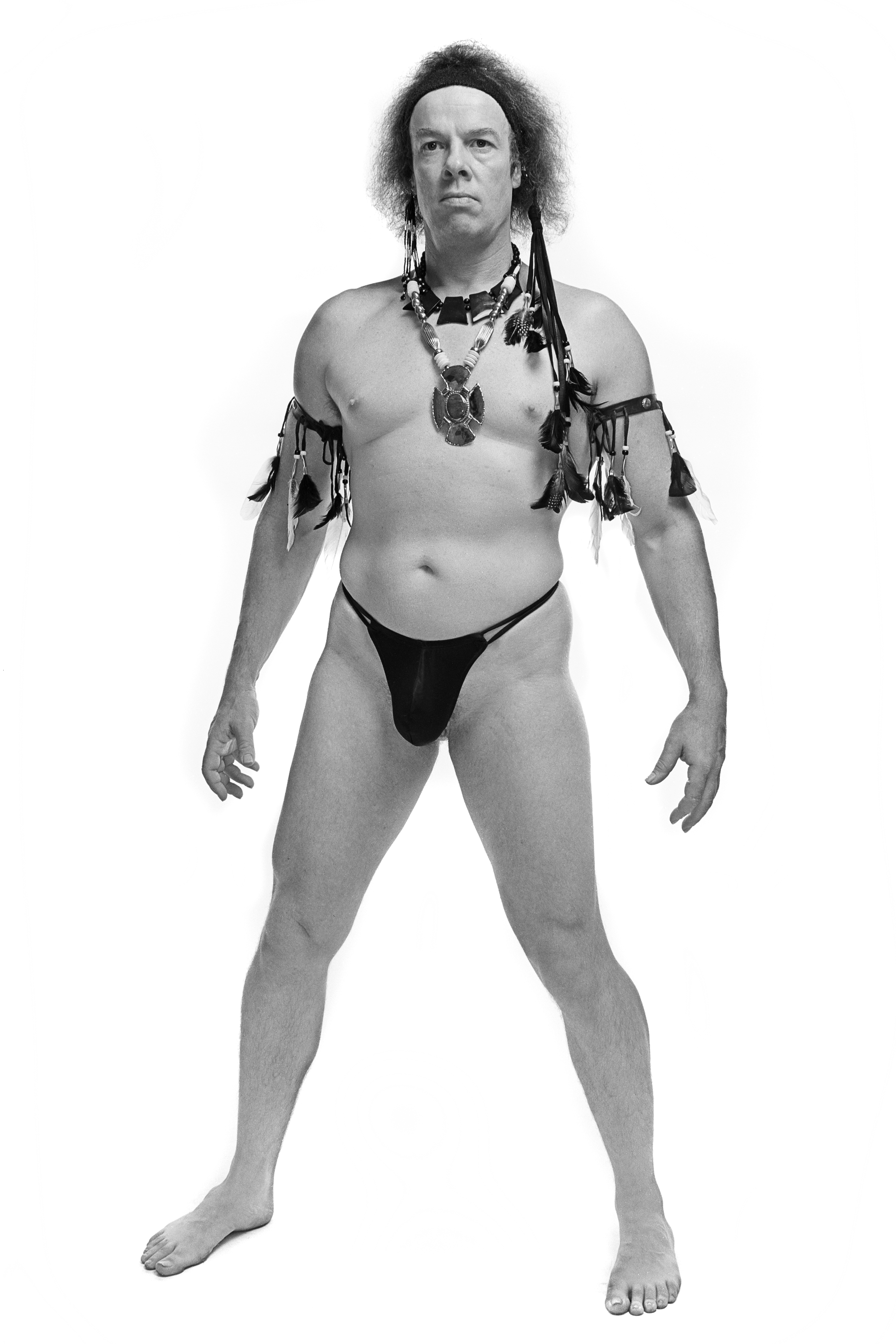
Nearly Naked Man from the Seattle Suspects. Contax RX 60mm 2.8 1/60 sec F11 Kodak Tech Pan 25 iso

 What was working with these people like for you?

Like hanging out with friends that I wanted to become closer to. I love people who are on the edge, I love freaks. I love people who take being called a freak as a compliment.

Susan from Club F*uck Seattle Suspect Series Contax RX 60 2.8 Macro Planar 1/60 sec F 11

 How did you get your subjects to pose the way that they did?

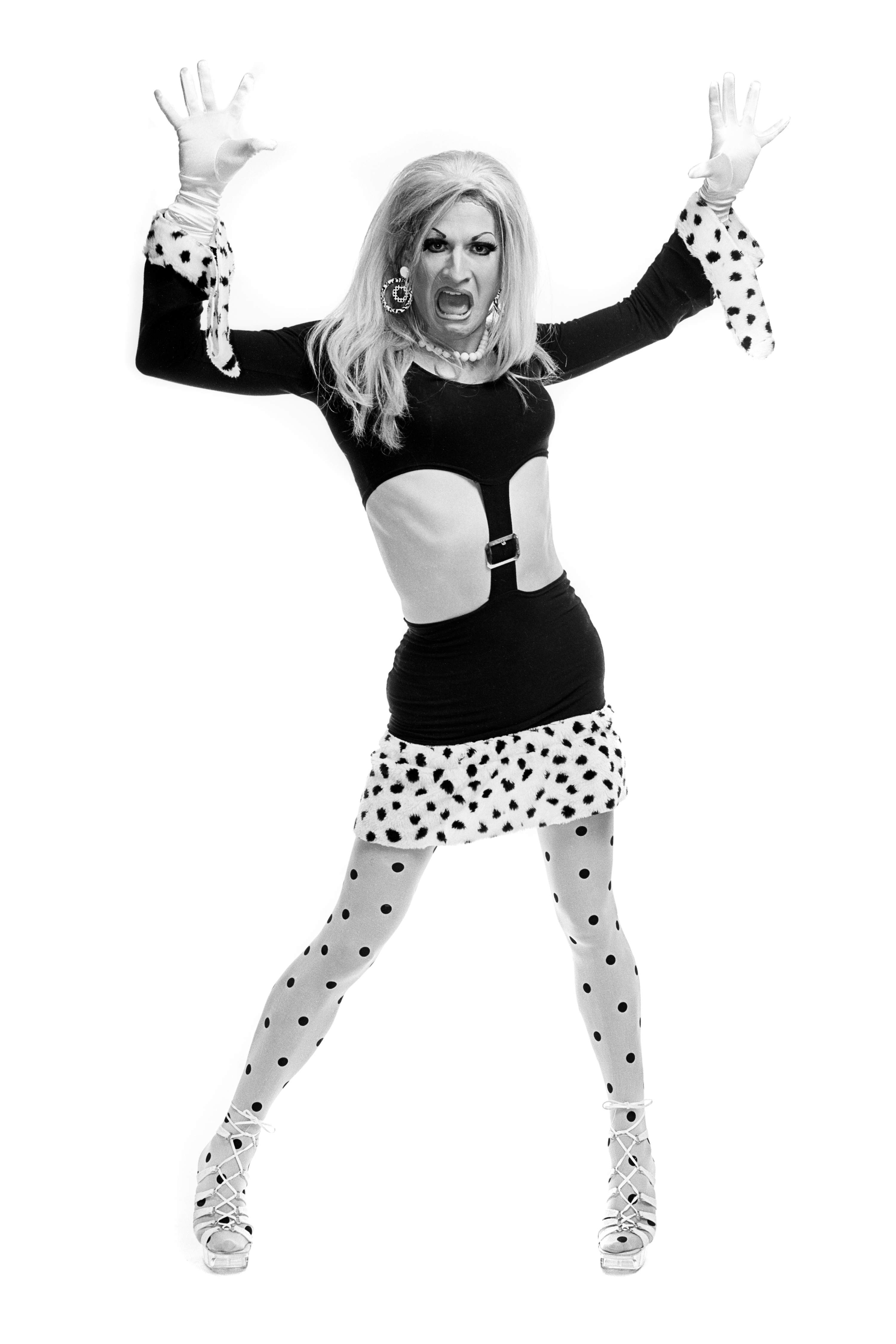
I encourage them to take over the studio sounds system. If you didn’t bring a cd over, I’d drop in one of mine, something that local clubs would be playing. It was the mid 90’s so NIN, Skinny Puppy, Dead Can Dance would suffice fine. I’d let them dance for me and coach them to stop when they got into an interesting pose. I would look for positions that were demonstrative of the subject, ones that encouraged positive and negative space with expressive reaching of the arms or straddled legs.

Sparks from the Seattle Suspects series Contax RX 35-70 vario-sonnar 1/60 sec F 11 Kodak Techpan 25 iso

Do you feel that chemistry between a photographer and the subject is vital to creating great photos? If so, why?

Absolutely. Emotions will be caught on film, so if they don’t trust you, then your images will reflect that. They wont give you their all. I likened the underground of Seattle to a court, and I was the court photographer. I photographed the kings and queens of the scene and they trusted my eye to capture this moment in their life. This gave me access to the rest of the courtesans. I have to also say at this point that I was one of them. I wasn’t an outsider looking in, I was an insider of the scene. I partied at the after hour speakeasies where I recruited the Suspects, I promoted at the clubs (Catwalk and Chapel Periolous) and I ran a gallery that featured edgy art. I also shot Fantasy Unlimited ad campaigns that gave me street cred. The Suspect’s trusted me with themselves, and I respected them.

Dalia from the Seattle Suspects series. Contax RX 60 2.8 Macro Planar 1/60 sec f 11 Kodak Techpan 25 iso

How did you inspire yourself?

How could I not? Look closely at the suspects, they are so complicated and strangely beautiful, a blend of darkly serious and deathly whimsical that I always was honored these subjects would pose before my lenses. What we photograph will echo in eternity, I was inspired to ensure their voices and style would not fade into obscurity. The suspects of mid 1990’s Seattle are fully documented and that is inspiration incarnate.

Malinda from the Seattle Suspects series Contax RX 60 2.8 Macro Planar 1/60 sec f 11 Kodak Techpan 25 iso

Tell us about how you lit your subjects to get the look that you wanted.

I approach studio lighting like two puzzles to solve. First, you must light the background. I would hit the background with two While Lighting “oil cans” fitted with barn doors to keep the spill from hitting the subject in the foreground. I would try to even the light out so the flash would give F11 across the entire backdrop. To light the subject I would use a White Lighting Ultra 1800 in a large Photoflex soft box as a main light, pretty much hitting the subject’s torso at f 11 but the trick was to mount the light on a Bogen Super Boom. Booming the box lets me use the light like a great soft skylight to bathe the subject that I can tweak and aim just so. For fill light I would use an Ultra 600 in Photoflex Stripdome to achieve F 8 1/2 output. I recommend playing with your lights and testing them so you can find the look that matches the subjects and the process your using.

Thank you Chris for asking me those questions, and thank you to all the fabulous freaks of mid 90’s Seattle. You set me free to find myself.

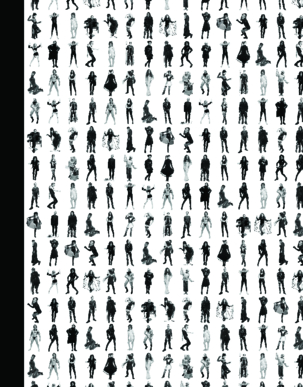
Seattle Suspects book published in 2009 with Blurb and available on the Blurb market place or with a print on the Seattle Suspects site.

Please visit the Seattle Suspects main site to view the book and more suspects, and whilst your at it, give a “like” to the Suspects fan page.

~David

DSLR is Dead, Long live DSLR

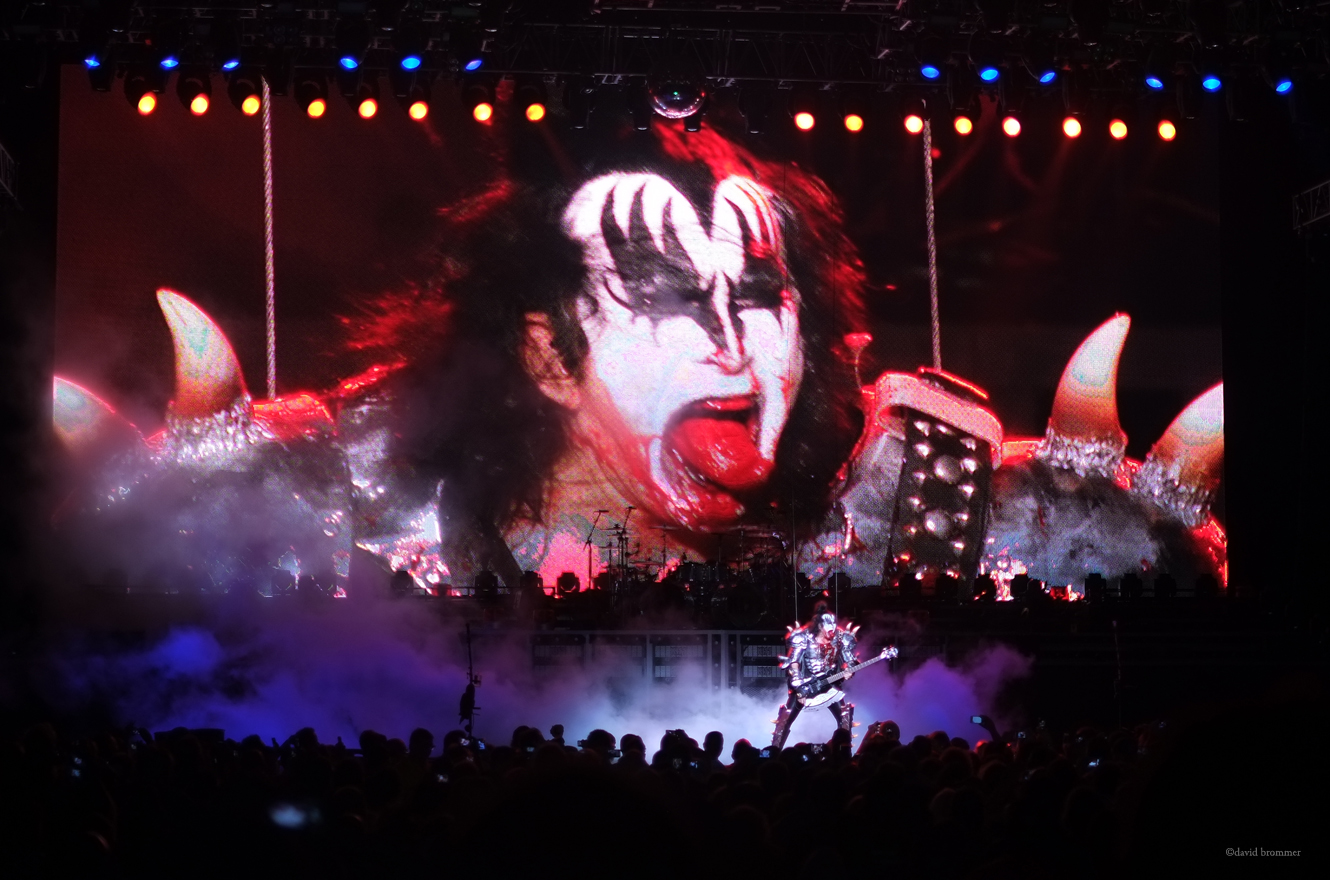
Gene Simmons of Kiss, still spewing blood after 40 years.

The grumblings of this rumor started with my friend Brandon a few weeks ago. We’re both “photo industry” guys and we are privy to charts, numbers and insider information (of course this is photo industry insider info so we wont be chillin’ with Bernie Maddox) about cameras and the technology that drives them. In the past few days after the big Photokina show (photo industry trade show in Europe where half the new camera’s of the year are announced) a flurry of “Mirrorless” cams were announced. Also back in January 2012, photo blogger and all around good guy, Trey Ratcliffe posted “DSLRS are a dying Breed”. Seems a lot of attention is being mentioned online about the future of camera gear and it seems the poor old DSLR is getting it’s mirrored rump slapped.  However, I disagree whole-heartedly with these predictions.  The DSLR is a vital tool in photography, it has its place and shant be replaced with a Mirrorless camera they way the DSLR made the film based SLR obsolete. On the contrary, DSLR lenses and functionality will continue to increase and become much more popular as the coveted full size sensor becomes more affordable. For a long time I believe, at least a few more generations of photographers. Many of my students ask which is better? I don’t believe one is better than the other inherently, but which is better matched to the user. I do get rankled when I hear that DSLR is dead. I think far from it. Very far, like galaxy far.

First I’m going to characterize the users, the photographers who will be making images so we can establish what they need. The first letter will act as code applying to the following lists, the strong points and weak points of DSLR vs. Mirrorless and which photographer can benefit. This is a very fair way of evaluating the merits of each class of camera.

Types of Photographer

<PP> Pro Photographer: Someone who pays for their food and shelter with money generated by photographs they make. In most cases, they will specialize in genre such as journalism, fashion, portrait, event (weddings and such), sports, commercial (companies need photos of all the time), fine art, and the a common one, the “freelancer” who will shoot just about anything to make buck. Often they may have studied photography in school and fallen in love with the medium. Pro Photographers often blur the lines teaching, lecturing, testing and taking on new projects as they present themselves. But for all, this is their primary source of income.

<AH> Advanced Hobbyist: Someone who loves photography including the images, the gear, and the simple act of clicking a shutter and capturing a slice of time and place. They can be fanatical in their pursuit of photography. They purchase the latest gear, they take photo trips and join clubs and enter photo competitions. If their 2.0 minded, they might also have a heavy online presences with social media such as Flickr, Pinterist and such. I’m also going to put the fine art photographer in this category. The emphasis is on vision with a solid versatile camera for the needs of these shooters.

<CS> The Casual Shooter: They would never call themselves a photographer, they just seek to document important people and occasions in their life. They are the vacationers, family, and friends. They are not usually artistic nor the have the inclination to really care about the finer aspects of a good photograph. They often know a good photo when they see one, but their quest is to record a slice of time and place sharply, well exposed and with a minimal of effort and size.

What cameras will this generation be shooting with? BadAss I’d say!

Merits and Shortcomings of DSLR and Mirrorless

Long lenses: Long and fast telephoto optics is plentiful for the DSLR. Since these lenses tend be long and heavy, having a larger camera on the back of them really helps your maneuver the whole package to get what you want. PP, AH

Easy Ergonomics Due to Larger Size Camera: DSLR are indeed larger, and that can help by providing more space to put buttons and larger buttons at that. The Olympus Pen cameras in particular have very small and annoying buttons to navigate menu and camera features. Having a good grip on the camera can help make it more easy to use and less fumbling. This rings so true when working with heavy fast optics. PP, AH, CS

WYSIWYG or “What you see is what you get”: No matter how good a EVF (electronic view finder) is, your still looking at pixels. Movement, gain, grain is all presented in the viewfinder if your lucky and even have one on Mirrorless cameras. That archaic mirror reflex system found on DSLRs lets you see in analog, like the world was meant to be seen. I don’t want to compose looking at a TV screen, because that’s exactly what an EVF is, a miniature TV. I’d rather look at the real world when I’m making a photograph. I want to “feel” the place and find the image. I have never been a huge fan of video games and seeing the scene gives it more tangibility.  PP, AH

Pros shoot with Pro “looking” Cameras: Show up to shoot a wedding with the same camera that Uncle Bob has will make the Bride wonder why they are paying you the big bucks. It may be superficial to make this claim, but it’s true. There are different levels that a pro photographer can attain. Lets say the highest is shooting for Vogue, you will need to project an image to have access to this type of photography, and yes, a Hassalblad H4 will impress the art directors, models, and most important, the client. Show up with a Panasonic GH3 and your going to get laughed at. PP

Value: $500 bucks gets you a really nice DSLR. $3000 gets you’re an extremely capable camera. I think that there are great values in the range of DSLR’s out there. CS

Compact and Light Weight: For the photographer who travels, this is fantastic. Hauling around lots of heavy and cumbersome gear is annoying and for some folk prohibitive. Many of my female students have small hands, and the smaller cameras fit into them better. Some of my students have been older and between arthritis and other physical reasons a smaller camera is easier on their wrists and back. The photographer Bob Krist who is known as a travel photographer likes to use these smaller cams because he is restricted often by weight limits on bush planes. CS, AH (and sometimes the PP if travel is their specialty)

Performance vs. Cost: Bigger sensors provide more information and can yield a better image. Especially if your printing large or will be cropping. Larger sensors to tend to also have a greater dynamic range to capture highlight and shadows. As of 2012, it is less expensive to purchase a DSLR with a APS-C size sensor than a comparable mirror-less camera. The Canon Rebel T3  costs $479 which is the least expensive DSLR on the market. The least expensive Mirrorless that has a APS-C size sensor, the Sony NEX 5n is $499. All the other models of Mirrorless that have APS-C size or micro 4/3 are much more expensive. CS 

Lens Selection: You can mount more lenses without adaptors onto the DSLR system. While this may be true you may never venture out to using a 1970’s vintage Canon FD, Nikon AI or maybe that hip Russian Zenit lens. Mirrorless cameras can use various mount adaptors that can be costly but usually the focus will be hampered by the EVF. The only one that does it well is Sony with their focus peaking feature, but I don’t care to evaluate focus with shimmering white dot matrixes personally. PP, AH

Cool Factor: DSLR cams hearken back to the golden era of film based 35mm photography. There is nothing like making pictures with a SLR, the clicking sound, the heft of the camera and the strapping on of a camera that says Nikon. Mirrorless cameras are radical and hi-tech. they often don’t even look like a camera. AH, CS

Talk to the skull, er I mean hand.

I hope this post sheds light on the recent debate. As for me, I chose the Fujifilm X-Pro 1 mainly because it gave me parallax corrected viewfinder, performance, and size plus a whole lotta cool factor. I stand by saying that any camera in the hand of a person who has vision and some technical skill can make a great image from that camera. Can they make many? Then it takes the right camera to photographer combo.

The place is really jumping to the Hiwatt amps,
‘Til a 20-inch cymbal fell and cut the lamps,
In the blackout they dance right into the aisle,
And as the doors fly open even the promoter smiles,
Someone takes his pants off and the rafters knock,
Rock is dead, they say,
Long live rock, long live rock, long live rock

The Who

~David Brommer
Zen, Zones, and Focal Lengths are now the new drugs.

Fuji X Pro 1, 18mm, Snapseed processed

The sublime pleasure of seeing space surrounding the self as a trained photographer is our greatest gift and pleasure. Shape, lines, shadows, highlights, objects, nuances of patterns, both similar and interrupted, the delicate ballet of balanced forms, transitions of contrast defined in air and matter while viewed in whole, then fractured and selected inside a frame, bounded by our souls perspective focal length. It is sublime when in the zone, when all those take prioritization in you vision, the camera clicks, and its done.

Fuji X Pro 1, 18mm 1/200 f 8 200 iso jpg

The sometimes and not-often secret peak of the photograph making experience is felt in a tremor of the shutter release and can be drawn out for 3 seconds or more after the exposure, this is the satisfaction sensation. You did it. You got that shot amongst a special plane of non-interest.

Fuji X Pro 1, 18mm Snapseed processed

Shooting and seeing is akin to seeking. What it is you seek may not be known to you, walking about armed with your camera and having no particular agenda. Space will reveal what is interesting, time will put your body in the right temporal position and you just might make an interesting photograph. Or you can exert heavy control and manufacture the perfect storm to capture that superlative image. Shooting in a studio makes you the great creator of light, like Lucifer and Prometheus you can encase your image with brilliant photons, be the master of the subject and set. Photographers that create in a studio assume the aspect of gods.

Fitness bill boards

Fuji X Pro 1, 18mm Snapseed processed

How can you shorten the length of mediocre image making from the creating of greater images? There is one way, and that is to make lots of images on an almost daily basis. Live in the margin of seeing, be ready to take the viewfinder as a macroscope for living in this space, here, breathing these sights, and feeling those reflections. Incorporate “often” as way of answering the question, “when do you take pictures”. Raise the camera and make exposures often.

Fuji X Pro 1 18mm 1/30 f 4 iso 400 jpg

A click is a drug and the resulting image the high. Multiple clicks lead to visible euphoria and in that fog of stimulus better images lie. Do it enough and you will find a reliable friend in f8 and a fickle friend at f 1.4. Stay shooting and 1/15 second all of sudden seems like a month. ¼  second and a year shoots by a like the Silver Surfer on speed.

Sean Kernan told me Tidd Hido said, “I think I’m addicted to the feeling of having just taken what I think is a good photograph.” Feed your addiction and makes lots of images. Embrace the “studium” and don’t bogart the camera.

Rangefinders are less jerky

Malaysia Beef Jerky Co.

Mirrors slapping around cause vibrations, and vibrations make for less sharp images. Less sharp images make for less of a good photograph. I do like to see creatively blurry shots, but soft is something entirely else. Rangefinders do not use a mirror, and can be shot at very low shutter speeds hand held while maintaining good sharpness. It’s one of the advantages rangefinder and mirrorless cameras have over their SLR younger brothers. Another advantage is since there is no mirror, the rear element of the lens can mount close to the film/sensor plane making retrofocus lens design not needed. This allows for better edge to edge sharpness. Seems like it all comes down to sharpness, but actually it allows for great versatility in shooting in the neighborhood of  low shutter speeds (below 1/10 of a second and the vaunted 1/4 of a second ) where you can catch moving subjects and sharp static elements.

Hand Held 1/18 F 8.0 ISO 200 JPG

There are a few tricks you can do to increase stability, but first lets talk about what shutter speed you have to start paying attention. There are image stabilizers in many lenses and camera bodies nowadays. Olympus, Sony and Pentax integrate them into their digital bodies, while Canon’s IS (image stabilization) and Nikon’s VR (vibration reduction) are built into the lens. The rules with an SLR is that  you need your shutter speed to be what your focal length is. Thus a 210 mm lens needs a 200th of a second shutter speed. A stabilizer lets you cheat that by 3 stops, thus 200th to 125th to 60th (hello 50mm lens) to a 30th of a second. Pretty darn good when shooting with a Telephoto lenses that can really benefit from stabilizer tech. Most people can hand hold a 3oth of second as a matter of fact, It’s pretty safe to hand held at 1/15 of second with an SLR. Lower than that, the mirror can cause vibrations as stated earlier. 1/8, 1/4, even half a second are very difficult are difficult or impossible to capture an image sharply.

Being able to shoot at low shutter speeds hand held can be an art all to itself. You really do have to achieve a stillness akin to zen. Inhale slowly, have the camera strap wrapped about you so that the camera is taunt, slowly release the shutter with out jerking the camera, hold your breath, utter a word to the diety of your choice, and make the expososure.

1/4 s at f/2.0 B&W r ISO1600 JPG lit by a single table candle

You may have had 2 tall lattes and are now quite  jittery or perhaps just really excited about what your photographing (yea, I have been on a few Suspect  shoots back in the 90’s where I was shaking like a hound dog passing peach pits during the studio session). In this case, bump the ISO up two stops to be sure. The Fuji X Pro 1 is exceptional at high ISO shooting. If all that fails, then find a hood of car, mailbox, pole, or something suitable to prop the camera on just to give you a steady edge. The best of the best can handhold a rangefinder for 2 seconds and still achieve super sharpness. Me, I’m good for a second. But then again, it depends on how many espresso’s I had at dinner.

Shoot well, shoot sharp, and shoot stable fellow Suspects,

~David

Damn, thats a nice view, it’s burning. Beautiful!

Sitting at the table overlooking Chelsea in NYC my fingers are dancing over the keyboard with a life of their own it would seem. I’m about to slug back my cup ‘o joe and ponder the words I’m about to throw into the web, in the hood of the blogosphere and wonder what I do believe every blogger who came before me thought, “is anyone going to read this? give a rats ass about the posts? what am I going to actually say?”. Perhaps I would be better off just shouting from the balcony. Considering its a cold spring morning and I’m in my underwear, it would be best to continue my current course and pour another mug of joe.

Lets get down to biz shall we? What do I have to say with this blog? Here is where I’m going to go with this. A commentary on photography. This blog will review gear, point out important photographers, host new photos, and be a sound board for what goes on in my head focusing on creation of photographic imagery. Two things have really been on my mind these days-months-years and I’m hoping that this electronic form of communication will let me unburden these thoughts and get feedback from those that just might give a crap.

All right-y Time to ROCK, do this… Lets get what’s in the head into digital distribution. Stay tuned… turn on… feeeeeedddddddd…..