Suspect Photography

words and images from david george brommer

Category: Gallery and Museum Show Reveiws

Chasing the Decisive Moment: Reflections on our NYC Winter Workshop By David Brommer
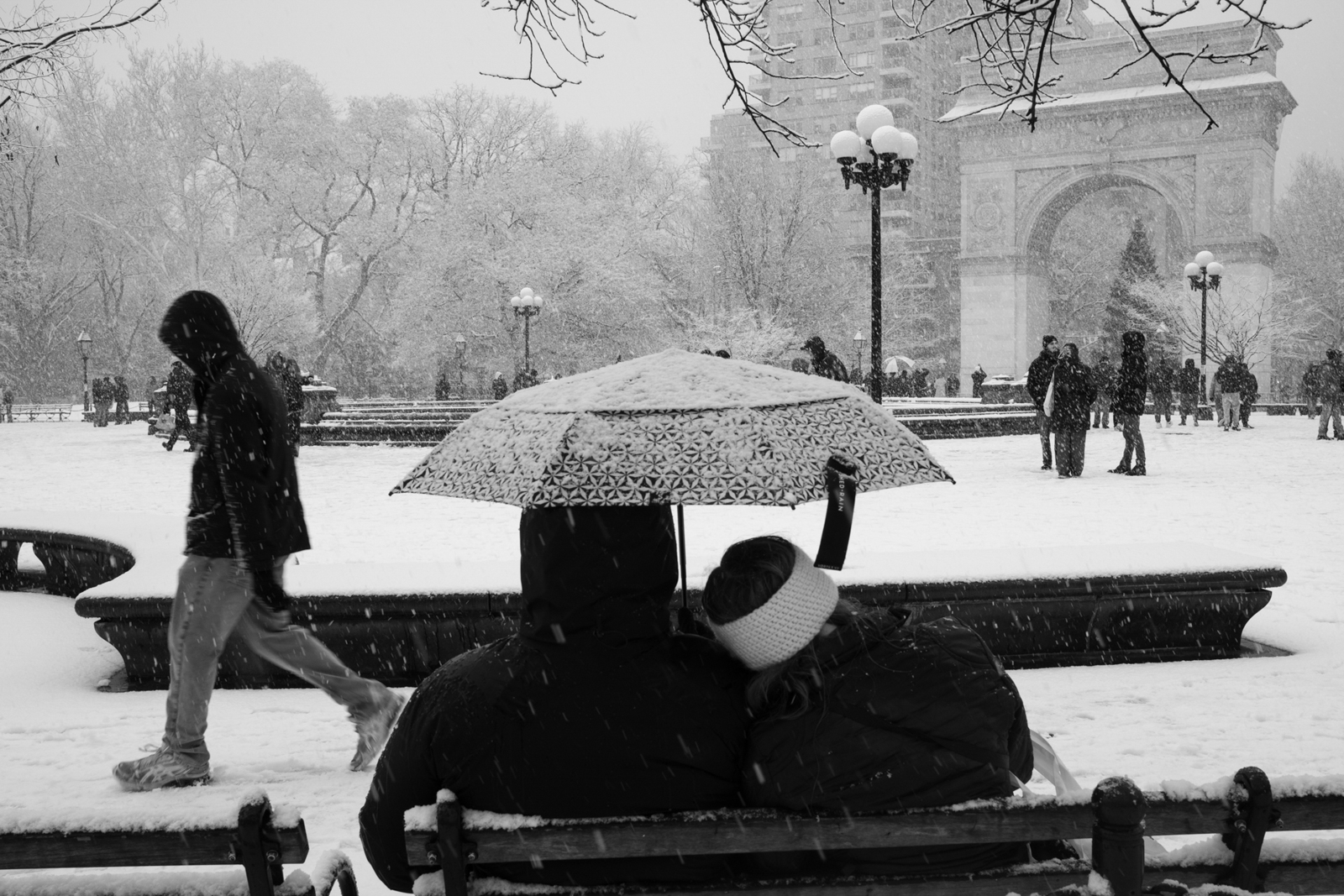
There is a specific kind of silence that falls over New York City when the snow starts to come down. As a street photographer, you spend your life looking for those rare moments where the light, the subject, and the environment align perfectly. This past weekend (January 16–18), during our Passionate Street Photographer Winter Workshop, the city gave us exactly that.
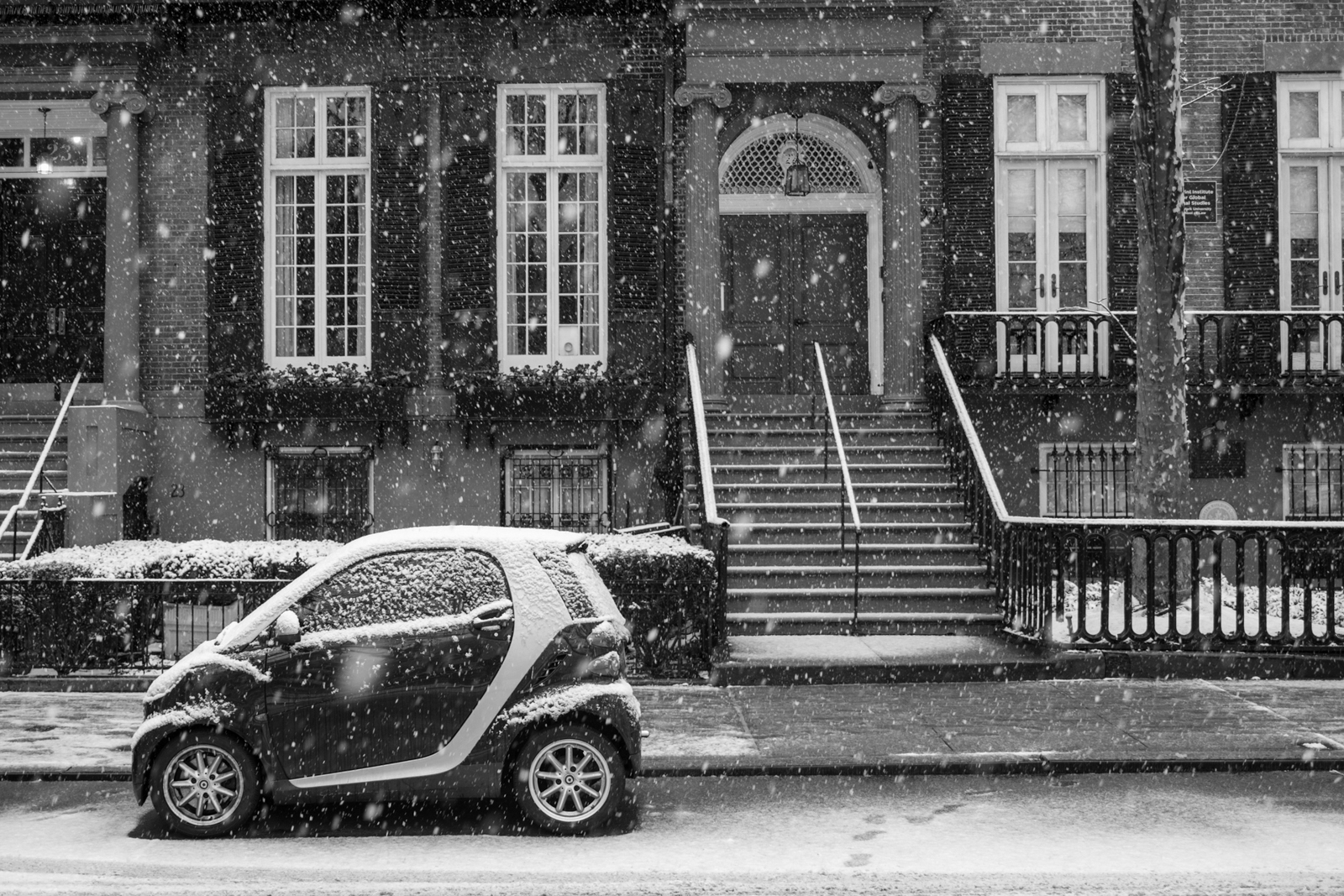
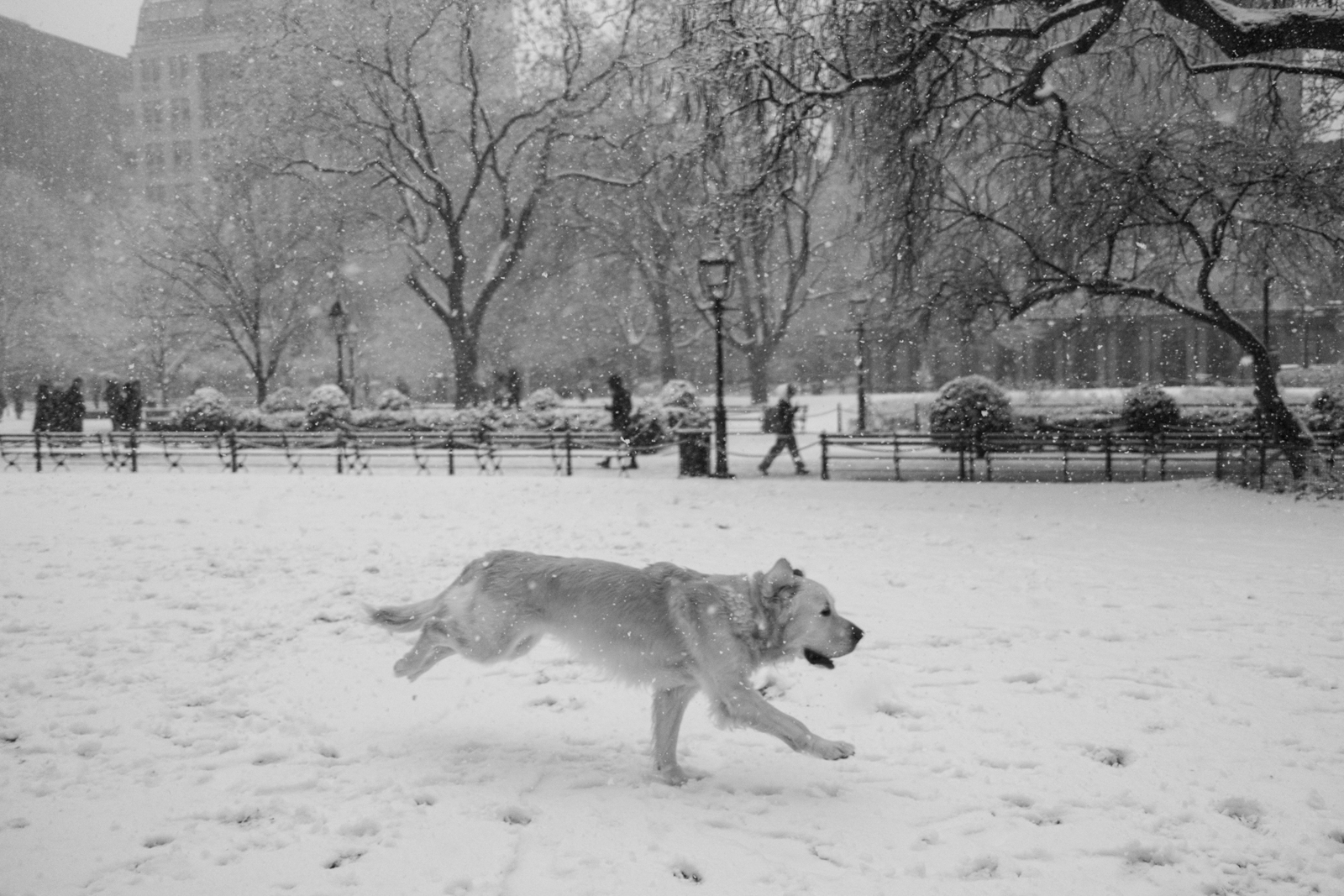
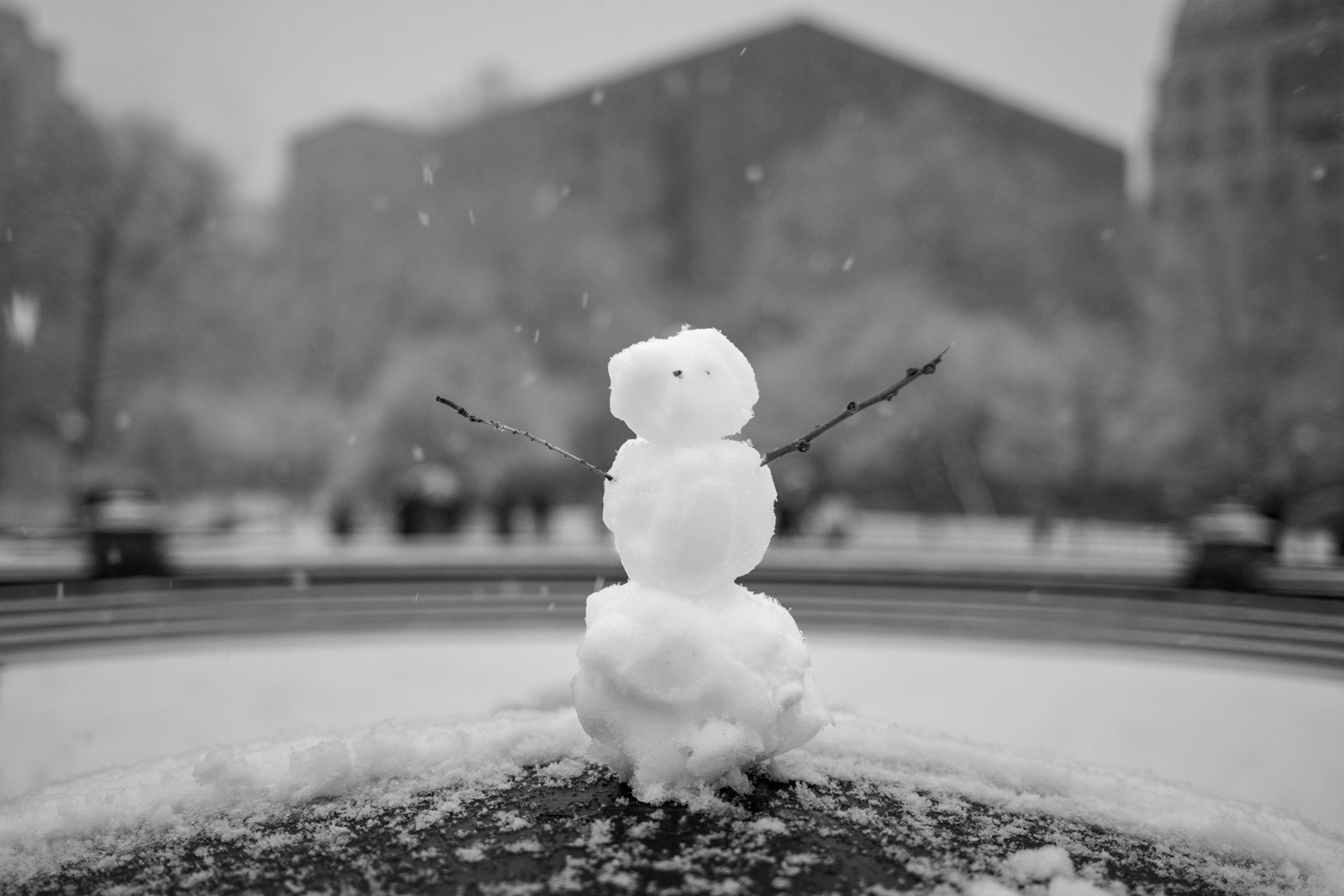
Co-teaching alongside Steve Simon is always a masterclass in itself, but this year was truly unique. We were met with cold, biting wintry conditions, but the reward was a beautiful, magical snowfall that transformed the grit of the Manhattan streets into a cinematic dreamscape.
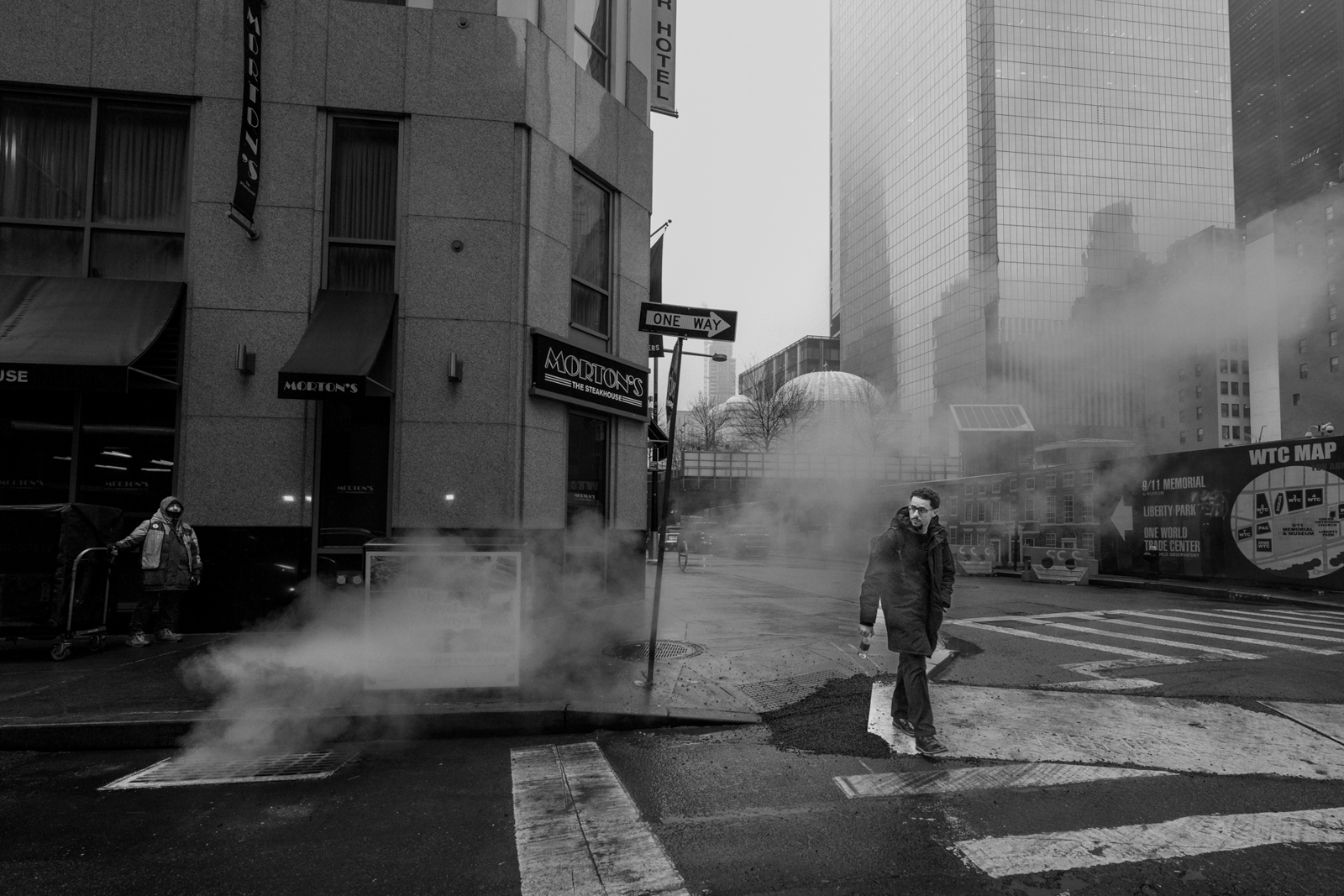
Chasing the Steam
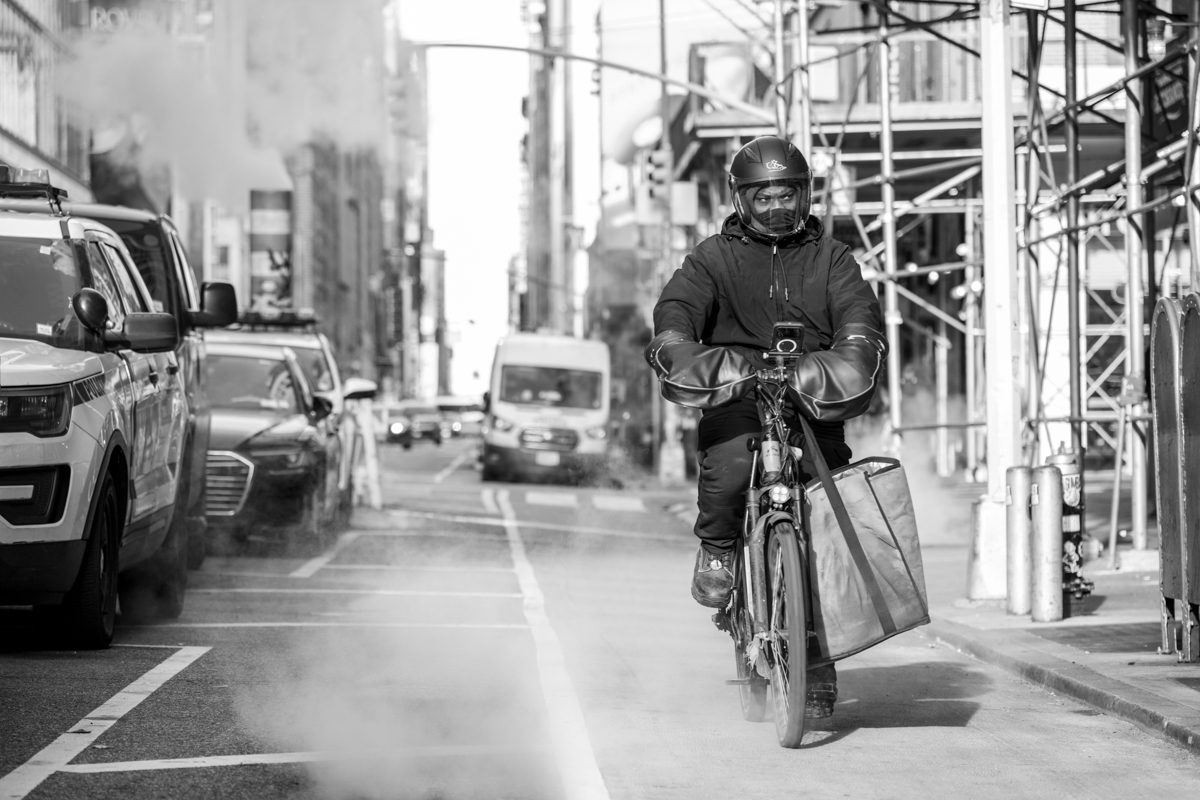
One of the highlights of this workshop was what I call “chasing the steam.” It’s a bit of NYC lore that many visitors miss: Manhattan is the only city in the world with such a massive district steam system running beneath the streets, allowing buildings to hook up directly for heating.
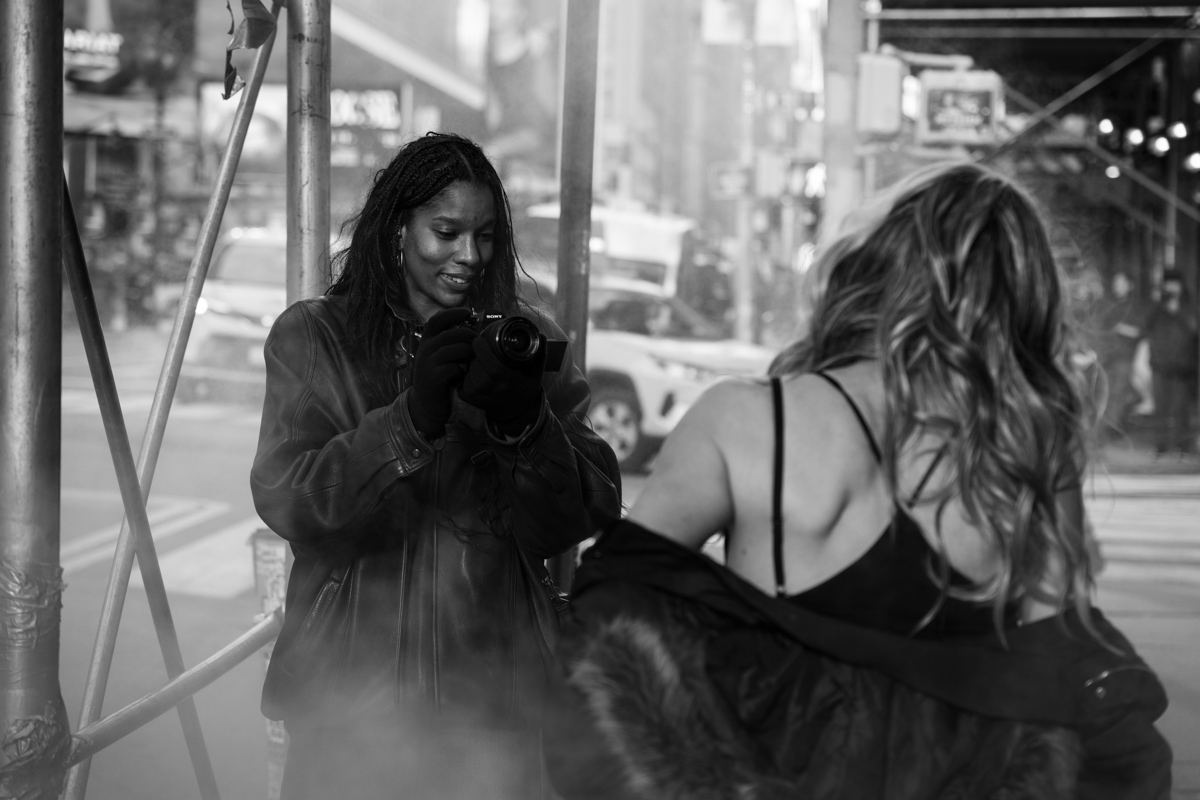
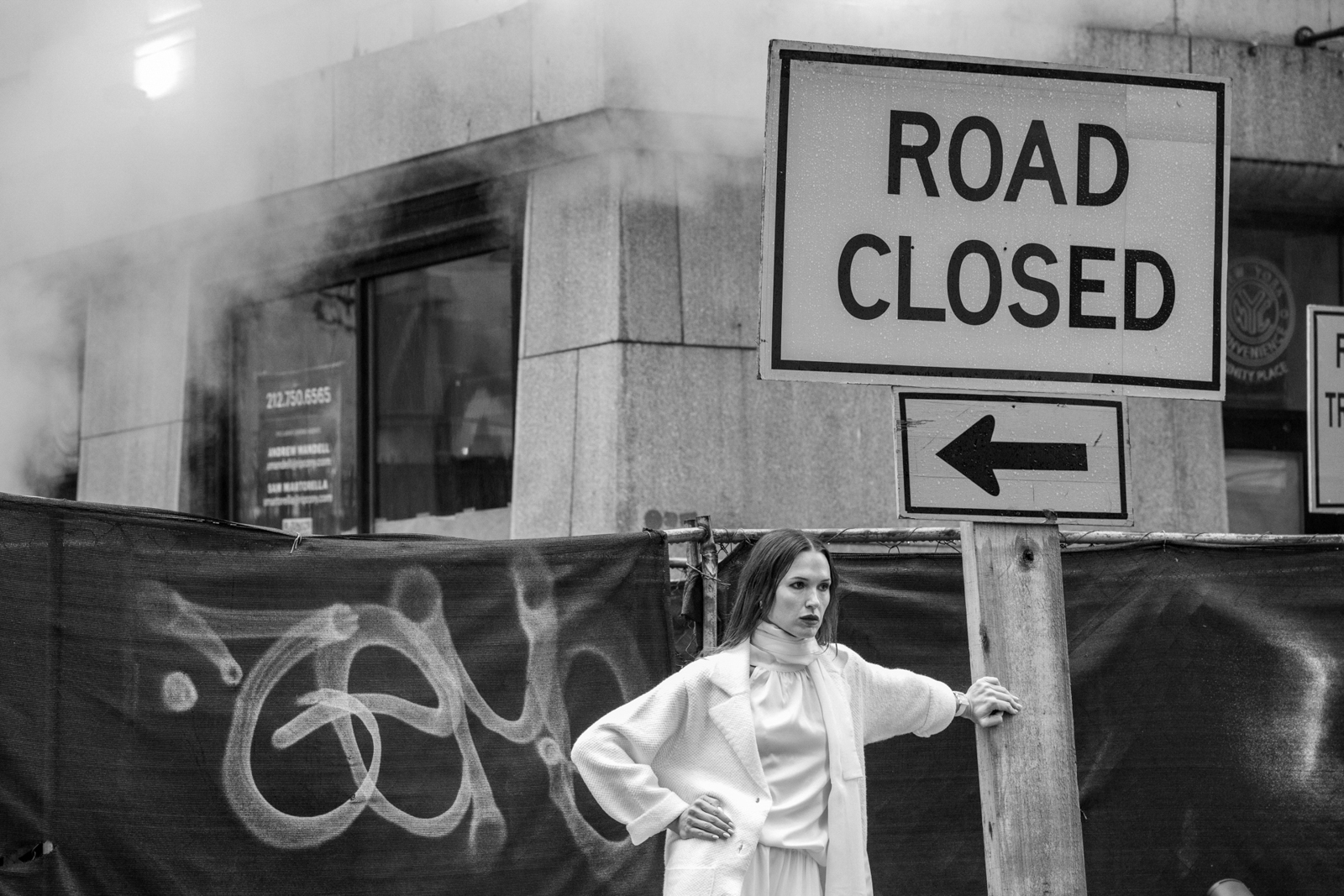
For a photographer, those iconic white plumes rising from the asphalt are pure gold. They provide layers, texture, and a sense of mystery that is quintessentially “New York.” We spent time teaching the students how to use that steam to back-light subjects and create atmosphere. It was a thrill to see them master the technical challenge of metering for those ephemeral clouds against the dark, wet city streets.
An Intimate Circle of Talent
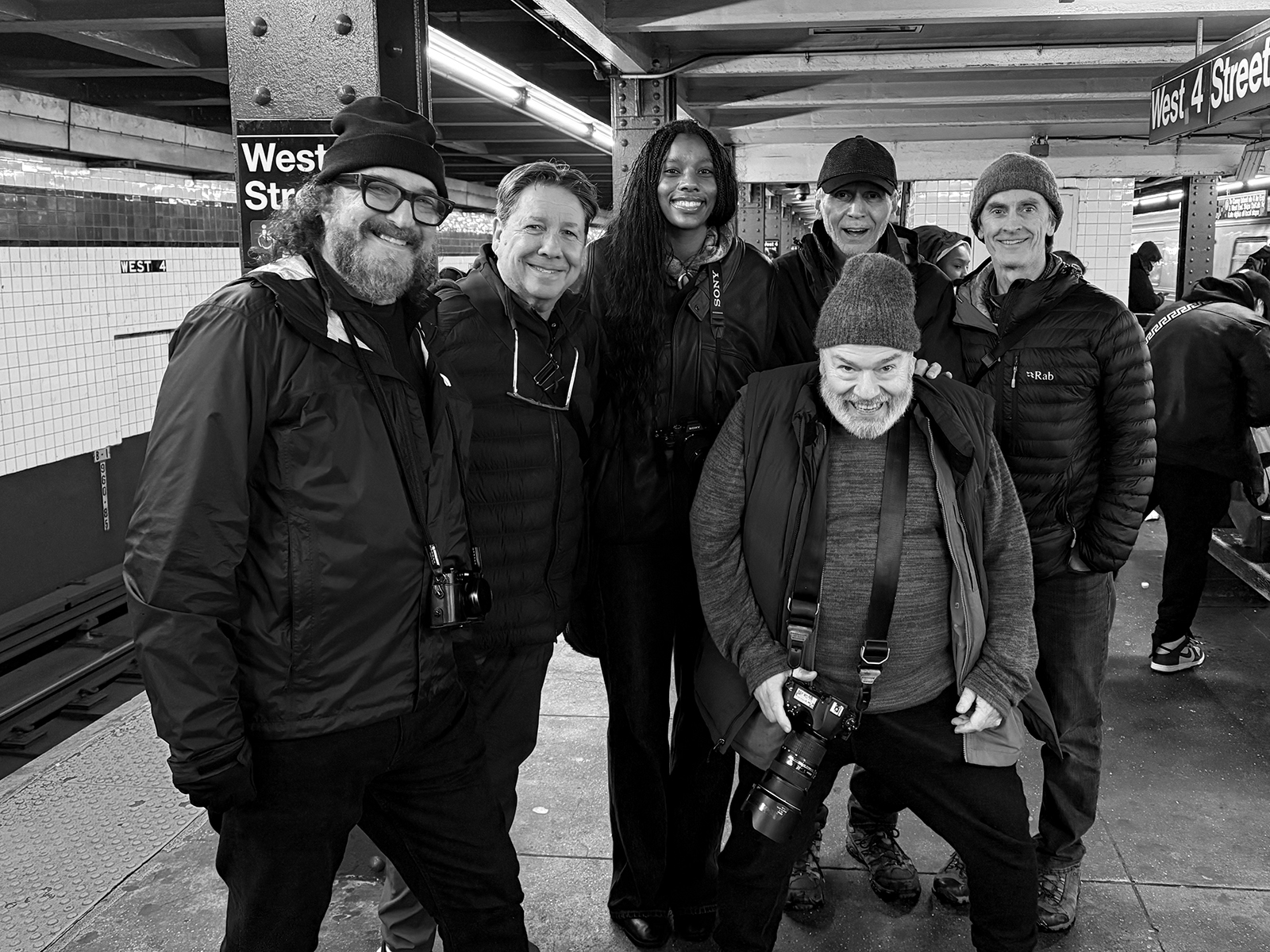
While the weather and the steam were highlights, the real story of the weekend was the group. With a total of four participants, the workshop became an incredibly intimate intensive. I’ve led many workshops, but I have to say, it was a true honor to be surrounded by such talented students. In such a small group, there is nowhere to hide—and these four didn’t want to. They leaned into the cold, pushed their creative boundaries, and showed a level of technical proficiency and “eye” that made our critique sessions some of the most vibrant I’ve ever been a part of.
Three Days of NYC Soul
We pushed the group hard, covering a massive amount of ground to ensure they saw every facet of the city’s winter personality:
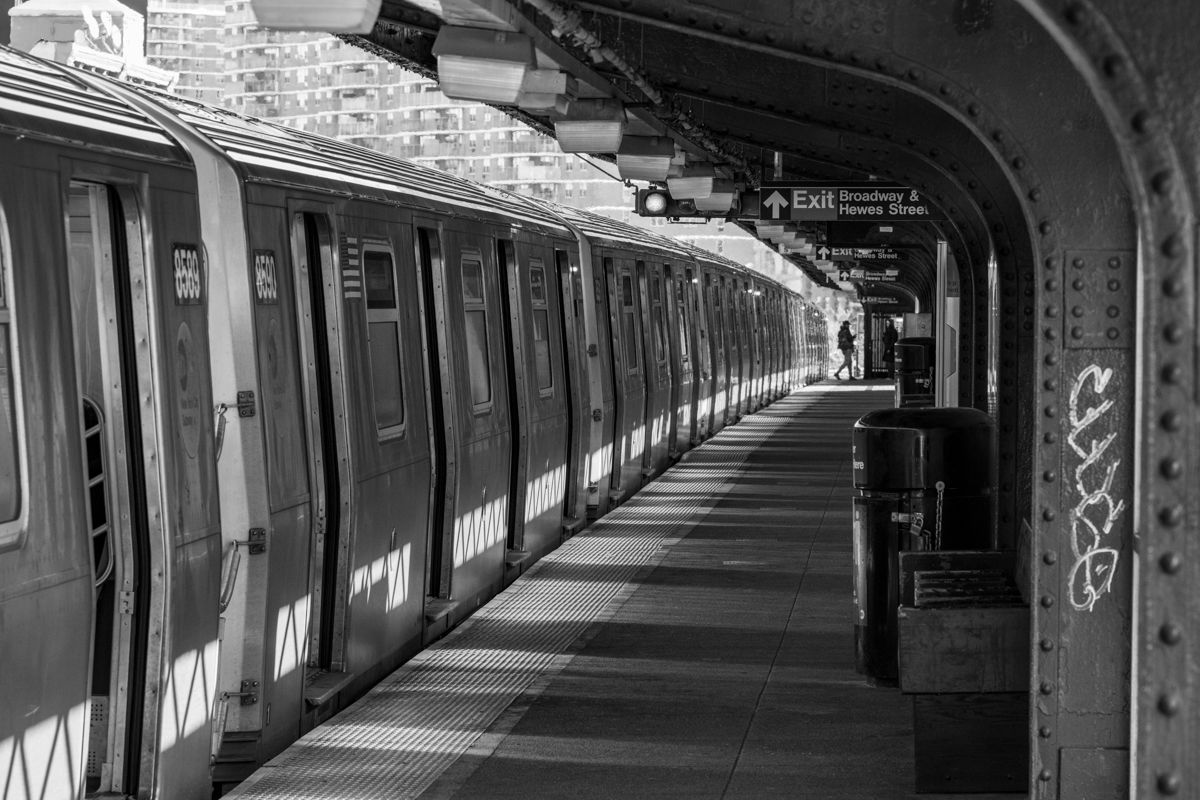
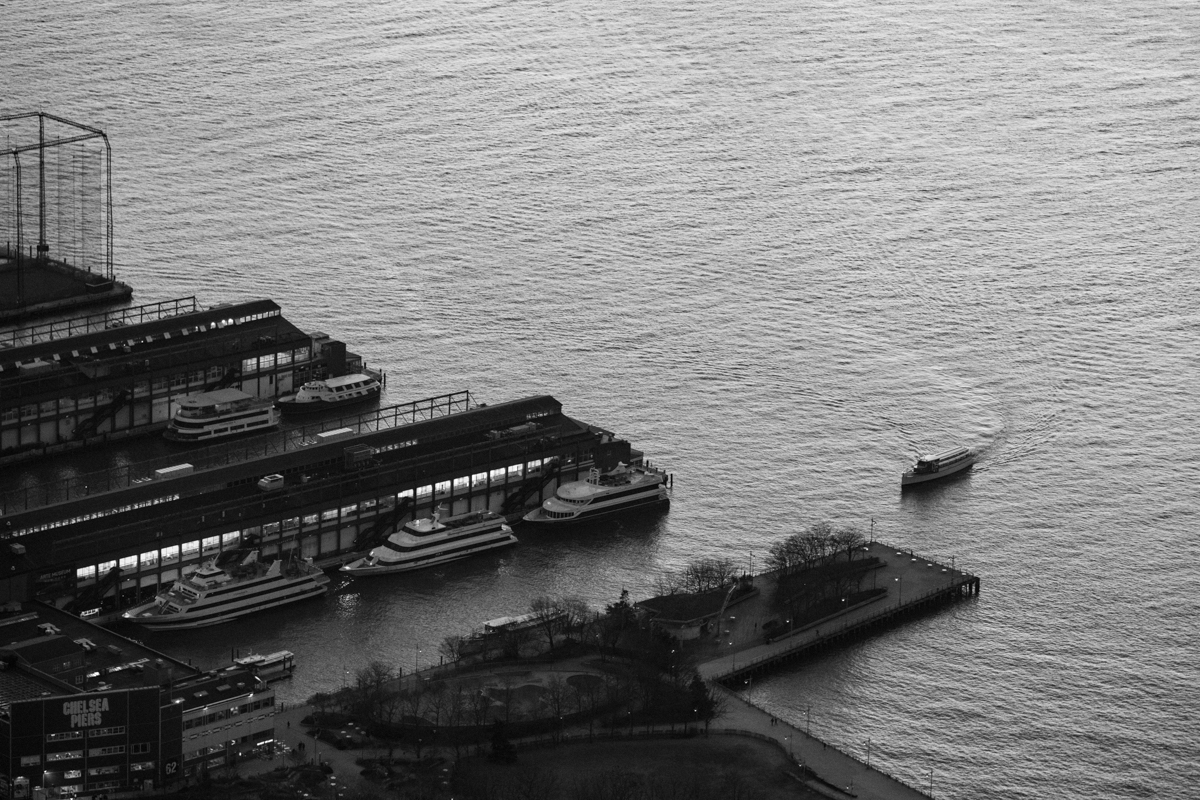
Day 1: The Highs. We kicked things off in Williamsburg before a high-energy shoot at Herald Square. We ended the day at the Edge Observatory and thawed out over a fantastic group dinner at Electric Lemon.
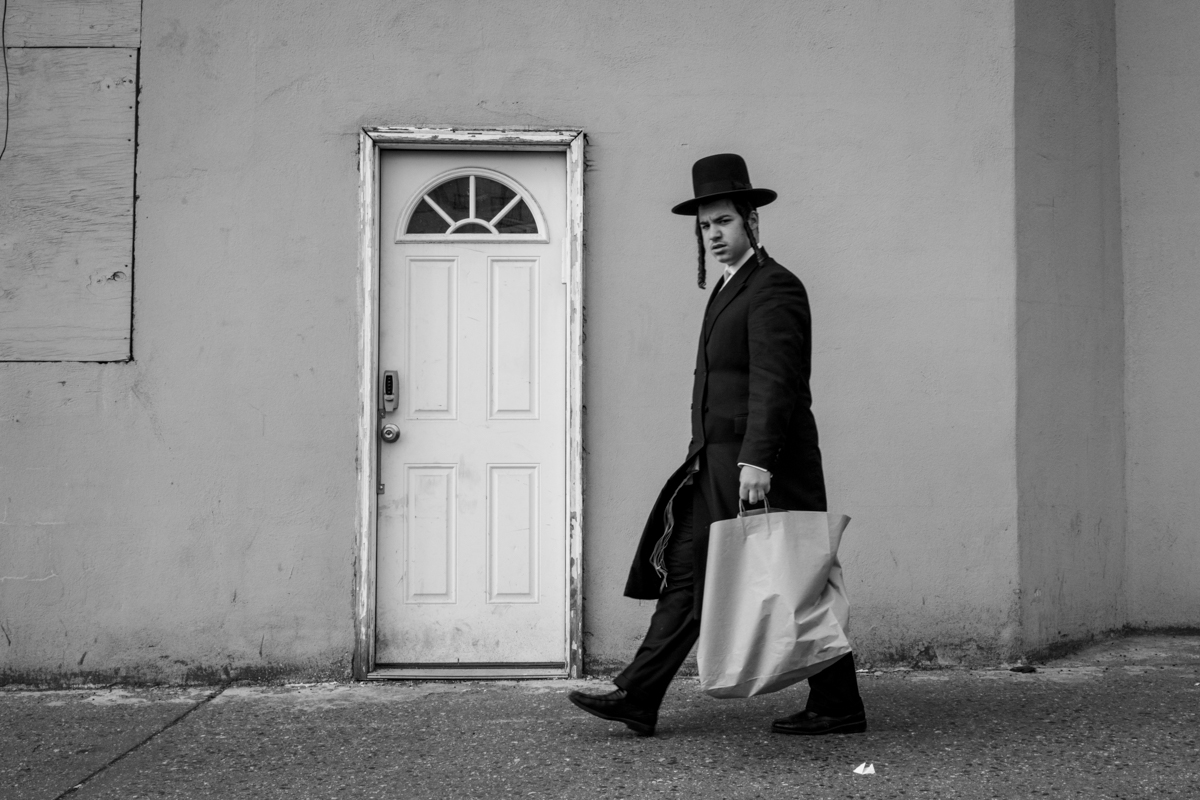
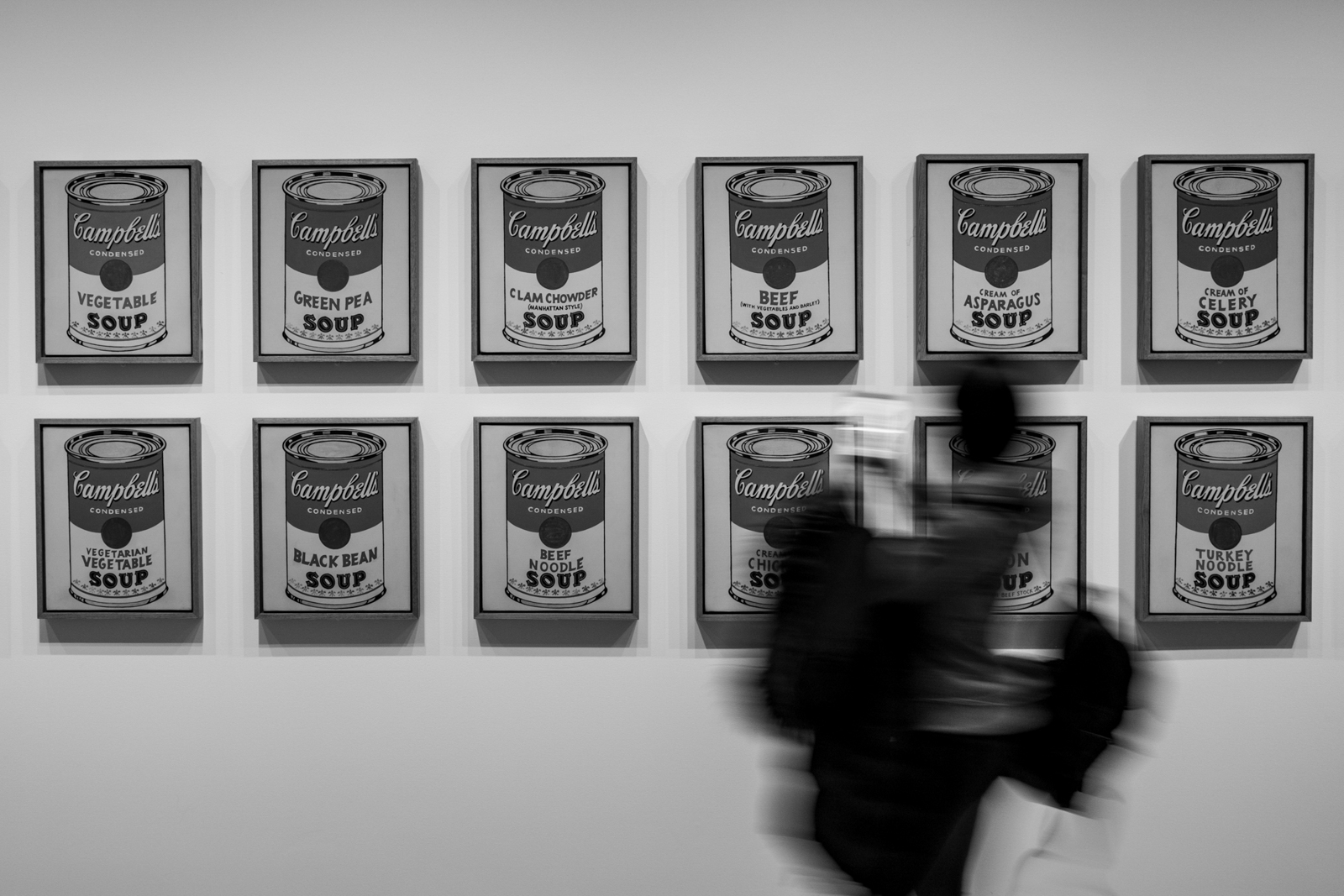
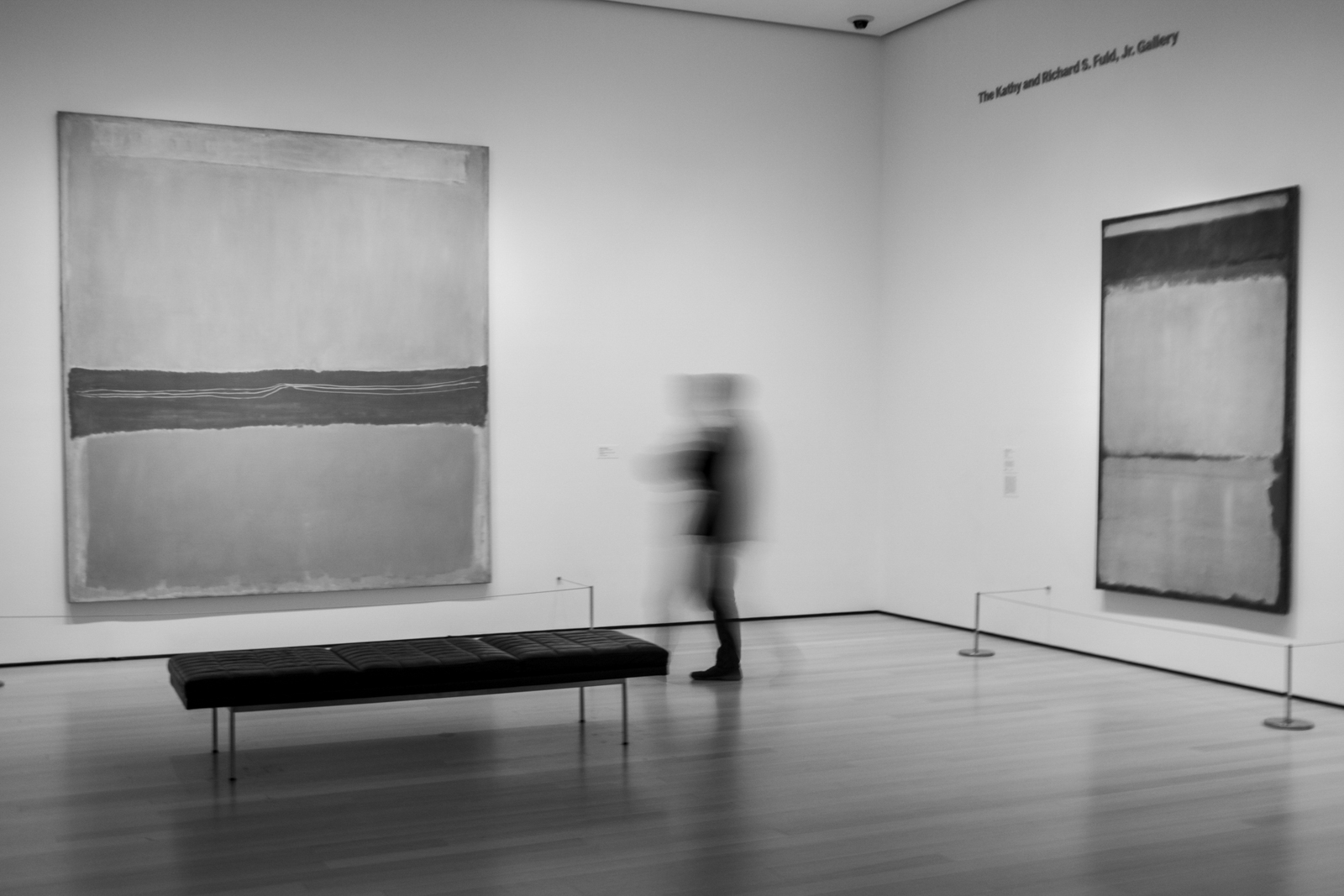
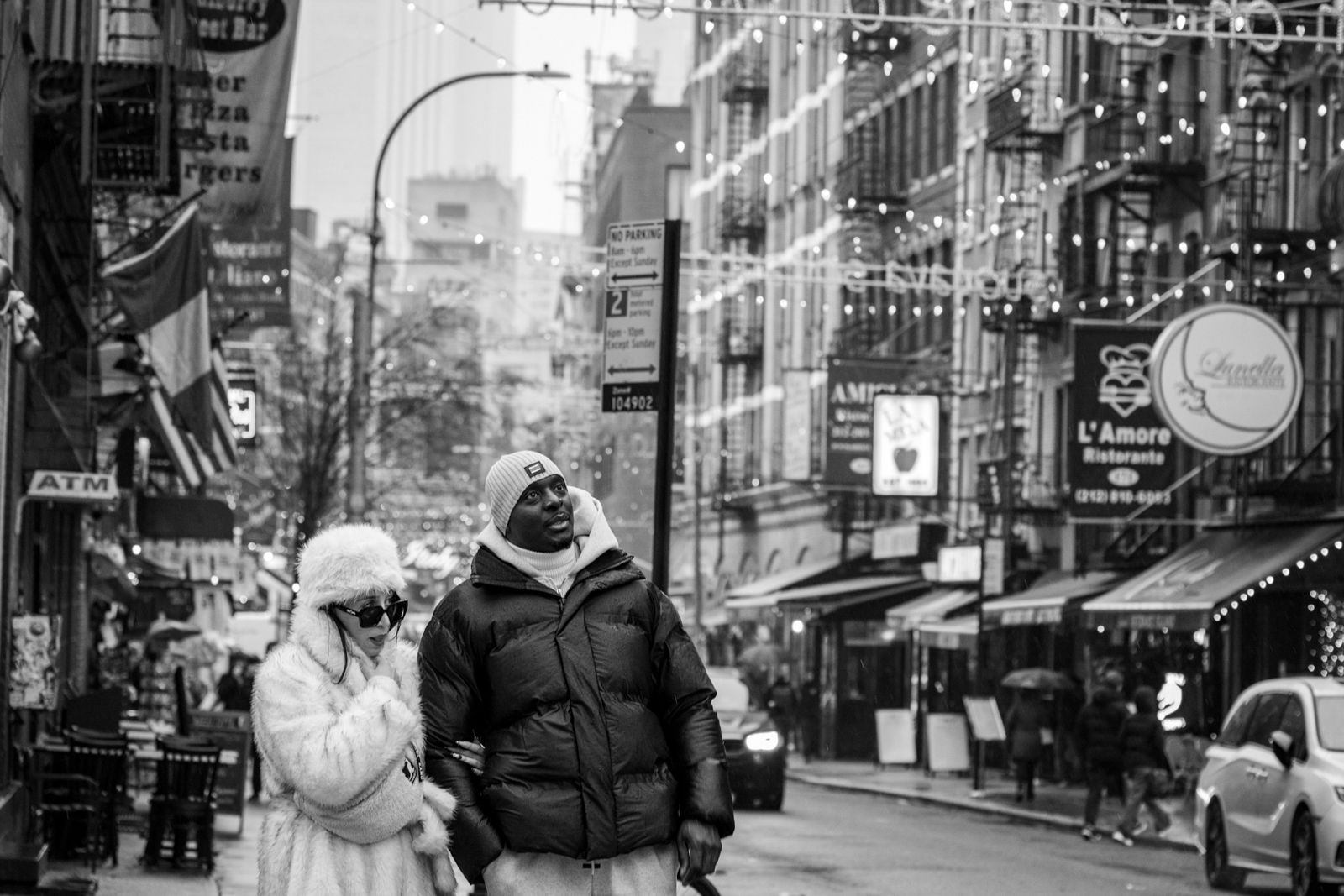
Day 2: The Heart. We moved from the curated art of MoMA to the raw energy of Washington Square Park. The snow began to work its magic as we hit Chinatown, eventually capping the night under the golden light of Grand Central Station.
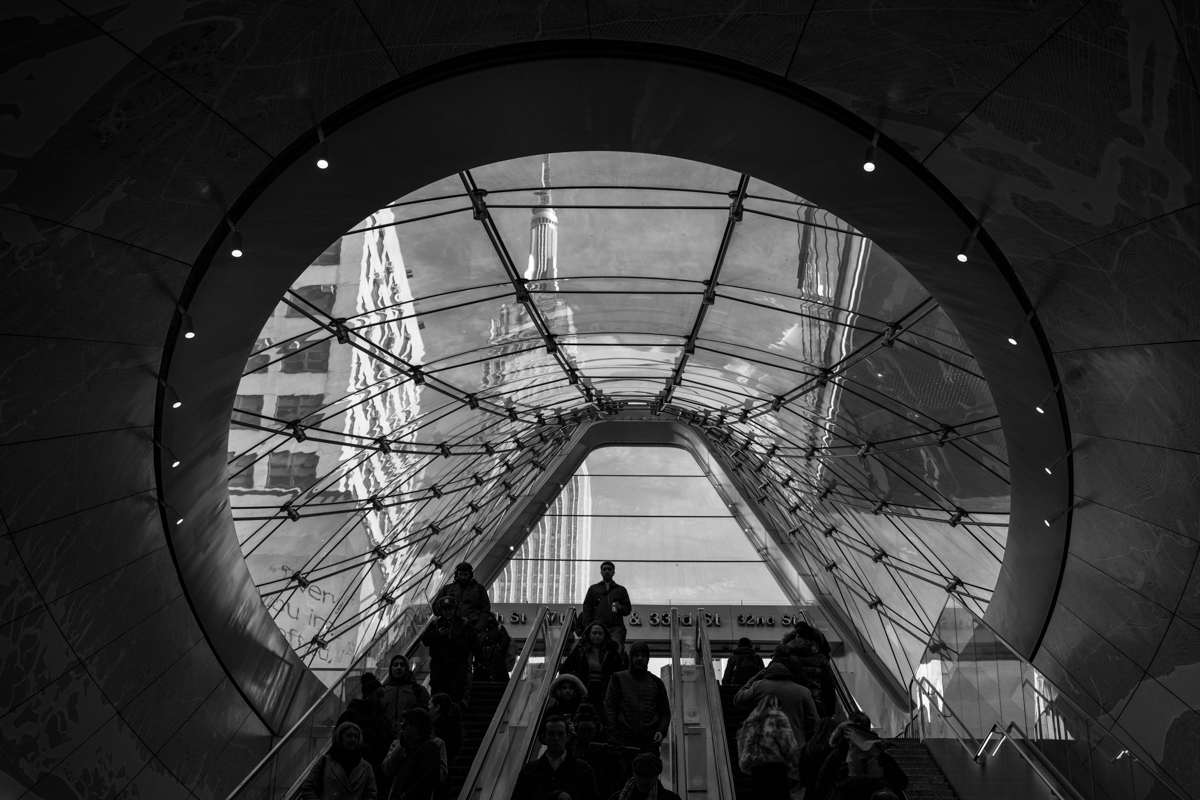
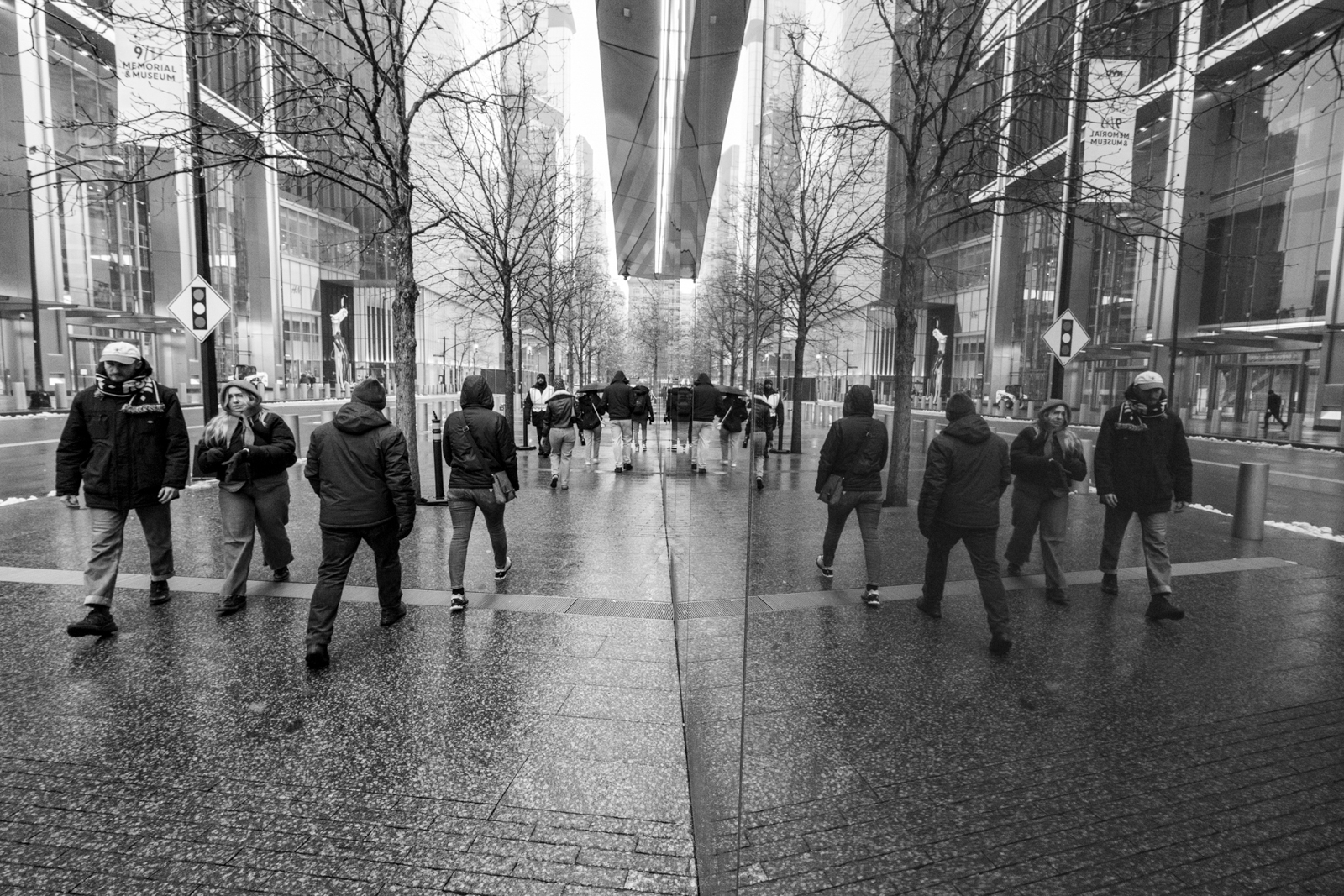
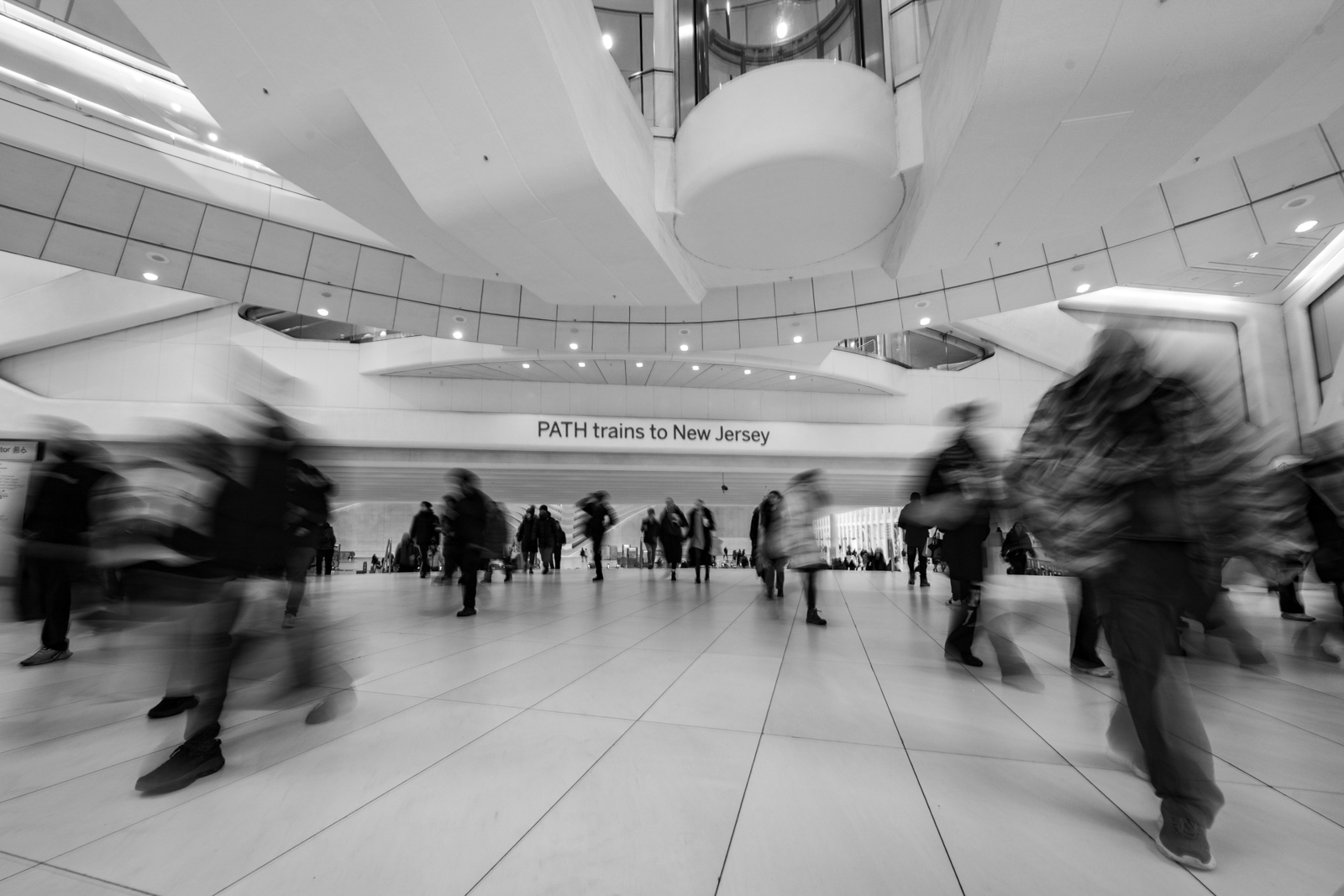
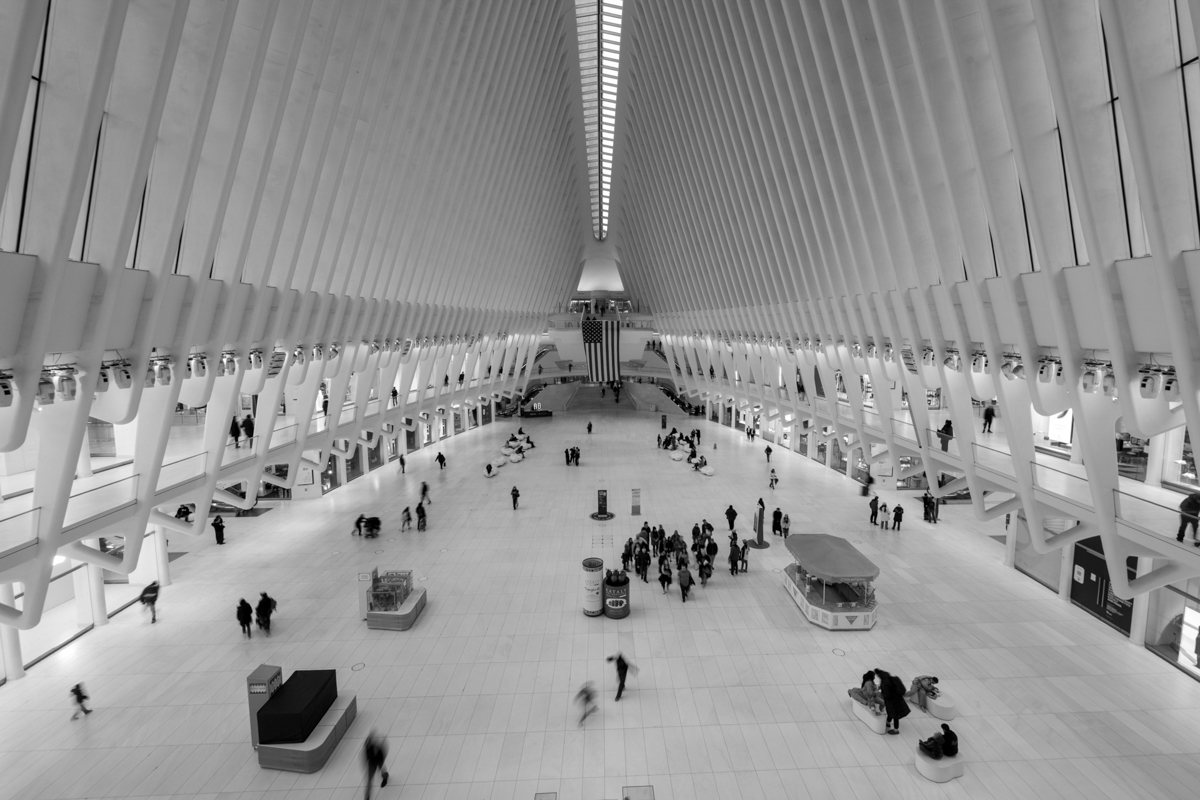
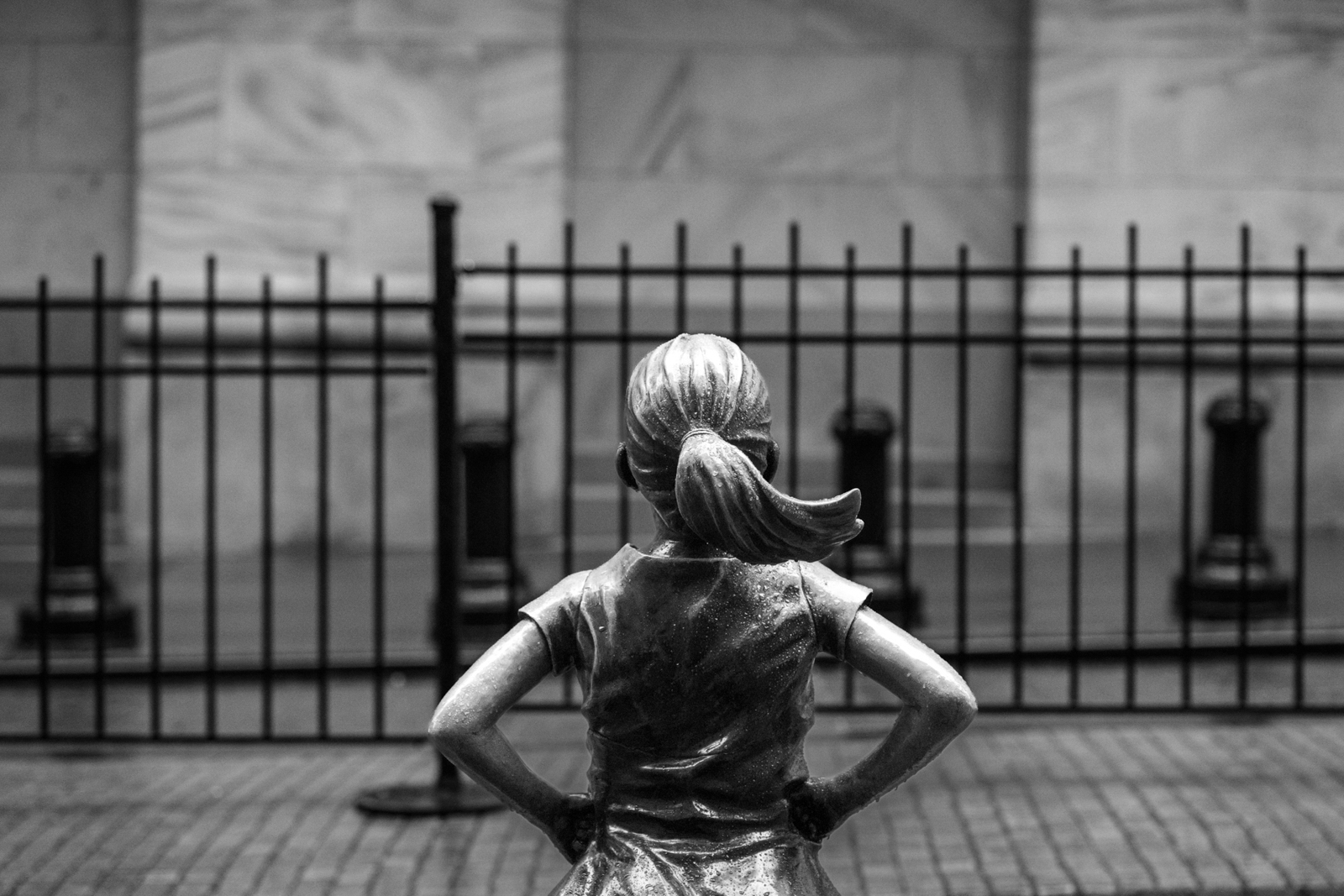
Day 3: The Icons. We focused on the “Fearless Girl” and the skeletal beauty of the Oculus, wrapping up in the vibrant streets of Nolita and the Lower East Side.
The 10,000 Photographs
We often cite Henri Cartier-Bresson’s famous line: “Your first 10,000 photographs are your worst.” This weekend, I watched four photographers fast-track their way through that count, producing work that was mature, thoughtful, and evocative.
To our four students: thank you for your resilience in the cold and for sharing your vision with us. Seeing the city through your lenses reminded me why I love this craft. I’m already looking forward to our post-workshop Zoom session to see how those snowy, steamy frames look after a final edit.

Keep shooting.
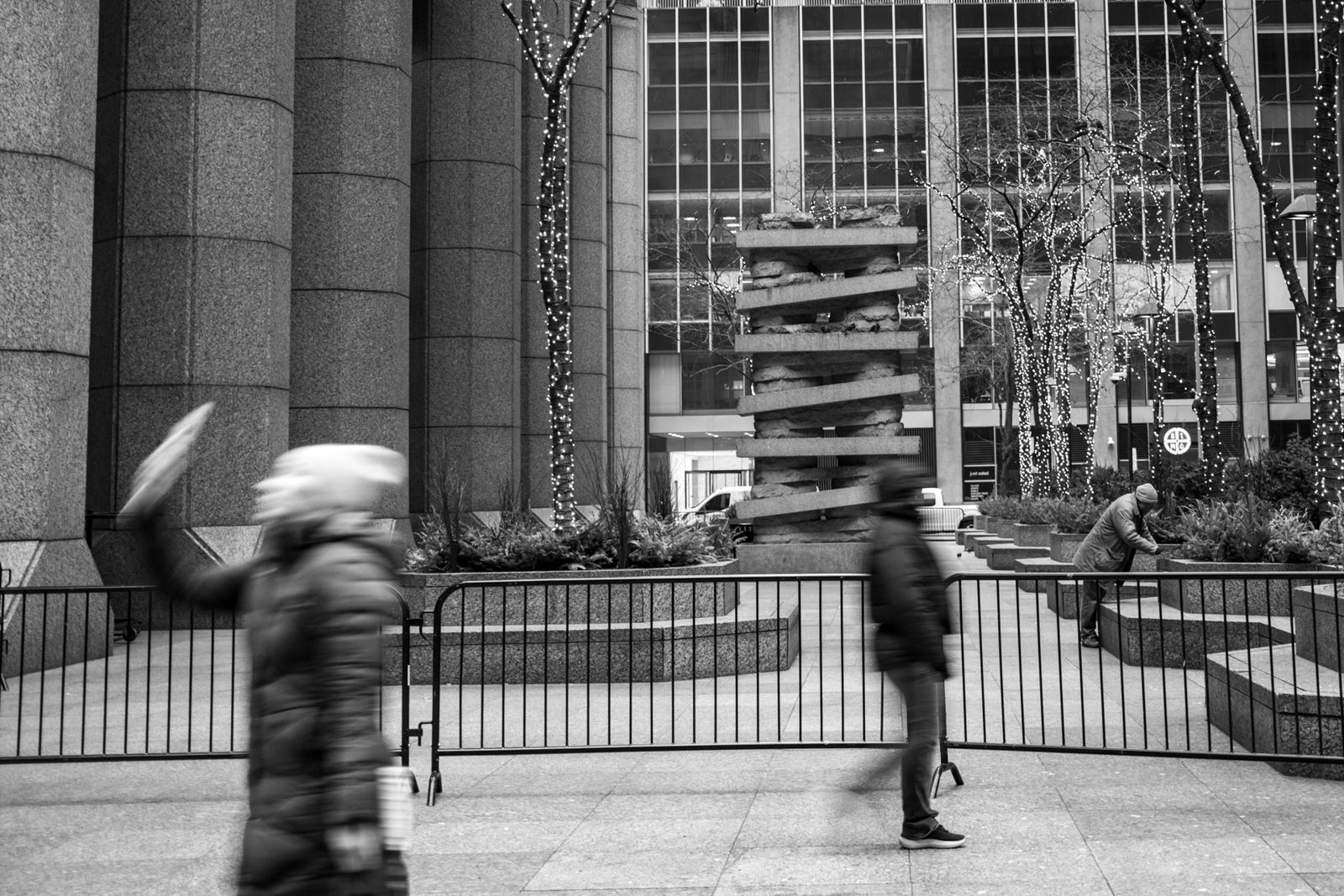
Day One and Day Three images created using Nikon Z9, 24-120 and 14-24. Day two Fujifilm X100VI was used.

What do you think of making work like this in the deep of winter? Leave a comment.

~David

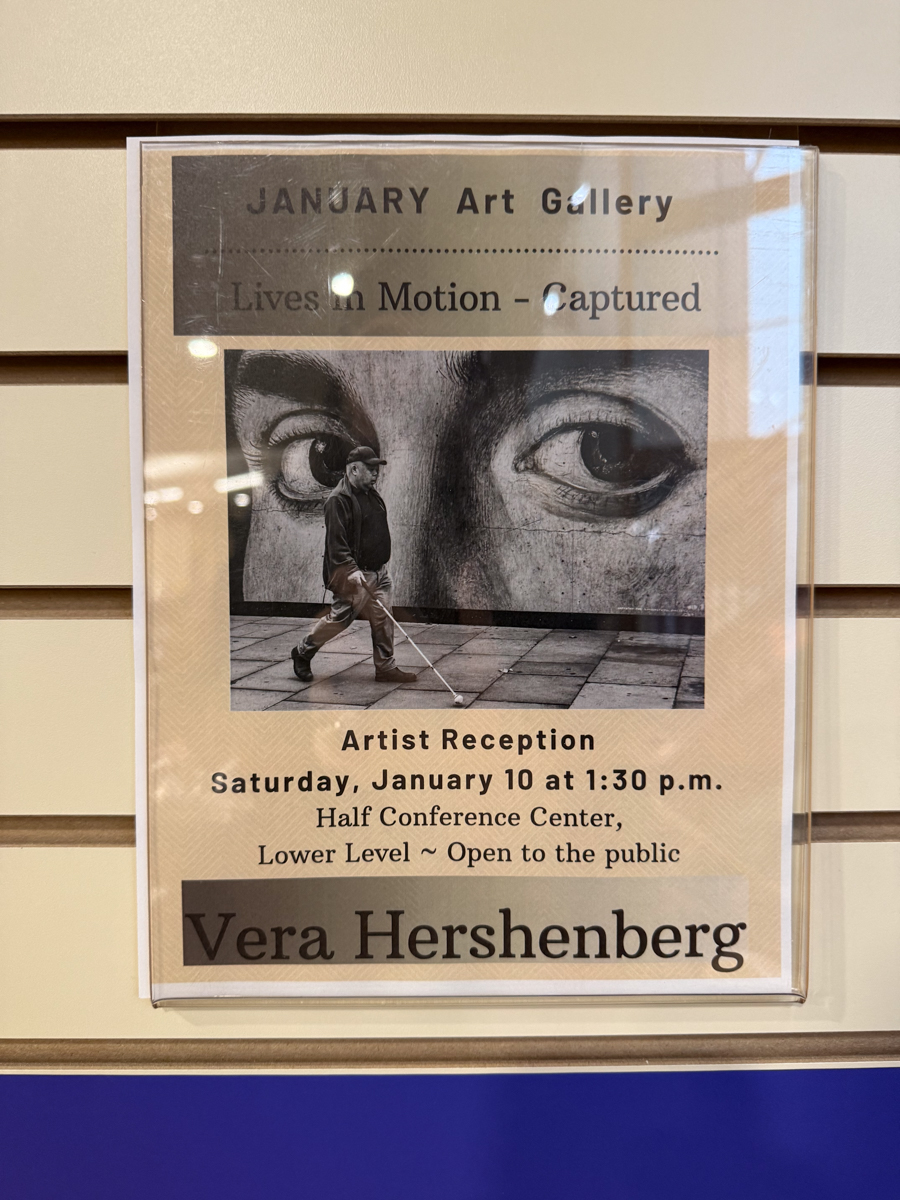
Lives in Motion: Vera Hershenberg’s Photography Exhibition

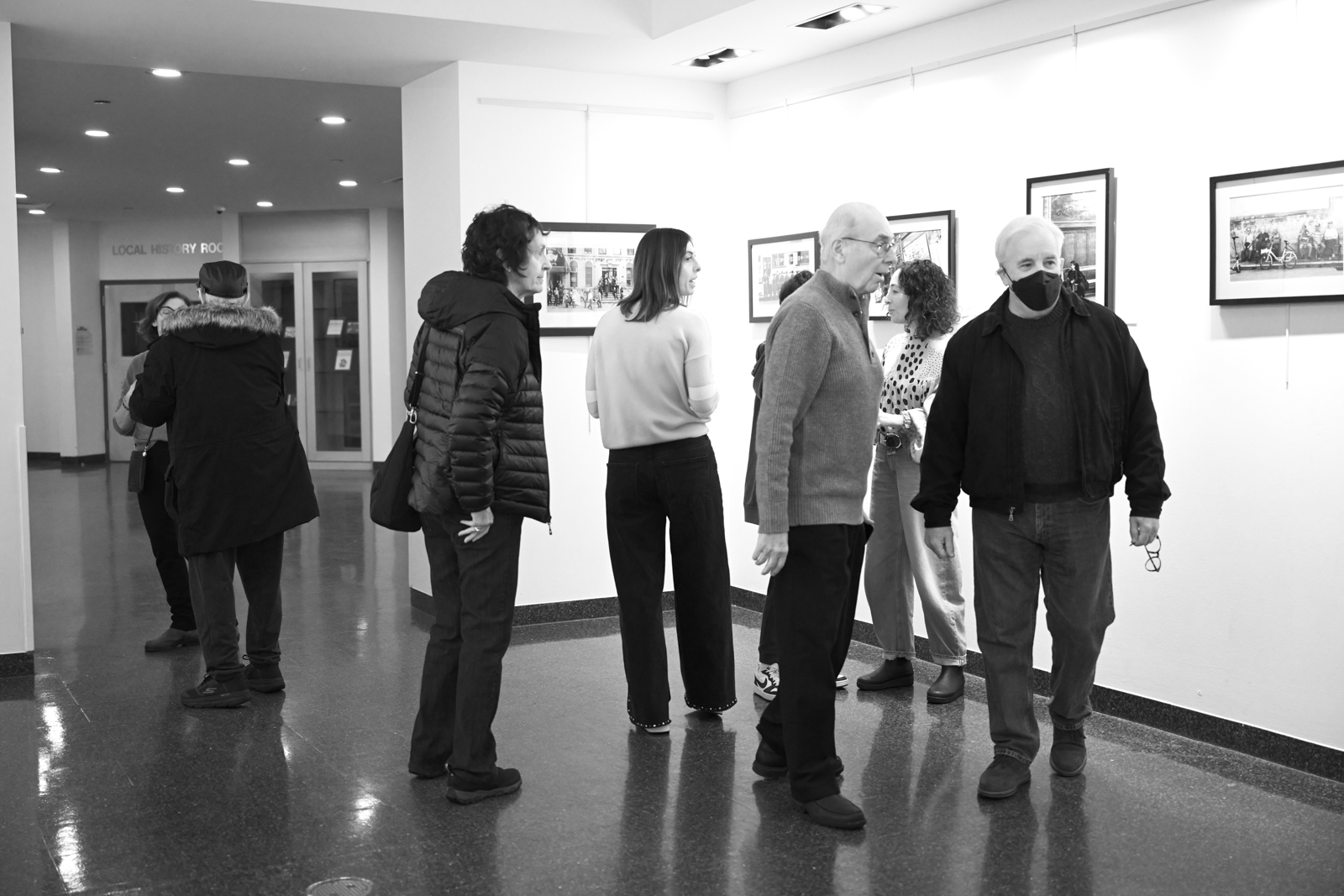
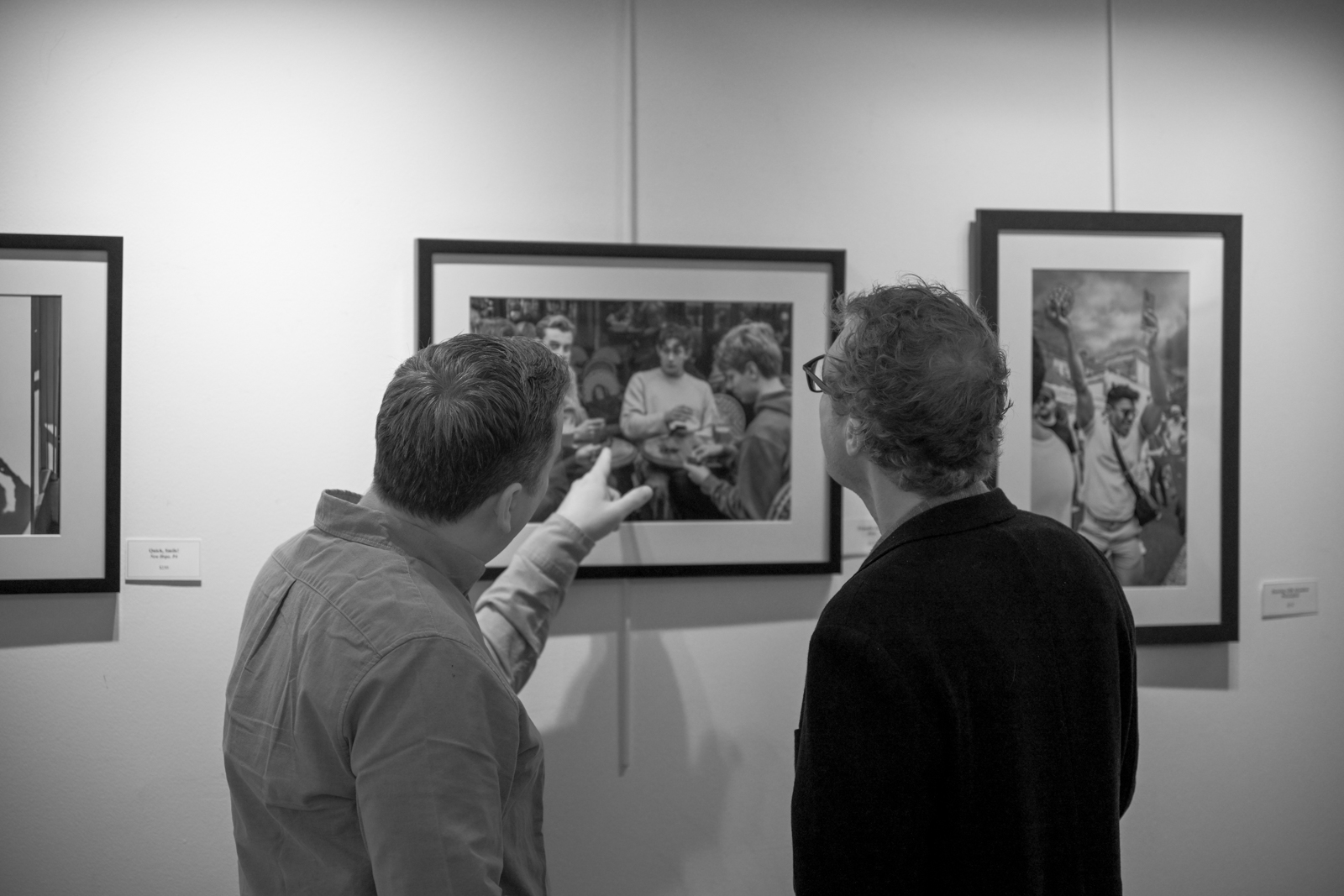
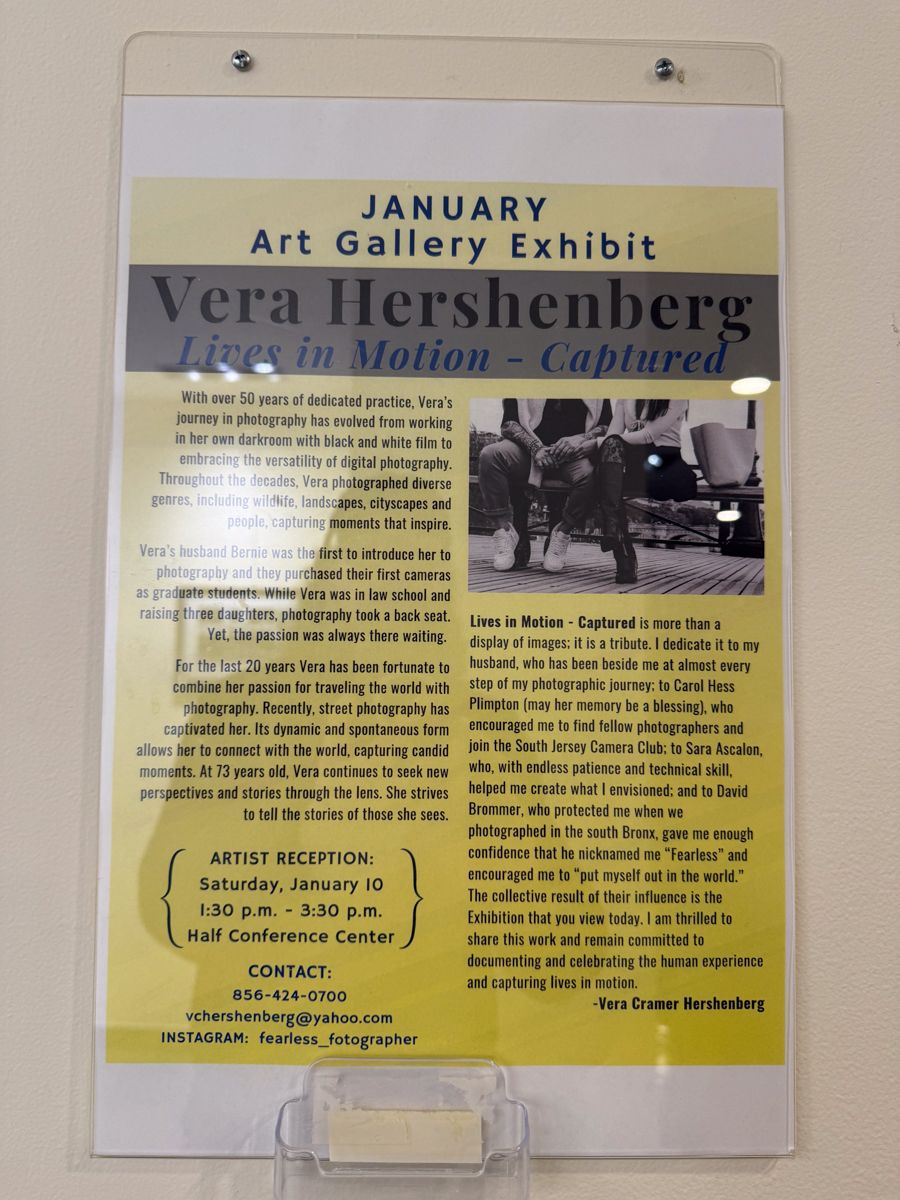
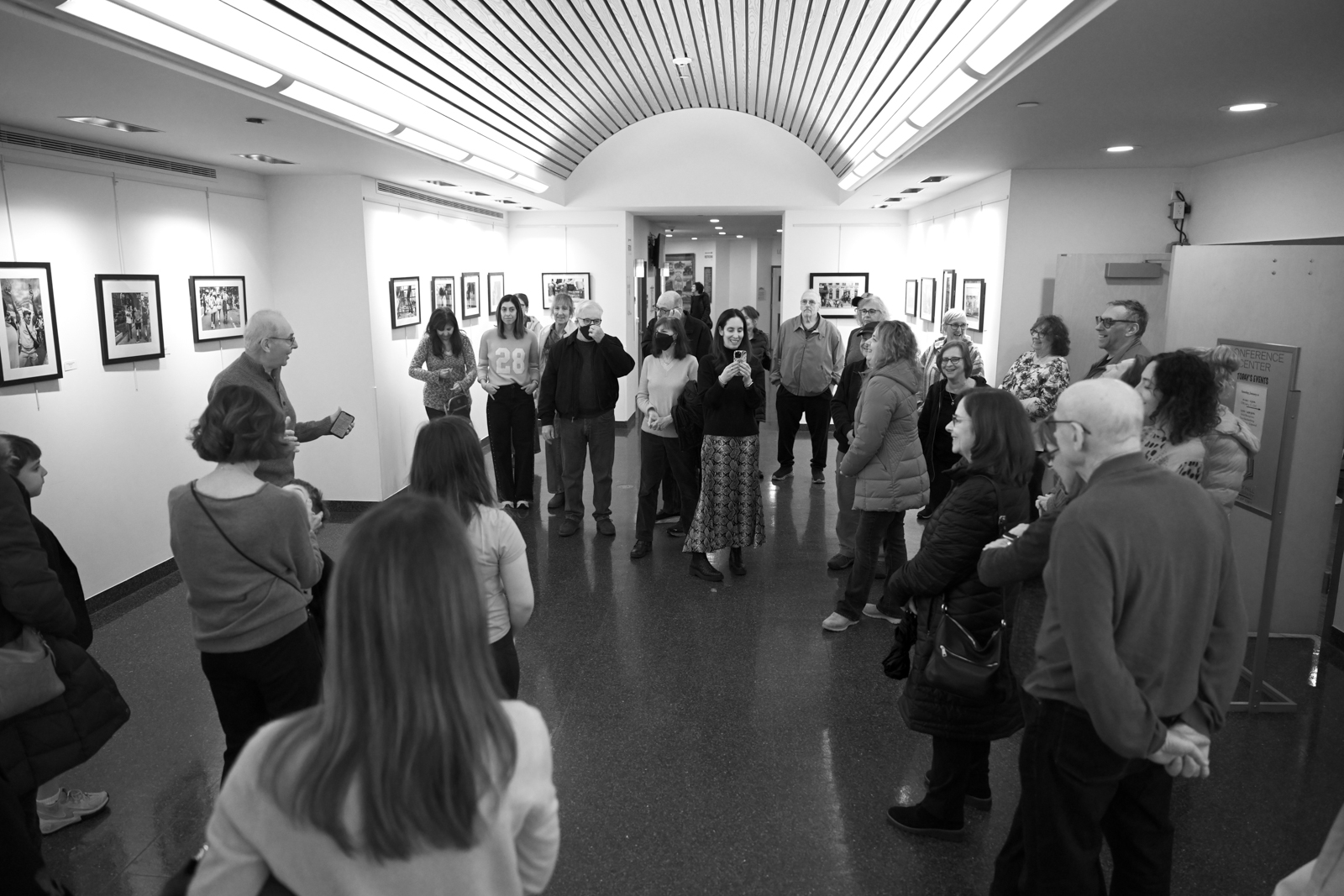
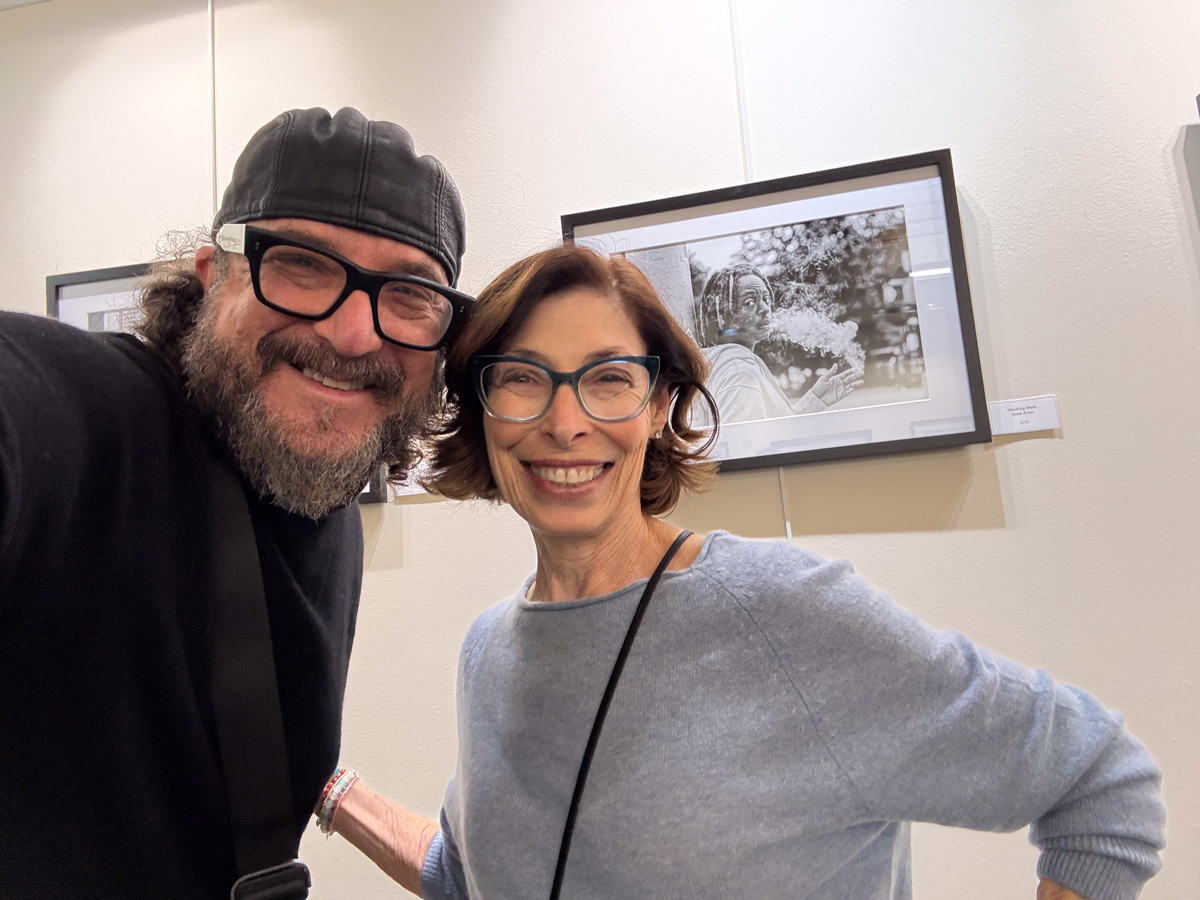
Two years ago I received an email from one Vera Hershenberg asking questions about our NYC Spring Street & UN workshop. It took a little pushing and logistical maneuvers, but she joined us on our inaugural workshop. I spent some time working with Vera, making sure she was in control of the camera and getting what she saw in the files. That was Vera’s strength. She “sees” and she goes for it. Over the workshop she earned the nick name “Fearless” because when she raises her camera chasing what she sees, Vera knows no fear. So it was that we worked in the Bronx, Harlem, East Village and the rougher edged neighborhoods for over a year where Vera shined. Her fearlessness rubbed off on the other work-shopers and made them go a little further too. Vera has chosen street photography late in her life and I am honored to be her camera whisperer. She attended the first Suspect Photography Retreat In the Woods and took advantage of the wise instructors to show them her work and help her organize it for an upcoming exhibition. This past weekend was the opening of her show, Lives In Motion – Captured. The show was so excellent, that I’m going to compare Vivian Maier to Vera Hershenberg, albeit with a conditions. For now, let’s let the work speak for itself.

The gallery was located in the Cherry Hill Public Library. Excellent wall space to fill with work. Vera invested in quality framing and had a friend from the local photo group help with the printing (Canon Printers were used).

Vera’s work engaged the viewers.

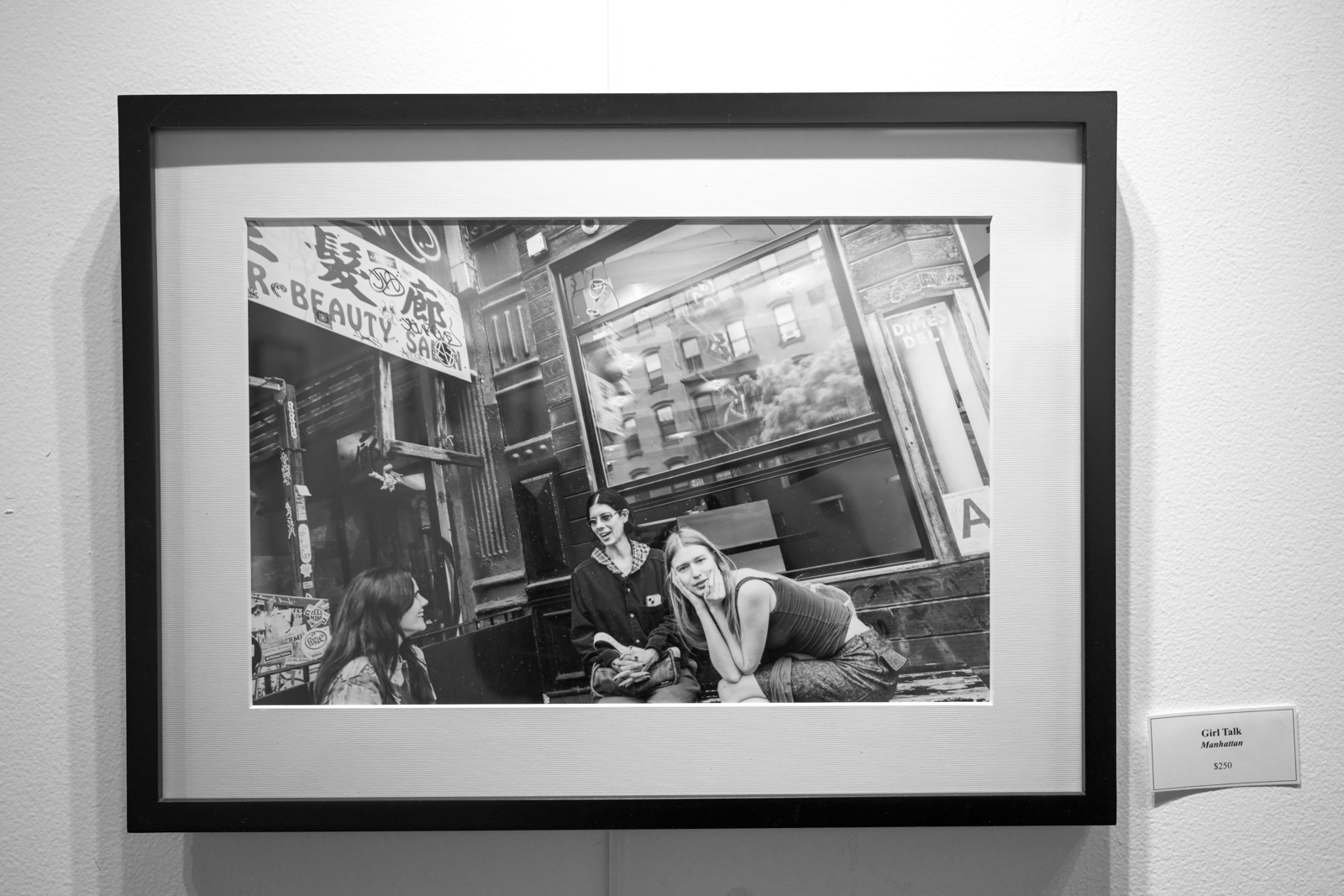
Girl Talk was made on our spring NYC workshop. I recall discussing it with the class during our review sessions. While I liked the image then, to see it printed properly made the image sing. The geometry is stunning, the gesture beacons, and it’s a true Street Photo of the candid nature.

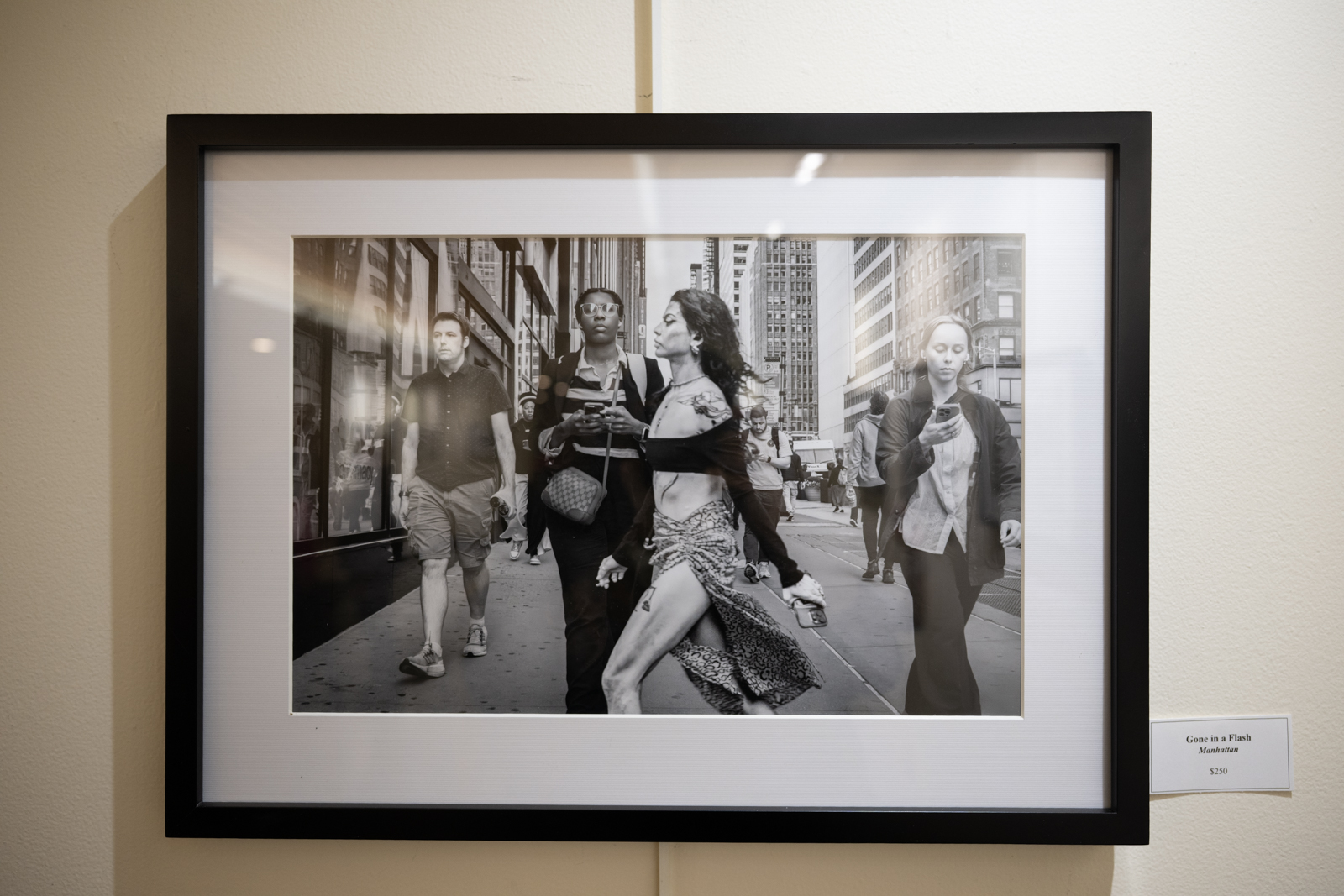
Gone in a Flash is perhaps my favorite image. It begs a long look and tells so much of a street story taking place across an elaborate composition.

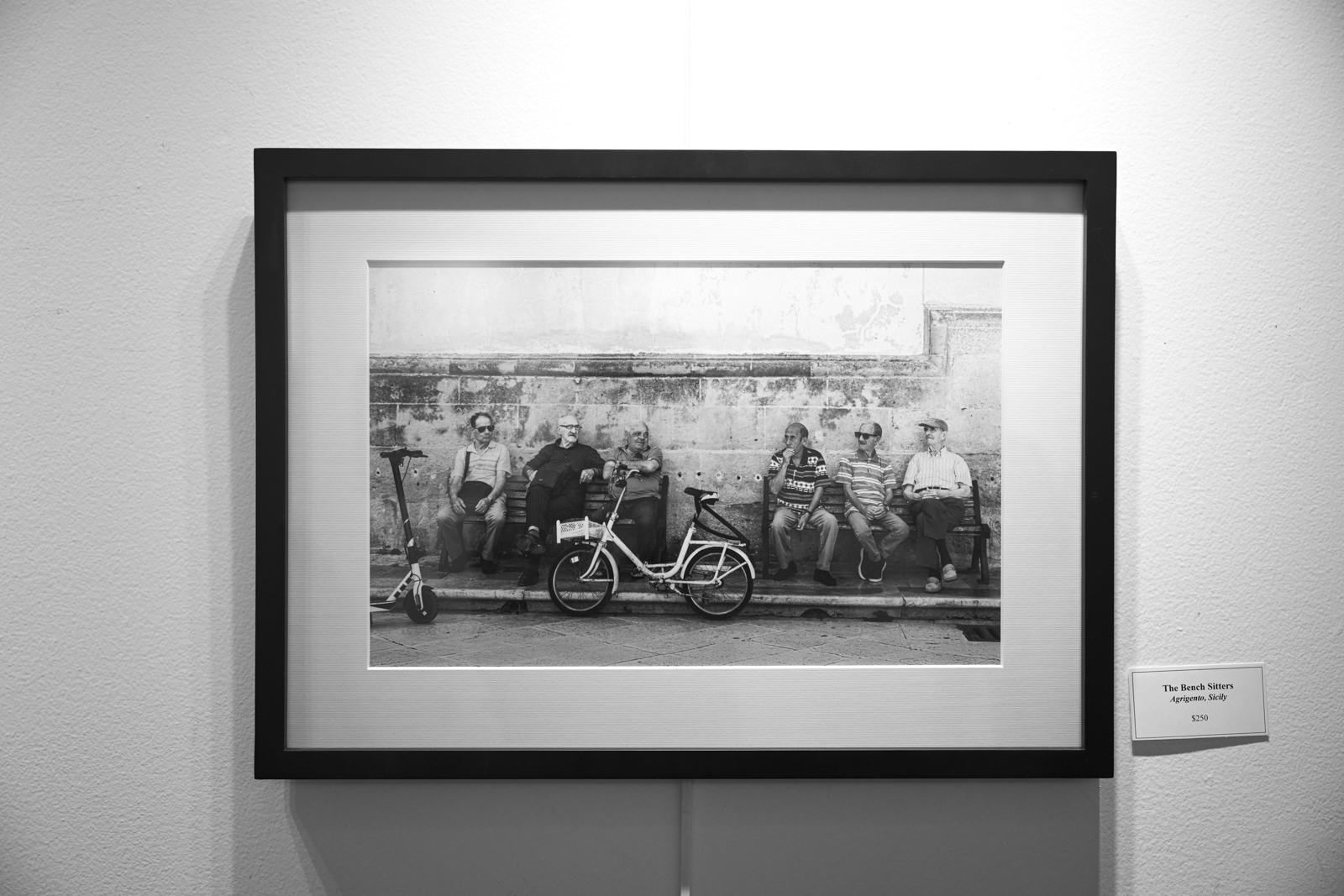
The obligatory old guys sitting behind a bike photo. I think this show hit a number of high notes and many mid-highs, it’s images like these that are the brick and mortar of a show.

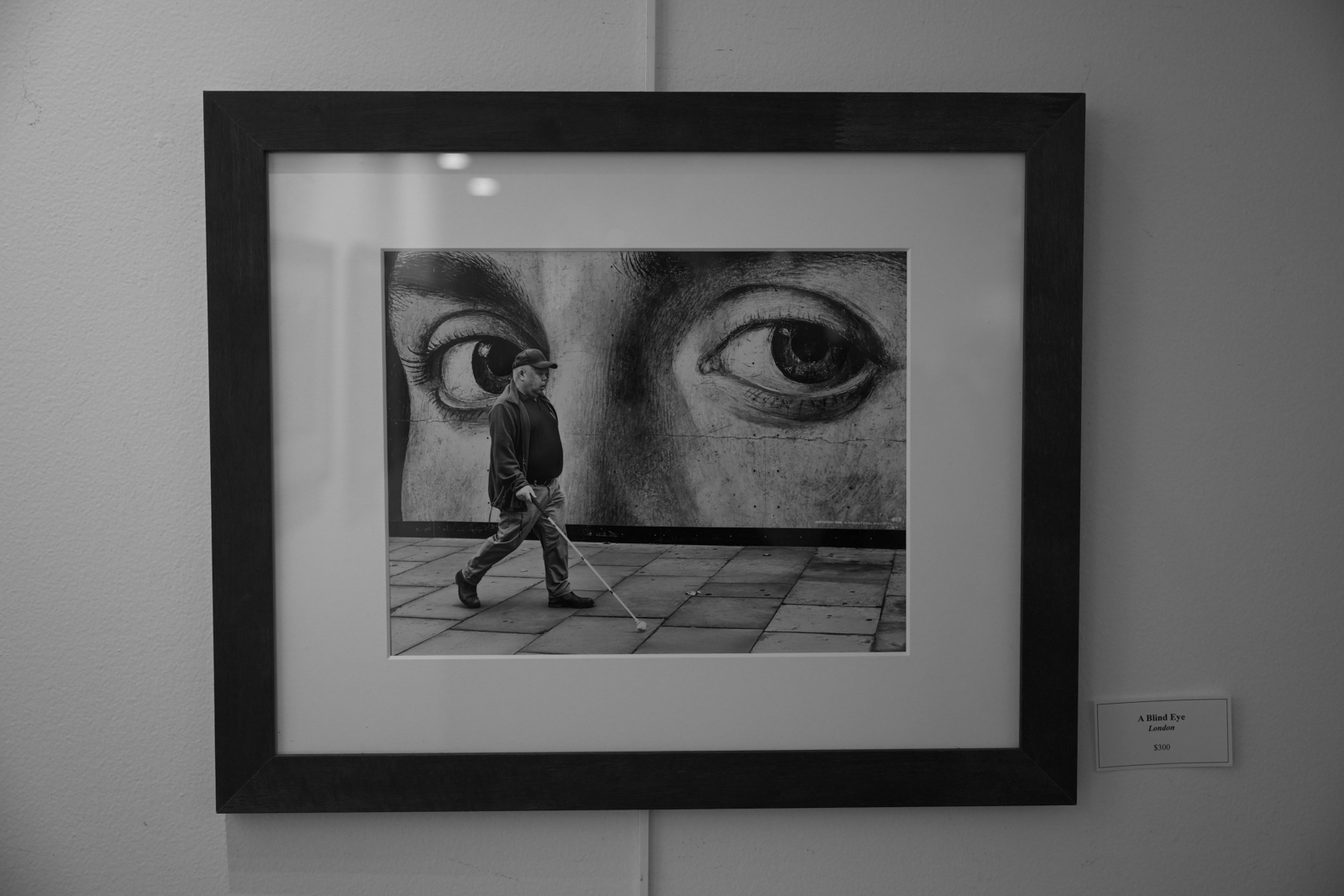
And then a Blind Eye is presented. A perfect street photo worthy of a Magnum photographer.

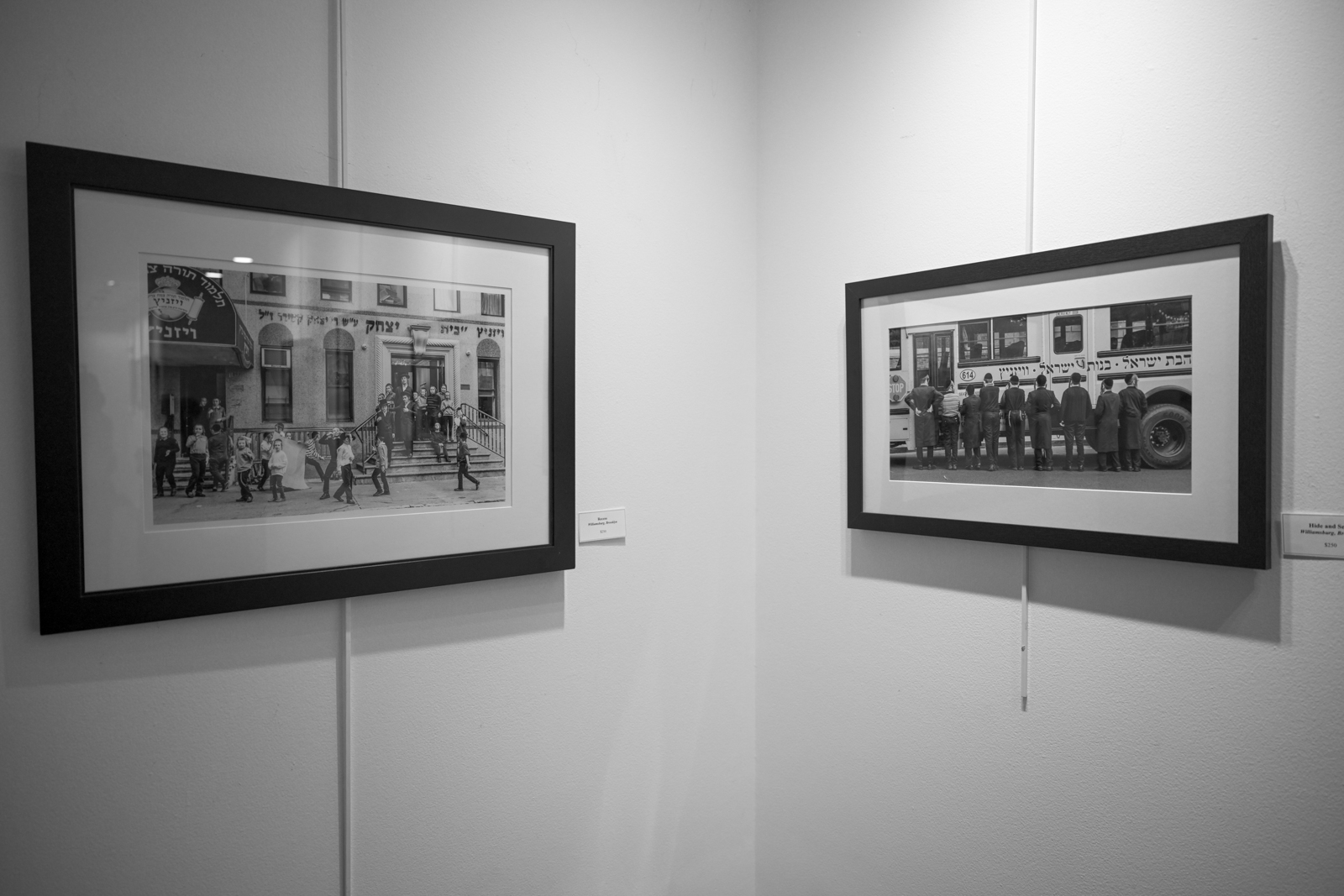
I lead workshops through Williamsburg Brooklyn into the Orthodox enclave. Vera inserted herself into this world with zero hesitation and made compelling work. It’s interesting how the subject reacts to the gender of the photographer. Vera being jewish meant she understood the basic layers of the orthodox, but was also surprised at the depth of religion that plays out in this neighborhood of tennements and storefronts.

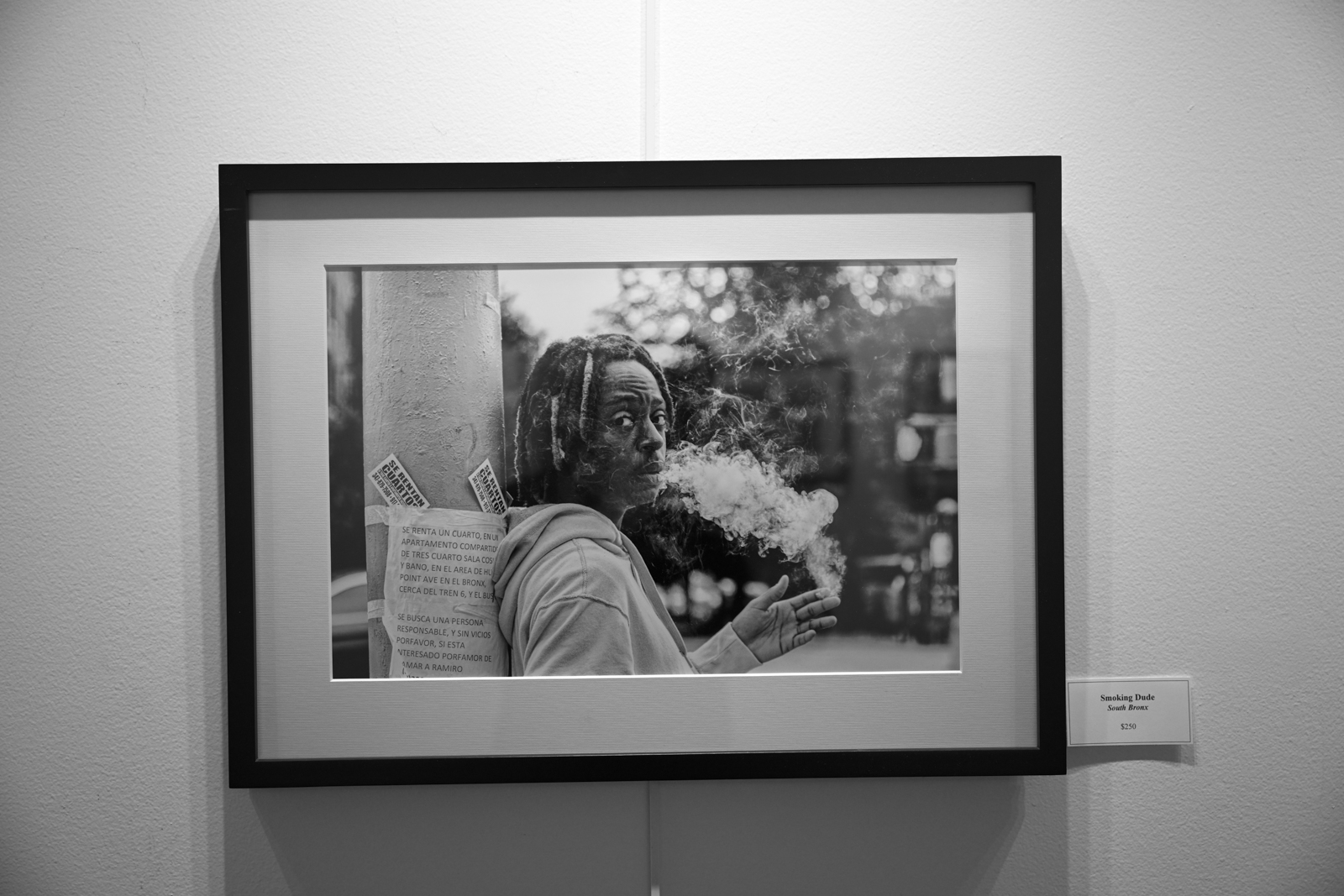
Then there is Smoking Dude. This photograph has a long story behind it, and you’ll have to take a street photography workshop from me to hear it or ask in person. To me, this photo is everything that happened leading up to it’s making, and down the block after it’s making.

I believe any exhibition can lead to a meaningful experience. The highest goal is to be featured at MoMa, but until then, start with local libraries, cafes, bars, and shops with nice walls. From there, aim for gallery representation or art shows. If you want to try this world, look for a group show; it lets you enjoy opening night with low costs for printing and framing. If you’re bold, go for a solo show!

You can’t mention Vera with out mentioning Bernie. Bernie is Vera’s loving husband of many years. He may very well be the most reasonable man I know and is a keen photographer as well. Vera keeps him on his toes, and they have a relationship to admire. At the opening Bernie read a touching testimonial to Vera’s accomplishment.

To me, an exhibition of work is the highest form of artistic fulfilment. Websites, Social Media while all playing a part, nothing beats a printed, matted and framed photograph. Yes, I am a traditionalist. But I feel it’s simply the best way to enjoy an image. To complete an exhibition of quality is a major undertaking from a logistics and artistic standpoint. Vera activated her network, set the goal and reached it with aplomb.

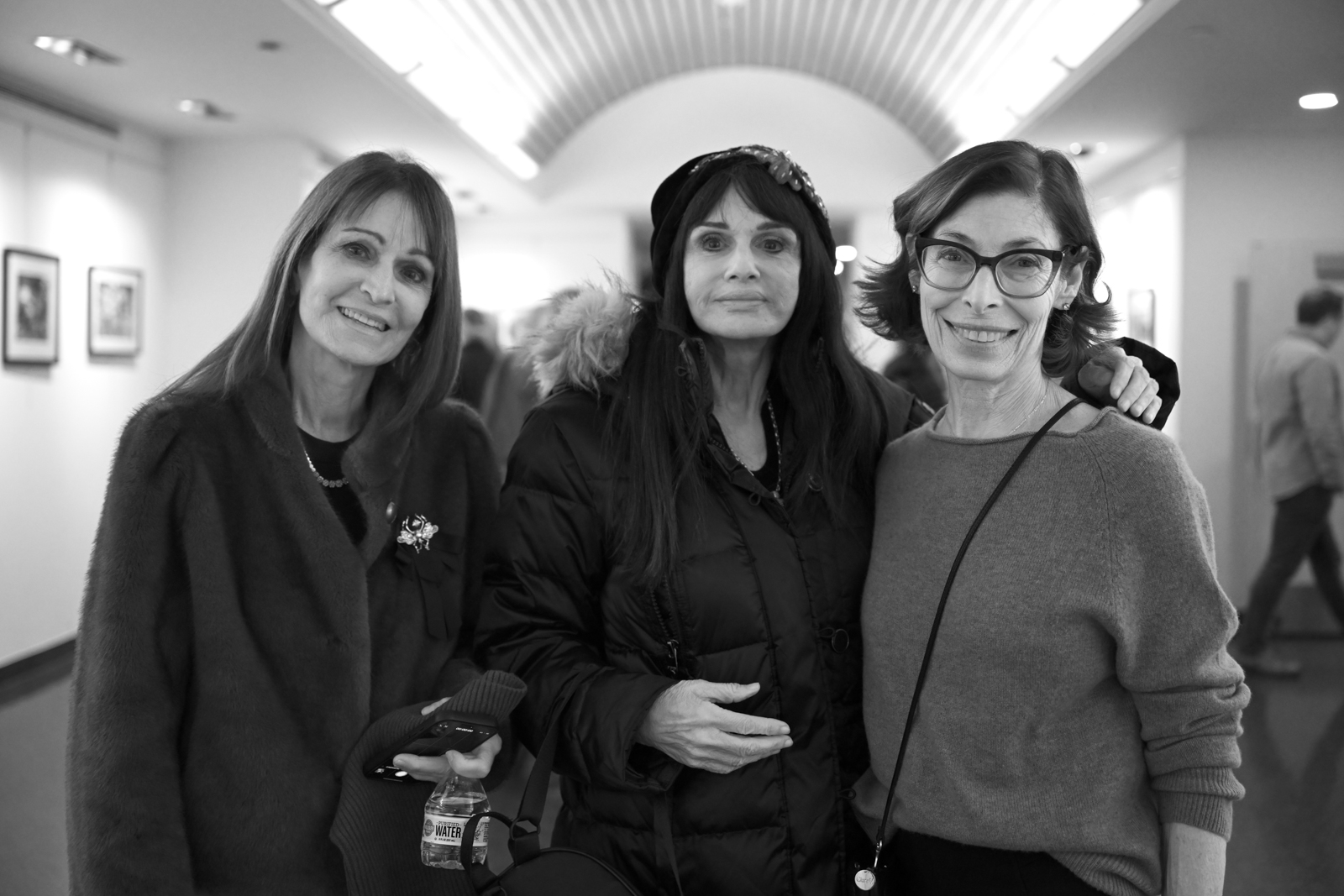
I’m not big on birthdays or other “automatic” celebrations. To me, if you want to celebrate, I’d be much more impressed if you celebrated what I did, and so a show is true celebration on accomplishment. To see Vera among her freinds, family and strangers showcasing her work was very warm and well deserved.

My Granny was cool in a horse racing sort of way, but she didn’t make the work that Vera makes. Her children and grand children were in attendance and I wonder how the show will impact them. Certainly Vera has shown them that she is not your average Ma- but a talented, strong, smart and defining exemplar of street photography. Earlier I made a comparison of Vivian Maier to Vera Hershenberg and I’d say that had Vera spent her life in a near hermetic state she would have produced a body of work very similar to Vivian. Except no selfies, Vera is all about the world around her, not about her in that world.

Follow Fearless Vera on IG

If the goal of a photo show is something that attracts you, stay tuned for more inspirational photography from Suspect Photography Education or book a private one hour review to discuss your work.

-David

When is a Photograph Truly “Done”?

DJI Mavic Air 3 Tele Lens, Processed in Camera Raw- Ready to print

We’ve all been there: the meticulous packing of camera gear, the careful selection of lenses, and the anticipation of chasing light. We scout locations, wait for the perfect moment, and then, click. The shutter fires, the photograph is made, and a fleeting piece of time is frozen. But is that precise moment, that initial capture, when a photograph is truly “done”? Hint, it’s not.

For many photographers, the creation process of an image is far from over when the memory card fills. The initial capture is merely the spark, the raw material, a digital or analog negative holding immense potential. The process is a creative continuum that extends well beyond the field, into the necessary and transformative stage of editing. The digital darkroom is where your vision truly takes form; here you refine the light, enhance the mood, crop for impact, and bring out the crucial details that tell your story. This stage is essential in translating what you saw with your eyes to what you felt with your heart. It is the critical step of giving emotional intent a physical, visual language that speaks clearly to others.

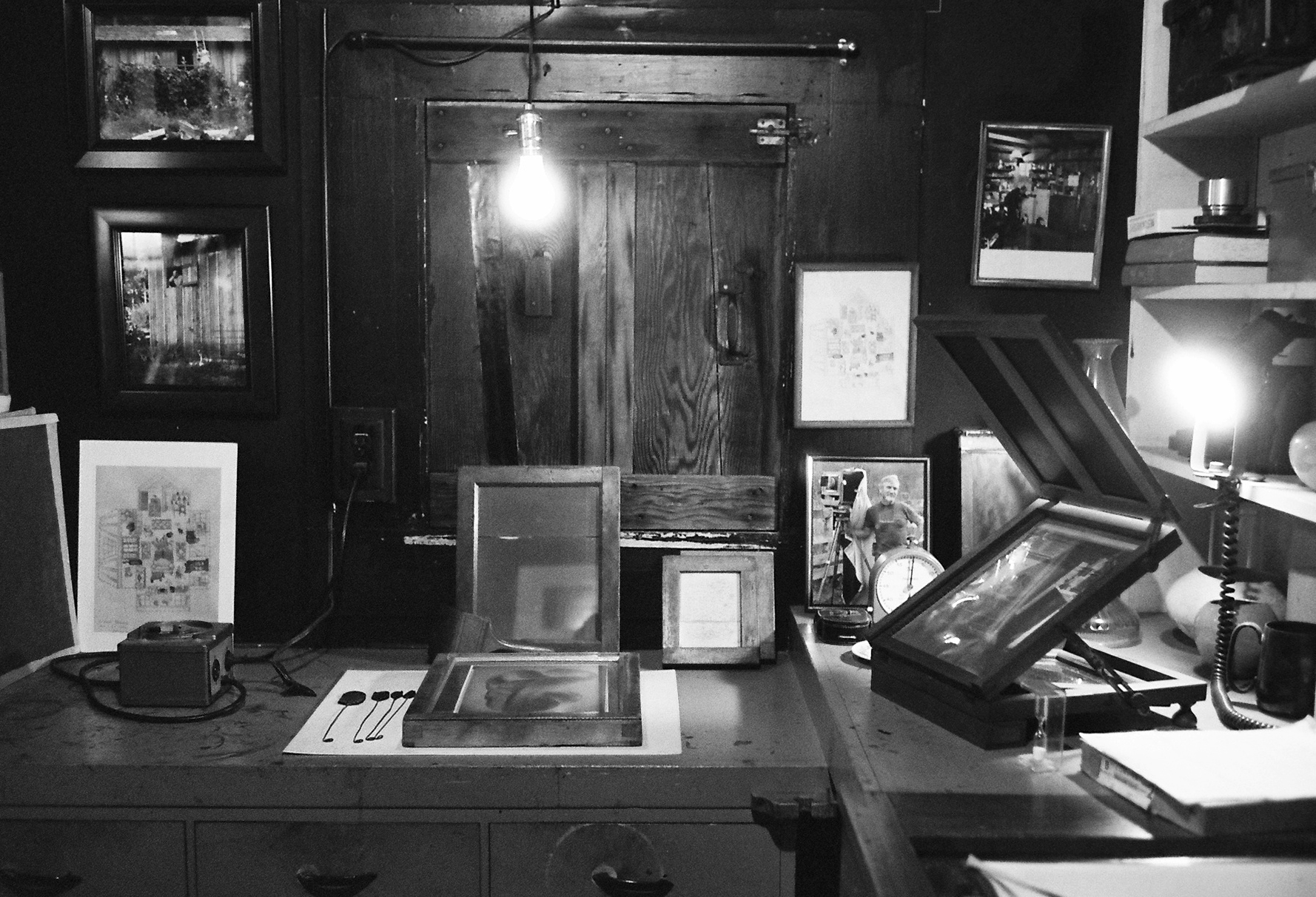
Edward Weston’s Darkroom

The final act of creation is the output, the moment you publish, print, or post your photograph to its audience. This is when the work moves from potential energy to a tangible reality. Is it a gallery-quality print, carefully matted and framed, ready to hang on a wall and command attention? Is it a thoughtfully placed image on a page in a book or zine, contributing to a larger narrative? Or is it meticulously prepared and uploaded to the web or a social media site, destined to connect with a global audience, spark conversation, and inspire? Once you put it out there, it’s essentially done.

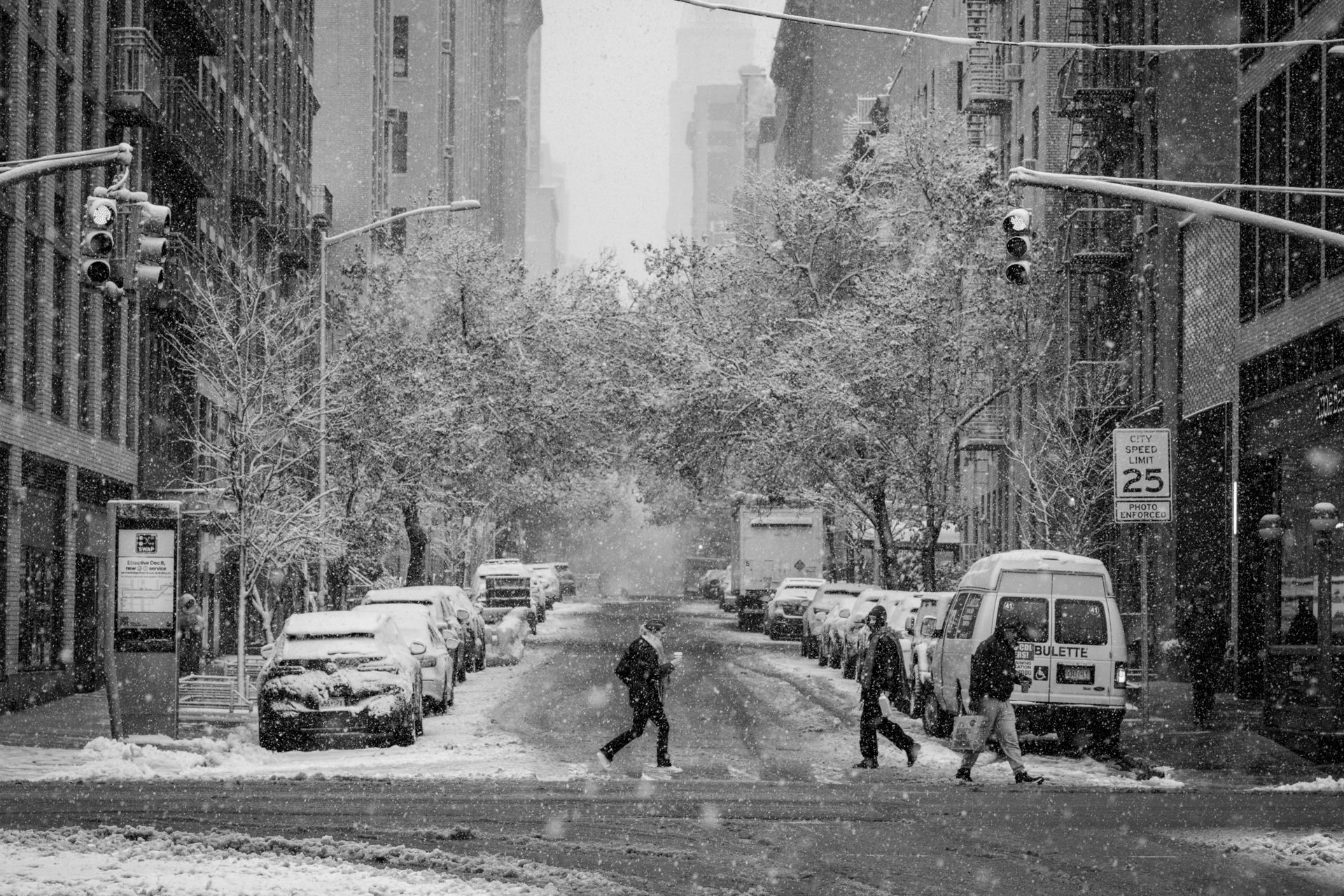
Snowstorm 8th & 24 NYC December 14 2026

A photograph isn’t merely “taken”; it’s made. It’s a process that begins with your intent as you pack your gear and culminates when it takes its final, finished form, ready to be seen, experienced, and remembered. Shared. It is done when you’ve expressed your vision to its fullest and prepared it for its intended destination, whether that’s a single discerning eye or the whole wide world.

Warning, continuing with this blog post might contain NSFW images.

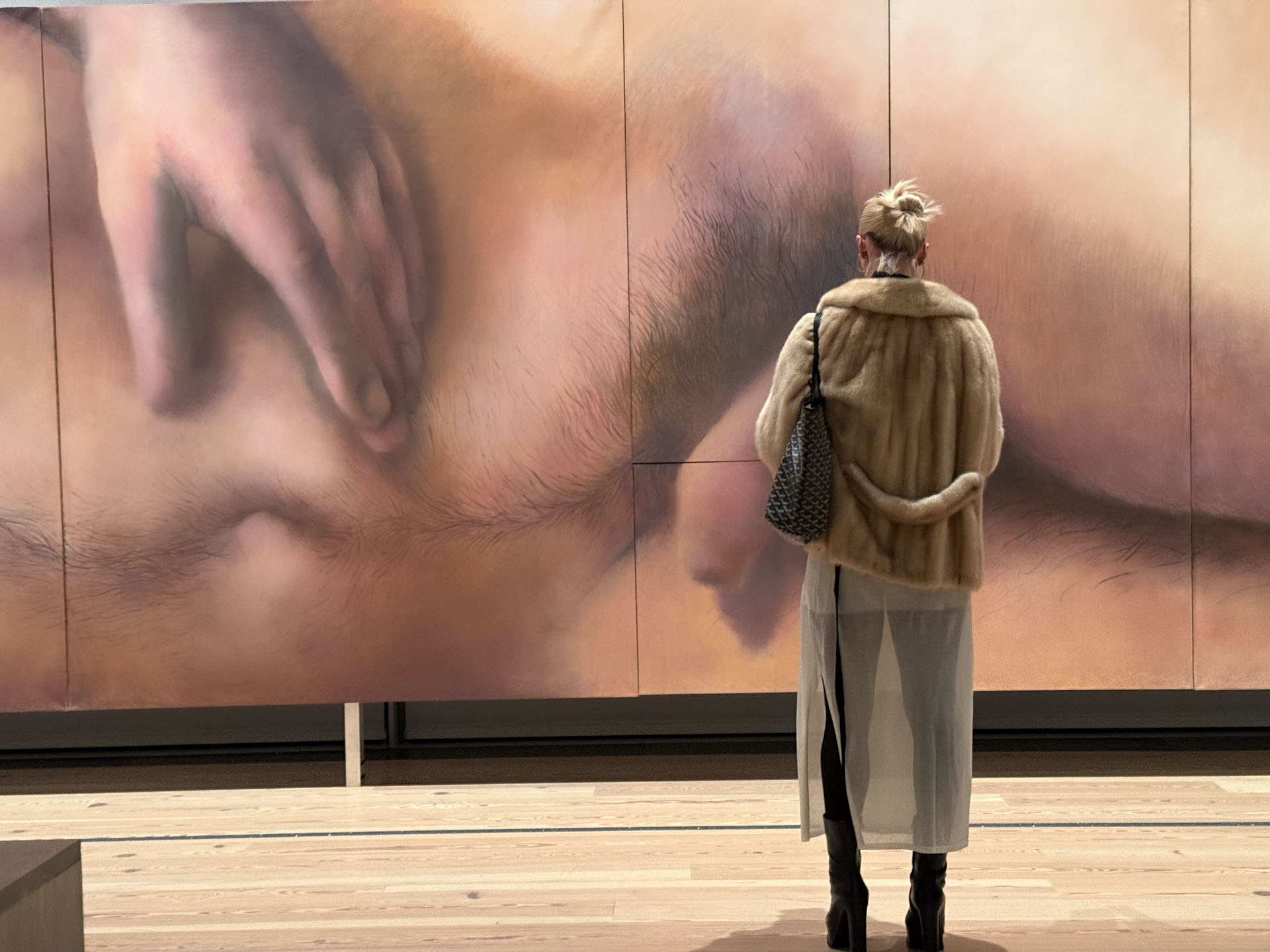
A few nights ago my wife Barbara and I attended the Whitney Museum of American Art’s holiday member’s night. When we were about to leave I reached for my Fujifilm X100mkVI and then thought better of it, we’d be going to dinner at Pastis afterwards and the camera would be a lightweight burden, besides, I have my trusty Iphone 16 Pro. What is the best camera? Yea, you know the answer to that if you’ve read this far into the article.

As we walked through the galleries, past surreal camels, we came upon this scene and I pulled out the iPhone and ran to frame and make this photo. The subject was standing still, admiring the piece and my usual luck is “get in position, subject moves out of position”. But not this time. I was able to make a few photos fast zeroing on composition.

Crooked horizon, poorly cropped feet.. my first shot was off.

Made some corrections and then she began to walk away. The window for this photo was over. However, due to all those years of making bad photos I was able to capture a good photo. Later that night I sat in bed editing the image in Apple’s proprietary editing suite and adjusted to this final image.

Was it done? Not quite yet, I then uploaded to my instagram and now….

The photo is done. See more on the Suspect Photography Instagram.

-David

The Exhibition at the old Hospital and the Zeiss Touit 12mm for X-Pro1

View of Val di Chiana from the Old Hospital

View of Val di Chiana from the Old Hospital

I’ll be honest, I’m not that much of a super wide guy. My preferred focal length is just a little wider than normal view. The 28mm to 35mm is pretty perfect for me. Back in May, I got two lenses from Zeiss to try out, the 35 1.8 and 12mm 2.8 Touit lenses. I walked with the 35 1.8 around NYC for a few weeks testing the lens before I passed it on to Gabe from Ruinism and wrote about it on my “Part 1” of the Zeiss Touit tests which can be found here in this earlier blog. I then began to shoot with the 12mm and actually had trouble making images I was excited about. It wasn’t that the gorgeous lens was anything less than a great optic, it was I who had issue with the lens. For those who follow my blog, its not just words, the images have to back up what I’m saying. The environments that I was testing the lens in were just not coexisting and the lens wasn’t working for me. Well, all that changed yesterday when I took the 12mm and mounted it on my trusty Fujifilm X-Pro1 with the aim of checking out some exhibitions at the Cortona On the Move Photo Festival in Italy. All of the images are shot using the 12mm 2.8 at ISO Auto 1600, color shots are Velvia Film Sim Mode unless I chose the B&W Y mode (I used film sim bracketing so I was able to capture it all).

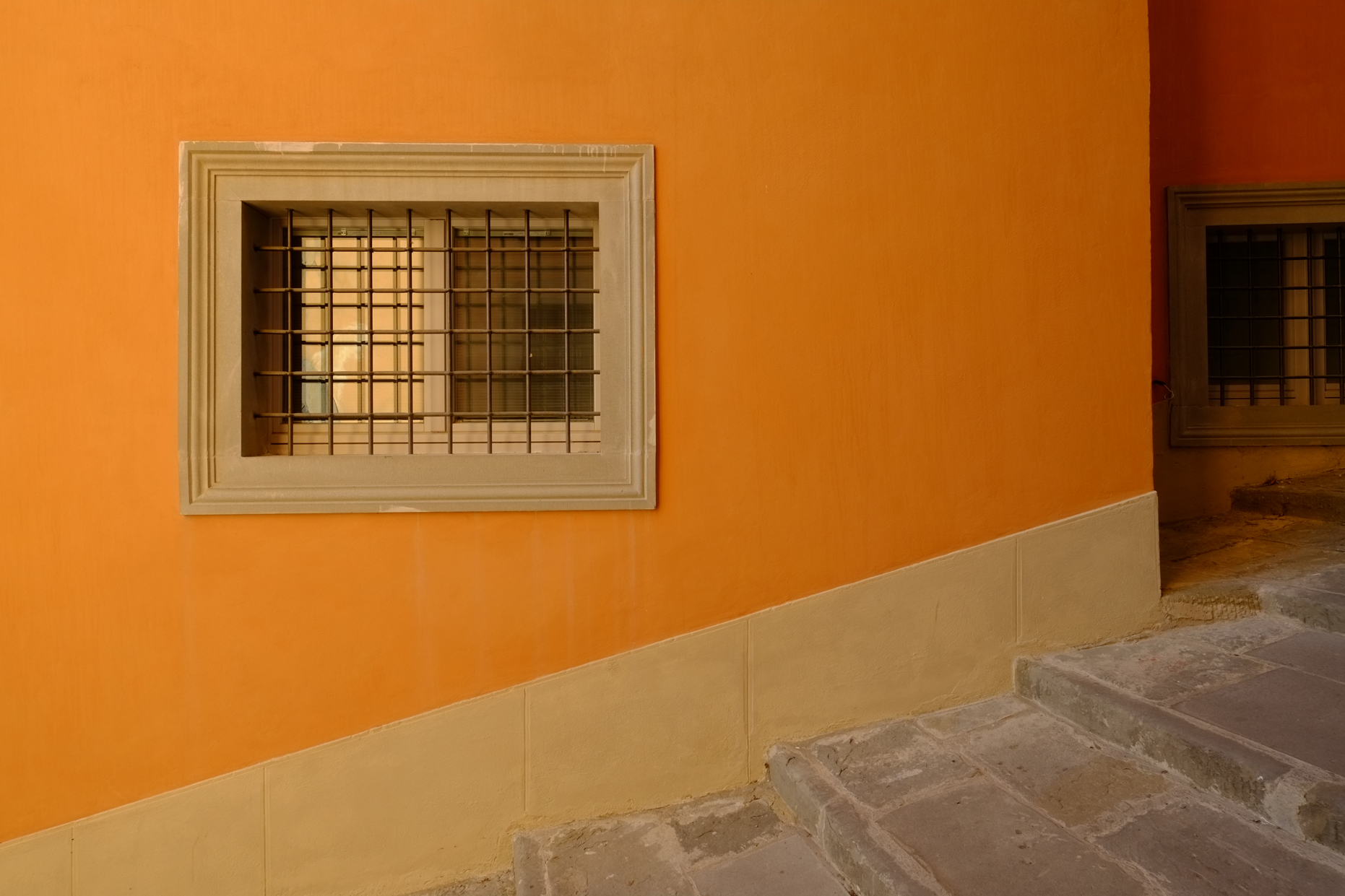
Study in the geometry of Composition in Tuscany

Study of the geometry of Composition in Tuscany

This photo festival is really unlike any other that ever existed before. Taking place is Cortona Italy, a hilltop medieval city made famous lately by the Frances Mayes book, “Under the Tuscan Sun” (Mayes tells the tale of being an expat American and finding herself while rebuilding a Tuscan villa) the festival consists of a series of exhibitions that are found in odd locations throughout the city. By using spaces that are currently unused or abandonded, the festival curates photography with a theme of movement, travel and exploration. It’s a super cool way to explore the old city and see some photography and also, gain entry to spaces that would otherwise not be available.

The festival for the second time was able to procure the old hospital and transform it to a gallery featuring edgy and stimulating photographers as well as a retrospective look at the now defunct Newsweek magazine. For me, hospitals are associated with death, and I found it fitting that Newsweek (which ended publication in December of 2012) a perfect fit to showcase multiple news themes that it was known for, along with some of the brightest documentary shooters. Indeed, the exhibition is aptly titled, “An Autopsy”. RIP Newsweek.

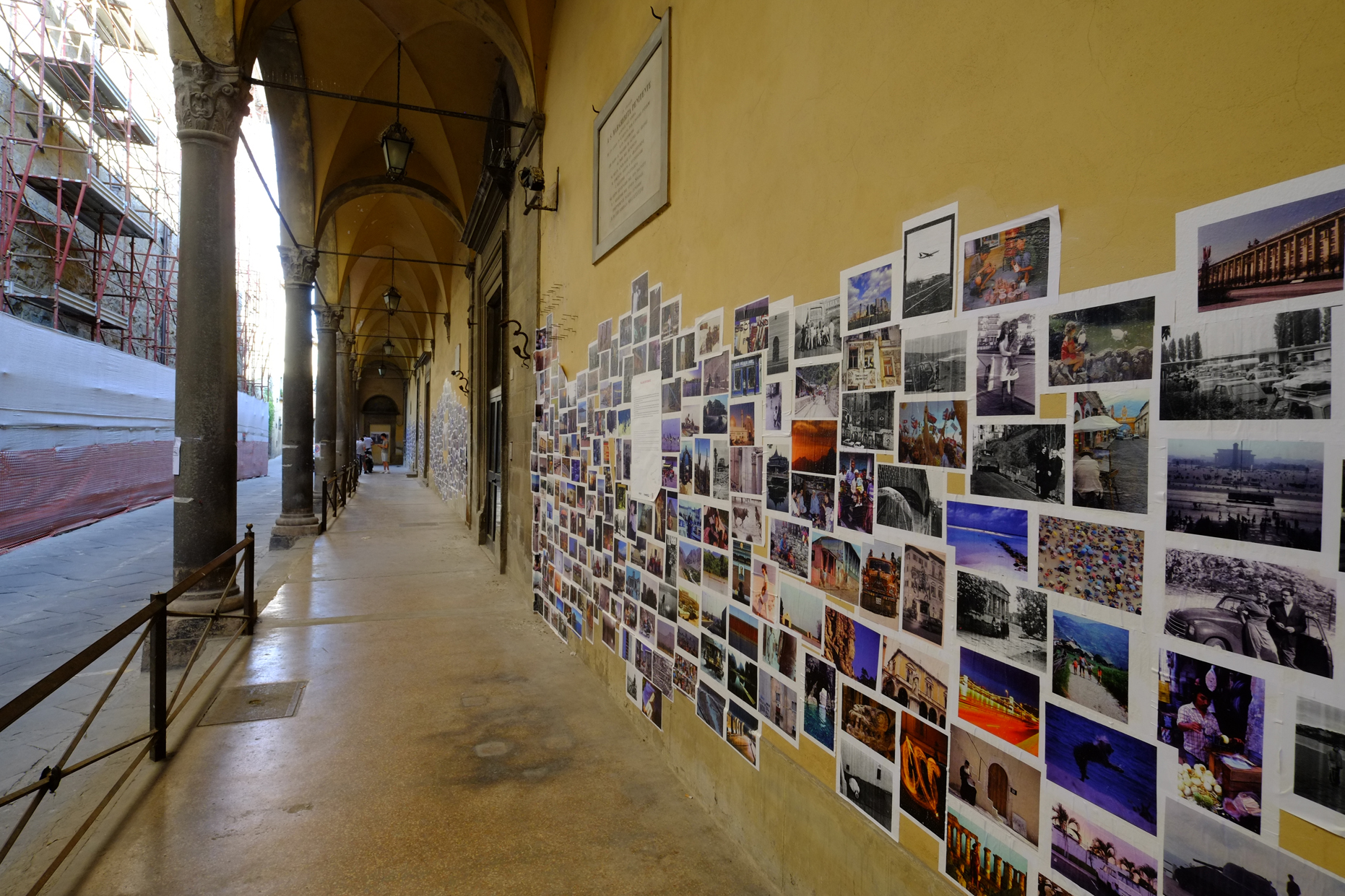
Crowd sourced installation where readers of La Republica were asked to submit photos taken prior to 1999

Crowd sourced installation where readers of La Republica were asked to submit photos taken prior to 1999

I have a new hero, Zed Nelson, who over 5 years shot in 18 countries across 5 continents the diaspora of western concepts of beauty being exported as a new manifestation of aesthetic globalization. His work is akin to Lauren Greenfield and Erwin Olaf but has a technical savvy and execution I was moved by. The room that Zed is displayed in has wide-open windows that over look the city and the valley below. Visitors are torn between looking at glass jar containing fat taken during a liposuction procedure and a view to die for. The dichotomy is exquisite.

Sol Neelman is a North West photographer who couldn’t cut it as a jock, and became a photographer. His are larger than life shots of extreme and weird sports. The subject matter is instantly interesting and his timing for the camera frame impeccable. I look forward to purchasing his book of the complete project, the exhibition left me wanting more.

Salvatore Santoro documentary of his childhood home and despotic local of Campania was what I felt the weakest of the exhibitions, yet still the spirit of the festival pervades the curation of work. While Salvatore’s work is solid, the subject matter is sad and the locations simply run down from the effects of mafia and pollution. I preferred to look at weird sports and go back in history with the covers of Newsweek.

The 12mm super wide lets you explore space unlike a normal view.

The 12mm super wide lets you explore space unlike a normal view.

The crazy Italian photographer I met at Photo Show Milan, Antonio Manta led a workshop at the opening of the festival. This wild spirit and master printer always works with a quirky twist on his portraiture and his workshop embodided that spirt. He set up a red carpet with an inspired throne in front of the signature building in Cortona, the Palazo del Comune and had his class photograph tourists and while choosing the theatre location for the Cortonesi (locals) to be photographed. A selection from his class is on exhibit and shows the organic nature of the festival, work from students attending on display.

Charlatan

I loved how with the use of Newsweek large proofs the festival was able to make a political commentary on thier home country and the world at large. Seeing a Tim Hetherington print as well reminded me what a genius we lost in Libya and I lament that we can’t have Tim’s eye look at current events any longer.

fallensign

Walking the corridors of old hospital and looking at great examples of photography is inspiring, but doing so with the super wide 12mm Zeiss Touit was the icing on the cake. I wanted to take it all in, not just a slice. What better way to examine it all than with a larger than life lens? After all the trying with the lens, I found its home in my bag, as I travel. All the shots in the blog entry are shot with the 12mm, I’ll let the images do the talking.

View3

The super wide is great at taking it all in, and perhaps if Cortona On The Move festival is about travel going places, then its official lens should be the Touit 12mm.

B&W  w/ Yellow Filter Film Sim mode

B&W w/ Yellow Filter Film Sim mode

David Brommer on August 22nd and 23rd will be conducting a Composition seminar in Cortona that is part classroom, part portfolio review, and part photo walk. A trip to the old hospital will be in order!

Steps leading to multiple levels of the exhibition

Steps leading to multiple levels of the exhibition

Two Day Workshop in Cortona, Italy August 23rd and 24th at Cortona On The Move Photo Festival

Doors of Tuscany Shot with Lensbaby

Doors of Tuscany Shot with Lensbaby

Cortona is a photogenic medieval hilltop city located in the south of Tuscany that is a photographers paradise. So much in fact, that three years ago a group of enterprising young photographers created the Cortona On The Move Photo Festival to showcase photography themed around travel and movement. The festival features exhibits, talks, portfolio reviews, contests, and workshops spread out through the winding alleyways and squares. The exhibits are in old hospitals, wince cellars, churches and other antique locations. Visitors get a map and while exploring the city, get to view a seriously curated assemblage of todays top contemporary photography as it relates to travel and the concept non-static photography.

presskit

For over a decade I have been visiting this corner of the world (I was married to Barbara in Cortona in 2003 as matter of fact, we are celebrating our TEN year anniversary-I love you Barbara <3) and photographing with different techniques. The location is enchanting, and with the festival firmly routed in the city, all the more interesting.

Cortona view of the Vale shot with Fujifilm Instax

Cortona view of the Vale shot with Fujifilm Instax

This year, I proposed a two day workshop to help photographers view this city with an eye for advanced composition. If you are looking into a trip this summer, you simply can’t go wrong with COTM and a visit to Tuscany. Here are the details for the workshop:

Detail of rear of Church 8x10 Camera 14" Kodak Ektar Lens

Detail of rear of Church 8×10 Camera 14″ Kodak Ektar Lens

COMPOSITION IN CORTONA: BEYOND THE RULE OF THIRDS

Digital cameras can practically do it all, but what they can’t do is adjust for good composition, a fundamental quality of a great image.  Ironically, the technological wonders of the digital era have  made some of us blind to seeing photographs as art, and although the latest digital cameras may be able to perform in almost any light, if you can’t “see” the shot, then you won’t capture a memorable image.

Cortona on the Move festival will host American photographer David Brommer for a special two part seminar. The first part, an afternoon lecture and slide show of Brommer’s popular, “Better Photographic Composition – Beyond the Rule of Thirds” program where Brommer will cover the basics of composition and then go further into more complicated compositional elements. Directly following this presentation will be a review of students work. The class will resume the next morning for a photo walk in Cortona where you will get to put what you just learned to practice.

This seminar is ideally suited for those with a basic understanding of photography but wish to advance their skills by learning compositional fundamentals and techniques that will dramatically improve their images.
MATERIALS: Attendees may bring up to 5 of their best images for review on a USB thumb drive for the Friday session. For the photo walk on Saturday, attendees are recommended to bring a Digital SLR with wide to normal angle lenses, a fully charged battery and memory cards. Tripods are not recommended as this is a photo walk, however comfortable sneakers are a must. We will be covering a lot of ground on old cobblestoned streets.

 DATES: August 23rd 4 pm to 7 pm  (class room session) and August 24th 7 am to 10 am (Cortona photo walk)

COST: 125€

The organization of the Festival will help the participants to find affordable accommodations.

To enroll, make a bank transfer to:

Associazione Culturale ONTHEMOVE
Banca Credito Cooperativo
Iban: IT 66 N 084 8925 4010 0000 0361 220

Info: workshop@cortonaonthemove.com

I will conduct the class primarily in English, however a translator will be on site. I hope to see some of my American friends, or make new acquaintances in Cortona.

~David
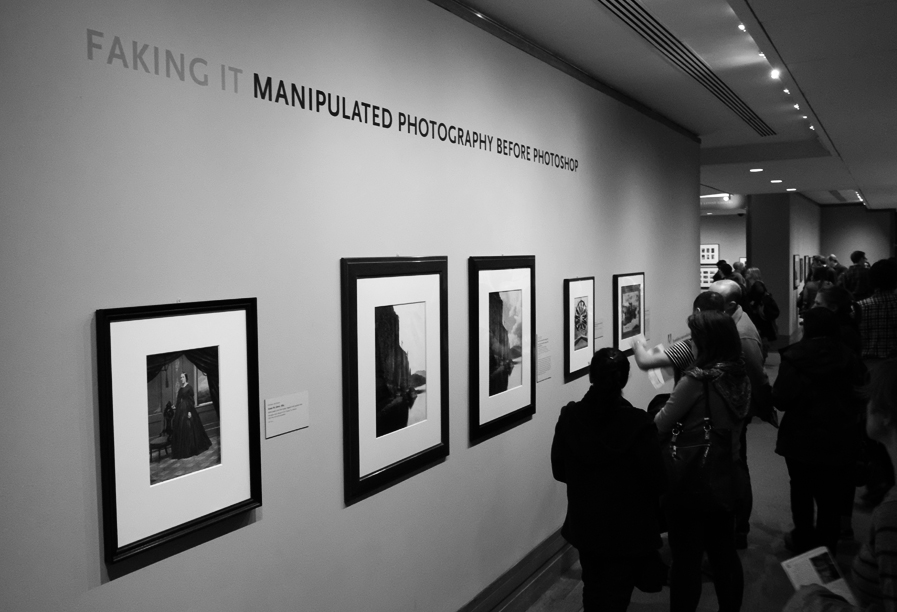
The “Faking It” Show at the Metropolitan Museum of Art Review

Platinum Print, Ilford 8x10 FP4, Dagor 81/4" Lens, 1/4th Sec f 64

Platinum Print, Ilford 8×10 FP4, Dagor 81/4″ Lens, 1/4th Sec f 64

There are occasionally museum exhibitions that really hit the mark and make you say, “wow”. Shows that leave a bloody gash in what you think you know and become an influence on what you create henceforth. These shows don’t manifest often, perhaps once every couple of years and mostly they are a rarity. This show however is one of the former, a real “Wow show”. I suggest you don’t walk, you RUN to the Met and spend a morning or afternoon diving into this first ever major exhibition devoted to history of manipulated photography before the digital age.

The show is divided up  into sections, each focusing on a different set of motivations for manipulating the camera image. “Picture Perfect” illustrates early processes that sought to rectify the technical limitations of photography. These include turning B&W to color and increasing dynamic range by printing with multiple negatives. There are stunning hand colored images in this section as well as fake clouds. “Artifice in the Name of Art” indulges fantasy and here we have some wonderful examples of the pictorialists F. Holland Day and Edward Steichen. Perhaps the most interesting was the “Politics and Persuasion” section. This is where faking it shines, whence you can change the thoughts and motivations of society with an photograph. The well known image of  the Zeppelin, “Los Angeles” hovering next to the Empire State building is featured and until I read the placard, I had previously bought into the idea the mast on the Empire State Building was indeed a “dock” for dirigibles (if your interested, the whole story is told nicely in this NY Times article) and believed the fabrication.

Scapes-1-popup

We are treated to spirit photography and some funky fun Weegee image in “Novelties and Amusements” as well as some stereo images that you have to look into a contraception to see. “Pictures in Print” shows where the work of the faking photographer ends up, and you guessed it, the media. I guess some things never change. I was thrilled to see in the “Protoshop” section one of my mentors Jerry Uelsmann‘s work. Two of Jerry’s prints were on display and I never get tired of looking at his surreal images made long before photoshop was ever conceived. When I first met Jerry at the SPE (Society For Photographic Education) national conference over a decade ago,  I asked him what he thought of the advent of Photoshop. He whispered to me, “The best part of photoshop is the unlimited possibilities and the worst part of photoshop… the unlimited possibilities”. A wise man for sure and I’ll never forget that exchange.

Perhaps the highlight of the afternoon was when I spotted the great landscape photographer Ansel Adams checking out the show. I was sure happy I had my camera handy and quickly made the exposure.

adamsinthemet

OK, I faked it. Ansel has been dead for many years, but I’m sure if he was alive he would have really loved this show!

adamsinthemet2

I thought it funny that the principal sponsor of the show is Adobe and I have to thank them for a job well done. The curation of the show is exquisite and the walls are filled with a vast treasure trove of early photography and legendary photographers. The show runs through January 27th and I highly recommend that you visit the Met before the show comes down. For more information please visit the Met’s website and don’t fake it. You just might end up on the walls of a famous museum.

And one more thing, the image I made outside the Met on the steps of the sign for the show, it’s a fake too.